
A dish can taste great and still be forgettable. In 2026, Canadian restaurants are proving that the feel of food matters just as much as its flavour.
Why texture is suddenly leading menu design
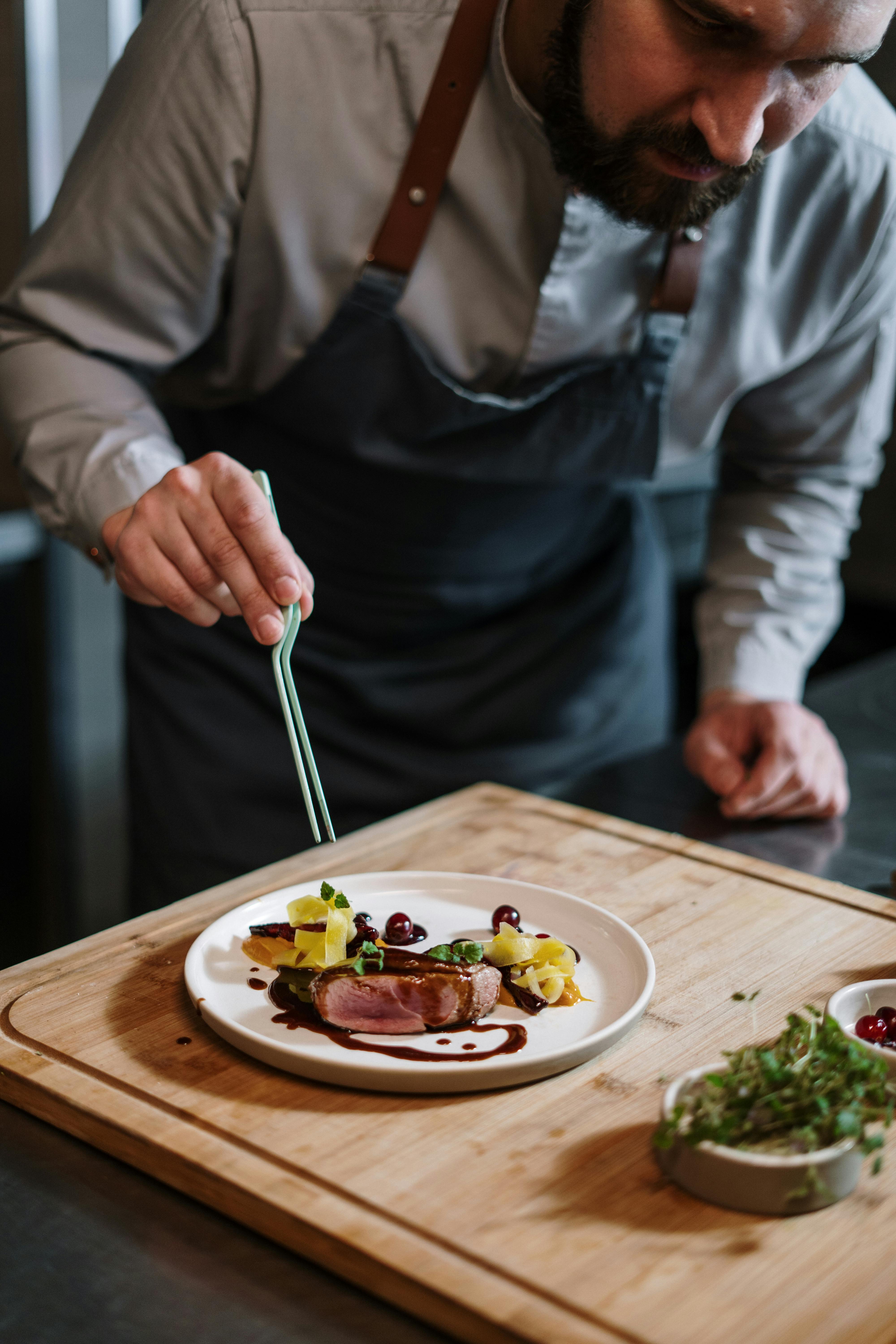
What changed is simple: diners have become harder to surprise with ingredients alone. Hot honey, yuzu, gochujang, and chili crisp are now familiar, so chefs are turning to contrast, crackle, stretch, and silkiness to create impact from the first bite.
That shift has been reinforced by social media. Short-form food videos reward the sound of a crisp shell breaking, the pull of melted cheese, or the wobble of a set custard. According to menu analysts and restaurant consultants, visual appeal now works best when it is paired with a sensory payoff people can almost hear.
Canadian operators also see texture as a practical business tool. A bowl topped with toasted seeds, crispy onions, puffed grains, or tempura crumbs feels more layered and premium, even when the base ingredients remain cost-conscious. That makes texture one of the smartest levers on modern menus.
The textures diners are craving most in 2026
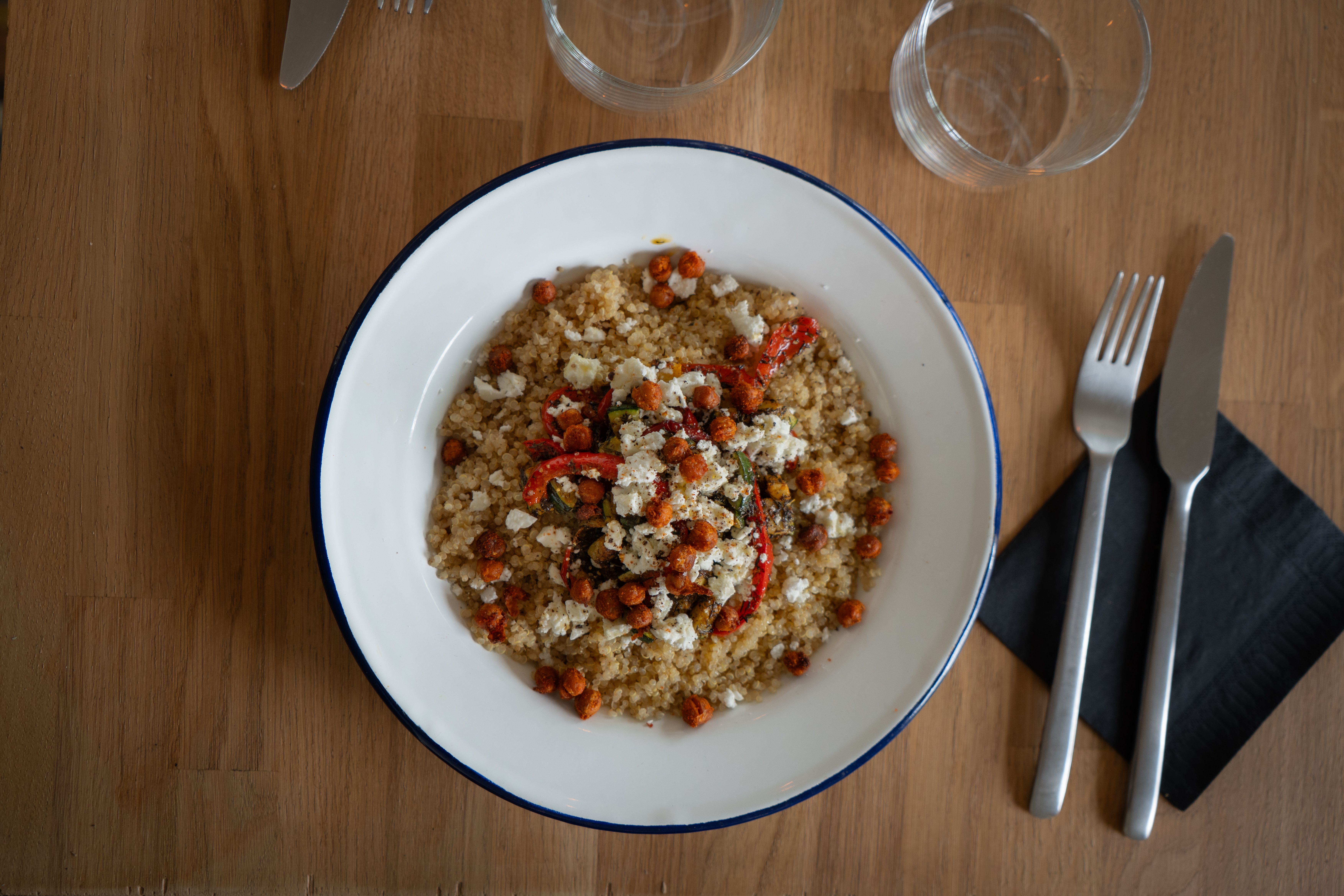
Crunch remains the most bankable texture on Canadian menus, but it is no longer limited to fried food. Restaurants are using roasted chickpeas, brittle-like seed clusters, dehydrated vegetable chips, and crackly rice toppings to add structure without making every dish feel heavy.
Creamy textures are moving in parallel. Whipped feta, labneh, silken tofu, potato purées enriched with cultured butter, and mousse-like desserts are appearing because they balance sharper, louder elements. Diners want food that moves between smooth and crisp within the same bite.
Chew is also having a major moment. Hand-pulled noodles, mochi pancakes, thick-cut sourdough, bouncy fresh cheese curds, and gelatin-set desserts give dishes a playful quality that many consumers now associate with craftsmanship. Texture, in this sense, signals effort and identity.
How Canadian chefs are building contrast into dishes
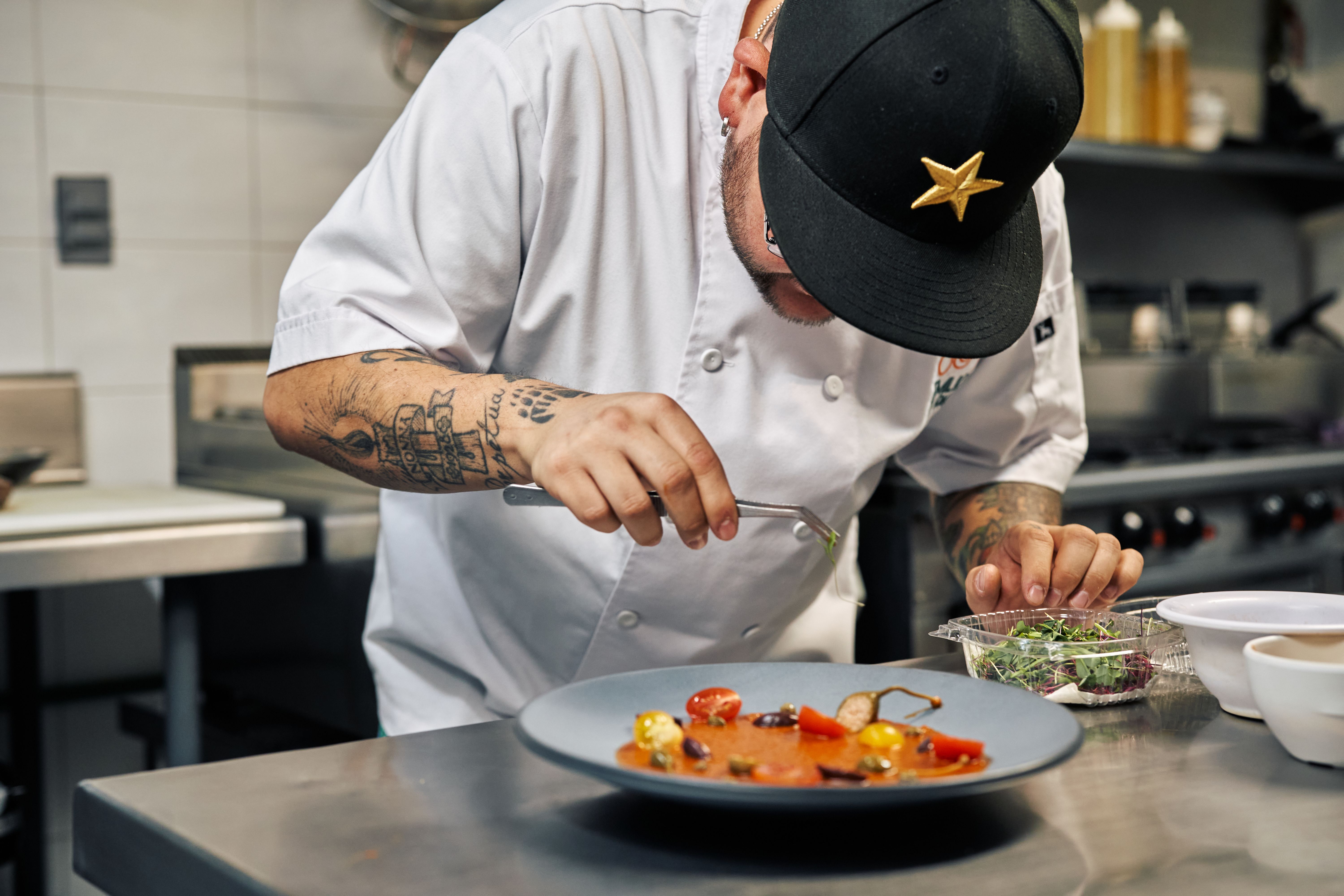
The most successful chefs are not chasing one standout texture. They are layering several. A smoked carrot tartare might arrive with rye crumbs, pickled mustard seeds, and an egg yolk jam. A seafood chowder may include crisp potato skins or butter-toasted crumbs to offset richness.
This approach is visible from fine dining to fast casual. Fried chicken sandwiches are getting slaw with real snap, soft milk buns, and peppery crusts engineered to stay crisp longer. Even poutine is evolving, with extra attention on fry integrity, squeaky curds, and gravy viscosity.
Pastry kitchens are equally focused. Laminated doughs, brûléed tops, gooey centres, and brittle garnishes are carefully combined so desserts feel dynamic instead of merely sweet. That makes texture a design principle, not a finishing touch.
The ingredients and techniques driving the movement
Part of the trend comes from better technique rather than unusual ingredients. Fermentation sharpens vegetables while keeping bite. Dehydration intensifies flavour and creates light crispness. Flash frying, torching, aeration, and freezing methods help chefs control mouthfeel with much greater precision.
Pantry choices are changing too. Toasted grains, sesame shards, pepitas, puffed quinoa, crispy shallots, and seasoned breadcrumbs are now staples because they deliver immediate contrast. In plant-forward cooking especially, these additions prevent bowls, salads, and vegetable mains from feeling soft or one-note.
Canadian regional products are benefiting from the shift. Prairie grains, Quebec cheese curds, Atlantic seafood, maple sugar tuiles, and BC mushrooms all lend themselves to distinct textures when treated carefully. Texture gives local sourcing a more noticeable role on the plate.
Why the trend matters to restaurant business
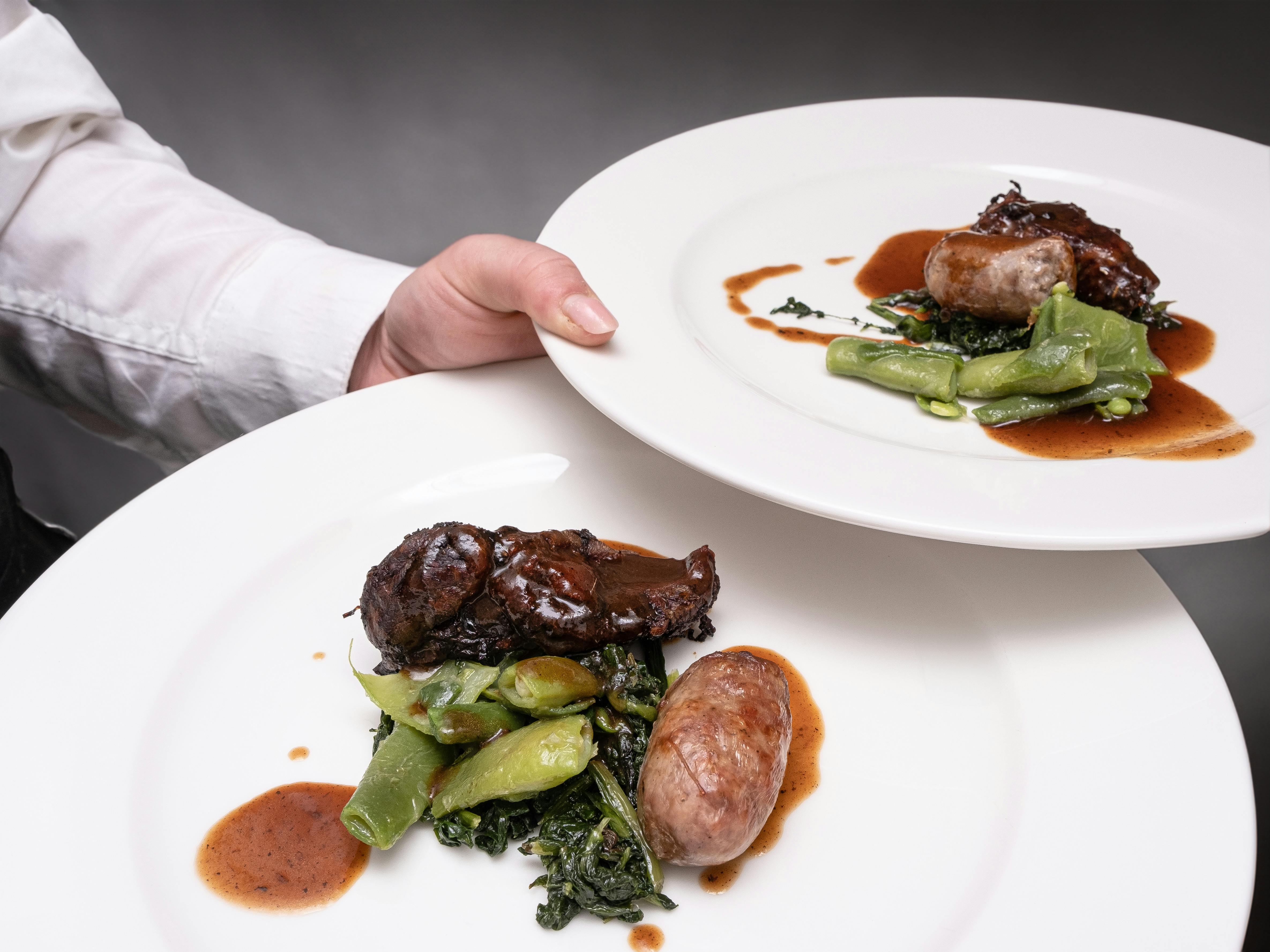
Texture is not just a creative obsession. It has clear commercial value. Restaurant groups say dishes with obvious contrast tend to photograph better, earn stronger guest comments, and create a more memorable impression, which matters when repeat traffic is difficult to secure.
It also helps justify menu pricing. Consumers are highly sensitive to cost in 2026, but they still respond to food that feels indulgent or expertly built. A well-textured dish can suggest abundance and skill even when portions are disciplined and ingredient costs are tightly managed.
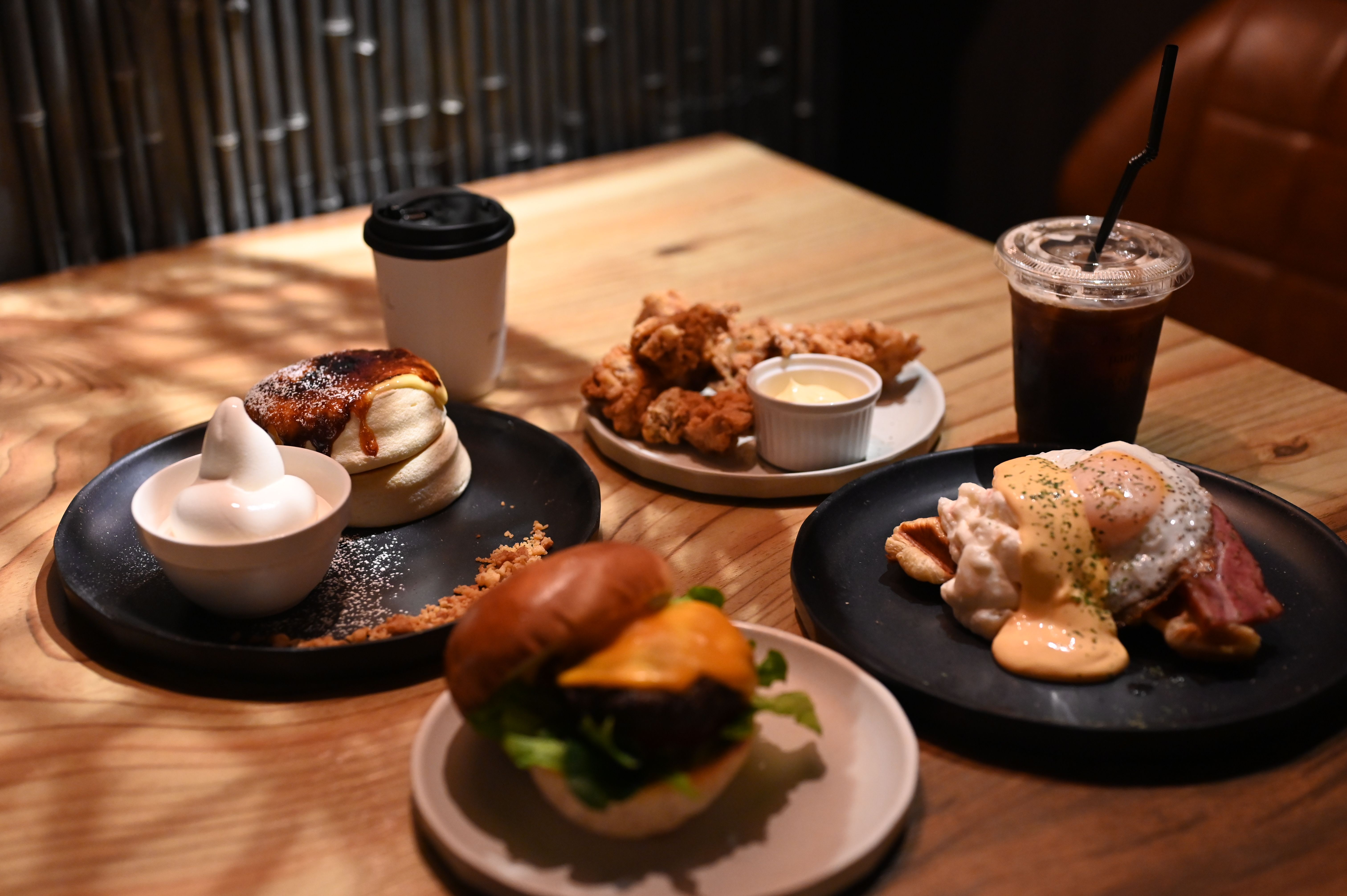
There is also a menu development advantage. Texture can refresh familiar formats without forcing a full concept overhaul. A café does not need to reinvent brunch if it can upgrade pancakes with crisp edges, cultured cream, toasted nuts, and fruit compote with real body.
What texture takeover means for diners next
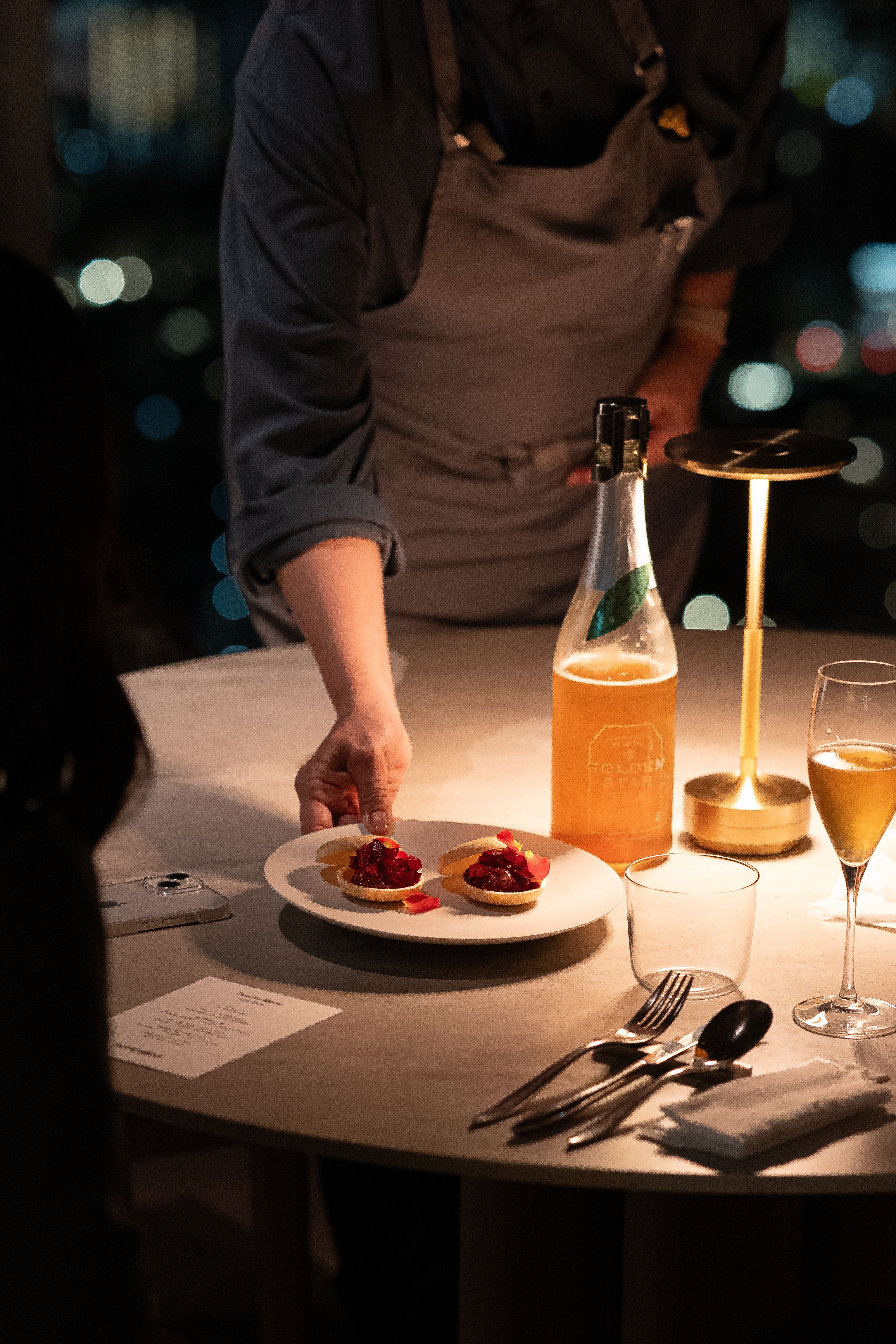
Expect menus to become more descriptive about physical experience. Words like crackling, velvety, pillowy, molten, flaky, and bouncy are appearing more often because restaurants now sell sensation as much as taste. Diners are being invited to imagine the bite before they order.
This trend will likely keep spreading into grocery retail, meal kits, and ready-to-eat foods. Packaged salads with separate crunchy toppers, frozen appetizers designed for audible crispness, and desserts built around layered mouthfeel are already following restaurant cues across Canada.
The larger point is that texture is not a gimmick. It is a response to how people actually eat, judge value, and remember meals. In 2026, the best Canadian menus understand that a great dish should taste good, feel exciting, and stay in the mind after the plate is gone.




Leave a Reply