
Some desserts become popular. Butter tarts became personal.
In Canada, this small, sticky pastry inspires nostalgia, arguments, road trips, and even festivals, all because a few simple ingredients came together at exactly the right moment in the country's culinary history.
A humble tart with a very Canadian identity
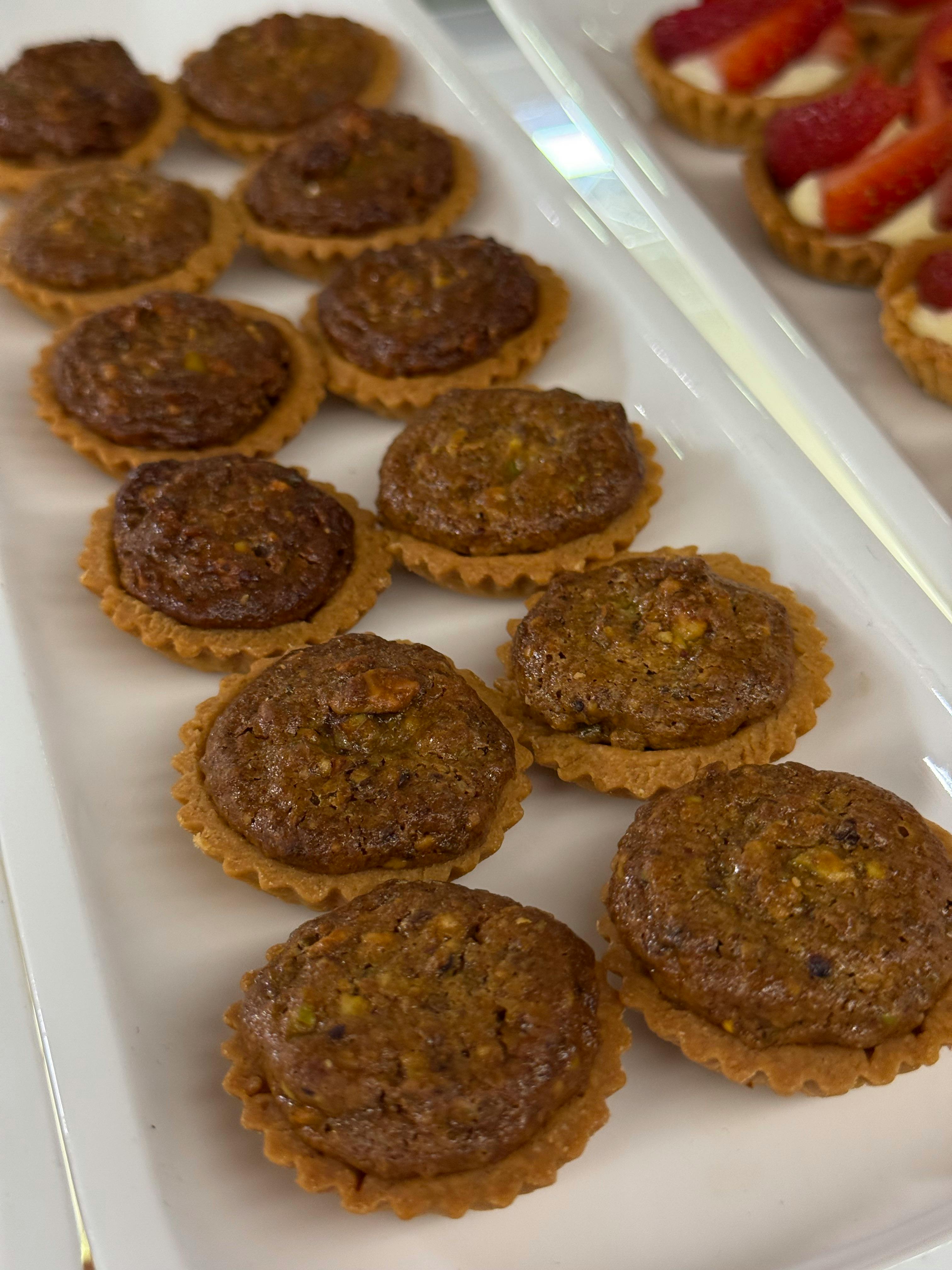
At first glance, the butter tart looks almost too simple to carry national importance. It is a small pastry shell filled with butter, sugar, syrup, and egg, then baked until the center turns glossy and rich. Yet that simplicity is exactly what helped it endure, because the ingredients were affordable, familiar, and widely available in domestic kitchens.
Food historians often place the butter tart's roots in the settler cooking traditions of Ontario and Quebec, shaped by British pies, French sugar tarts, and practical frontier baking. The earliest widely cited printed recipe appeared in 1900 in The Women's Auxiliary of the Royal Victoria Hospital Cookbook in Barrie, Ontario. That record matters because it shows the tart was already common enough to be written down for home bakers, not presented as a novelty.
Its identity also reflects the realities of Canadian home life in the late 19th and early 20th centuries. Farm families valued desserts that used pantry staples and did not require expensive fruit or elaborate techniques. In that sense, the butter tart was not a luxury item. It was efficient, satisfying, and deeply tied to the kind of cooking that built reputations around thrift, skill, and consistency.
Why the recipe took hold across generations

What made the butter tart last was not just flavor, but reliability. In homes where baking was both a daily task and a marker of hospitality, a dessert that delivered richness with minimal ingredients had a clear advantage. Sugar, butter, eggs, and pastry were common staples, and cooks could adapt the filling depending on what was on hand.
That flexibility created a recipe that could move easily from handwritten cards to church cookbooks to bakery counters. Some versions used brown sugar for deeper flavor, while others leaned on corn syrup, maple syrup, or raisins. In many families, the "correct" method became part of inheritance, passed down as firmly as heirloom dishes or holiday customs.
The butter tart also benefited from timing. As community cookbooks spread across Canada in the early 20th century, local recipes gained authority by being printed and exchanged. Women's institutes, auxiliaries, and church groups preserved these formulas in a way that modern food branding rarely can. The tart became more than a sweet treat. It became a domestic standard, associated with care, celebration, and the pride of making something from scratch.
The great Canadian debate: runny or firm, raisins or plain
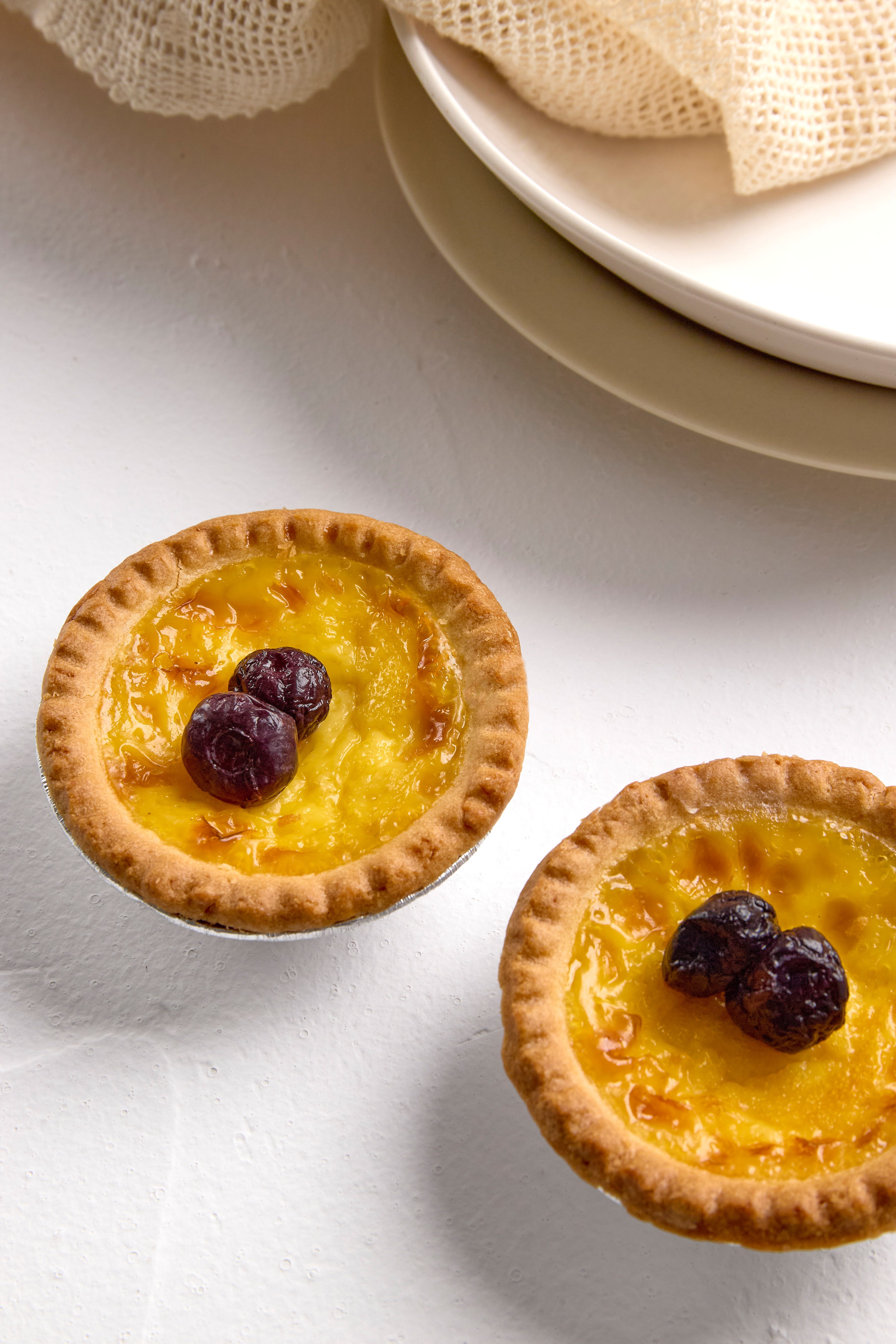
One reason butter tarts inspire such devotion is that they invite disagreement. Ask a group of Canadians what makes a proper butter tart and the discussion quickly becomes passionate. The central divide is texture: should the filling be runny and oozy, or set and sliceable? Both camps insist theirs is the authentic standard.
The raisin question is equally contentious. For some bakers, raisins are essential because they add chew, sweetness, and historical continuity with older pantry baking traditions. For others, raisins interfere with the pure caramel-butter character of the filling. Pecans or walnuts appear in some versions too, although those additions can trigger another round of regional and generational debate.
These disagreements have helped the dessert stay culturally alive. Foods endure when people care enough to defend their version, and the butter tart has become a rare example of a baked good that functions almost like sports loyalty. Ontario bakeries regularly market their tarts according to texture and add-ins because they know customers have strong preferences. The argument is part of the appeal. In a country often stereotyped as polite and restrained, the butter tart offers a surprisingly lively arena for identity and opinion.
How Ontario turned butter tarts into a tourism engine
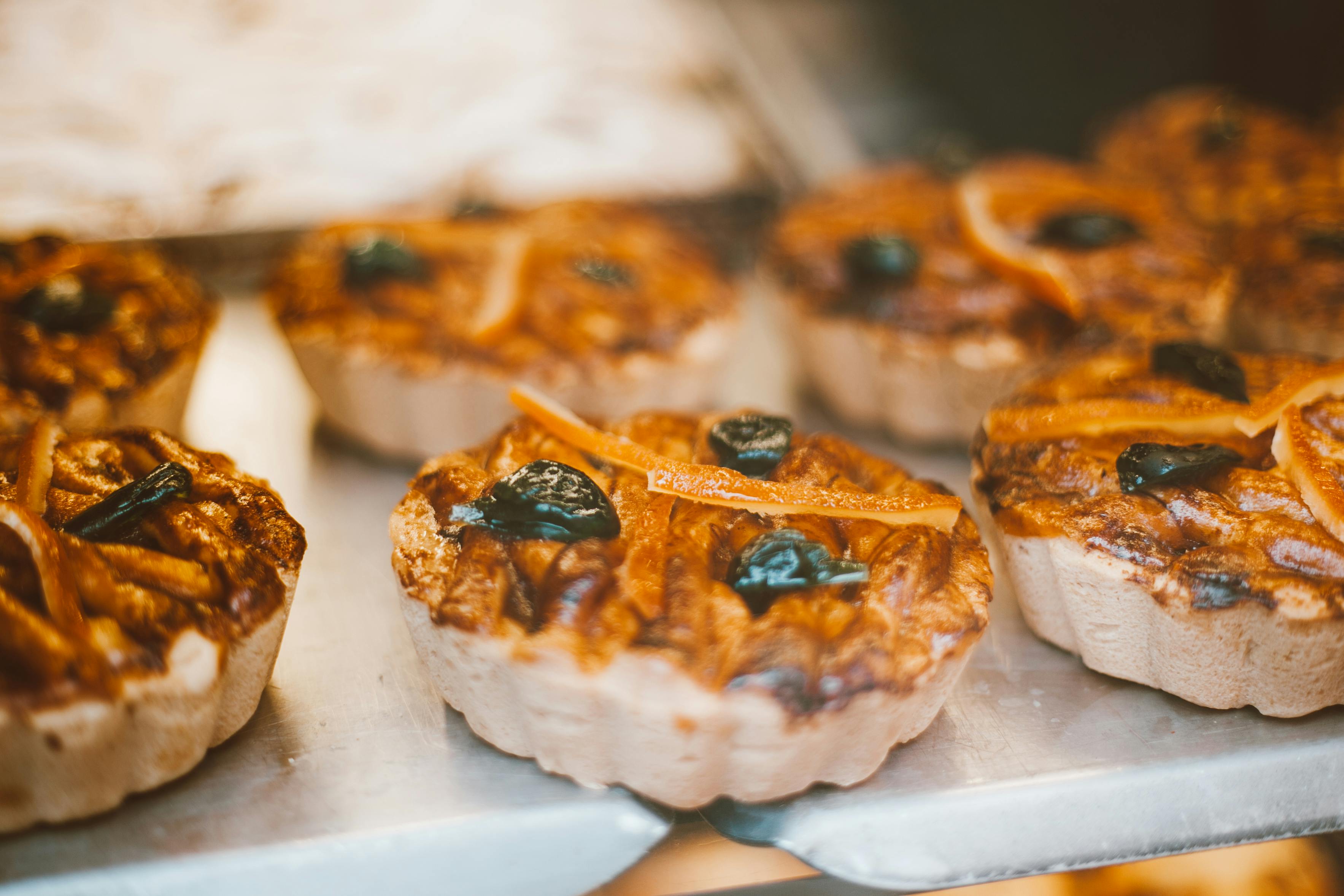
What truly pushed the butter tart beyond the home kitchen was Ontario's willingness to celebrate it publicly. Over time, local bakeries, fairs, and food trails transformed the dessert from a family recipe into a destination product. The best-known example is the Butter Tart Tour in Ontario's Kawarthas Northumberland region, which encourages travelers to visit bakeries, cafés, and markets famous for their own signature versions.
Festivals have amplified that appeal. Events such as Midland's butter tart festival have drawn large crowds, turning a small pastry into the centerpiece of a full-scale community attraction. Vendors compete on flavor, size, and creativity, while attendees treat tasting as both recreation and civic ritual. That kind of turnout shows how effectively local food can support regional branding and small business visibility.
The tourism angle works because butter tarts balance familiarity with variation. Visitors know roughly what they are getting, but each stop promises a slightly different crust, filling texture, or sweetness level. That makes comparison part of the fun. In practical terms, it also helps rural and small-town businesses create a recognizable culinary hook in a competitive travel economy.
A symbol of nostalgia, memory, and home baking

The emotional power of the butter tart may be the strongest reason for its staying power. For many Canadians, it evokes grandparents' kitchens, holiday trays, community suppers, and bake sales where homemade desserts carried social meaning. Unlike highly commercial sweets, butter tarts still feel closely tied to personal labor and family tradition, even when purchased from a bakery.
Psychologists who study food memory often note that smell, texture, and sweetness can trigger unusually vivid recollections. Butter tarts do all three. The scent of baked sugar and butter, the flaky crust, and the sticky filling create a sensory experience closely linked to comfort and occasion. That makes the dessert especially durable in public memory, because it is not just eaten. It is remembered.
Its symbolism has also deepened as Canada has become more attentive to regional food identity. In a multicultural country with many culinary influences, the butter tart remains one of the few desserts widely treated as distinctly Canadian. That does not mean it emerged in isolation. It means Canadians adopted it, preserved it, and invested it with meaning until it became part of the country's shared cultural vocabulary.
Why the obsession still shows no sign of fading
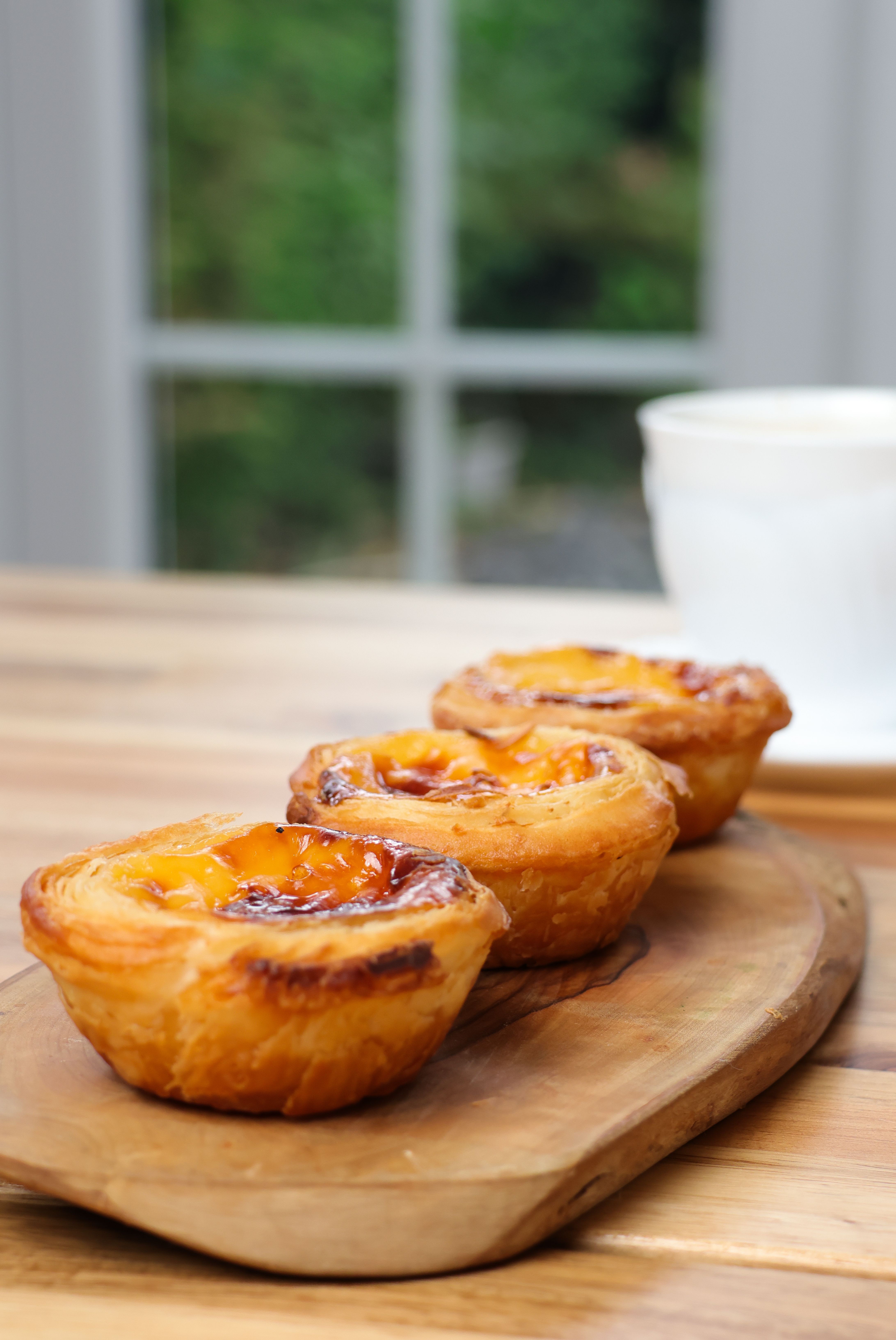
Modern food culture tends to cycle rapidly, yet the butter tart has avoided becoming a mere retro curiosity. Part of the reason is adaptability. Bakers now produce versions flavored with maple, bacon, sea salt, bourbon, chocolate, or espresso, allowing the classic form to enter contemporary pastry culture without losing its recognizable core. Innovation keeps it relevant while tradition keeps it credible.
There is also a broader appetite for foods that feel local and rooted. As consumers pay more attention to provenance and craft, butter tarts benefit from being closely associated with independent bakeries and homemade skill. A mass-produced tart may sell, but the real prestige still belongs to the flaky, imperfect, deeply caramelized version that looks as though it came from someone's own oven.
In the end, Canada's butter tart obsession is not really surprising at all. The dessert sits at the meeting point of thrift, taste, memory, and regional pride. It is easy to make, difficult to perfect, and endlessly debatable once served. That combination gives it rare staying power. In one small tart, Canadians found not only a favorite dessert, but a delicious way to express who they are.




Leave a Reply