
Most shoppers believe they choose freely. In reality, the shelf often makes the first decision for them.
Why shelf placement matters more than most people think

A supermarket shelf is a selling tool long before it is simple storage. Retailers and brands know that the exact position of a product changes how often it is seen, picked up, and purchased. Industry studies have long shown that eye-level products tend to outsell those placed near the floor or above reach, even when price and quality are similar.
That advantage is not accidental. Premium brands often pay for better placement, while store brands may be positioned beside leading products to capture comparison shoppers. According to trade reporting across grocery retail, even a small move from a lower shelf to eye level can deliver a noticeable lift in sales.
The shelf also works on tired, hurried shoppers. Most buying decisions in grocery stores are made quickly, especially in familiar categories like cereal, pasta, snacks, and drinks. When people are moving fast, visibility becomes influence.
The science of eye level, reach, and movement
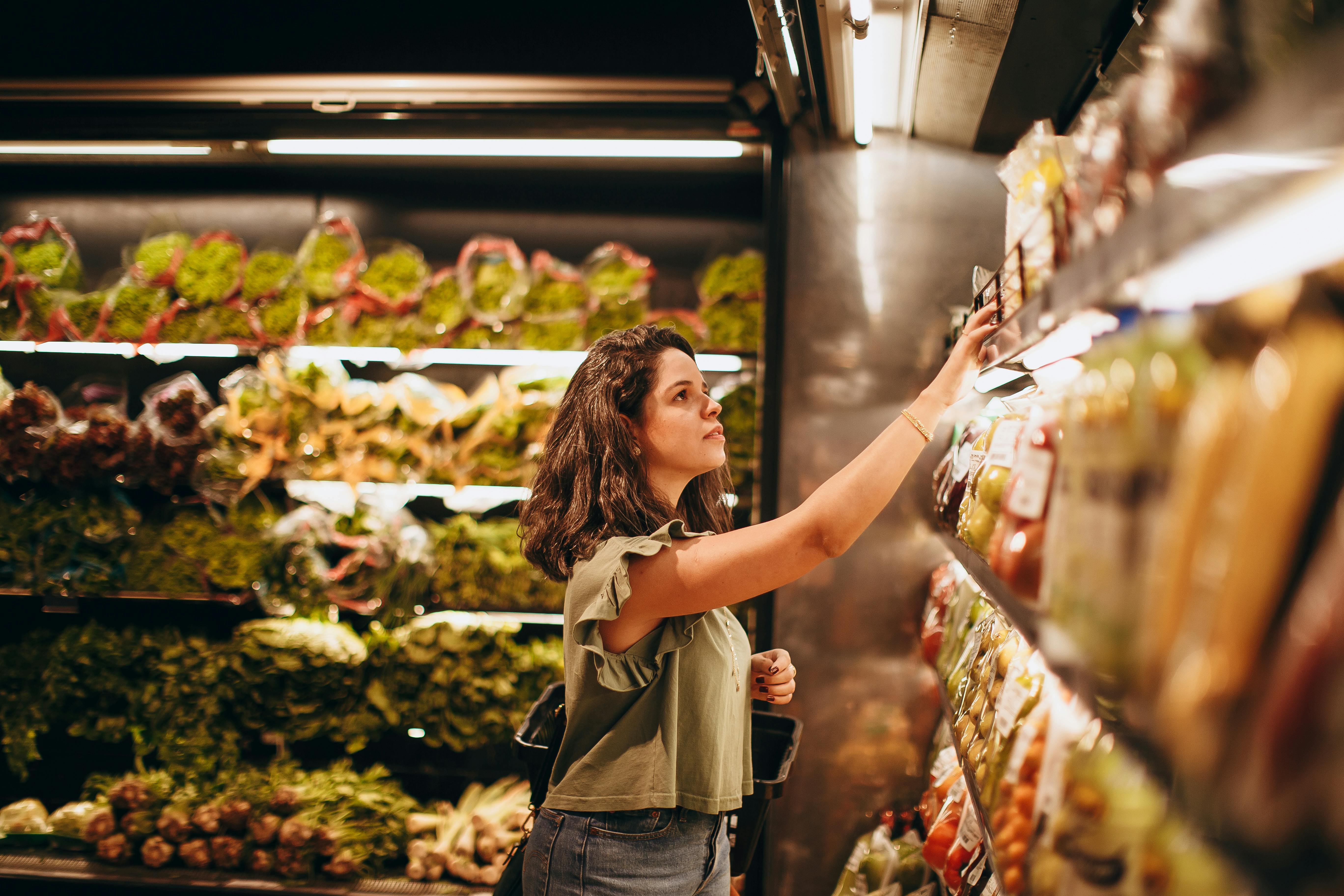
The famous retail saying, "eye level is buy level," remains true because it reflects how people move through space. Shoppers scan shelves horizontally first, often focusing on the middle band where their eyes naturally land. That makes the center shelves prime real estate for products retailers most want to sell.
Children's products use a different version of the same logic. Sugary cereals, snack packs, and brightly colored treats are frequently placed lower, where younger shoppers can spot them easily from a cart or aisle. Consumer advocates have criticized this tactic for years because it turns shelf design into a form of silent targeting.
Movement through the store matters too. Endcaps, aisle entrances, and the right-hand side of aisles often receive extra attention because they catch shoppers at decision points. Retail planners study these patterns closely and build shelf maps around them.
Planograms: the hidden blueprint behind your choices
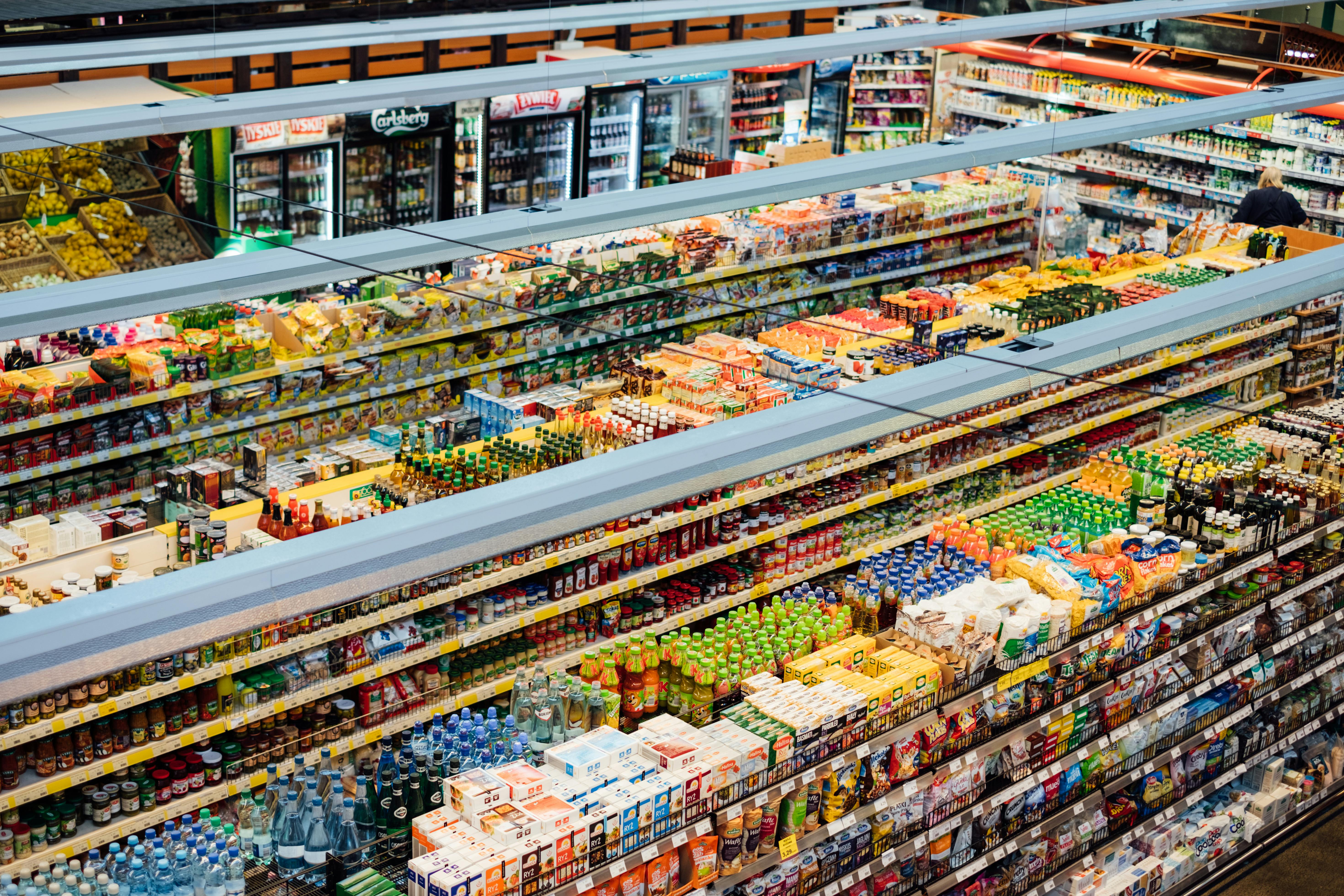
Behind nearly every large supermarket display is a planogram, a detailed diagram that dictates where each product should sit. It specifies shelf height, number of facings, spacing, and even how many units must be visible at once. What looks natural to shoppers is usually highly engineered.
Planograms are built using sales history, profit margins, shopper behavior, and supplier agreements. If a certain yogurt flavor sells best in the second position from the left, that insight may be repeated chain-wide. If a high-margin snack performs better near checkout, it may stay there for months.
Retailers also use planograms to reduce friction. Related products are grouped so shoppers can find them faster, but that convenience can also encourage extra purchases. Pasta near sauce, chips near dip, and taco shells near seasoning all turn one planned item into three.
How pricing labels and package design steer attention

The shelf tag is another quiet persuader. Bright sale labels, loyalty prices, multi-buy offers, and larger font sizes can make one product feel more urgent or valuable than the one next to it. Behavioral researchers have found that shoppers often respond to the appearance of savings, not just the actual amount saved.
Packaging does similar work. Bold colors, clean fonts, health cues, and transparent windows can signal freshness, indulgence, or trust in a split second. A package that says "protein," "natural," or "family size" may attract a buyer before they compare ingredients or price per unit.
Together, packaging and shelf labels create a fast decision environment. The shopper feels informed, but many judgments are formed before deeper thinking begins. That is why brands invest heavily in design that performs well from a few feet away.
Data now shapes the shelf more than instinct does
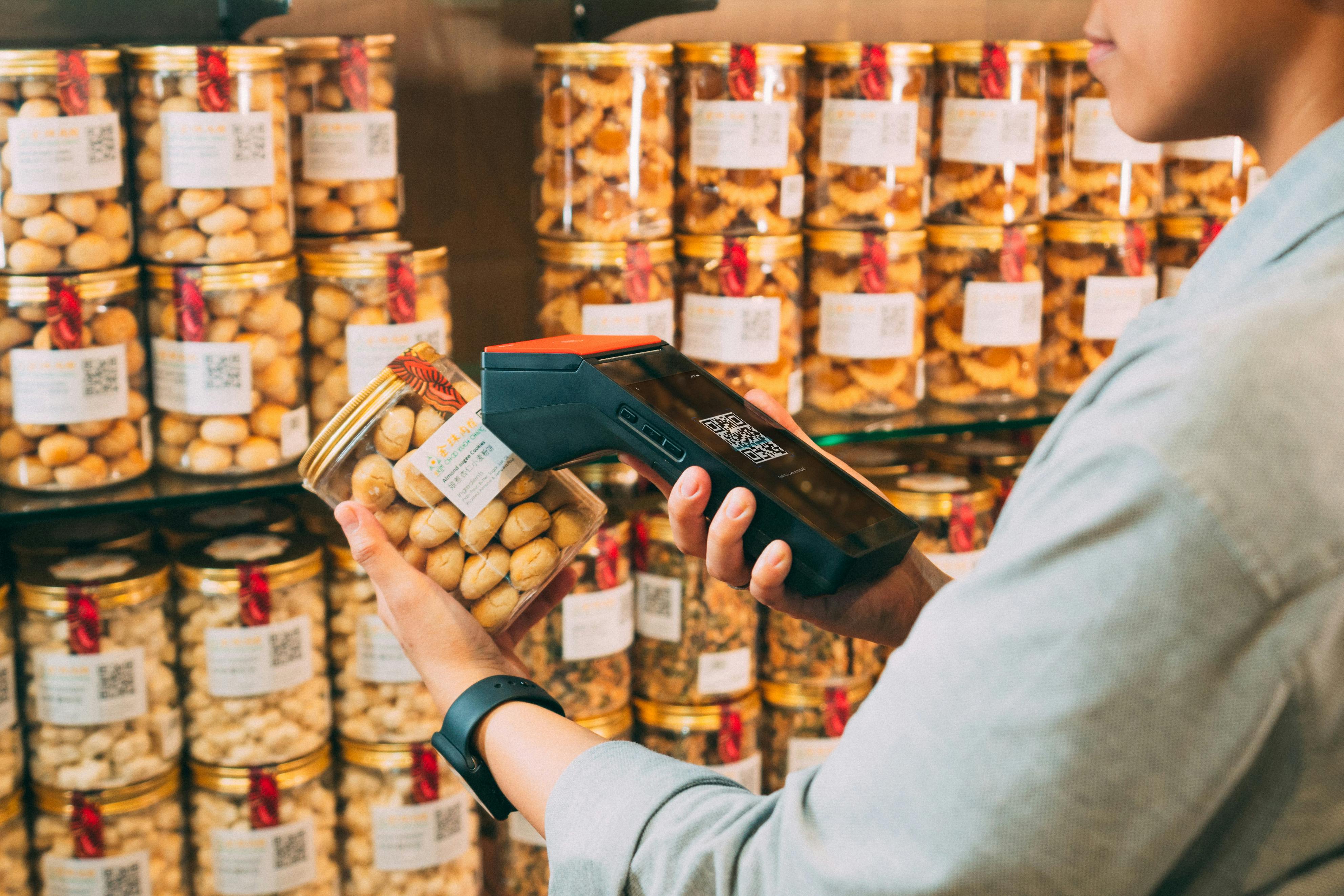
Modern shelf strategy is increasingly driven by data, not just merchant experience. Supermarkets analyze scanner data, loyalty card records, seasonal demand, and local demographics to determine what each store should stock and where products should sit. One neighborhood may get more international sauces, another more value packs and private-label staples.
Suppliers bring their own data to the negotiation. Large consumer goods companies often show retailers category research proving that a certain arrangement can lift total sales, not just their brand. That shifts shelf space into a measurable financial asset.
Digital shelf labels and smart cameras are pushing this even further. Some stores can now test prices, track out-of-stocks faster, and measure how displays affect shopper behavior in near real time. The shelf is becoming a live experiment.
What shoppers can do to make more deliberate choices
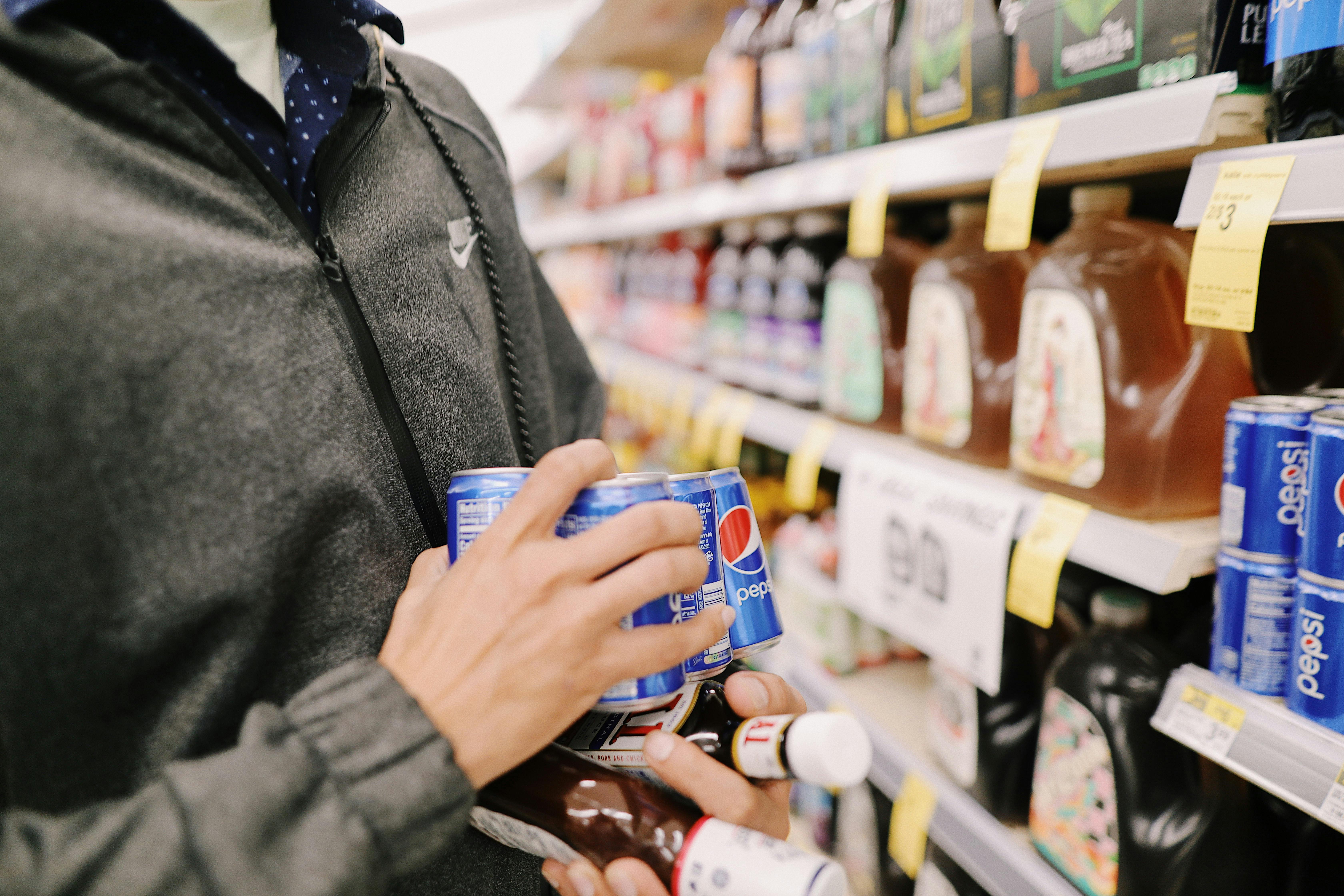
The good news is that shelf influence is powerful, but not unbeatable. Shoppers who look beyond eye level, compare unit prices, and pause before reacting to sale tags often make better decisions. A cheaper or better-quality option is frequently just one shelf above or below the most visible item.
Shopping with a list also helps because it reduces exposure to impulse cues. So does avoiding hunger, which research consistently links to more reactive buying, especially in snack and convenience categories. Even taking a few extra seconds can weaken the shelf's first impression.
The most important step is awareness. Once you understand that shelf design is built to guide attention, you start seeing the store differently. What looked like a neutral display becomes what it really is: a carefully arranged argument about what should go home with you.


Leave a Reply