
Food prices remain one of the most personal economic pressures in Canada. For many households, the checkout line feels less like inflation and more like something far more deliberate.
Why public suspicion has hardened
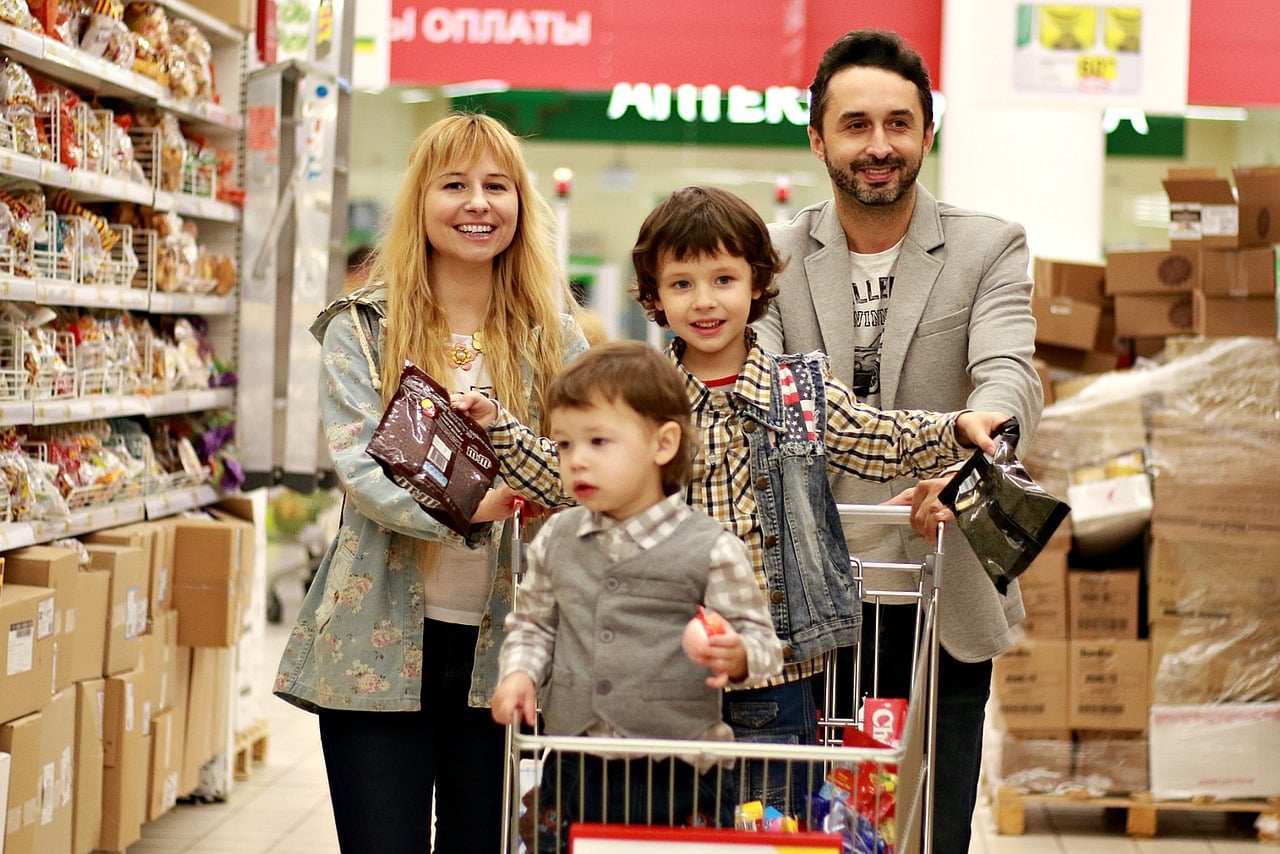
Sticker shock has lasted longer than many shoppers expected. Even as headline inflation cooled from its peak, many grocery bills stayed painfully high, especially for basics like meat, dairy, fresh produce, and pantry staples. That disconnect has helped convince a significant group of Canadians that ordinary inflation does not fully explain what they see every week.
Surveys have repeatedly shown a trust problem between consumers and the grocery sector. When roughly 30% of Canadians say price gouging is the real reason behind high food costs, they are responding to lived experience, not just political rhetoric. They have watched temporary price spikes become a new normal and have seen fewer signs of relief than economists first projected.
Public frustration has also been sharpened by market concentration. A small number of large chains dominate Canadian grocery retail, which makes it easier for consumers to believe prices rise in lockstep. When shoppers feel they have limited alternatives, any sharp increase looks less like a market response and more like coordinated pricing power.
What inflation explains, and what it does not
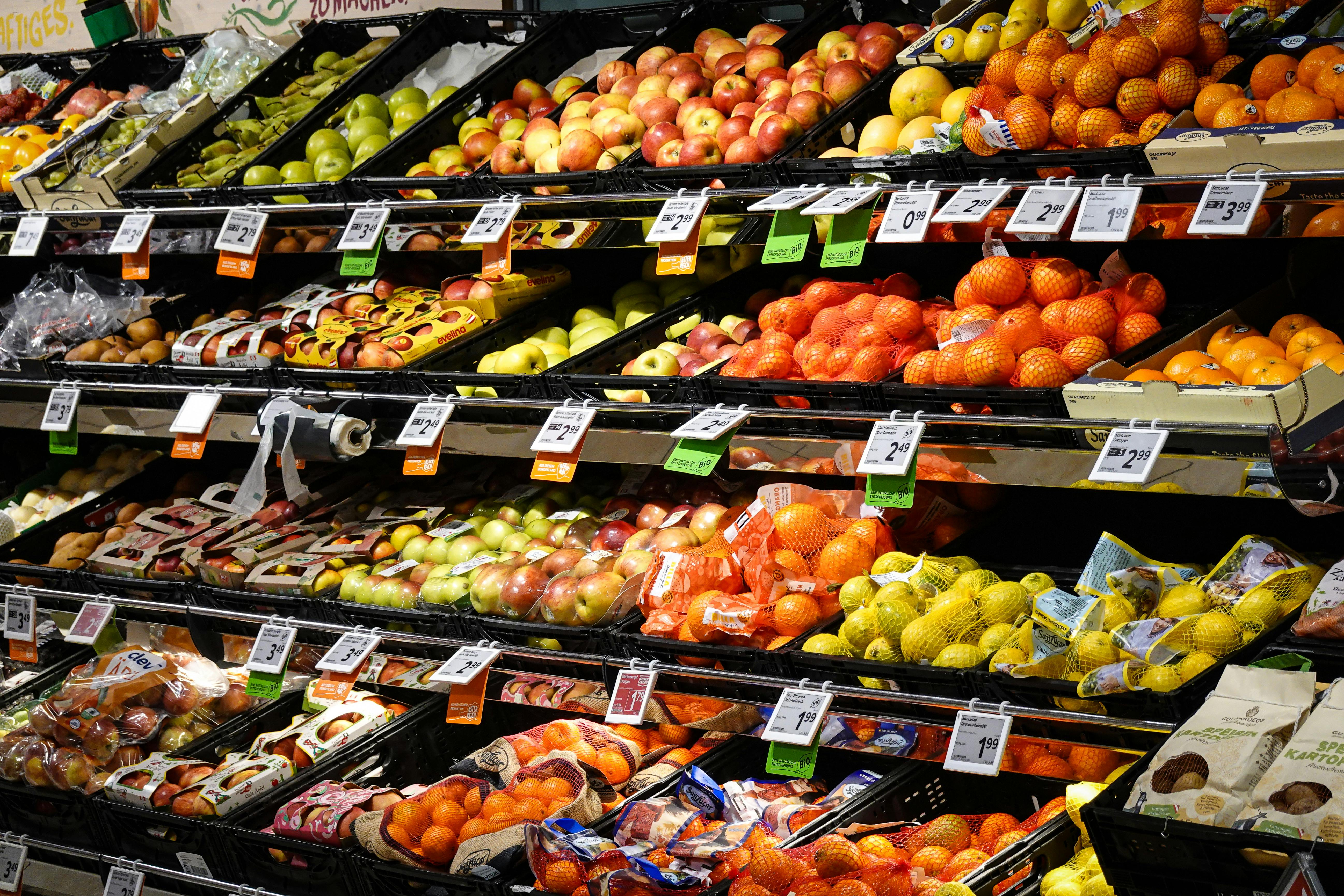
Inflation did play a real role in pushing food prices higher. Energy, transportation, packaging, labour, fertilizer, and borrowing costs all rose sharply after the pandemic, while global disruptions hit supply chains and agricultural output. Those pressures moved through the food system and made everything from bread to baby formula more expensive.
Still, inflation is a broad explanation, and consumers often want a more precise one. If fuel costs moderate, shipping stabilizes, and central inflation readings cool, people reasonably ask why cereal, cheese, and chicken remain so expensive. That gap between macroeconomic theory and checkout reality is where accusations of gouging gain traction.
Another issue is price asymmetry. Businesses often raise prices quickly when costs rise, but lower them slowly when costs ease. Economists sometimes call this sticky pricing, yet to the average shopper it can look like opportunism. The distinction matters academically, but emotionally and politically, many consumers see little difference.
The role of grocery giants and profit scrutiny
Attention often turns to the country's dominant grocers, including Loblaw, Sobeys, Metro, Costco, and Walmart Canada. Large retailers argue that net grocery margins are traditionally thin and that they are not pocketing extraordinary profits on food alone. Executives have repeatedly said they are passing through supplier costs rather than engineering unjustified markups.
Critics respond that margins tell only part of the story. Strong overall earnings, shareholder returns, and executive compensation can create the impression that companies are thriving while families cut back on essentials. Even if food margins are narrow on paper, consumers often believe corporate scale allows chains to protect profitability in ways smaller competitors cannot.
Parliamentary hearings and public debate have amplified that tension. When top grocery executives are called to explain prices, the mere fact of that scrutiny reinforces public suspicion. It suggests there is enough smoke around the issue to justify asking whether competitive pressures in Canada are strong enough to discipline pricing.
Why food affordability feels worse than the data suggests

Grocery inflation hits differently because it is relentless and visible. Rent or insurance may rise once a year, but food prices are encountered several times a week, making every increase feel immediate. Households do not need a statistical release to know something has changed when familiar items keep shrinking in size or jumping in price.
There is also a behavioural dimension. Consumers compare grocery prices to memory with unusual precision, especially for eggs, milk, bread, and produce. If a staple that once cost $3 now sits near $5, that memory becomes a benchmark, and any corporate explanation is measured against it.
The burden is heaviest on lower-income households, seniors, students, and families with children. These groups spend a larger share of their income on food, so sustained increases feel harsher and less negotiable. Trading down to store brands or skipping discretionary items only goes so far when essentials themselves remain elevated.
Competition, supply chains, and other hidden pressures

Price gouging is not the only possible explanation for stubbornly high food costs. Canada's geography, transportation distances, climate limits, and dependence on imports for many products all add structural expense. Extreme weather, crop disease, geopolitical disruptions, and currency weakness can also raise costs long after the initial inflation shock fades.
Supplier concentration matters too. Food manufacturers, processors, and global commodity traders have pricing power of their own, and retailers are only one link in a longer chain. If costs are pushed up before products reach store shelves, grocers may preserve higher prices even without classic gouging.
At the same time, weak competition can magnify every upstream problem. In a tightly concentrated market, temporary cost increases may become lasting retail norms because fewer players are fighting aggressively for customer loyalty. That is why affordability debates increasingly focus not just on inflation, but on market structure.
What Canadians want to see next

Consumers are asking for proof, not slogans. They want clearer pricing transparency, stronger competition oversight, and better explanations of how costs move from farms and factories to shelves. Many also want governments to examine whether the existing grocery code of conduct, competition rules, and merger oversight are truly protecting the public.
Some policy options are already part of the conversation. These include encouraging new entrants, supporting independent grocers, strengthening price monitoring, and improving food supply resilience. None offers a quick fix, but together they could reduce the sense that a handful of companies have too much influence over a basic necessity.
The belief that gouging is behind high food prices may not capture the full economic picture, but it reveals something just as important: confidence has broken down. Until Canadians see prices stabilize in a credible way, suspicion toward the grocery industry is likely to remain a defining part of the food affordability debate.




Leave a Reply