
Hunger is no longer a distant crisis affecting only the poorest countries. It is a global stress signal, touching households from drought-hit villages to inflation-weary cities.
What the new UN figures actually show

The headline number is striking: about 2.1 billion people worldwide faced moderate or severe food insecurity last year, according to the latest UN assessment. That means millions of households were uncertain about where their next meal would come from, or had to reduce the quality or quantity of food they ate.
The figure is lower than the pandemic-era spike recorded in 2020, when lockdowns, job losses, and broken supply chains pushed many families into crisis. Even so, the decline should not be mistaken for a return to normal, because the total remains far above pre-pandemic patterns in many parts of the world.
UN agencies use food insecurity to measure more than outright starvation. Moderate food insecurity often means skipping nutritious foods, buying cheaper staples, or eating less regularly. Severe food insecurity points to running out of food entirely, going a day or more without eating, or relying on emergency assistance to survive.
Why the situation improved from the 2020 peak
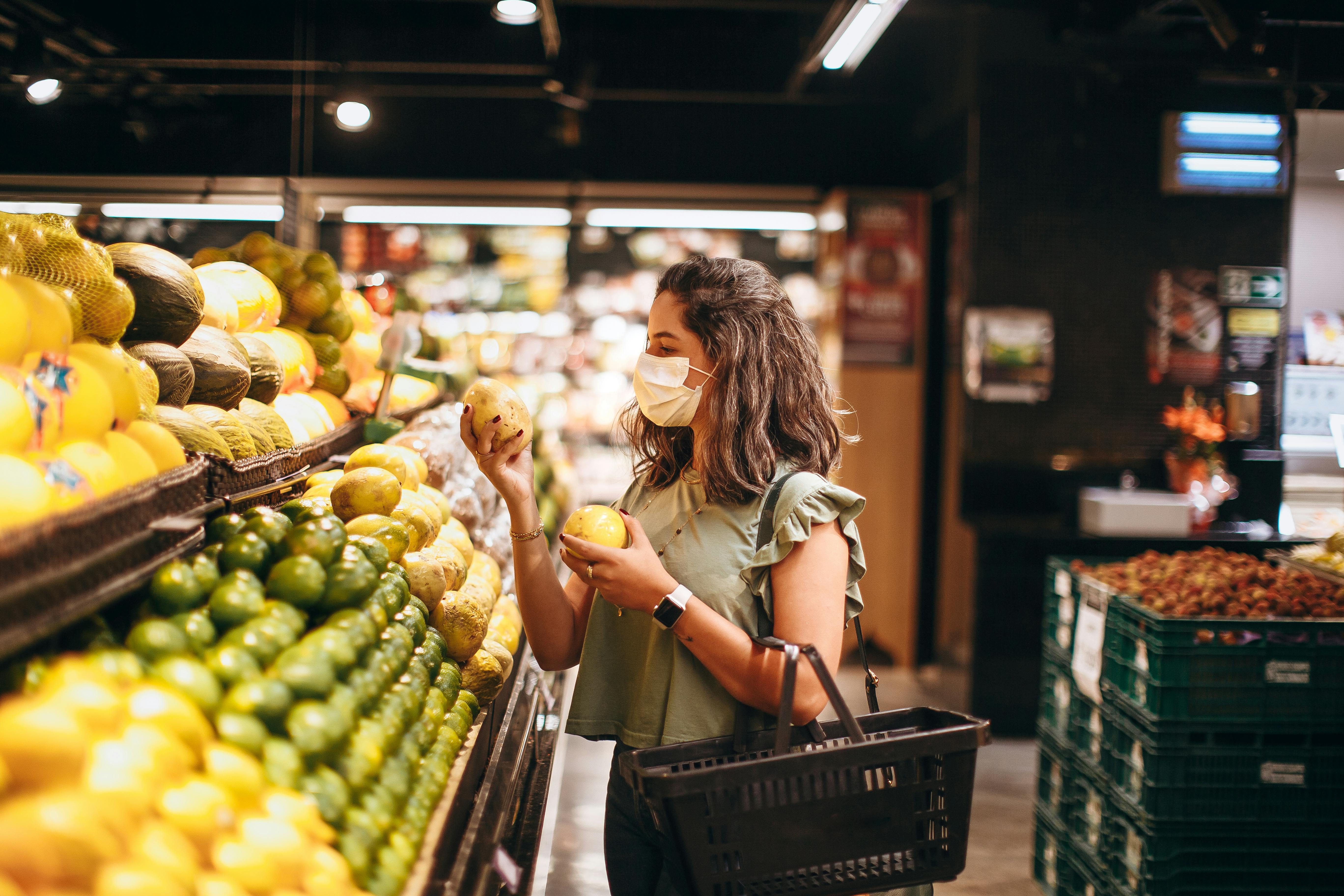
The easing since 2020 reflects a partial global recovery rather than a solved problem. As labor markets reopened and transport networks stabilized, many households regained some income and access to food markets, especially in middle-income economies where pandemic restrictions had heavily disrupted daily life.
Government action also mattered. Cash transfer programs, school meal support, food subsidies, and emergency imports helped soften the blow in countries able to finance such measures. In several regions, better harvests and lower shipping disruption improved food availability even when prices stayed high.
International agencies have also pointed to adaptation by families and local food systems. Farmers shifted planting decisions, traders found alternative supply routes, and communities leaned on informal support networks. These changes reduced the sharp shock seen in 2020, but they often came at a cost such as debt, asset sales, or lower diet quality.
Conflict remains one of the biggest drivers of hunger
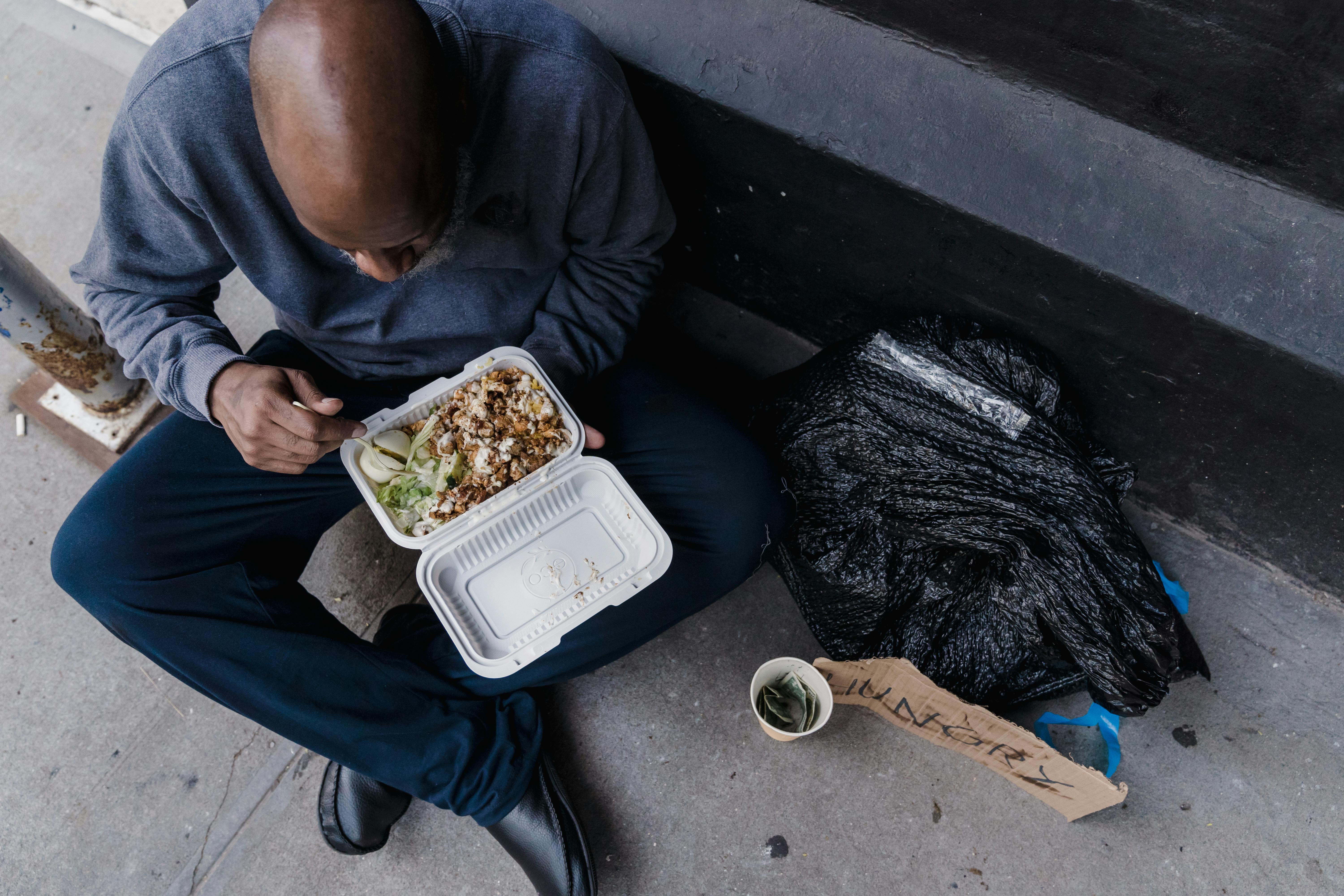
War is still one of the fastest ways to turn food stress into outright crisis. In countries affected by prolonged conflict, people are often cut off from farms, markets, fuel, jobs, and humanitarian aid, creating a chain reaction that drives up prices and reduces access to basic staples.
Places such as Sudan, Gaza, parts of the Sahel, and Yemen show how quickly food systems collapse when roads are blocked, infrastructure is damaged, and displacement spreads. Farmers may miss planting seasons, herders lose grazing land, and imported food becomes harder to move safely or affordably.
Conflict also scares away investment and weakens public institutions that normally stabilize supplies. Once that happens, hunger becomes more than a temporary shortage. It turns into a long emergency in which children face stunting, families migrate under pressure, and aid agencies struggle to keep pace with deepening need.
Climate and inflation are reshaping food risks

The modern hunger story is increasingly tied to weather extremes. Heat waves, droughts, floods, and erratic rainfall are reducing yields for crops such as maize, rice, and wheat, especially in regions where farmers depend on rain-fed agriculture and have limited irrigation or crop insurance.
At the same time, food inflation has changed the daily math for families everywhere. Even where supermarket shelves are full, households may no longer afford eggs, vegetables, dairy, or meat. That pushes people toward cheaper calories and less nutritious diets, a pattern seen from sub-Saharan Africa to parts of Latin America and Europe.
These pressures often overlap. A failed harvest can increase local prices, weaken rural incomes, and force governments to spend more on imports just as currency values fall. The result is a more fragile food environment in which one climate shock or price spike can erase years of progress.
The burden is unequal across regions and households

The global total hides major regional differences. Food insecurity remains much more widespread in Africa and in parts of Asia, Latin America, and the Caribbean, where poverty, debt pressure, weak infrastructure, and climate exposure combine to make food systems less resilient.
Within countries, women, rural workers, displaced people, and low-income urban families often face the highest risks. Women frequently eat last or less in times of scarcity, while informal workers can lose purchasing power quickly when prices rise faster than wages. Children suffer in especially lasting ways through poorer nutrition, health setbacks, and reduced learning.
Experts stress that food insecurity is not only about supply. It is also about access, stability, and dignity. A market may be operating, but if a family cannot afford nutritious food every week, insecurity persists even without famine headlines.
What governments and aid agencies need to do next

The clearest lesson from the UN report is that recovery is possible, but it is fragile. Policymakers need to move beyond emergency food deliveries alone and strengthen the systems that prevent hunger from escalating in the first place, including social protection, storage, transport, and local agricultural support.
That means investing in climate-resilient farming, conflict prevention, and targeted nutrition programs for children and pregnant women. It also means improving early warning systems so countries can respond to crop failure, price shocks, or displacement before conditions deteriorate into a full-scale crisis.
The number 2.1 billion is lower than the 2020 peak, but it is still a warning of how exposed the world remains. Until food is consistently affordable, available, and nutritious for all, any progress should be viewed as real but incomplete.




Leave a Reply