
A watery slow cooker stew usually comes down to one common error: adding too much liquid. This gallery explains why it happens and shows the small fixes that keep stews rich, thick and balanced.
Too much liquid at the start
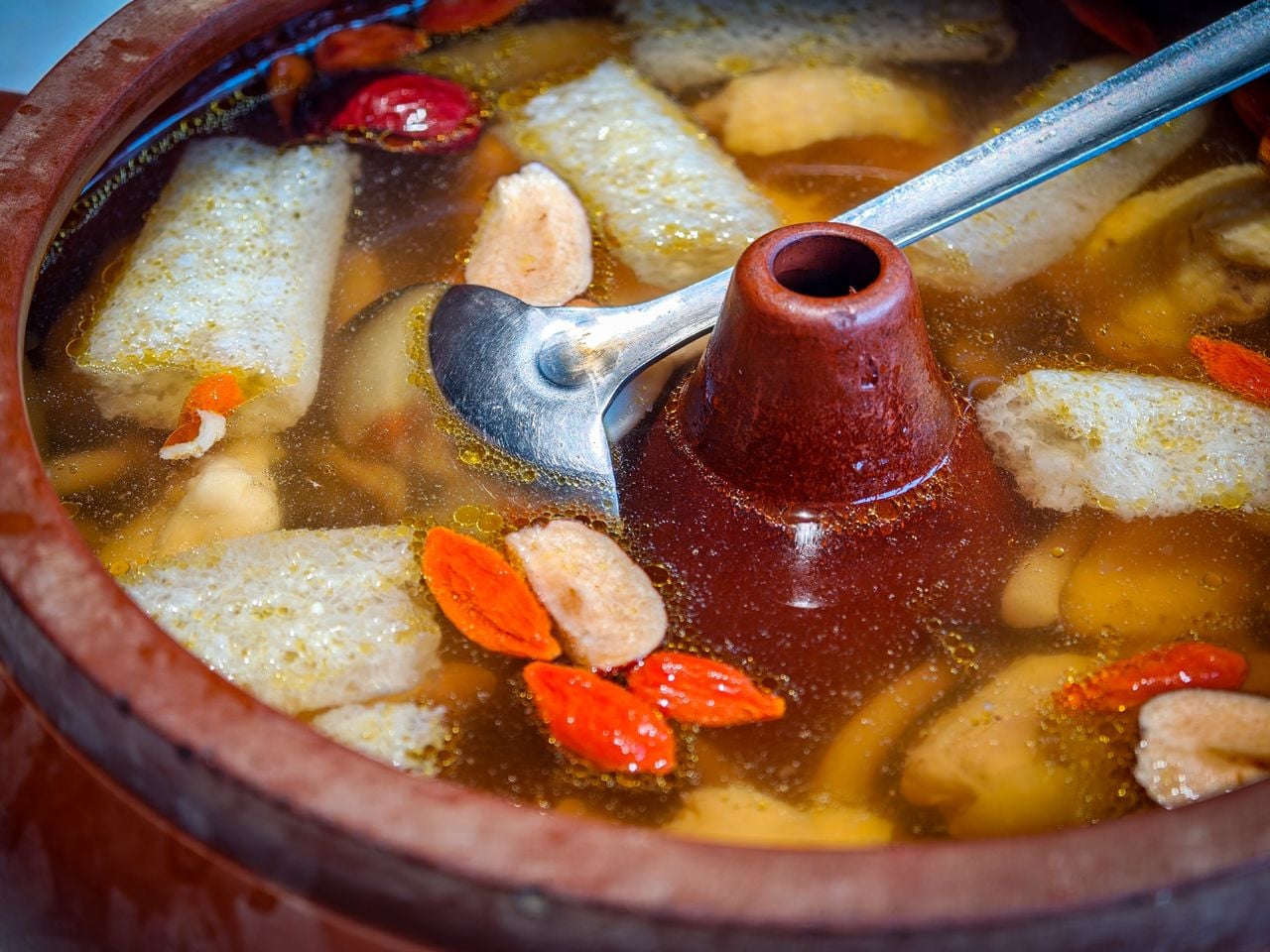
The most common reason slow cooker stew turns watery is simple: the pot gets too much liquid before cooking begins. Many people add stock or water as if they were making stew on the stovetop, where steam escapes and reduces the broth over time. A slow cooker works differently. Its lid traps moisture, so very little evaporates during a long cook. That means ingredients release juices, but the liquid does not cook off enough to concentrate. The result is a finished stew that tastes diluted and looks thinner than expected.
Why slow cookers hold onto moisture
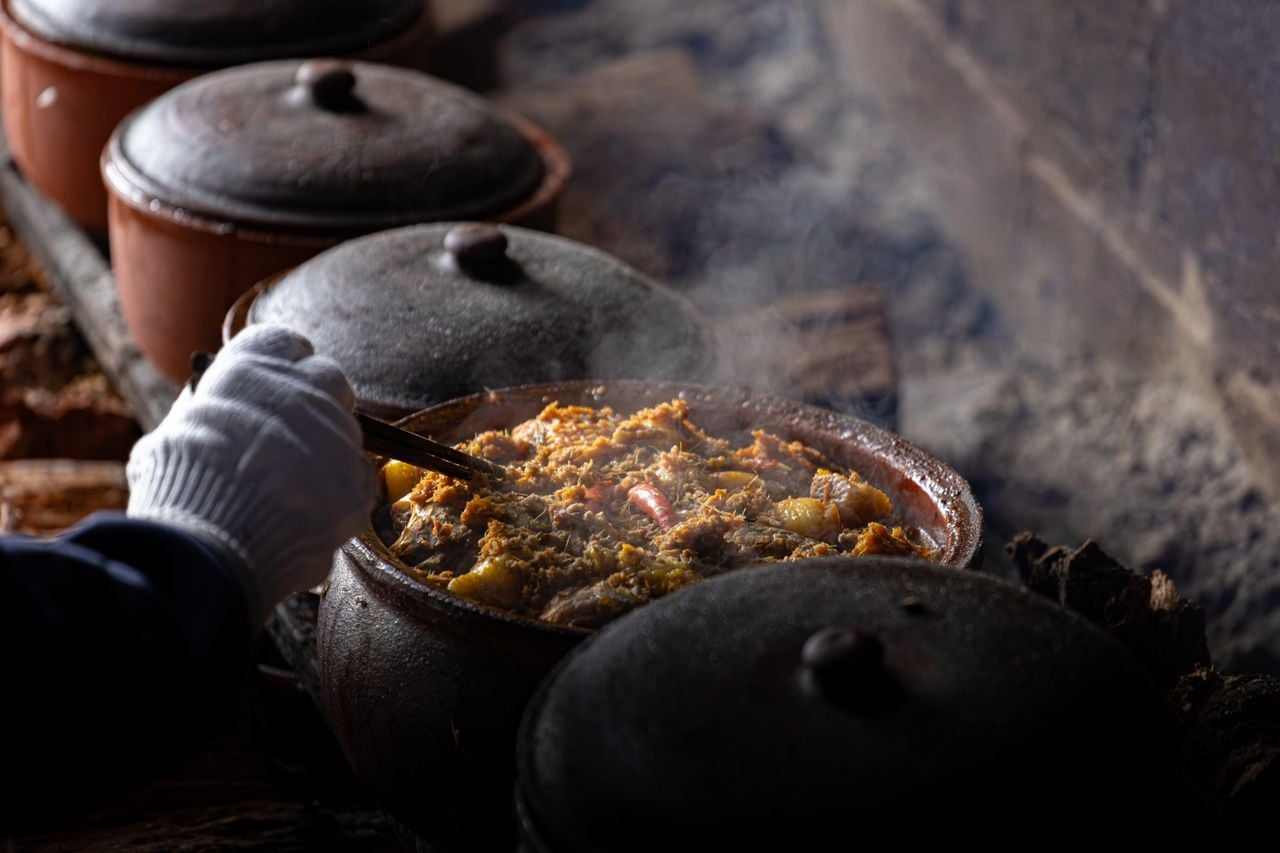
A slow cooker is designed to cook with steady, enclosed heat. That sealed environment is helpful for tender meat and hands-off cooking, but it also changes how liquid behaves compared with a Dutch oven or stockpot. As meat and vegetables heat up, they naturally give off water. In an uncovered or loosely covered pot, some of that moisture evaporates. In a slow cooker, most of it stays inside the crock and drips back into the food. If you start with a generous amount of broth, those released juices can push the stew from rich to soupy by the end.
Vegetables can thin the stew too
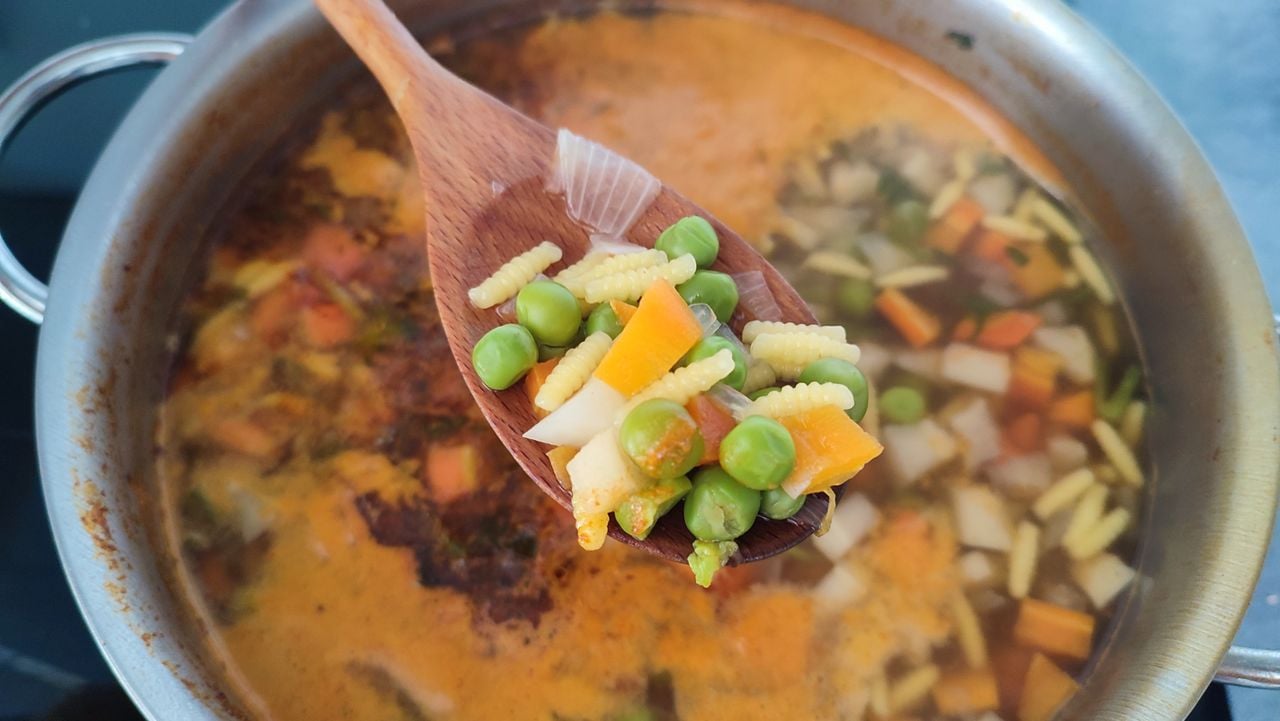
The liquid in watery stew does not come only from broth. Vegetables such as onions, mushrooms, celery and tomatoes release a surprising amount of water as they cook, especially over several hours. That matters because a recipe can seem measured correctly at the start and still end up too loose later. Frozen vegetables can add even more moisture as they thaw. If your slow cooker meals often finish thinner than expected, the fix may be to cut back added liquid first, then account for how much water your produce contributes during the long simmer.
Fill level affects texture
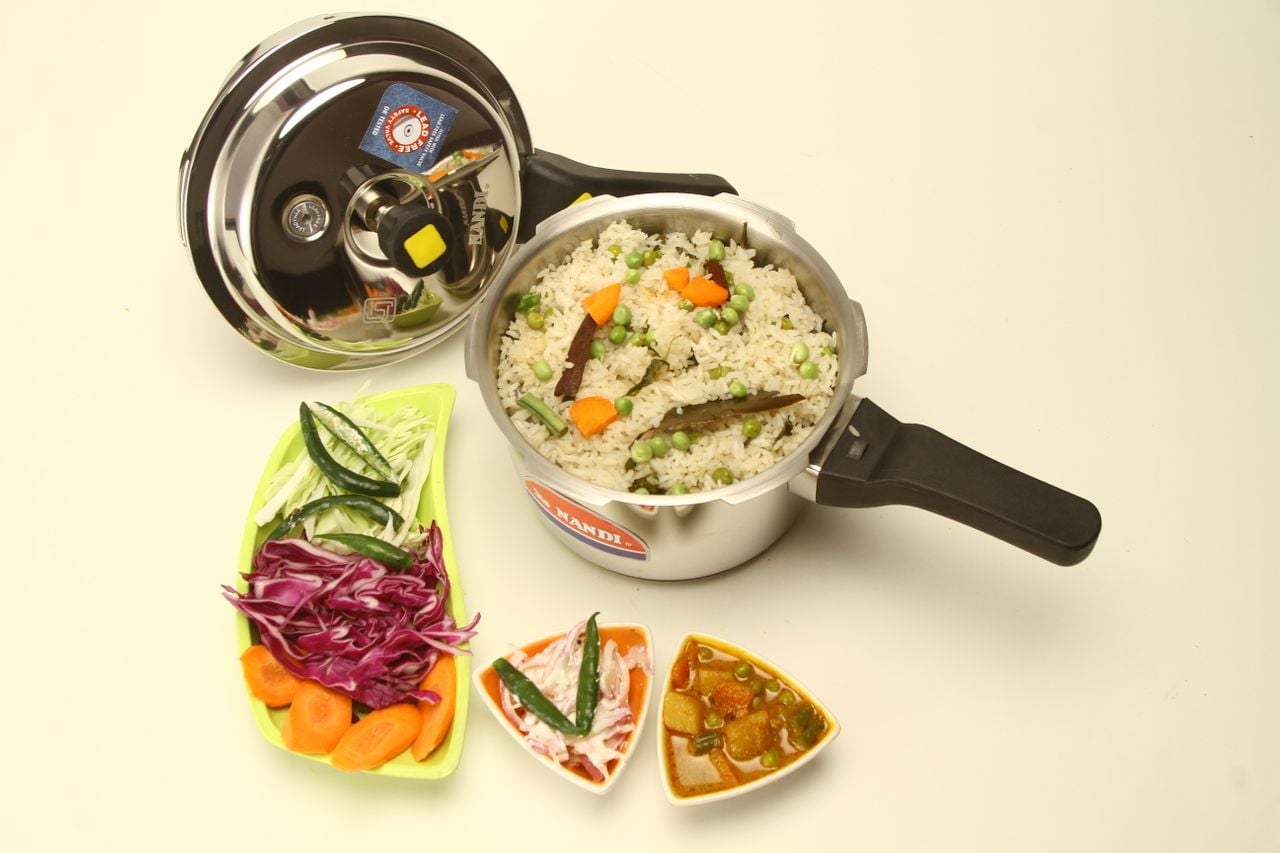
How full the slow cooker is can also change the final texture. A very full crock leaves even less room for evaporation and can create a more crowded, wetter cooking environment, especially when packed with high-moisture ingredients. A pot that is too empty brings its own problems, including uneven cooking. The sweet spot for many slow cooker recipes is a comfortably filled crock, not crammed to the top. When the cooker is overloaded and extra broth is added on top of that, the stew often finishes with plenty of liquid but less body and concentration.
Use less broth than you think
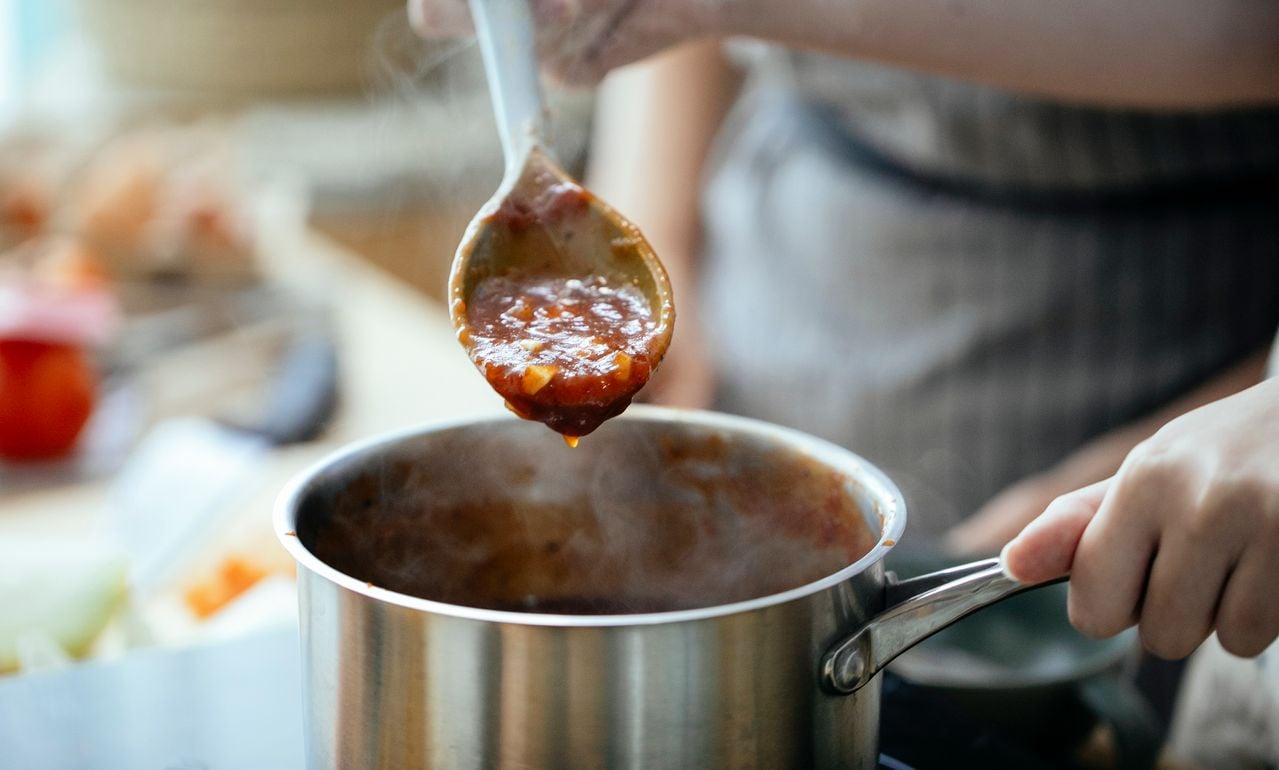
A better slow cooker habit is to start with less liquid than seems necessary. In many stews, you need enough broth to support cooking and flavor, but not enough to completely submerge every ingredient. Because moisture stays trapped, a modest amount often expands as the food cooks. This is one of the easiest adjustments to make if your stew always tastes thin. You can add a small splash of hot stock near the end if needed, but it is much harder to undo an overfilled pot once the ingredients have already released their juices.

Leave a Reply