
Few things sour a meal faster than arriving with a clear expectation and finding it has shifted. A sea-facing table is not just a seat for many diners. It is part of the experience they believed they booked.
What a reservation really promises
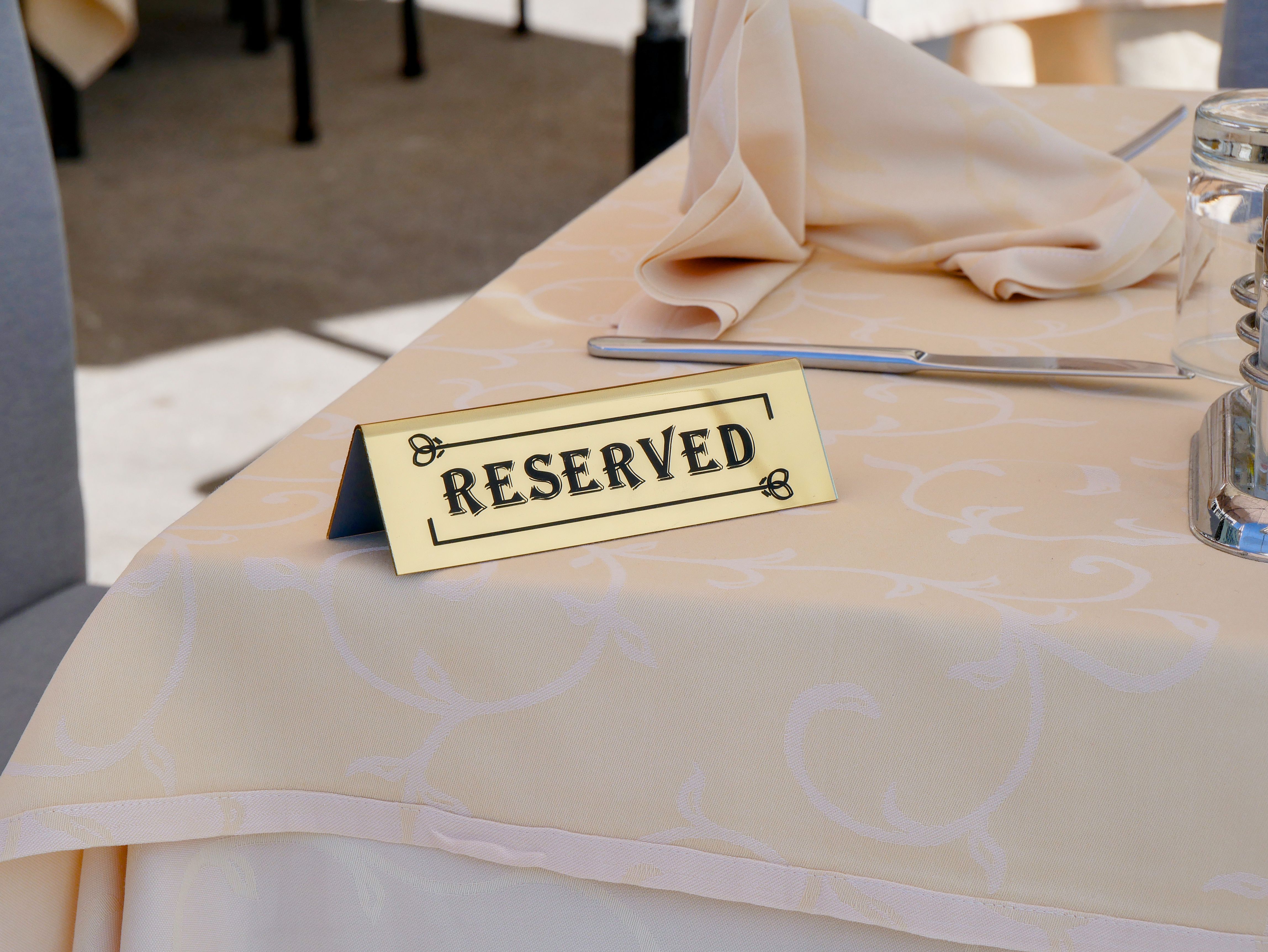
At the heart of this issue is a simple question: what exactly did the restaurant promise you? Many restaurants accept requests for specific tables, window seats, or sea-facing spots, but they do not always guarantee them. In practice, there is a major difference between a confirmed table assignment and a preference noted on a booking.
That distinction matters because reservation systems often use broad language. A booking confirmation may mention "sea view requested" rather than "table 12 confirmed." If the restaurant never explicitly guaranteed the exact table, it has more room to reassign seating without technically breaking its policy. That does not erase your disappointment, but it changes the strength of your complaint.
Still, if a staff member clearly promised a particular table, especially over the phone or in writing, your expectation was reasonable. Restaurants benefit from selling atmosphere as much as food. If they used the sea-facing setting to secure your booking, then changed it without warning, you were justified in questioning the decision.
Consumer expectations are shaped by how hospitality businesses market themselves. If a restaurant advertises sunset dining, waterfront romance, or premium views, guests naturally treat the view as part of the purchased experience. In those cases, seating is not a small detail. It can be central to why the customer chose that venue in the first place.
Why restaurants change seating plans

A dining room may look calm from the guest side, but seating plans are often fluid until the moment service begins. Restaurants juggle late arrivals, walk-ins, special events, accessibility needs, large parties, weather changes, and timing problems caused by guests who overstay. A table that seemed available earlier in the day may no longer be practical by evening.
There are also operational reasons that customers do not always see. A sea-facing table may be held for a larger booking, reassigned because of a broken chair, or moved out of rotation due to a leak, glare, heat, or staffing limits in a certain section. During busy periods, hosts may make quick decisions to keep service flowing rather than preserve every preference exactly as planned.
That does not automatically excuse poor handling. Good restaurants know that changes to premium seating can upset guests, particularly when the table was the main attraction. The strongest businesses train hosts to explain the reason clearly, acknowledge the disappointment, and offer alternatives where possible.
Industry practice generally recognizes that not all requests can be honored, but transparency is the key standard. If the restaurant knew in advance that your reserved sea-facing table would not be available and failed to tell you before arrival, the complaint becomes much more reasonable. The problem then is not only the seat change. It is the lack of honest communication.
When your complaint is clearly reasonable

A complaint is usually justified when the restaurant created a specific expectation and then failed to meet it without explanation. If you reserved well in advance, received confirmation of a sea-facing table, arrived on time, and were moved to a clearly inferior location, you had solid grounds to object. That is especially true for birthdays, anniversaries, proposals, or expensive tasting menus where ambience is part of the value.
It is also reasonable to complain if the restaurant charged differently for the view. Some venues attach minimum spends or premium pricing to terrace, waterfront, or first-row seating. If you paid more or chose a package built around that setting, then losing the promised table is not merely disappointing. It may amount to receiving less than what was sold.
Another fair basis for complaint is inconsistency. If you were told the table was unavailable but then watched later arrivals get similar or better sea-facing seats, frustration is understandable. Even if there was an internal reason, the appearance of unfairness damages trust quickly.
Your tone matters, but so does the restaurant's response. A polite complaint that asks for clarification is entirely appropriate. You are not being difficult simply because you expected the business to honor what it represented. In hospitality, respectful pushback is often the only way customers signal that service standards fell short.
When the complaint may be weaker

Not every seating change amounts to poor service. If your booking confirmation said the sea-facing table was a request only, and the restaurant seated you in the same general category of view, your complaint may be more about preference than broken commitment. In that case, disappointment is natural, but outrage would likely be disproportionate.
Timing also affects the fairness of the complaint. If you arrived late, changed the party size, brought extra guests, or asked to be seated earlier than planned, the original layout may no longer have been workable. Restaurants build seating charts around reservation times with tight turnover assumptions. Small changes can disrupt the entire arrangement.
Weather and safety are another factor. Outdoor sea-facing tables may become unusable because of wind, rain, salt spray, extreme heat, or maintenance issues. If the restaurant moved you for comfort or safety, and explained that clearly, most diners would see the change as reasonable rather than careless.
There is also a practical limit to what restaurants can control once service is underway. Guests sometimes linger at desirable tables far beyond expected turnover times. Unless the restaurant wants to rush them out and create a different conflict, the host may have few good options. In those moments, a complaint can still be voiced, but it should be tempered by the realities of live service.
How communication should have been handled
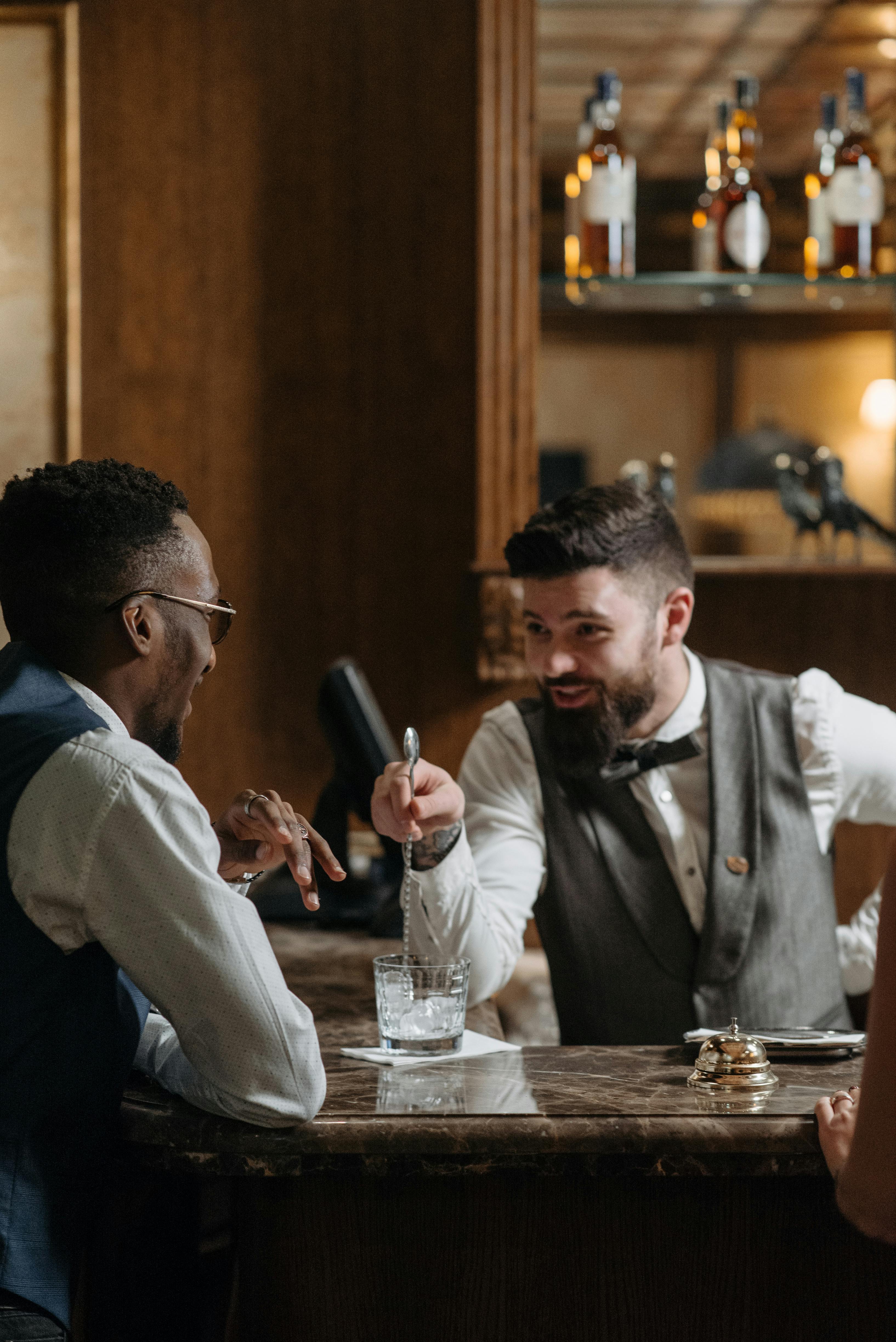
The best restaurants understand that bad news lands better when delivered early and directly. If your sea-facing table became unavailable, the ideal response would have been a call or message before you arrived. That small step gives the customer a chance to adjust expectations, rebook, or cancel, and it prevents an unpleasant surprise at the door.
At arrival, staff should explain the change plainly rather than hiding behind vague phrases like "this is what is available." A strong host might say that the reserved table was unexpectedly occupied longer, closed for maintenance, or reassigned due to accessibility needs. Specific explanations make people feel respected, even when the answer is not the one they wanted.
Good service recovery also includes options. The restaurant could offer the next-best view, a short wait for a better table, a complimentary drink, dessert, or in some cases a reduction tied to a premium seating charge. These gestures do not magically replace the original promise, but they show the business recognizes the value of what was lost.
For customers, the most effective response is calm and direct. Ask whether the original table was guaranteed, why it changed, and what can be done to make it right. That approach keeps the issue focused on facts rather than emotion, which usually leads to better results for everyone involved.
So, were you right to complain?
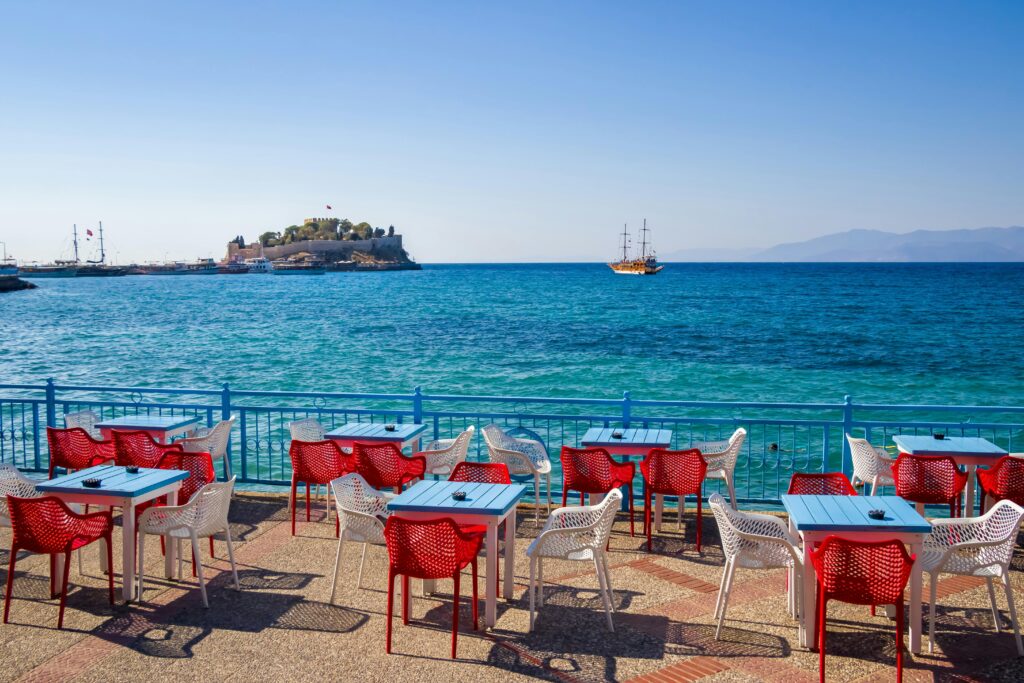
In many cases, yes, you were right to complain, particularly if the sea-facing table was clearly confirmed or heavily implied as part of the experience. A complaint is not the same as a scene. It is a reasonable request for the restaurant to explain why the delivered experience did not match the booked one.
The key test is whether your expectation was legitimate. If the restaurant guaranteed the table, marketed the view as a feature, or failed to warn you about a known change, then your complaint was well founded. If, however, the view was only a request and the restaurant acted transparently under difficult conditions, the better response may have been disappointment without escalation.
Hospitality depends on trust. Diners trust restaurants to be accurate about what they can provide, and restaurants trust diners to be flexible when genuine constraints arise. Complaints are most reasonable when that trust is broken through avoidable miscommunication or careless overpromising.
So the fairest answer is this: you were right to complain if you were challenging a broken promise, not merely expressing a wish. A sea-facing table can be a meaningful part of the meal. When a restaurant knows that and still changes it without honesty or effort to make amends, speaking up is entirely justified.




Leave a Reply