
Some restaurant brands feel national until you look at the map. Then one chain stands out as a strikingly regional success story.
A chain that feels huge until the country widens

Swiss Chalet has long been one of the most recognizable casual dining names in Canada, especially in Ontario and the Maritimes. In Atlantic Canada, it built the kind of familiarity that turns a restaurant into a habit, not just a place to eat. Families know the rotisserie chicken, the chalet sauce, the fries, and the dependable sit-down experience. That kind of routine matters in smaller markets where brand loyalty often runs deeper than trend chasing.
Yet the chain's presence weakens sharply once you move west of Quebec. In British Columbia, Alberta, Saskatchewan, and Manitoba, Swiss Chalet has had only a limited footprint or no meaningful one at all for long stretches. That imbalance surprises people because the brand has national name recognition through advertising and decades of cultural presence. Recognition, however, is not the same as restaurant density.
This contrast makes Swiss Chalet an unusually clear case study in Canadian regionalism. A chain can dominate one part of the country and remain marginal in another, even while operating under the same banner. Geography alone does not explain that. The real story lies in expansion timing, competition, consumer habits, and ownership strategy.
Why the Maritimes embraced it so completely

Atlantic Canada has historically rewarded chains that offer consistency, value, and a broad family appeal. Swiss Chalet arrived with a menu built around roast chicken dinners, sandwiches, ribs, and kids' meals, which gave it reach across generations. It was casual enough for a weeknight and familiar enough for birthdays, post-game dinners, and road-trip stops. In markets where dining options were once less crowded, that versatility mattered.
Its positioning also fit local preferences better than some flashier concepts. Swiss Chalet was not trying to be upscale, and it was not chasing food trends. It sold comfort and predictability, two things that often perform well in communities where repeat business is the lifeblood of restaurant survival. The chain's warm, wood-toned branding and straightforward menu added to that dependable image.
Another factor was scale. In the Maritimes, once a chain reaches a certain level of visibility, it can become self-reinforcing. People choose it because they know it, franchisees invest because traffic seems stable, and landlords welcome a proven tenant. That is how a restaurant stops being merely present and starts feeling embedded in the region.
The western provinces were never an easy match

Western Canada developed under different restaurant dynamics. Alberta and British Columbia, in particular, grew with stronger competition from steakhouses, family dining chains, local grill concepts, and later a much wider range of global cuisines. In those markets, Swiss Chalet's core identity was not as distinctive. Rotisserie chicken was appealing, but not necessarily compelling enough to anchor a large expansion.
There is also the matter of dining culture and urban growth. Western cities expanded rapidly, and restaurant competition intensified alongside suburban development and rising commercial rents. A chain needed either exceptional momentum or a clearly differentiated niche to secure lasting market share. Swiss Chalet had a solid product, but solid is not always enough in crowded, fast-changing regions.
Some western consumers also had other roast-chicken or comfort-food loyalties. Regional habits can be stubborn. Once diners are attached to local favorites, hotel dining, pub food, or different family chains, switching is not automatic. That helps explain why a brand can succeed spectacularly in one region without ever becoming essential in another.
Ownership decisions shaped the map more than diners realize

Swiss Chalet's footprint was not created by taste alone. Corporate strategy played a major role. The chain, now part of Recipe Unlimited, expanded over decades through a mix of company planning, franchise relationships, and selective market development. Restaurant chains rarely plant flags evenly across a country. They grow where operators, real estate, logistics, and expected returns line up at the same time.
That helps explain the heavier concentration in Central and Eastern Canada. Ontario was the brand's home base and natural power center, making nearby expansion simpler from both a supply and management standpoint. The Maritimes, though farther away, still fit within an eastern growth logic that linked brand awareness with manageable operating support. Western expansion required a bigger leap and stronger local conviction.
Closures also matter as much as openings. In several western markets, isolated locations never reached the density needed to build lasting brand habits. A handful of restaurants spread far apart cannot create the same regional pull as a visible cluster. Chains often look strongest where they are already thick on the ground, and weakest where they remain scattered experiments.
The menu stayed beloved, but the industry changed around it
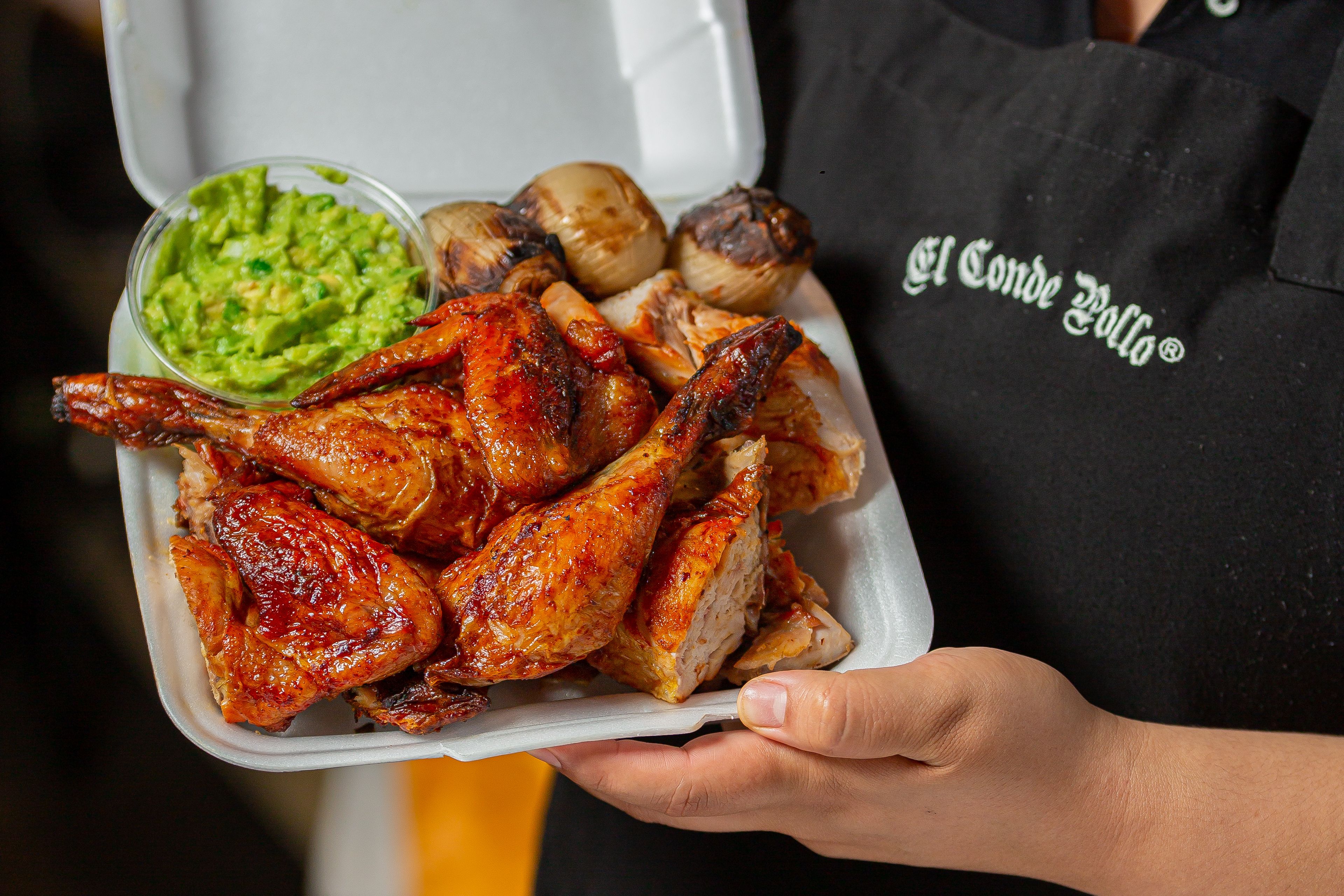
For many Canadians, Swiss Chalet's appeal is obvious. The chicken is reliable, the sauce is iconic, the portions are approachable, and the pricing has often landed in the middle ground between fast food and full-service dining. That formula worked especially well in the era when family dining chains were central to suburban life. It still resonates with customers who value familiarity over novelty.
But the broader restaurant business changed dramatically. Delivery apps, premium fast casual, independent takeout, and more adventurous everyday dining have chipped away at the space once dominated by traditional chains. Younger consumers often want speed, customization, or cuisine variety that older legacy concepts were not built around. Even a strong regional brand must adapt to remain relevant.
Swiss Chalet has adjusted through takeout, delivery, promotions, and brand partnerships, but adaptation is harder when your identity is deeply tied to a classic in-person meal. That challenge may be easier to manage in regions where nostalgia and routine are already powerful assets. In places where the brand never became a ritual, the case for expansion is much weaker.
What its uneven footprint says about Canada

The Swiss Chalet map is a reminder that Canada is not one restaurant market. It is a collection of regional markets shaped by settlement patterns, transportation links, franchise economics, and local taste. A chain that feels unavoidable in one province may be almost absent in another. That is not a contradiction. It is how the food business often works in a country this large.
In the Maritimes, Swiss Chalet became more than a restaurant logo. It became part of the dining landscape, trusted in the way regional staples are trusted. West of Quebec, it never built the same emotional or commercial density. Without that momentum, familiarity stayed shallow.
That divide is what makes the chain so interesting. Its story is not about failure in the West or simple popularity in the East. It is about how brands become local institutions, and how hard that status is to export once another region has already chosen its favorites.




Leave a Reply