
Stress can make a full stomach feel strangely irrelevant. What you want in those moments is not fuel, but relief.
Stress changes your brain before it changes your appetite

The first thing to understand is that stress eating often begins in the brain, not in the stomach. When you are under pressure, your body activates a survival response designed to help you deal with threats quickly. That response releases stress hormones such as cortisol and adrenaline, which change attention, mood, and decision-making in real time.
In the short term, adrenaline can briefly suppress appetite. But as stress continues, cortisol tends to linger, and that is where cravings often intensify. Research has shown that elevated cortisol is linked with a stronger desire for calorie-dense foods, especially items high in sugar and fat. These foods are not random choices. They deliver fast sensory reward and can temporarily quiet the discomfort stress creates.
Brain imaging studies have also found that stress can weaken activity in areas involved in self-control while strengthening reward pathways. In practical terms, that means a person may genuinely find chips, ice cream, or takeout harder to resist after a difficult meeting, an argument, or financial pressure. This is not a character flaw. It is a stress-shaped shift in how the brain weighs reward versus restraint.
Cravings are often about comfort, predictability, and memory
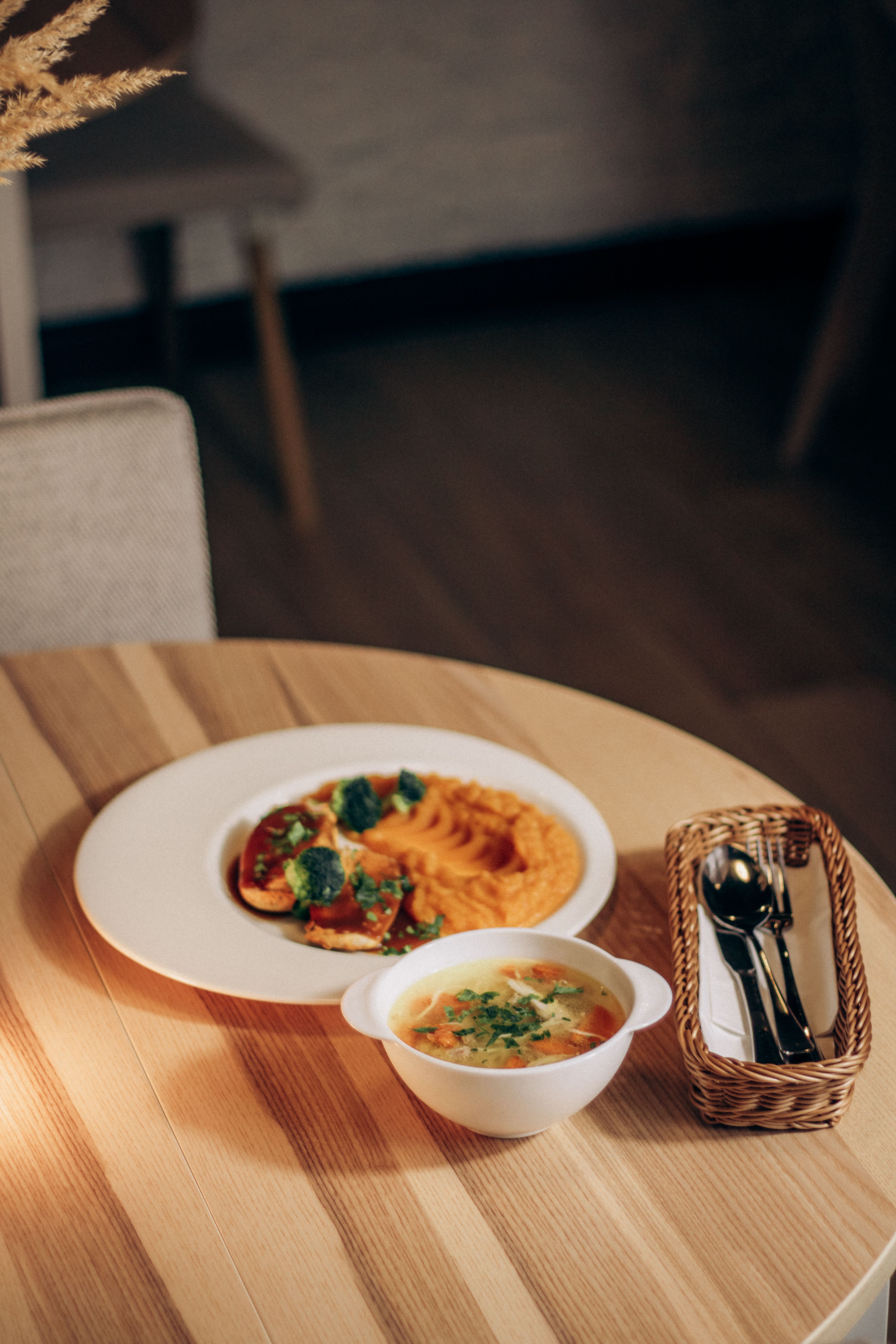
A craving can feel physical, but it is often emotional learning in action. The brain remembers what brought comfort before, especially during hard moments, and it builds strong associations around those foods. If pizza became your go-to meal during college deadlines or cookies were a reward after rough school days, stress can reactivate that pattern years later.
This is one reason people rarely crave plain chicken breast or a bowl of lentils when overwhelmed. They tend to reach for foods linked to reward, nostalgia, or emotional safety. The craving is not simply for taste. It is for the feeling attached to that taste, whether that feeling is calm, familiarity, celebration, or escape.
Psychologists often describe this as conditioned reinforcement. The food becomes a shortcut to relief because the brain has learned to expect a soothing effect from it. Even if that relief lasts only 10 or 15 minutes, the lesson sticks. Over time, stress and comfort foods can become tightly paired, making cravings feel automatic even when the body does not actually need energy.
Your body wants quick reward when your mind feels overloaded
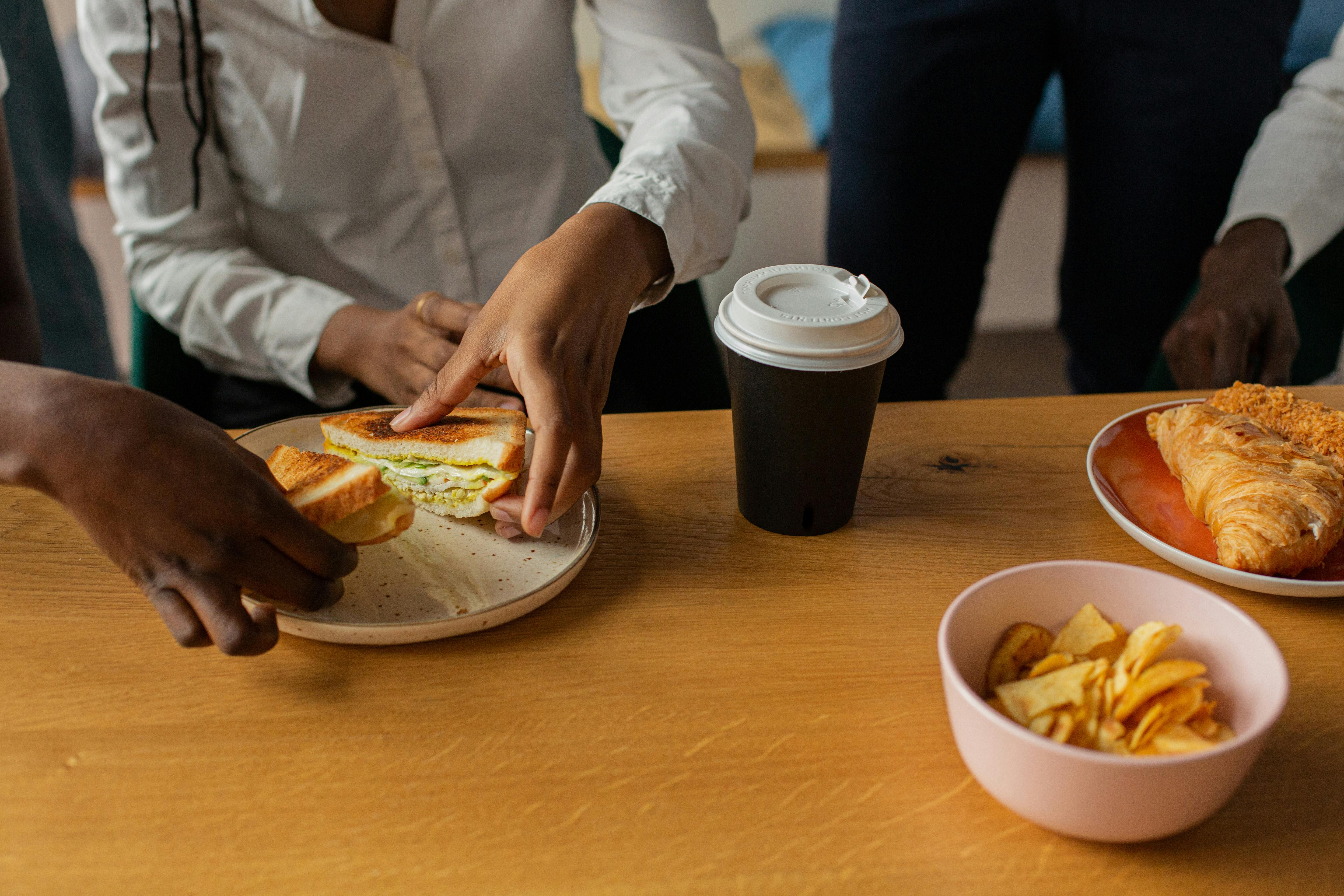
When stress builds, the brain starts prioritizing immediate relief over long-term goals. That is why cravings tend to intensify during periods of mental overload, poor sleep, emotional conflict, or nonstop multitasking. In those states, the body is not asking, "What is the most nourishing option?" It is asking, "What will help me feel better fast?"
Highly processed foods are especially effective at delivering that quick reward. They are designed to combine sugar, salt, and fat in ways that strongly stimulate pleasure centers in the brain. A 2024 body of research on ultra-processed foods continued to support the idea that these combinations can increase compulsive eating patterns in vulnerable moments, especially when stress is high and self-regulation is low.
There is also a practical reason these foods win. They require little effort. A stressed person is more likely to choose what is easy, familiar, and instantly available. That makes packaged snacks, fast food, and sweets powerful stress companions. The craving, then, is not about emptiness in the stomach. It is about the brain trying to reduce mental strain using the quickest tool it knows.
Poor sleep and chronic stress make cravings much stronger

Here is where the picture gets even clearer. Stress rarely acts alone. It often travels with poor sleep, and that combination can seriously disrupt hunger and fullness signals. Studies have found that sleep deprivation can alter ghrelin and leptin, two hormones involved in appetite regulation, making people feel hungrier and less satisfied.
Lack of sleep also makes the brain more reactive to rewarding foods. After a short night, images and smells of sweet or salty foods tend to feel more tempting, while impulse control becomes weaker. Add chronic stress on top of that, and cravings can become frequent, intense, and harder to manage. This is one reason many people "eat badly" during burnout even when they know exactly what healthier choices look like.
Chronic stress also raises the baseline level of emotional discomfort in the body. Instead of one bad day leading to one strong craving, the person may feel a constant low-grade urge to self-soothe. In that state, eating can become less about occasional comfort and more about repeated regulation. The pattern may look like hunger, but the underlying driver is exhaustion, stress chemistry, and emotional depletion.
Not everyone craves the same foods, and that matters
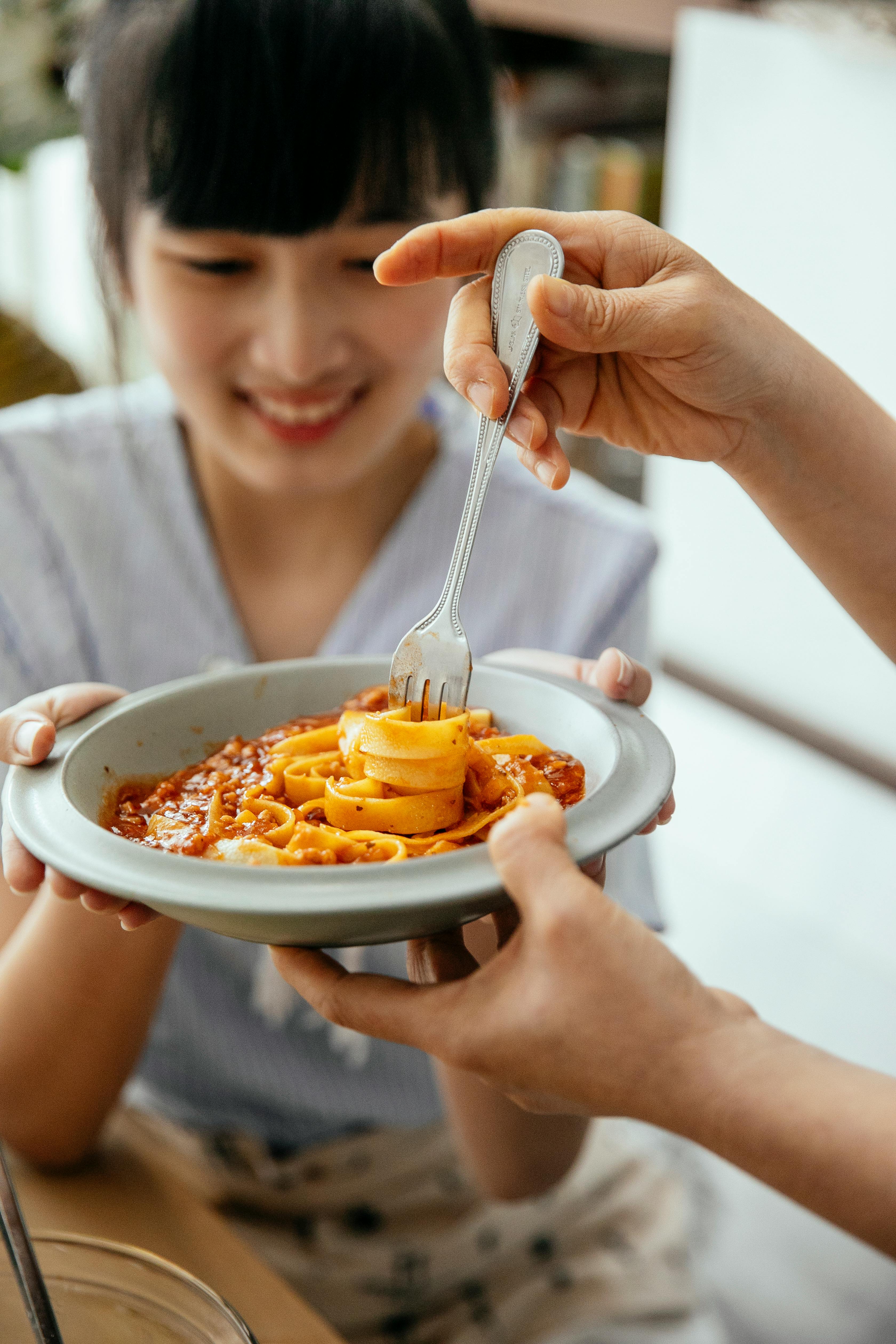
Stress cravings are deeply personal because they are shaped by biology, culture, routine, and experience. One person wants chocolate, another wants fries, and someone else loses interest in food entirely. Genetics may influence reward sensitivity, while upbringing and family habits help determine which foods come to symbolize comfort or care.
Cultural background matters too. Comfort food is not universal. In one household it may be macaroni and cheese, in another it may be rice porridge, bread, noodles, or a sweet milky tea. The brain learns emotional meaning through repetition, so the foods craved under stress often reflect a person's own history rather than some single biological rule.
Gender, dieting history, and metabolic health can also affect how cravings show up. People who chronically restrict food may be especially vulnerable to intense stress-driven urges because the body reads both stress and restriction as pressure. Someone with insulin resistance may notice stronger swings around refined carbohydrates. Understanding these differences matters because it moves the conversation away from blame and toward a more realistic view of why cravings happen.
The real solution is regulation, not just willpower

The most effective way to reduce stress cravings is not to shame them away. It is to lower the stress load that triggers them and build other forms of relief that the brain can trust. That might include regular meals with enough protein and fiber, more consistent sleep, movement, better boundaries, or even 5 minutes of breathing after a stressful event to interrupt the automatic reach for food.
It also helps to become more specific about the craving itself. Ask what is happening just before it appears. Are you angry, lonely, overstimulated, bored, or mentally spent? Many clinicians encourage people to name the state before reacting to it because awareness creates a small but powerful pause. In that pause, the brain has a chance to choose rather than simply repeat.
None of this means comfort food is bad or should never be used for pleasure. Food can be comforting, social, and emotionally meaningful. The important point is knowing that stress cravings usually signal a need for regulation, not just calories. Once that becomes clear, the experience feels less confusing, and far more manageable.




Leave a Reply