
Grocery aisles still look familiar, but buying habits are changing fast. Behind that shift is a growing break between what big food companies sell and what many households now believe they are getting for their money.
Price shock has become the breaking point
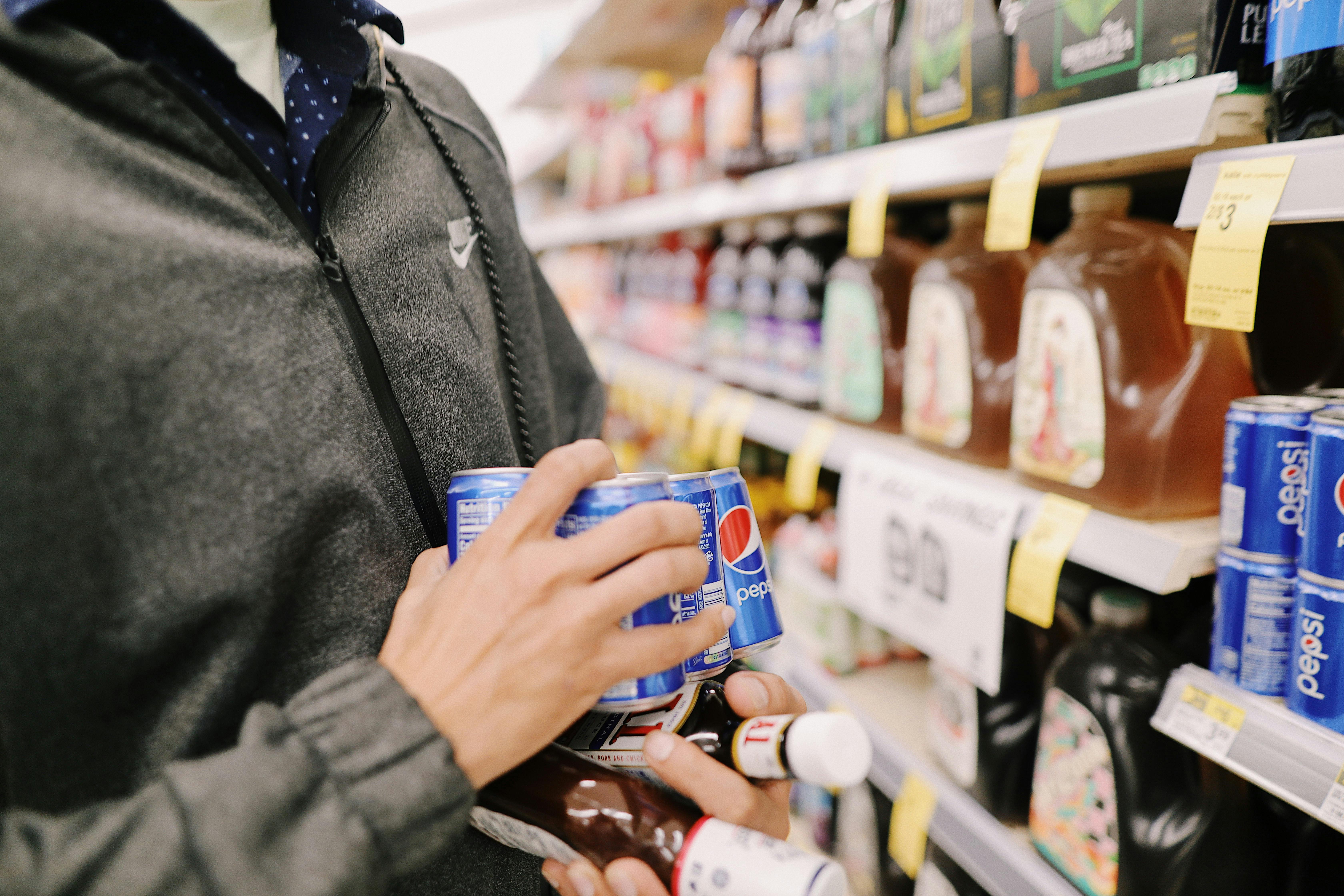
For many People, the split with major food brands started with the grocery bill. Food prices surged sharply in the past few years, and while inflation has cooled from its peak, many packaged products remain far more expensive than shoppers remember. Statistics has repeatedly shown food purchased from stores rising faster than many household budgets can comfortably absorb. That has made every branded item feel like a value judgment.
The frustration is not only about sticker price. It is also about shrinkflation, the quiet reduction in package size while prices stay the same or move higher. Consumers notice when a cereal box feels lighter, a bag of chips carries more air, or a tub of yogurt offers fewer servings. Once shoppers feel they are being charged more for less, trust erodes quickly.
Private-label products have benefited from that anger. Retailer-owned lines from chains such as No Frills, Walmart, Costco, and others have improved in quality and widened in assortment. What used to be seen as a compromise is now often treated as the smarter choice. In a strained economy, brand loyalty weakens fast when the cheaper option tastes similar and frees up room in the weekly budget.
People are reading labels more closely than ever

The second major rupture is about ingredients, not just cost. A growing number of People are scrutinizing food labels for sugar, sodium, artificial colours, preservatives, and ultra-processed ingredients. Public health messaging, social media explainers, and better consumer awareness have changed the way ordinary shoppers interpret packaging. Claims that once sounded reassuring now invite skepticism if the ingredient list tells another story.
This matters because many legacy brands were built in a different era. They succeeded on convenience, shelf life, and mass appeal, often relying on formulations designed for scale rather than nutritional confidence. Today, parents compare granola bars, breakfast cereals, frozen meals, and juices with a far more critical eye. Terms such as protein-rich, high-fibre, and minimally processed now carry real weight in purchase decisions.
Health policies have also helped push transparency to the forefront. Front-of-package nutrition symbol rules for foods high in saturated fat, sodium, and sugars are adding new pressure on manufacturers to reformulate or rethink how products are positioned. Companies know that once a package signals nutritional concerns too plainly, the marketing halo becomes harder to maintain.
At the same time, shoppers are not demanding perfection. They are demanding honesty and balance. They still buy treats, frozen foods, and snacks, but many want products that feel less engineered and more aligned with everyday wellness. Brands that fail to grasp that shift risk sounding outdated, even when their products remain widely available.
Trust has been damaged by more than nutrition
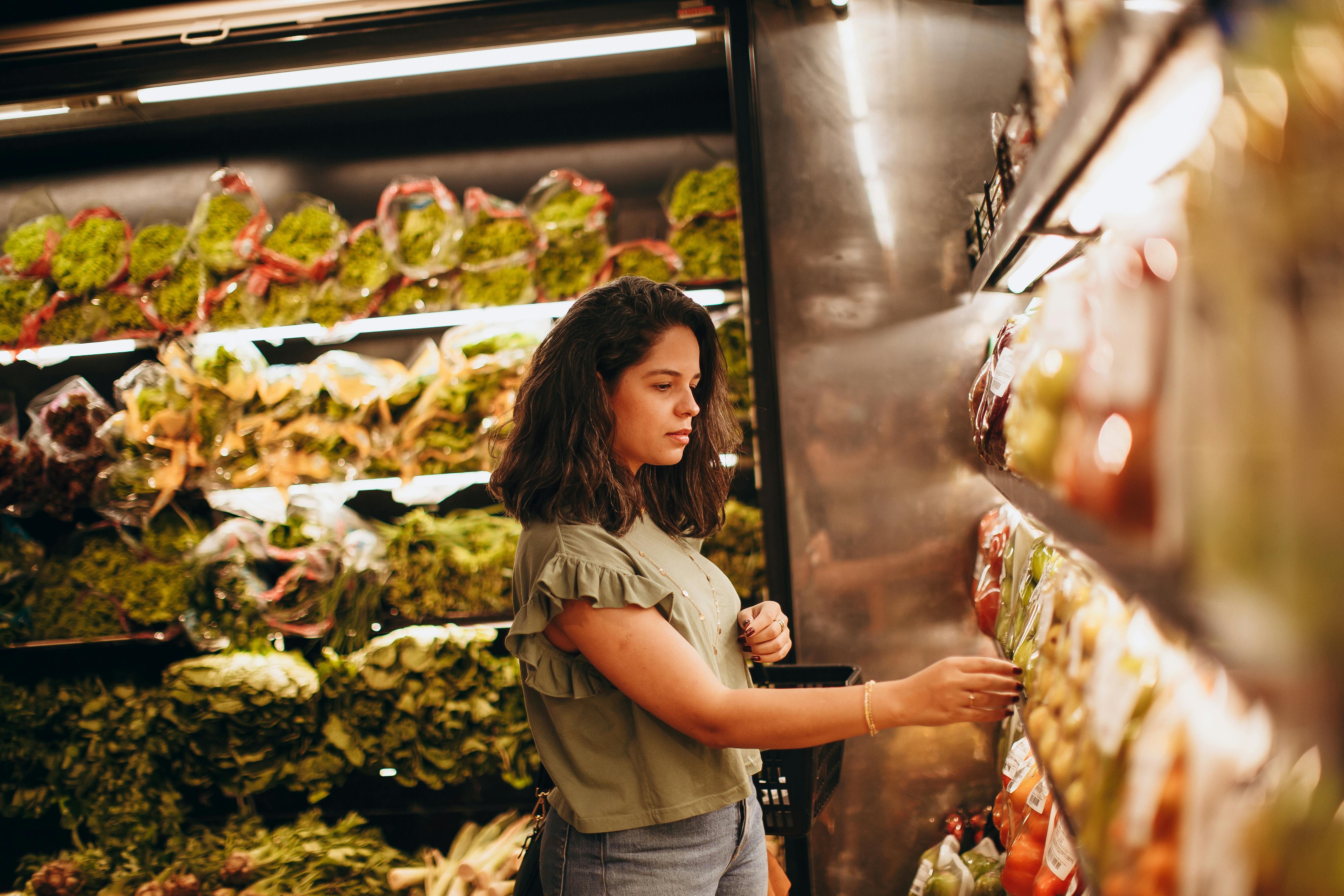
There is also a broader credibility problem hanging over big food. People have watched years of public debate about grocery affordability, supplier power, and corporate profits. High-profile political hearings and media scrutiny have left many consumers with the impression that large players in the food system are insulated from the pressures facing ordinary households. Whether fair in every case or not, that perception has real commercial consequences.
Brand image is further weakened when companies appear slow, scripted, or defensive. During periods of price volatility, consumers want clear explanations. Instead, they often hear generic statements about supply chains, global pressures, and difficult market conditions. Those factors are real, but repeated corporate language can sound detached when families are actively cutting back on basics.
Social media has amplified every misstep. A product change, a reduced package size, or an awkward marketing campaign can become a viral complaint within hours. Online communities now compare prices, expose packaging tricks, and recommend alternatives at scale. In previous decades, a company could rely on shelf dominance and advertising power. Today, a single frustrated shopper can shape a wider public narrative.
The result is that many People no longer treat famous food labels as inherently superior. Recognition still matters, but reputation is now conditional. It must be earned repeatedly through quality, consistency, and fair value. That is a much tougher environment for multinational brands that once depended on habit and familiarity to carry them through.
Smaller brands are winning where big brands look slow
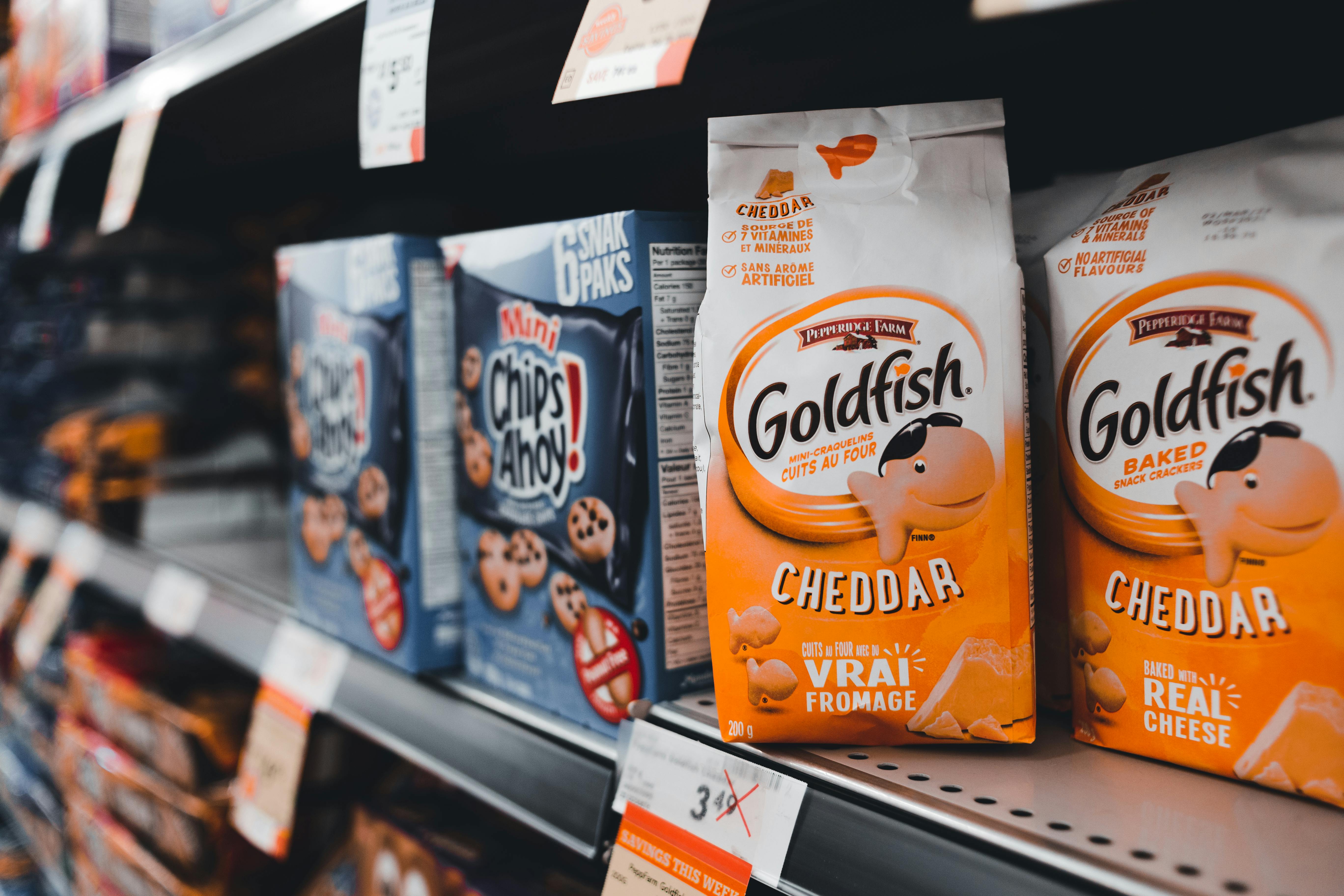
One reason large food companies are under pressure is that smaller competitors have become far better at spotting consumer shifts early. Independent People brands and niche upstarts often move faster on cleaner ingredients, local sourcing, dietary preferences, and more distinctive flavours. They are also better at sounding human, which helps in a market where shoppers increasingly distrust corporate polish.
This agility has reshaped categories that were once dominated by a handful of giants. In yogurt, beverages, plant-based foods, snacks, and condiments, newer brands have carved out space by speaking directly to concerns about wellness, sustainability, and authenticity. Their packaging is often simpler, their storytelling clearer, and their product missions easier to understand.
Retailers have responded by giving these brands more visibility, especially when they drive premium interest or reflect Cultural identity. Farmers' market culture, regional food pride, and buy-local sentiment have all reinforced the idea that smaller can mean better. Even when niche products cost more, many consumers believe they are paying for stronger quality or values alignment, not just a logo.
Big food companies know this, which is why they increasingly acquire smaller brands, launch startup-style sub-brands, or mimic the visual language of challenger labels. But consumers have become more sophisticated. They can often tell when a supposedly fresh, independent identity is actually being manufactured inside a much larger corporate machine.
The industry response is part reform, part reputation rescue
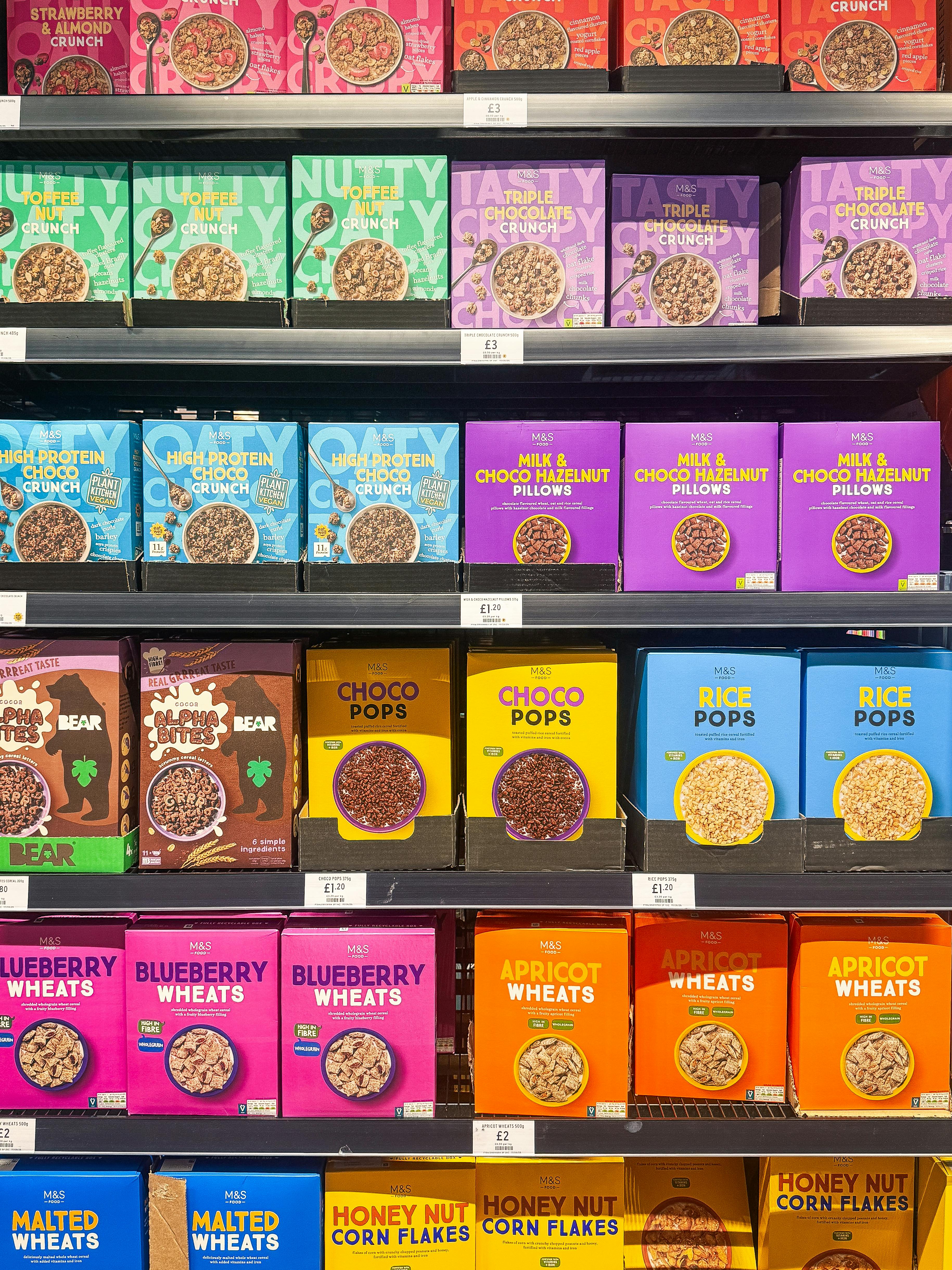
Large manufacturers are not ignoring the backlash. Across Canada and beyond, food companies are reformulating products to reduce sugar, sodium, and artificial ingredients while increasing protein, fibre, or whole-food cues. They are also experimenting with smaller price points, promotional bundles, and premium lines designed to appeal to shoppers at both ends of the market. The strategy is clear: recover trust without surrendering margin.
Packaging has become a major battlefield. Brands are emphasizing simpler ingredient lists, clearer nutrition claims, recyclable materials, and language that sounds more transparent. Some are redesigning products to look less corporate and more kitchen-friendly. Others are highlighting Canadian sourcing where possible, knowing that domestic identity can still carry emotional weight during periods of economic anxiety.
Marketing is changing as well. Traditional broad messaging is being supplemented by influencer partnerships, recipe-led content, and campaigns built around practical family needs. Instead of telling consumers a product is beloved, companies are trying to show how it fits real routines, budgets, and health goals. That softer, more useful tone reflects how defensive the old playbook has become.
Yet these efforts have limits. Shoppers quickly detect cosmetic change if the underlying product or price does not improve. A cleaner-looking label cannot fully offset a weaker value proposition. The brands making real progress tend to be the ones pairing messaging updates with genuine product, pricing, and sourcing adjustments.
What happens next will be decided in the grocery cart
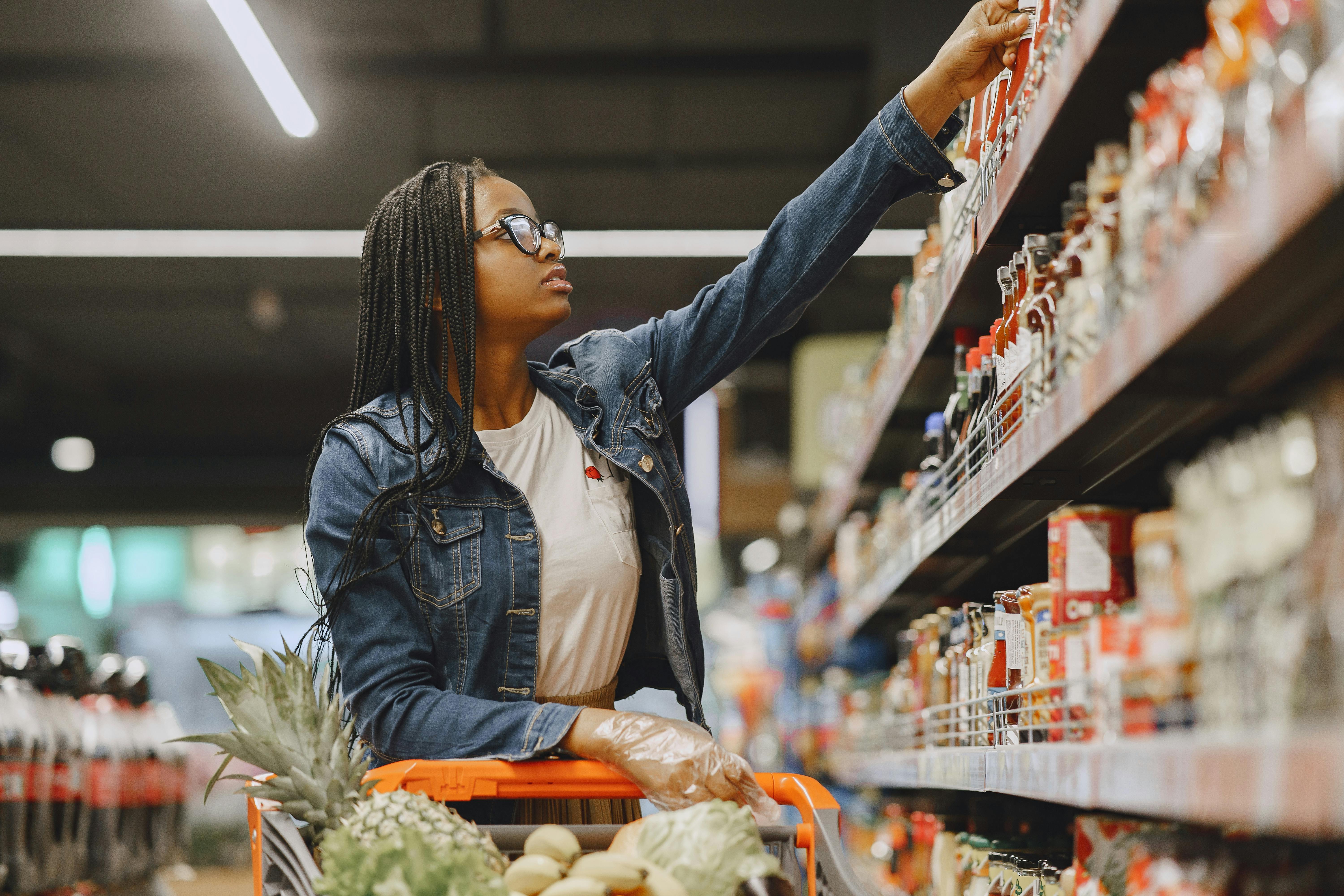
The next phase of this fight will not be won in boardrooms alone. It will be decided weekly, aisle by aisle, as consumers weigh cost, health, convenience, and trust. Many households are no longer choosing automatically. They are comparing more, switching more, and treating each purchase as a referendum on whether a brand still deserves its place in the cart.
That does not mean big food brands are doomed. They still control enormous distribution networks, deep research capacity, and longstanding consumer recognition. In categories where convenience matters most, those advantages remain powerful. But scale alone is no longer enough. If a major brand wants loyalty, it has to offer visible value and a product that feels credible in a more skeptical age.
The companies most likely to recover are the ones that accept a simple truth: Canadians have changed. They are more price-conscious, more ingredient-aware, and less tolerant of spin. Winning them back will require less image management and more substance.
In practical terms, that means fairer pricing, better formulations, clearer communication, and fewer attempts to disguise trade-offs. Consumers have shown they are willing to walk away from giants they once trusted. The industry response now looks desperate because, in many ways, it is.
Grocery aisles still look familiar, but Canadian buying habits are changing fast. Behind that shift is a growing break between what big food companies sell and what many households now believe they are getting for their money.



Leave a Reply