
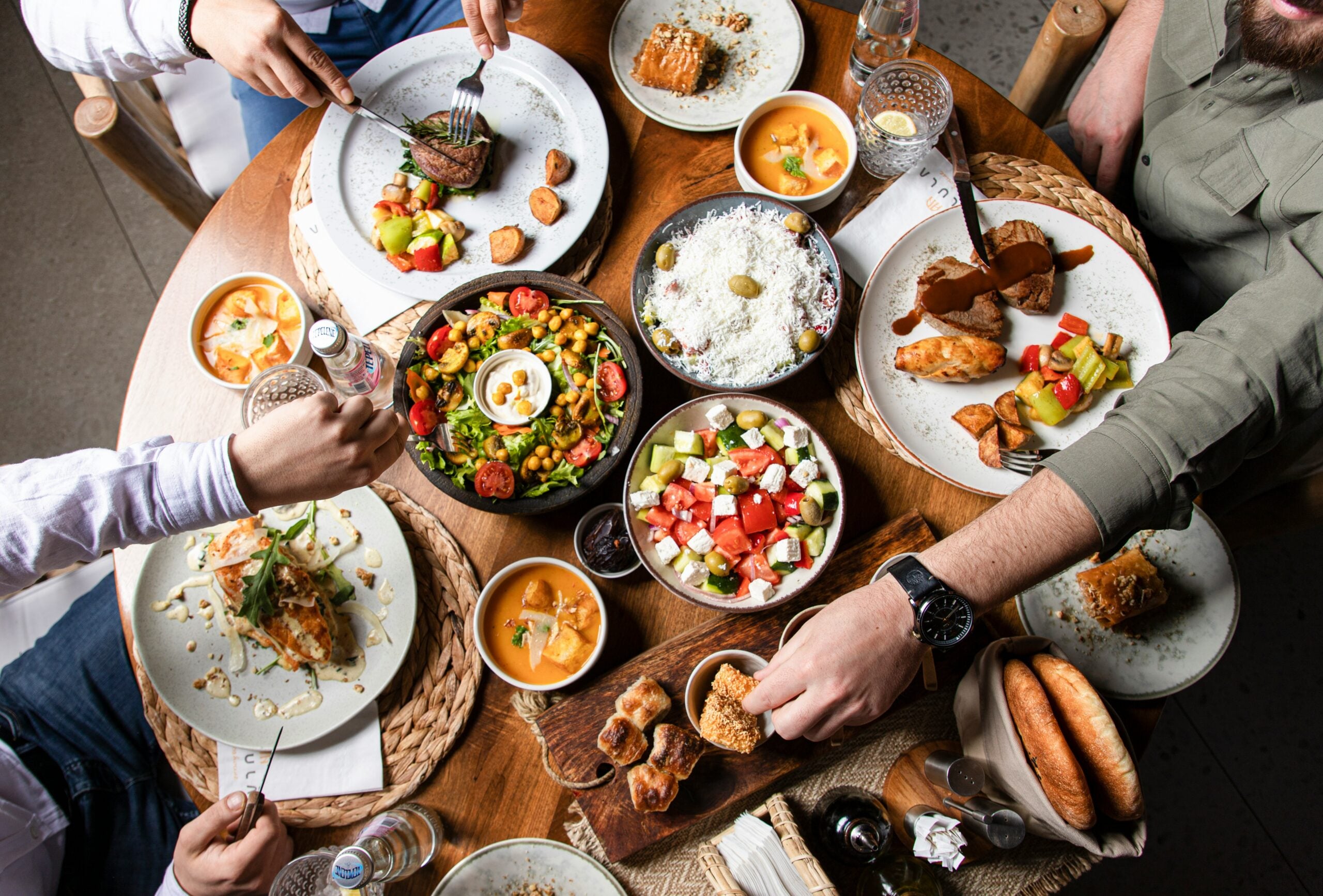
Something has changed at familiar chain restaurants, and regular customers can feel it almost immediately. The dining room, the menu, the portions, and even the packaging often signal the same thing: you are being asked to pay more for less.
It starts with costs most diners never see
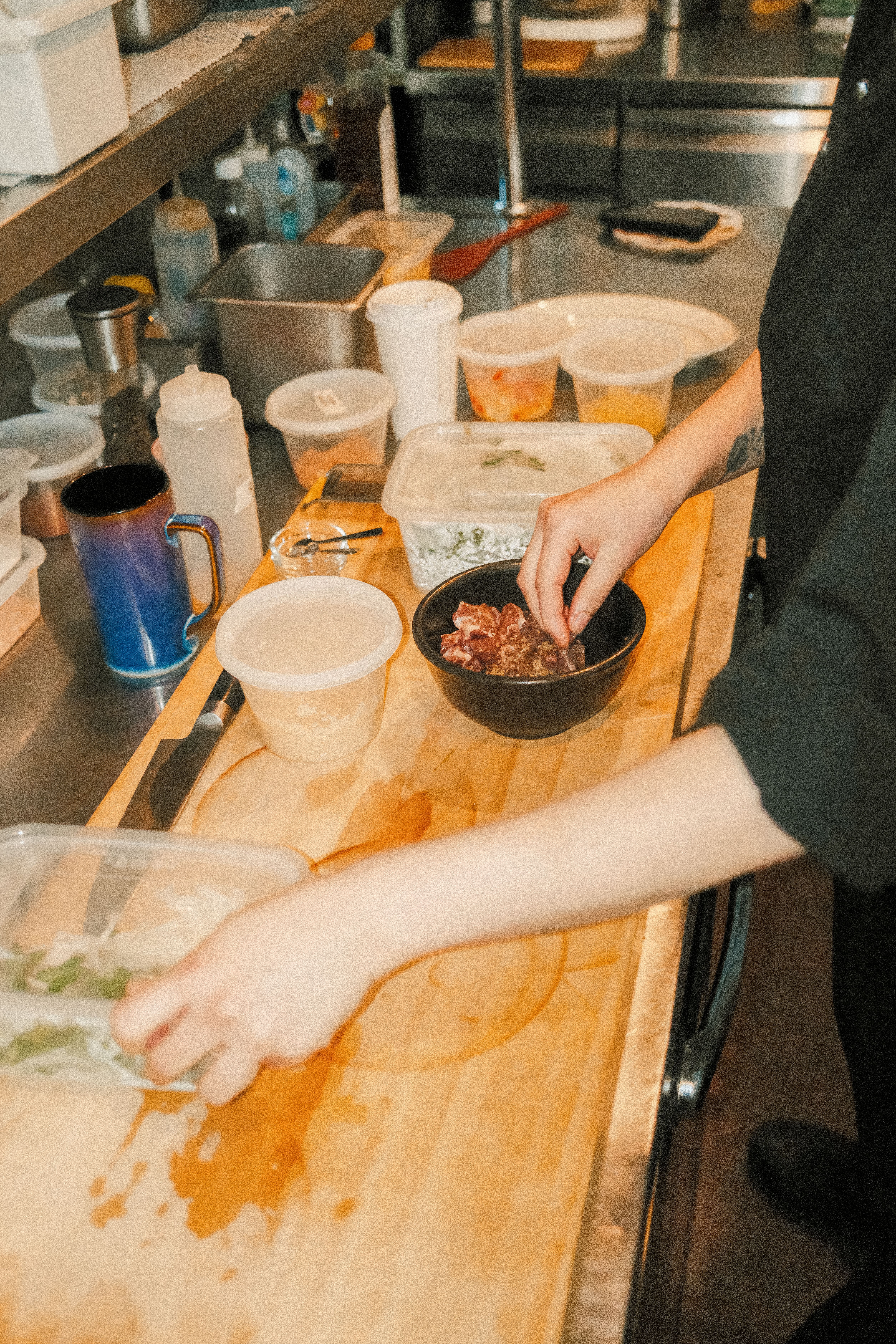
Before a meal reaches your table, a chain restaurant has already absorbed higher costs for ingredients, freight, refrigeration, cooking oil, insurance, rent, and utilities. According to recent inflation data and corporate earnings reports, proteins such as beef, chicken, and eggs have seen sharp swings, while basics like buns, potatoes, and sauces have also become more expensive. Even napkins, cups, and takeout containers cost more than they did a few years ago.
Large chains once had enough scale to blunt those increases better than independent restaurants. That advantage still matters, but it is weaker than many people assume. Suppliers have raised prices repeatedly, and long-term contracts no longer shield brands as effectively when labor and transport remain volatile.
When executives say they are protecting value, they often mean protecting margins without shocking customers all at once. Instead of doubling menu prices overnight, they spread the pain across smaller changes that feel subtle in isolation but obvious over time.
Shrinkflation has moved from grocery aisles to the dinner plate
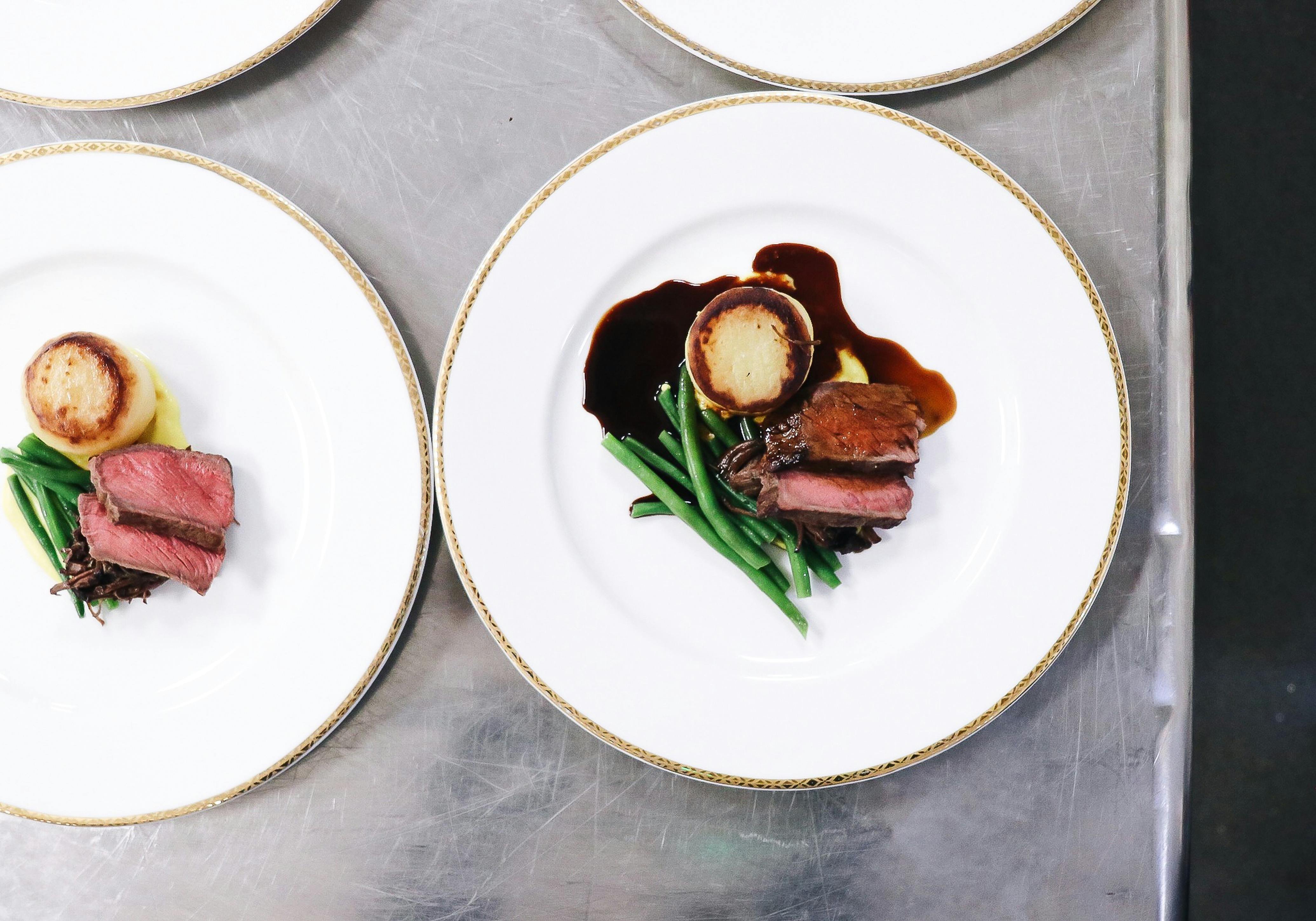
The easiest way to preserve profit is not always a visible price hike. It can be a burger patty that weighs a little less, fewer fries in the basket, thinner chicken fillets, smaller scoops of rice, or a dessert that now arrives in a narrower cup. Customers notice the difference because they compare the meal to memory, not to a printed weight.
This is restaurant shrinkflation, and it works because portion changes are easier to disguise than price changes. A combo meal can look almost identical while delivering less food. Packaging design also helps, with taller cups, deeper paper wraps, and compartmented containers making servings appear fuller than they are.
Chains also reformulate. Cheaper cuts, more breading, more ice, more filler ingredients, or sauces used to create richness can reduce dependence on costly proteins and dairy. The meal is still recognizable, but the quality signal is weaker.
Menus are being engineered for margin, not nostalgia
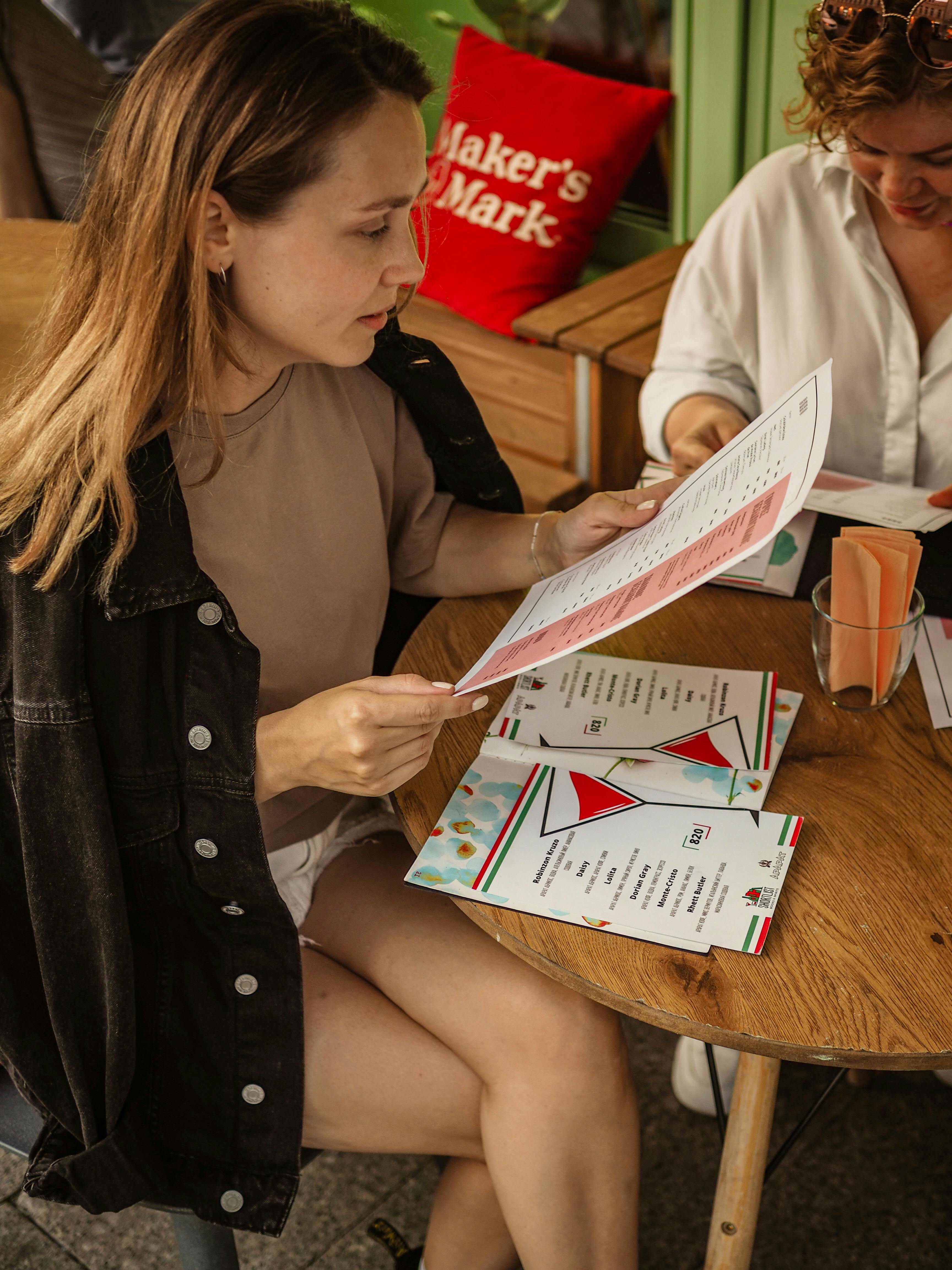
What disappears from a menu can be as revealing as what remains. Chains routinely analyze which dishes are expensive to make, slow to prepare, or difficult to execute consistently. Items with loyal followings often get removed if they complicate kitchen operations or generate lower margins than simplified alternatives.
That is why menus at many chains now feel tighter, safer, and more repetitive. Fewer ingredients mean less spoilage, easier forecasting, quicker training, and faster service. The tradeoff is that menus become less distinctive, and longtime guests lose the sense that the restaurant has a personality.
Restaurants also push customers toward high-margin add-ons. Extra cheese, specialty drinks, limited-time sauces, premium sides, and desserts help offset weaker profits on headline items. The menu board may look fun and abundant, but it is often a carefully designed sales tool.
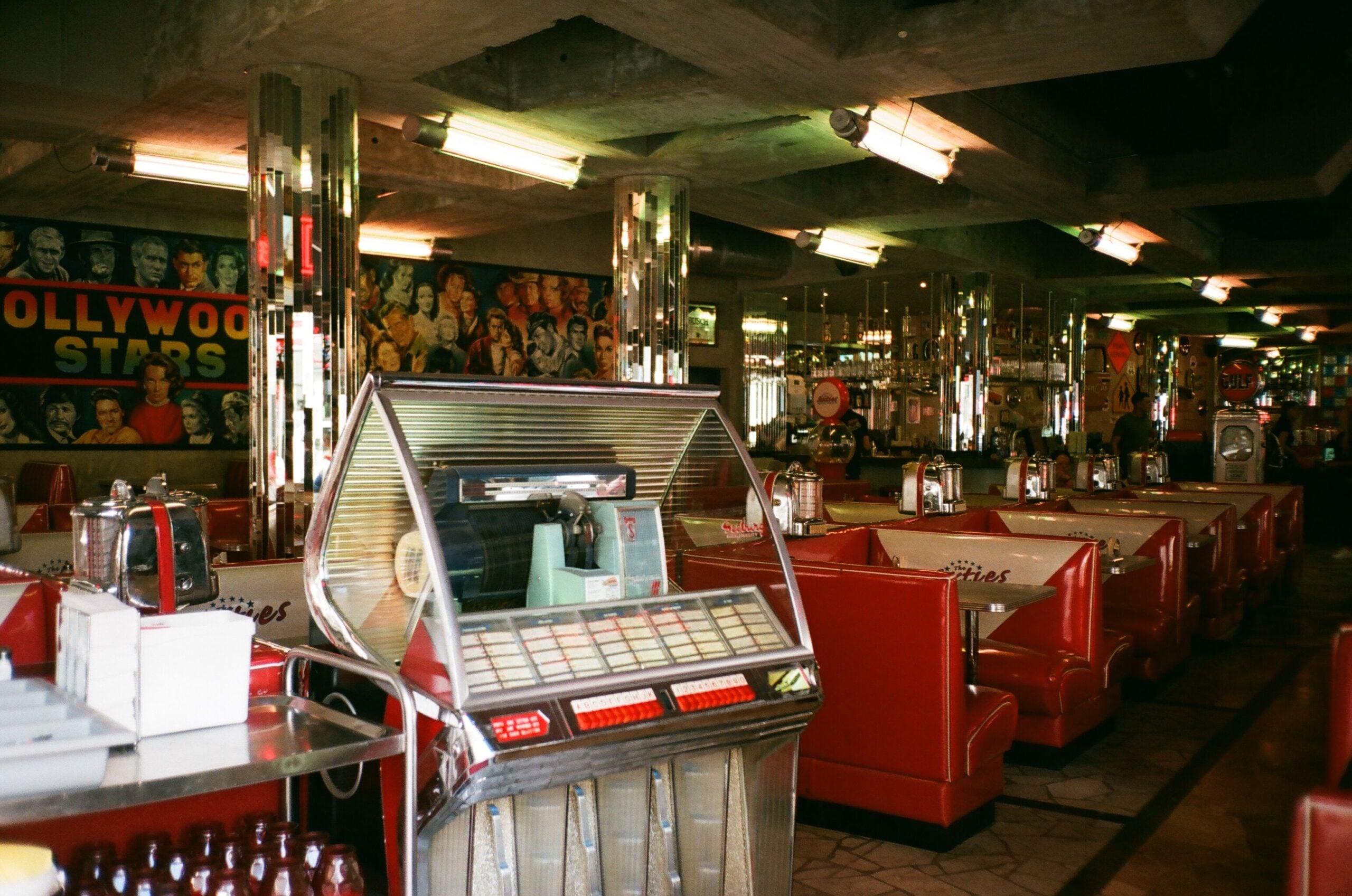
The room feels cheaper because labor is under pressure

A restaurant experience is shaped by more than food. When dining rooms feel less polished, tables stay dirty longer, and service seems rushed, the cause is often labor economics. Wages have risen, turnover remains high, and many chains still struggle to recruit and retain workers for physically demanding jobs with unpredictable schedules.
To cope, operators simplify service. Self-order kiosks, QR code menus, reduced table touches, smaller staffs, and more disposable packaging all lower labor needs. These changes can improve speed, but they also make the experience feel more transactional and less hospitable.
Training has changed too. When teams are leaner and more frequently replaced, consistency suffers. A chain may preserve the logo and menu names, yet the execution varies more from visit to visit, which customers experience as declining quality.
Private equity and Wall Street changed the incentives
Many major chains answer not just to diners but to investors who expect steady quarterly improvement. Public companies must show growth, while private equity-owned brands are often pushed to increase efficiency, expand margins, and prepare for resale or refinancing. In that environment, cost cutting becomes a strategy, not a temporary fix.
Sometimes the savings come from centralizing production, renegotiating supplier contracts, or reducing menu complexity. Other times they come from postponing remodels, using cheaper materials, or shrinking portions just enough to avoid backlash. Each move may look rational on a spreadsheet, even if it weakens the guest experience.
This does not mean every chain is cynically stripping value. But the financial structure around many restaurant brands rewards short-term gains more than long-term affection, and customers can sense the result.
Why customers notice now, and what smart chains will do next

People are more price aware than they were before the recent inflation surge. When a familiar meal costs noticeably more, diners inspect every detail more closely. Smaller portions, lower-quality ingredients, weaker service, and stripped-down interiors no longer pass unnoticed because the value equation feels exposed.
That creates a real risk for chains that overcorrect. Consumers will tolerate higher prices if they still trust the experience, but they punish brands that feel stingy. Recent reporting from Reuters and company earnings calls shows that restaurant traffic can soften quickly when guests decide the meal is no longer worth the bill.
The chains that win from here will not simply cut deeper. They will be the ones that restore confidence with clearer value, better consistency, smarter limited menus, and quality people can actually taste. Feeling smaller and cheaper is not inevitable. It is the visible result of business choices.

Leave a Reply