
Your morning coffee is becoming a more expensive habit. And despite the public messaging from major chains, the real story starts long before a cup is poured in Canada.
The biggest problem is happening on coffee farms, not at the counter
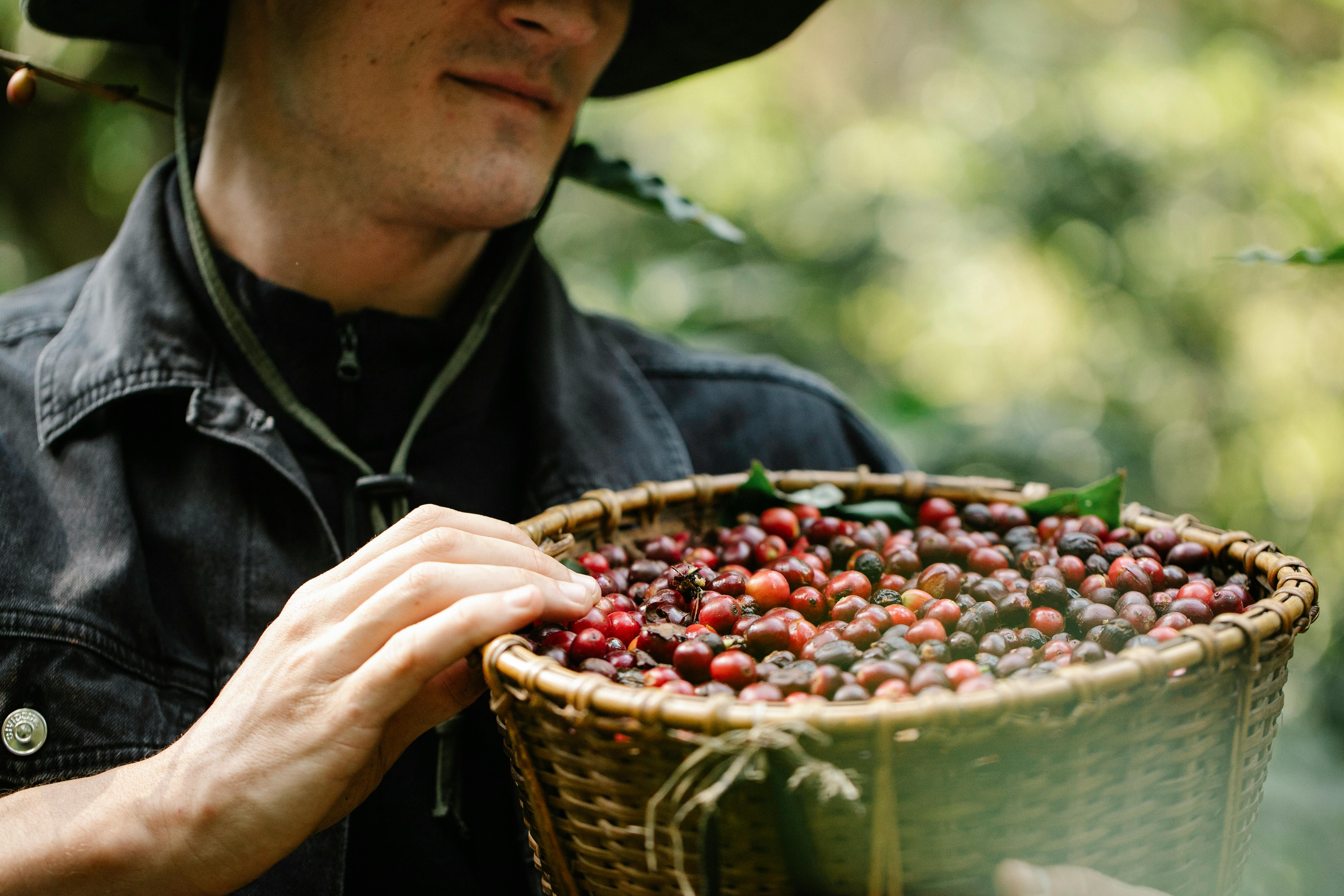
Most coffee drinkers see the final price on a menu board and assume the increase begins with the retailer. In reality, the pressure starts in producing countries, especially Brazil and Vietnam, which dominate the global coffee trade. When those countries struggle, the effects move quickly through the entire supply chain, including into Canada.
Brazil, the world's largest arabica producer, has been hit repeatedly by severe weather in recent years. Drought, heat, and even frost have damaged trees and reduced harvest quality. Coffee trees are unusually vulnerable because they need stable growing conditions, and once a crop is damaged, producers cannot simply recover in a few weeks like they might with other agricultural goods.
Vietnam, the top robusta producer, has faced its own production troubles tied to erratic rain, heat, and pressure on farmland. According to international commodity reporting tracked by Reuters and other market outlets, tighter robusta supplies have pushed prices sharply higher. That matters even if many consumers think only premium coffee is affected, because robusta is widely used in blends, instant coffee, and lower-cost foodservice products.
The key point is simple: when both major coffee categories face stress at the same time, the whole market gets more expensive. Canadian chains can talk about operating costs, wages, or store economics, but those are downstream issues. The first and most important price shock is coming from farm output that is less reliable, more climate-exposed, and more expensive to secure.
Climate change is no longer a background issue in coffee, it is the market
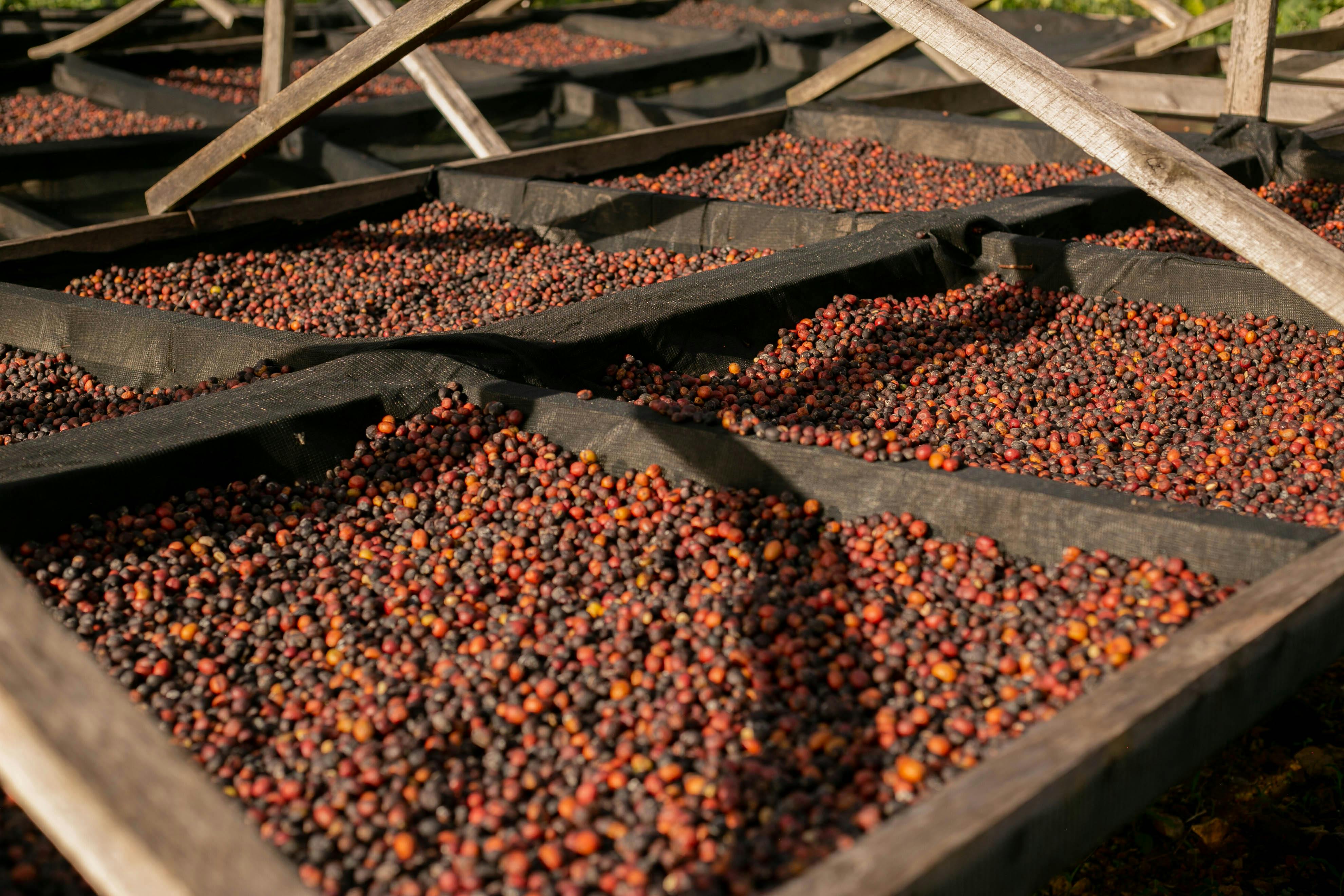
For years, climate risk in coffee was discussed like a future concern. That is no longer true. It is already shaping harvest sizes, bean quality, and the amount traders are willing to pay to lock in supply. In other words, climate change is not just affecting coffee prices. It is helping define them.
Coffee grows best within a narrow environmental range. Too much heat stresses the plant, changes flowering patterns, and can reduce bean development. Too little rain creates weak yields, while badly timed heavy rain can disrupt harvest and drying. Researchers and agricultural agencies have been warning for years that many coffee-growing regions are becoming less predictable, and that unpredictability is poison for a commodity market.
This is especially important for Canada because the country imports all of its coffee. Canadians are not insulated from farm-level disruptions. When crop forecasts turn negative in producing countries, futures markets react, exporters hold firmer on price, and importers face higher costs before the beans even leave port.
There is also a quality issue hidden inside the pricing story. Poor weather does not just shrink supply. It can lower the proportion of top-grade beans, forcing roasters to compete harder for consistent quality. That raises costs for chains, grocery brands, and independent cafes alike. What consumers experience as a modest increase in a daily cup often reflects a global scramble for coffee that meets basic commercial standards.
The Canadian dollar is making imported coffee hurt even more

Even when global coffee prices stabilize temporarily, Canadians can still end up paying more because coffee is traded internationally in U.S. dollars. That means the exchange rate plays a major role in what importers, roasters, and distributors actually pay. If the Canadian dollar weakens against the U.S. dollar, coffee becomes more expensive in Canada almost automatically.
This is one of the least visible but most important parts of the story. A chain may say it is dealing with broad inflationary pressure, and that is partly true, but currency pressure has a very direct effect on imported agricultural goods. Coffee is one of the clearest examples because there is no domestic crop to offset those higher landed costs.
The same issue affects packaging, equipment parts, and some transportation contracts priced in U.S. dollars. Roasters are not just paying more for green beans. They may also be paying more for cups, lids, filters, and machinery inputs that rely on international supply networks. Once several imported cost lines rise together, the retail price becomes much harder to hold steady.
For smaller Canadian cafes, this can be brutal. Large chains can hedge currencies or lock in supply contracts more effectively. Independent operators often have less negotiating power and less room to absorb shocks. So while consumers notice price increases at national brands, many local coffee shops are dealing with an even tighter squeeze behind the scenes.
Shipping, insurance, and logistics are still far more expensive than they used to be
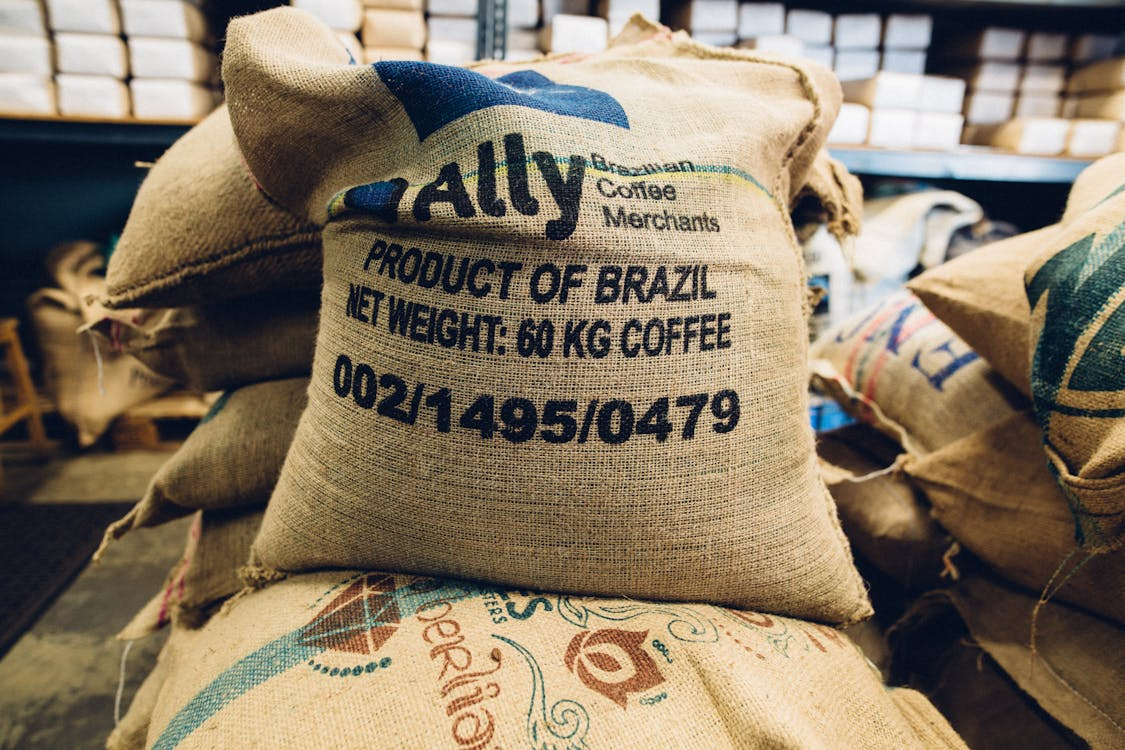
Many people assume supply chains returned to normal after the worst pandemic disruptions faded. That is only partly correct. Global shipping is functioning, but it is not as cheap, predictable, or resilient as it once was. Coffee importers still face elevated freight volatility, longer planning cycles, and extra risk premiums that eventually show up in retail pricing.
Coffee is a global product with a long travel path. Beans move from farms to mills, from mills to ports, then across oceans to roasters and distribution networks. At every step, there are costs tied to fuel, warehousing, insurance, labor, and scheduling reliability. If one segment becomes unstable, everyone down the line pays for the delay or disruption.
Geopolitical instability has added another layer of uncertainty. Shipping lanes have faced pressure from conflict-related rerouting, while fuel and insurance costs have remained sensitive to global events. Importers may not mention these details in consumer-facing explanations, but they materially affect the landed cost of coffee in Canada.
There is also the problem of timing. Coffee buyers often need to secure inventory months in advance. If freight rates spike or vessels are delayed during a key purchasing window, companies cannot always wait for conditions to improve. They have to buy, ship, and roast anyway. That means temporary logistics stress can become a lasting menu price increase by the time it reaches consumers.
Big chains talk about inflation, but futures markets tell the real story
When large coffee sellers explain price hikes, they often point to general inflation, labor costs, or investments in the customer experience. Those things matter, but they can also blur the central issue. Coffee itself has become much more expensive to buy on world markets, and that reality is visible in commodity exchanges long before it appears in a Canadian storefront.
Arabica and robusta futures have both seen major upward pressure as traders react to crop fears and low inventories. Commodity markets are not perfect predictors, but they are a strong signal of what buyers expect ahead. When futures stay high, roasters and foodservice companies face tougher procurement conditions and less flexibility in pricing strategy.
This matters because chains often prefer explanations consumers already understand. Inflation is familiar. Climate-driven crop stress in Brazil or robusta tightness in Vietnam is less familiar, even if it is the deeper cause. Saying prices are up because of broad costs is easier than admitting the coffee market itself has become structurally more fragile.
There is also a brand reason for this messaging. Companies want to avoid making customers think prices could keep rising unpredictably. But the uncomfortable truth is that coffee has entered an era of more frequent shocks. If weather volatility and supply tightness continue, the cost of a basic cup in Canada is likely to remain under pressure regardless of what any one chain says publicly.
What Canadian coffee drinkers should expect next

The hard truth is that cheaper coffee is not likely to return in a lasting way unless several things improve at once. Producing countries would need better harvests, shipping would need to stay calm, and the Canadian dollar would need to strengthen. Even then, retailers may not fully reverse increases once consumers have shown they will tolerate higher prices.
That does not mean every cup will suddenly become unaffordable. It does mean coffee is increasingly behaving like a climate-sensitive global commodity rather than a stable everyday staple. Canadians should expect more variation in café pricing, more shrinkflation in packaged coffee, and wider differences between premium shops, fast-food chains, and grocery brands.
Consumers may also notice more blend changes. Roasters sometimes respond to high bean costs by adjusting the balance of arabica and robusta or sourcing from different origins. The result may not always be obvious on a label, but it can affect taste, consistency, and perceived value. Price is only one part of the coffee story. Quality and formulation are shifting too.
So if your coffee bill feels strangely high, the most honest explanation is not simply corporate overhead or a local pricing decision. It is that Canada sits at the end of a global coffee chain under real strain. The farm, the climate, the currency market, and the shipping system are now deciding what your next cup costs.




Leave a Reply