
You are probably not craving those snacks as much as you think. Most of the time, you are responding to cues that were planted long before you reached the checkout line.
Your brain is solving for speed, not pleasure

The first surprise is that many snack purchases are not driven by taste. They are driven by mental efficiency. In busy environments, the brain prefers familiar, low-effort choices, even when those choices are only mildly satisfying.
Behavioral researchers have long shown that repeated exposure increases liking, or at least acceptance. That means the chips or granola bars you buy out of routine can start to feel like the default answer, not the best answer. You are not necessarily choosing what you love. You are choosing what your brain can retrieve fastest.
This is especially true when shopping after work, during errands, or with children in tow. Under time pressure, people rely more heavily on habit than preference. A 2024 study on food decision-making found that cognitive load pushes consumers toward automatic selections, especially ultra-processed convenience foods.
Stores are designed to make mediocre snacks feel necessary

Walk into a supermarket and notice where the snack aisles sit. They are often placed along high-traffic routes, near checkout lanes, or close to drinks, all areas where impulse decisions spike. Retail strategy depends on visibility, repetition, and ease.
Eye-level placement matters more than most people realize. Manufacturers pay for premium shelf space because products placed at arm's reach sell better, even when shoppers rate them lower in blind taste tests. According to consumer research groups, visual prominence often beats actual product quality.
Package design also does quiet psychological work. Bright colors signal energy, indulgence, or comfort, while words like crunchy, protein-packed, or family size suggest usefulness beyond flavor. You may be buying a story the package tells, not a snack you genuinely enjoy eating.
Stress changes what ends up in your cart

A stressful day narrows attention. Instead of asking, "What would I enjoy most?" the brain asks, "What will help right now?" That shift is powerful because it favors instant reward, predictable texture, and familiar salt-sugar-fat combinations.
Neuroscience research has linked stress with stronger reward-seeking behavior, especially around highly palatable foods. Cortisol does not force you to buy cookies or crackers, but it can increase the appeal of fast comfort. The result is often a cart filled with items chosen for emotional relief rather than satisfaction.
This helps explain why people sometimes eat two bites and lose interest. The purchase solved the feeling of urgency, not the desire for a great snack. In other words, the real target was regulation, not pleasure, and the product only needed to seem helpful for a few seconds.
Price signals can trick you into buying more than you want
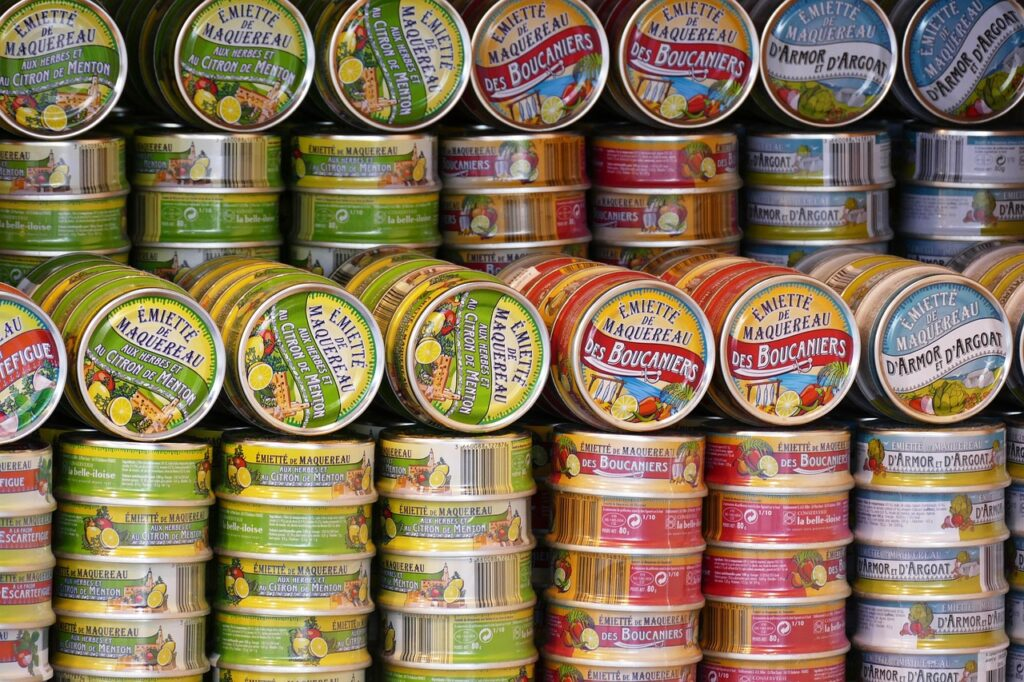
Cheap snacks often feel like rational purchases, even when they go stale in your cupboard. Multi-buy promotions, oversized bags, and limited-time discounts create the sense that not buying would be wasteful. That is a pricing illusion retailers understand very well.
People tend to confuse value with volume. A larger bag appears more economical on a per-ounce basis, so shoppers ignore whether they actually like it enough to finish it. Research in consumer psychology consistently shows that unit-price framing can override personal preference.
This is why many households end up with crackers, bars, or sweets that nobody reaches for. The purchase was justified by savings, not enthusiasm. You did not buy your favorite snack at a smart price. You bought a tolerable snack wrapped in the language of efficiency.
Decision fatigue quietly lowers your standards

By the time many people shop, they have already made dozens of decisions about work, family, money, and schedules. That mental wear reduces patience for comparison. Instead of evaluating ingredients, flavor, and satisfaction, people settle for whatever seems good enough.
Decision fatigue does not mean you become irrational. It means you become more likely to accept easy options and avoid friction. In food environments packed with choice, the easiest option is usually the one with the strongest branding, the simplest promise, or the most familiar shape.
That is why "good enough" snacks become repeat purchases. Once an item enters your routine, it gains an unfair advantage over better alternatives. Over time, the gap between what you actually enjoy and what you regularly buy can become surprisingly wide.
The fix is to reduce cues and raise your standards

The most effective solution is not stricter self-control. It is changing the conditions that produce automatic buying. Shopping with a list, eating before errands, and avoiding snack aisles unless needed all reduce cue-driven decisions.
Another useful tactic is to create a personal standard. Ask one simple question before buying: "Would I be happy to eat this tonight?" If the answer is no, a discount should not rescue it. This shifts the decision from habit and marketing back to real enjoyment.
You can also keep a short list of snacks you truly like, including practical options such as roasted nuts, fruit, yogurt, popcorn, or dark chocolate if those genuinely satisfy you. The goal is not perfection. It is to stop outsourcing your appetite to stress, shelf placement, and packaging.




Leave a Reply