
Tipping in Canada is no longer a quiet social custom. It has become a public debate about fairness, wages, technology, and the real cost of eating out.
Tip prompts changed the psychology of paying

The biggest visible change is the payment screen. At many Canadian restaurants, diners now face preset tip options of 18%, 20%, or 25%, often calculated after tax. That small design choice has had a large effect on how people feel when the bill arrives.
What used to be a private decision made with cash is now a public moment on a handheld terminal. Many customers feel rushed, watched, or subtly pressured. Behaviour experts have long noted that default options shape decisions, and restaurants have embraced systems that make higher tips easier to choose than lower ones.
This is one reason tipping feels more aggressive than it did a decade ago. The custom itself is not new, but the interface is. Canadians are reacting not just to the amount requested, but to the sense that technology has turned gratitude into a scripted checkout step.
Rising costs made diners question the old norm

Sticker shock is doing as much to change tipping culture as etiquette is. Menu prices have climbed sharply due to higher food costs, rent, utilities, insurance, and labour. According to Statistics Canada inflation data over recent years, restaurant meals have become noticeably more expensive, even before tax and tip are added.
When a casual meal costs far more than it did before the pandemic, the expected tip also rises automatically because it is percentage-based. A 15% tip on a larger bill becomes a bigger dollar amount, even if the level of service has not changed. Many diners now ask why they should pay more twice, once through higher prices and again through higher gratuities.
This pressure is especially strong among younger adults and families watching every expense. Eating out has become an occasional treat rather than a routine habit. In that environment, tipping is no longer seen as a simple courtesy. It is increasingly viewed as part of a much bigger affordability problem.
Wage policy weakened the case for traditional tipping

A major structural reason for change is that the policy logic behind tipping has shifted. In several provinces, the gap between liquor server wages and general minimum wages has narrowed or disappeared. In Ontario, for example, the separate lower minimum wage for liquor servers was eliminated in 2022.
That change matters because many customers had long justified tipping as a way to top up lower base pay. Once diners learned that servers in many places now earn at least the general minimum wage, some began to question why North American style tipping expectations remained so high. The moral rationale became less clear.
Workers and owners, however, point out that minimum wage is not the same as a living wage, especially in large cities. Servers also deal with irregular shifts, tip sharing, and physically demanding work. So while wage reform changed public perception, it did not erase the income dependence that many restaurant workers still face.
People are noticing where tips actually go
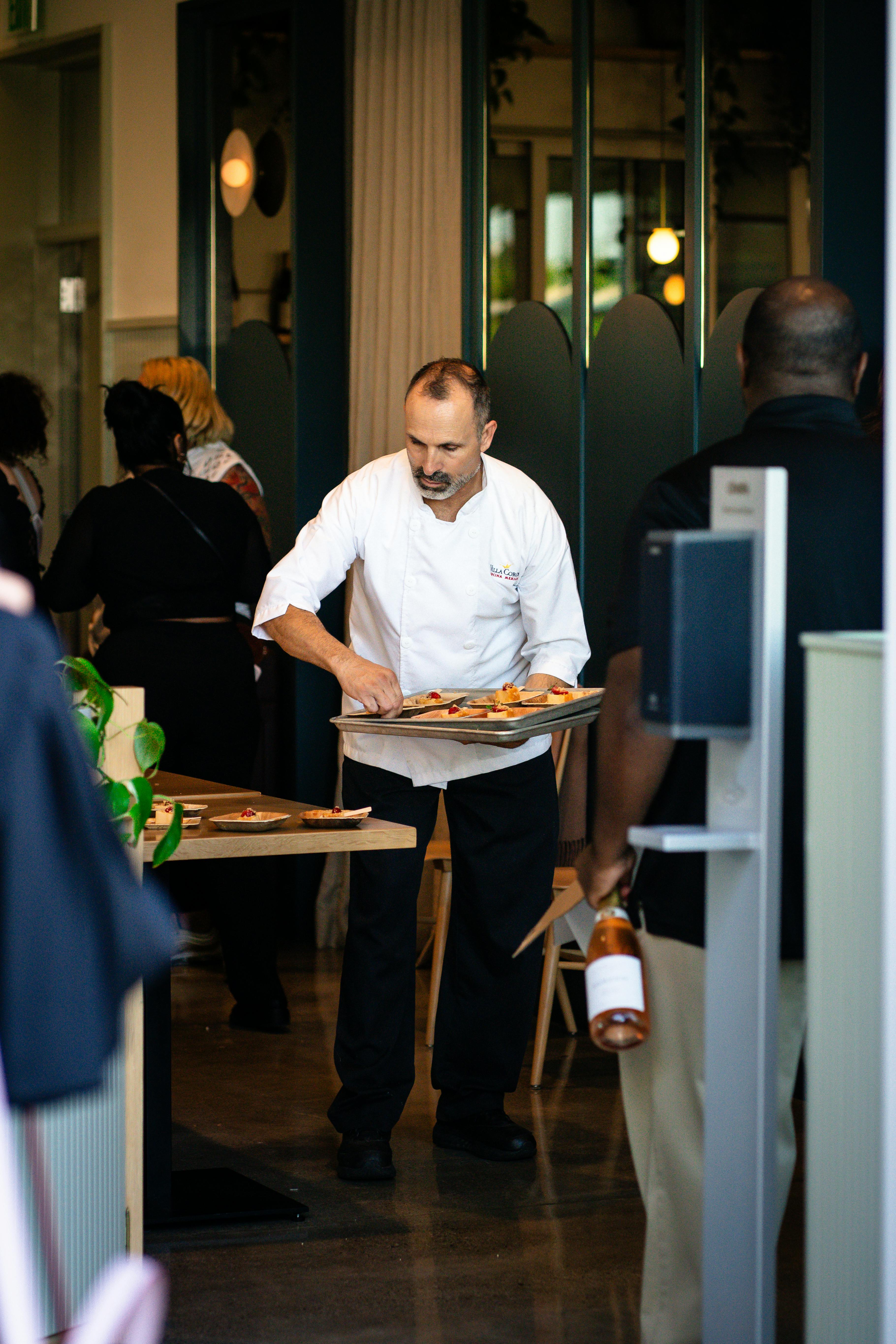
Another force behind the backlash is transparency, or the lack of it. Many Canadians assume a tip goes directly to the server who helped them. In reality, tip pools and tip-outs often distribute money across front-of-house staff, bartenders, hosts, and sometimes kitchen teams, depending on the restaurant.
That system can be fairer internally, but it also complicates the customer's mental model. Some diners are surprised to learn that servers may have to tip out a percentage of sales regardless of what the customer leaves. Others become frustrated when tip requests appear in counter-service settings where traditional table service is limited or absent.
As these details become more widely discussed in news coverage and on social media, the simple story of tip equals reward has broken down. Consumers want clarity. If they are being asked for 20% or more, many now expect a clearer explanation of who benefits and why.
Social media turned private frustration into a movement

For years, people complained quietly about tipping. Now they post screenshots of payment terminals, oversized tip suggestions, and confusing service charges for everyone to see. What once felt like a personal annoyance has become a shared national conversation.
This matters because social platforms do more than amplify outrage. They also normalize resistance. When diners see thousands of others choosing custom tip amounts, questioning after-tax calculations, or pushing back against 25% prompts, they feel less guilty about breaking with old expectations.
At the same time, restaurant workers are using the same platforms to explain unstable scheduling, low take-home pay after tip-outs, and the emotional strain of customer-facing jobs. The result is not a one-sided revolt. It is a broader public education on how restaurant economics actually work.
The real shift is about trust and value

At its core, the tipping debate is not really about generosity. It is about whether the exchange feels honest. Canadians will still tip for warm, attentive service, but they are less willing to accept automatic social pressure when prices are already high and the rules seem unclear.
Restaurants that navigate this best are usually the ones that communicate clearly. Some are experimenting with service-inclusive pricing, lower default prompts, or straightforward explanations of tip distribution. Those approaches do not eliminate tension, but they reduce the feeling that the customer is being cornered at the terminal.
That is why Canadian tipping culture is changing so fast. The old system depended on shared assumptions about wages, service, and fairness. Once inflation, policy changes, and digital nudges weakened those assumptions, the culture moved quickly from habit to scrutiny.




Leave a Reply