
A growing number of Canadian diners are seeing an unfamiliar line on menus: no substitutions. It may sound inflexible, but for many restaurants, it is becoming a practical survival strategy.
Rising costs are changing the rules
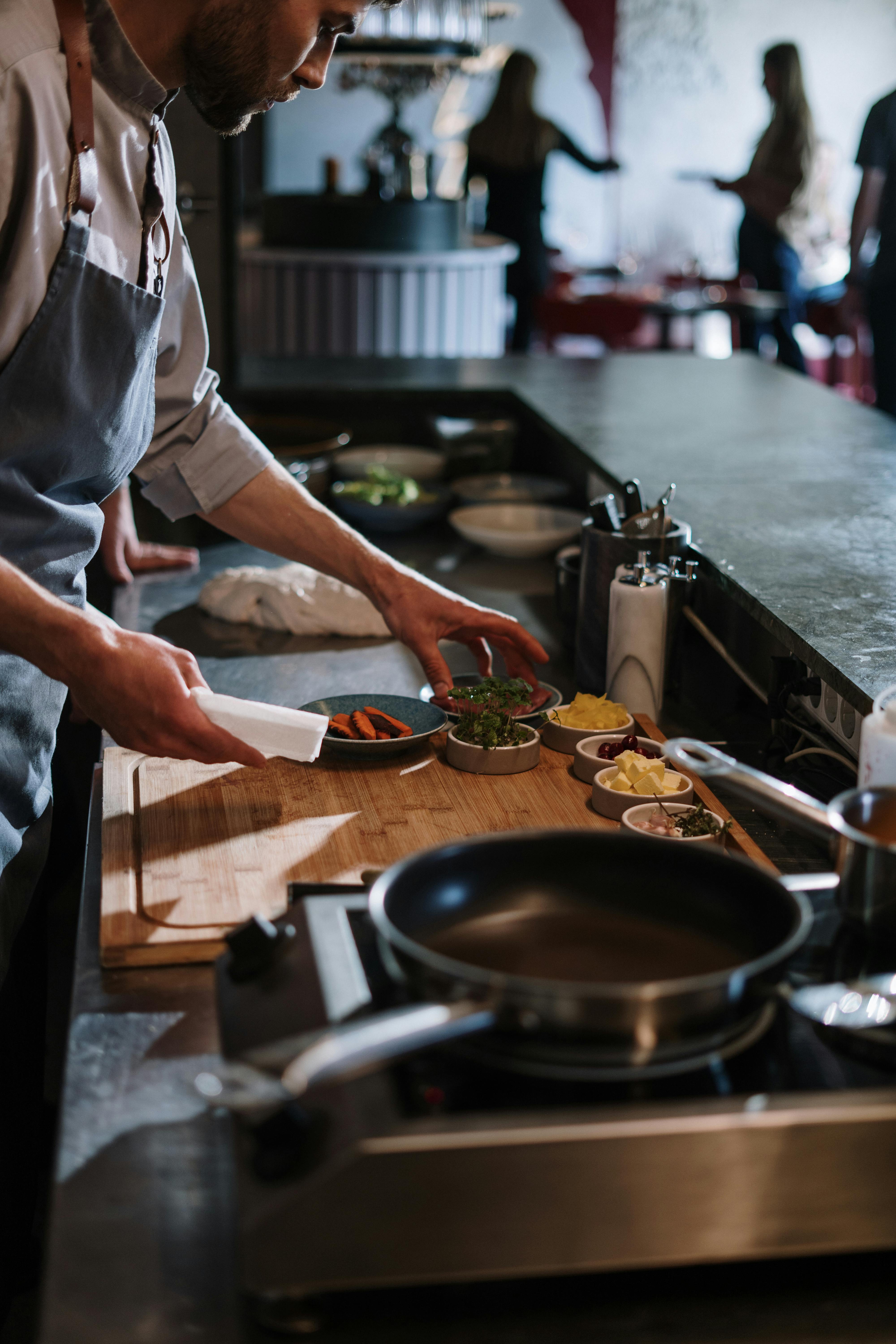
At the heart of the substitution debate is a simple reality: restaurant margins in Canada are thin. Food inflation, higher rent, utilities, insurance, and labour costs have all pushed operators to rethink how every plate is priced and prepared.
A swap that seems minor to a guest, such as changing fries to salad or removing one ingredient for another, can disrupt food costing. Restaurants build menus around exact portions, supplier contracts, and prep plans, so frequent changes can quietly erode profit on already tight dishes.
Industry groups such as Restaurants Canada have repeatedly warned that many operators continue to face significant financial strain even after the pandemic recovery period. In that context, standardization is no longer just about convenience. It is about protecting viability.
Kitchen efficiency matters more than customers realize
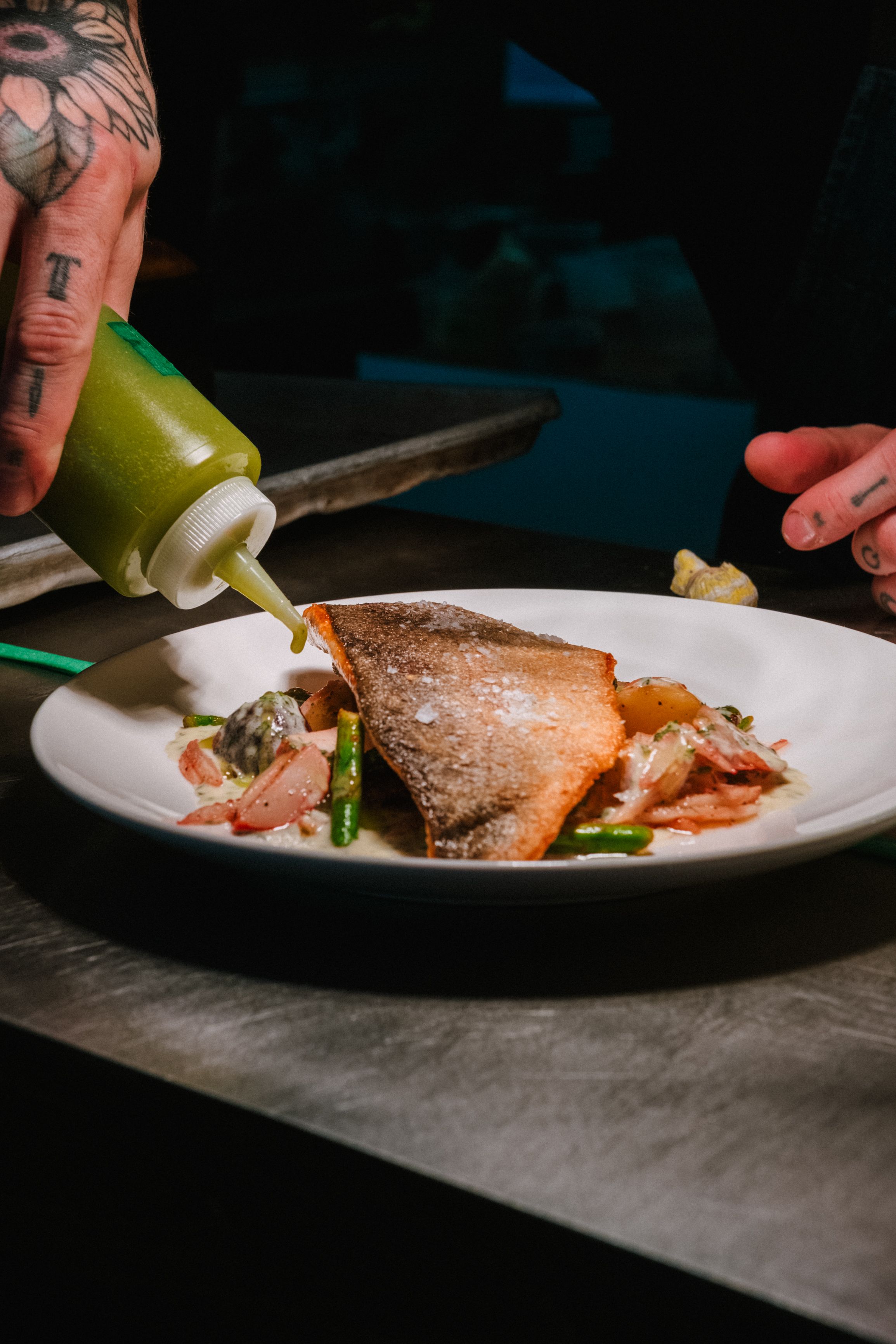
Behind every no-substitutions policy is usually a kitchen trying to stay fast and accurate. During lunch rushes and busy weekend service, customization can create bottlenecks that spread from the grill to the pass and finally to the dining room.
Each special request forces cooks to pause, confirm, alter plating, and sometimes restart a dish. In smaller independent restaurants, where one station may handle several menu items at once, too many modifications can slow the entire line and increase the odds of mistakes.
This is especially true in open kitchens and compact urban restaurants in cities like Toronto, Montreal, and Vancouver, where space is limited and service volume is high. A strict menu can help staff maintain pace, reduce ticket confusion, and deliver a more reliable guest experience.
Chefs want dishes served as intended
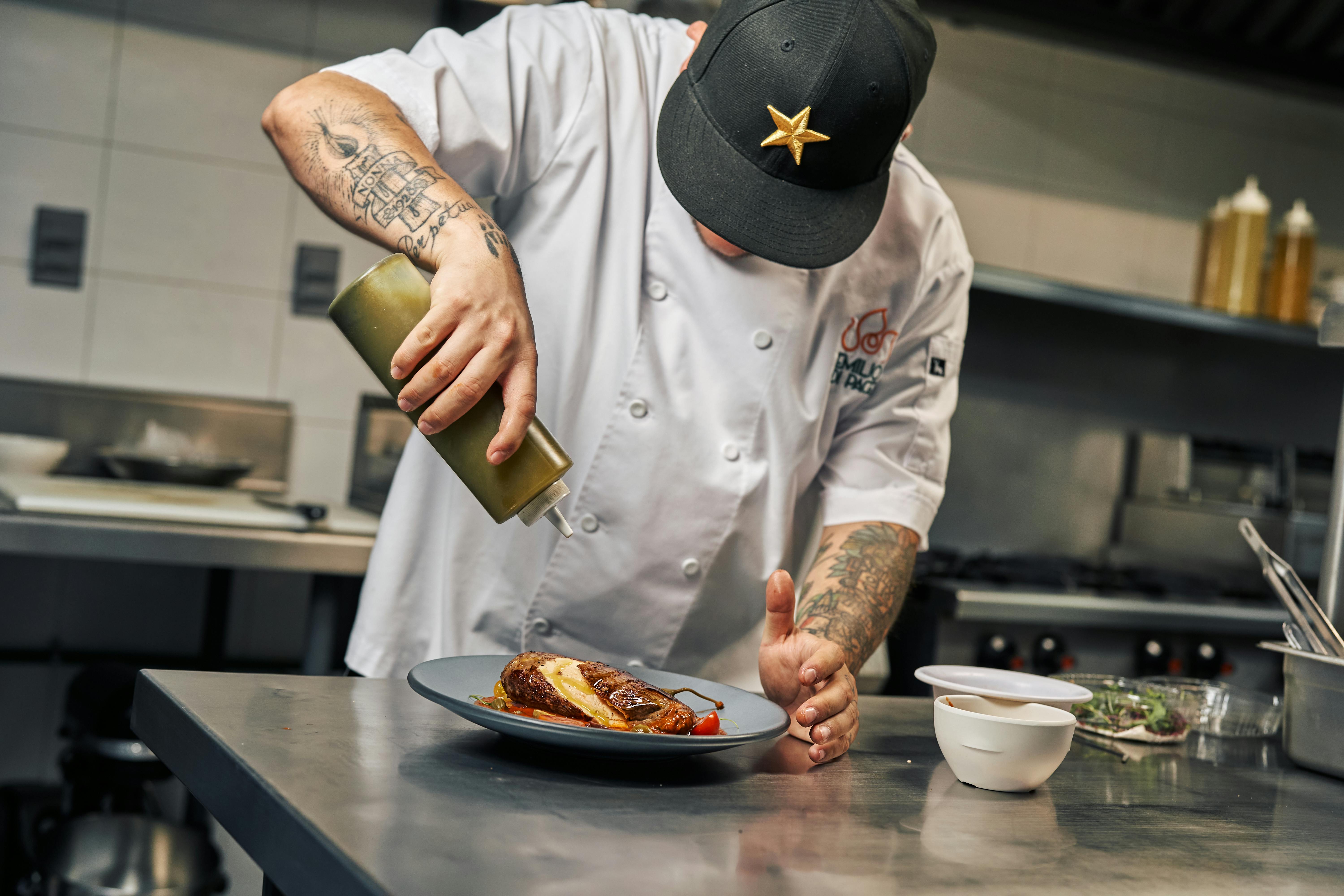
For many chefs, a menu item is not just a collection of interchangeable parts. It is a finished composition, with ingredients chosen to balance texture, temperature, acidity, richness, and presentation in a specific way.
That helps explain why some restaurants are more willing to remove an ingredient for allergy or religious reasons than to replace it for preference. A substitution may sound harmless, but it can materially change the dish and lead diners to judge the restaurant based on something the chef never meant to serve.
High-end restaurants have taken this approach for years, but the idea has spread to more casual concepts as chef-driven dining has become mainstream in Canada. The message is clear: if a dish is on the menu, it is there in its complete form for a reason.
Allergy requests are not the same as preferences
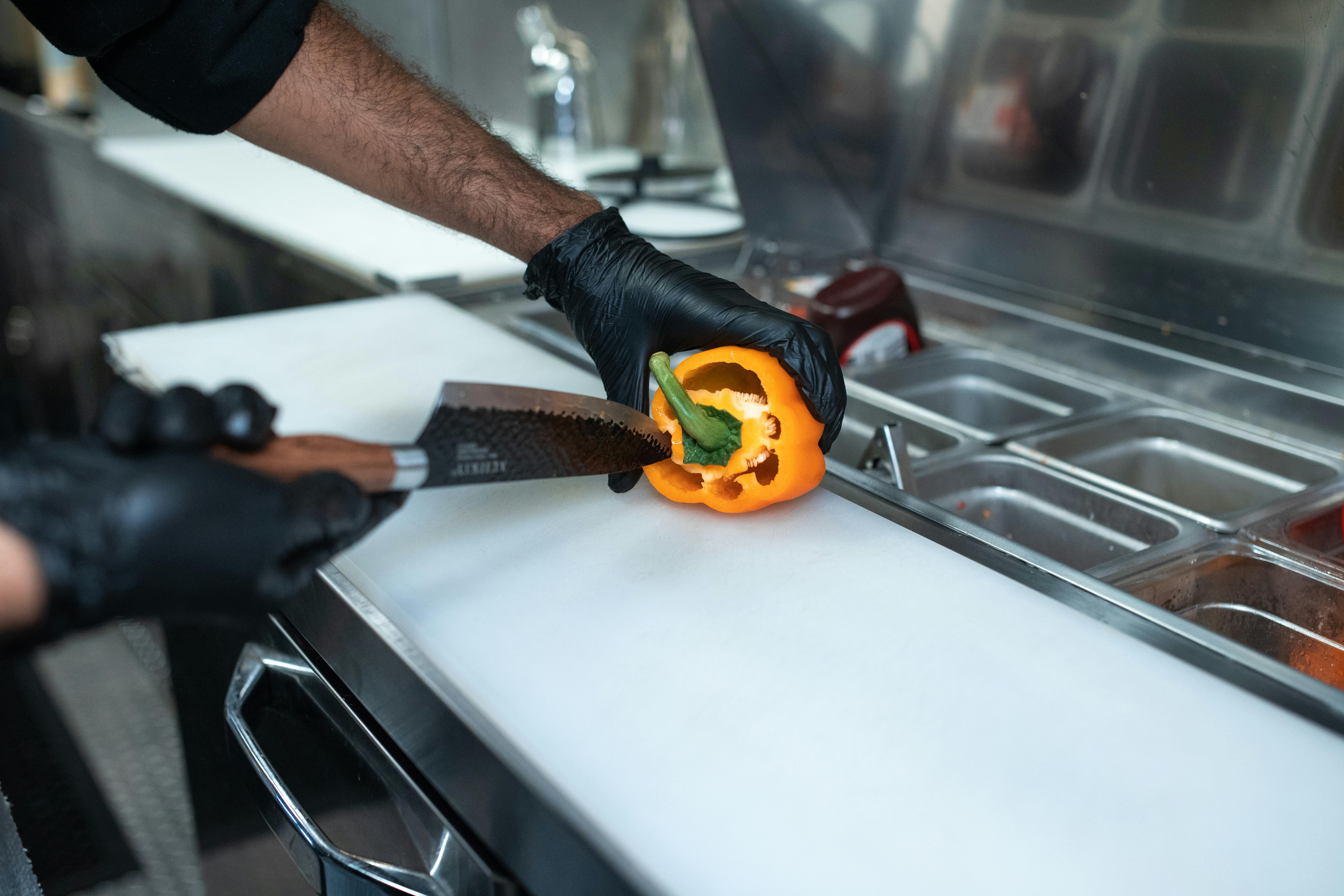
Most Canadian restaurants that ban substitutions still make room for genuine dietary needs when they safely can. There is a major difference between a medically necessary allergy accommodation and a preference-based request to redesign a menu item.
That distinction matters because kitchens must manage serious liability around allergens such as nuts, shellfish, dairy, and gluten. Staff training, separate tools, ingredient verification, and clear communication are all essential, and those steps are treated very differently from casual swap requests.
Some operators say the flood of non-essential modifications can also make it harder for teams to identify truly critical allergy tickets quickly. By limiting elective substitutions, restaurants can focus more carefully on the requests that affect customer safety rather than simple taste.
Technology and delivery have made customization harder
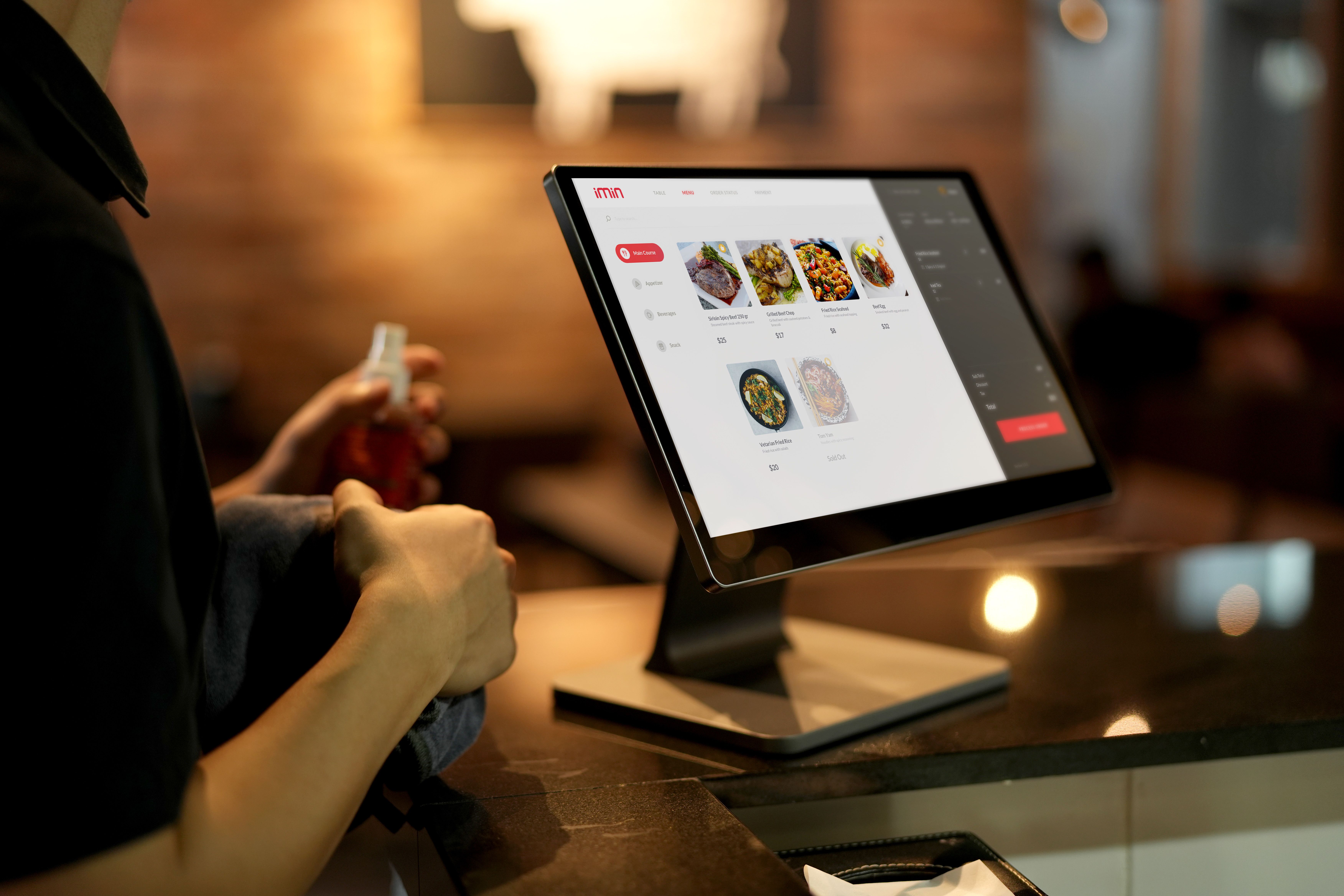
At first glance, digital ordering should make substitutions easier. In practice, app-based ordering, third-party delivery platforms, and integrated point-of-sale systems often push restaurants toward simpler menus with fewer variables.
Every added option requires programming, pricing logic, kitchen display clarity, and packaging adjustments. If those systems are not perfectly aligned, a substituted order can arrive wrong, trigger a refund, and hurt both the restaurant and the guest experience.
Delivery has also raised the stakes around consistency. A dish that works in the dining room may not travel well after substitutions alter moisture, temperature, or structure. For many operators, banning swaps is partly a way to protect food quality once the meal leaves the kitchen.
Diners may resist, but the policy is likely to spread
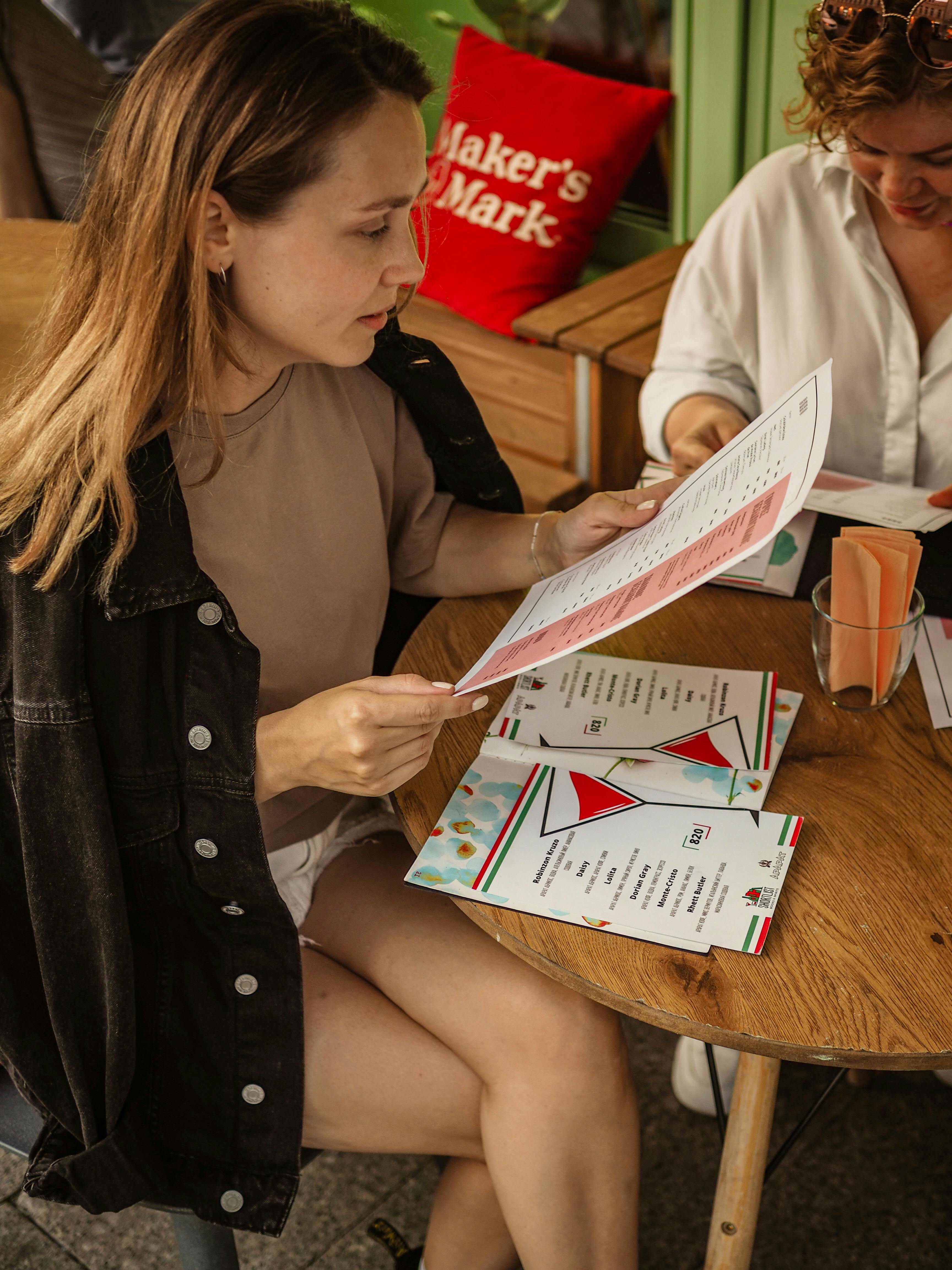
Some guests see no-substitution rules as rigid or unfriendly, especially in a dining culture that increasingly values personalization. But restaurants are betting that clarity up front is better than frustration later over delays, errors, or disappointing altered dishes.
In many cases, the policy is less about saying no to customers than about defining what a restaurant can execute well. Operators that communicate the reason clearly, train front-of-house staff carefully, and offer enough menu variety often avoid the backlash people might expect.
As economic pressure continues and kitchens remain lean, more Canadian restaurants will likely adopt stricter boundaries around customization. What feels like a hard line today may soon become a normal part of dining out across the country.




Leave a Reply