
Few dishes say as much about a country as poutine does about Canada. What looks simple on the plate carries a much bigger story about identity, memory, and taste.
A Messy Dish With a Murky Beginning

Poutine's origin is famously disputed, and that uncertainty is part of its appeal. Most food historians place its birth in rural Quebec in the late 1950s, when casse-croûtes, or roadside snack bars, served fries and fresh cheese curds to workers, students, and travelers. Several towns, including Warwick, Drummondville, and Victoriaville, have all claimed to be the true birthplace.
One widely repeated story credits restaurateur Fernand Lachance of Warwick, who reportedly exclaimed that the mixture would make "une maudite poutine" when a customer asked for curds on fries. In Quebec slang at the time, the word could suggest a mess or odd mixture. That rough, unpolished identity fit the dish perfectly and helped define its early reputation.
Gravy arrived soon after and transformed the plate from snack to meal. The heat softened the curds without fully melting them, creating the squeaky texture that remains essential to traditional poutine. That specific balance of hot fries, rich sauce, and fresh curds is why purists still argue that not every loaded fries dish deserves the name.
Why Quebec Embraced It First

Poutine did not begin as prestige food. It was cheap, filling, and easy to assemble, making it ideal for blue-collar communities and small-town diners where practicality mattered more than presentation. In postwar Quebec, a dish that combined dairy, potatoes, and gravy reflected the ingredients and habits of a province shaped by farms, Catholic fasting traditions, and working-class appetites.
Its first loyal audience was not tourists or chefs, but ordinary people grabbing quick meals after shifts or hockey games. That matters because poutine's rise was built from the bottom up. It spread through local habit long before it earned any kind of national branding.
There was also a cultural edge to its acceptance. For years, some urban elites dismissed poutine as unsophisticated Quebec junk food. That skepticism only strengthened its local identity, turning the dish into an unpretentious badge of regional pride at a time when Quebec culture was asserting itself more forcefully in public life.
From Regional Specialty to National Symbol
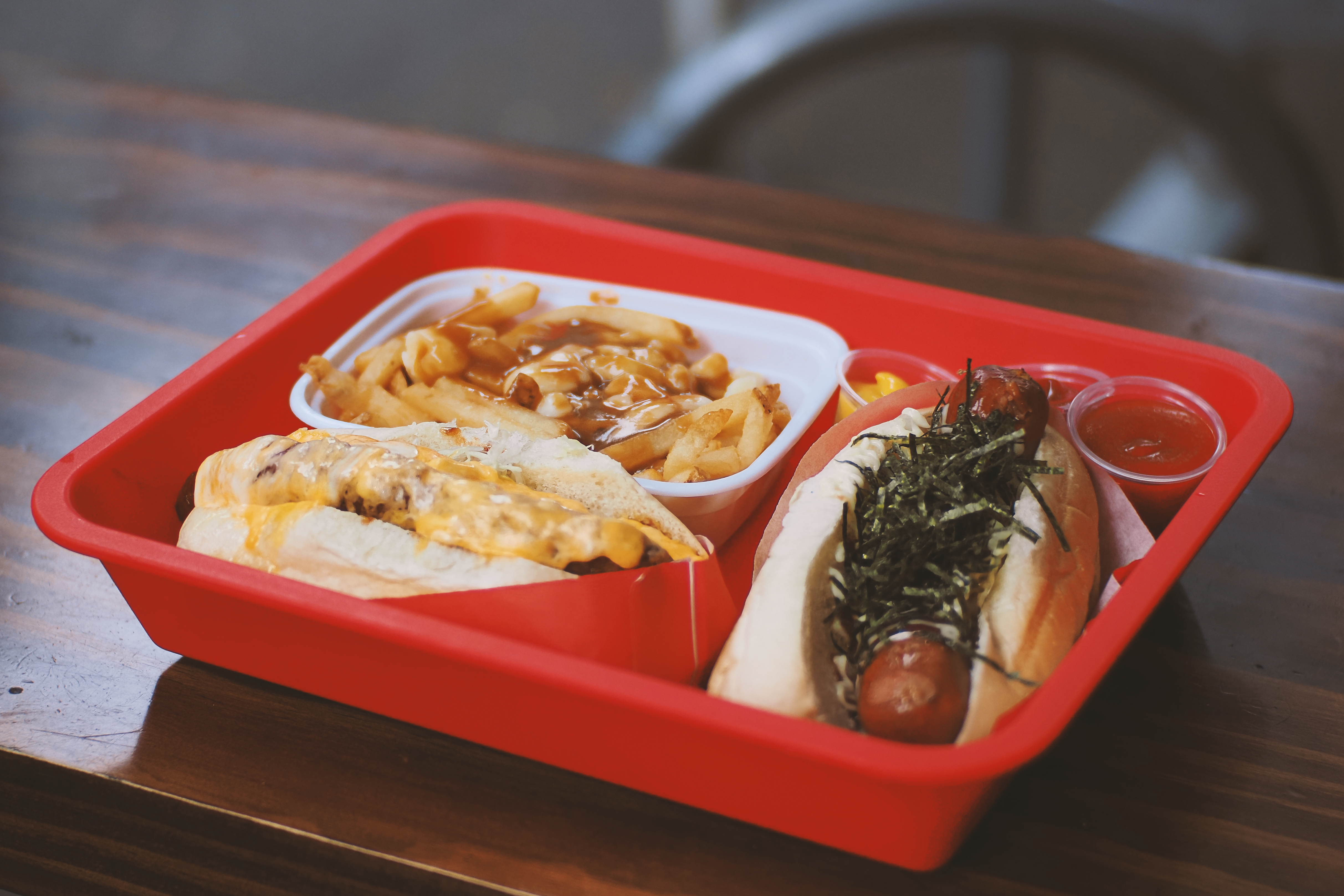
Poutine's move beyond Quebec was gradual, then suddenly unstoppable. Chain restaurants helped standardize it in the 1980s and 1990s, introducing versions that could travel across provinces without losing the dish's core appeal. Smokes Poutinerie and major fast-food brands later accelerated that shift, bringing poutine into malls, arenas, and highway stops across the country.
As it spread, it became part of the wider story Canadians tell about themselves. Unlike foods tied to formal dining, poutine felt democratic. It was affordable, recognizable, and adaptable, which made it ideal for a country that often searches for common symbols across strong regional differences.
Its growing profile also mirrored changes in food culture. Media coverage, travel writing, and televised cooking competitions began treating poutine as more than a guilty pleasure. By the early 2000s, it had crossed an important line from local comfort food to accepted national icon.
How Chefs Reinvented a Humble Classic

The turning point came when chefs stopped seeing poutine as a joke. Upscale restaurants in Montreal, Toronto, and Vancouver began using duck confit, foie gras, braised short ribs, lobster, and wild mushroom gravy, reframing the dish as a serious canvas for technique and regional ingredients. That shift gave poutine cultural legitimacy without erasing its roadside roots.
Food scholars often point out that this kind of reinvention happens when a once-marginal dish enters the mainstream. The same happened with tacos, ramen, and barbecue in other countries. Poutine followed a similar path, moving from local shorthand for excess to a dish worthy of culinary experimentation.
Even so, the best versions still respect the original engineering. Crisp fries must withstand gravy, curds must be fresh enough to squeak, and the sauce must bind the dish rather than drown it. Innovation expanded poutine's audience, but the classic formula remains the standard by which all variations are judged.
Late Nights, Hockey, and the Culture of Craving

Part of poutine's hold on Canada comes from when people eat it. It thrives in the hours after concerts, bars, road trips, and rink time, when comfort matters more than restraint. That timing gave poutine a place in social ritual, not just in menus, and helped make it emotionally sticky across generations.
Its connection to hockey culture is especially strong. Arenas, junior rinks, and sports bars turned poutine into a natural companion to game nights, where cold weather and communal energy favored hot, hearty food. In that setting, it became tied to memory: the paper tray, the steam, the noise, the winter coat still on.
There is also a scientific reason it feels so satisfying. The combination of salt, fat, carbohydrates, and umami triggers strong reward signals, which helps explain why poutine remains so craveable. Its power is not mysterious, but its emotional grip goes beyond chemistry into nostalgia and belonging.
Why the Obsession Still Endures

Canada's obsession with poutine lasts because the dish can carry contradiction without breaking. It is rural and urban, humble and gourmet, French Canadian and pan-Canadian all at once. Few national foods can hold that many identities while still feeling authentic to the people who eat them.
It also benefits from being endlessly discussable. People debate the right gravy, the proper fry cut, whether toppings improve or ruin it, and which town deserves the origin story. Those arguments keep poutine alive as a living food rather than a museum piece.
Most of all, poutine endures because it satisfies more than hunger. It offers comfort, regional history, and a rare shared symbol in a country that often resists easy definitions. What began as a messy plate in rural Quebec became a national obsession because it tastes like both place and memory.


Leave a Reply