
Cheese seems simple until the law gets involved. In Canada, one technical rule quietly shapes what can be called Canadian cheese, and it has far more to do with milk ingredients than most shoppers realize.
The rule is really about milk, not nationality

At first glance, "Canadian cheese" sounds like a geographic label. Most people assume it means cheese made in Canada by a Canadian company using Canadian milk. In practice, the legal issue is much narrower and much stranger.
The key rule comes from Canada's cheese compositional standards, which are part of federal food regulations. These standards set what ingredients can be used and how much of the milk content must come from fluid milk or fluid milk products, rather than from heavily processed milk ingredients.
That distinction matters because modern food manufacturing can build cheese from many dairy inputs. Instead of starting mainly with fresh milk, a processor may rely more heavily on milk protein concentrates, skim milk powder, or other modified dairy substances. The law limits how far that can go if the product is to meet the standard for cheese.
Why Canada wrote this into law

This rule did not appear by accident. It grew out of a long fight over how industrial dairy ingredients were changing the cheese business and threatening the market for Canadian milk producers.
For years, dairy farmers argued that some manufacturers were replacing too much fresh domestic milk with imported protein-based ingredients. Those ingredients could lower costs and improve consistency in large-scale production, but they also weakened demand for milk produced on Canadian farms.
Regulators responded by tightening standards. The idea was not simply to protect tradition or taste, though both were part of the public discussion. It was also to preserve the economic role of Canada's supply-managed dairy system, which depends on stable demand for domestic milk.
Industry debates around the 2000s pushed the issue into the open. According to reporting at the time from outlets including CBC and The Globe and Mail, farmers and processors clashed over whether ingredient flexibility was innovation or a loophole. The eventual standards were a compromise, but one clearly tilted toward fluid milk use.
The strange threshold that changes everything

The odd part is that the law works through percentages and ingredient categories, not patriotic branding. For many cheeses, a minimum proportion of the milk ingredients must come from fluid milk or fluid milk products.
A commonly cited benchmark in Canada's compositional framework is that the milk used for certain standardized cheeses must include at least 63% fluid milk or fluid milk products, while no more than 37% can come from other milk ingredients. That number is obscure to consumers, but it is central to compliance.
In other words, two blocks of cheddar can both be made in Canada, packed in Canada, and sold by Canadian firms, yet only one may satisfy the standard if its recipe leans too heavily on concentrated or modified dairy inputs. The issue is not maple leaves on the label. It is the formula inside the vat.
What counts as fluid milk and what does not

This is where the rule becomes especially technical. Fluid milk generally means liquid dairy inputs closer to milk in its original form, including cream and some liquid milk derivatives used in cheesemaking.
Other milk ingredients can include concentrated proteins or powdered components that have been processed further for storage, transport, or manufacturing efficiency. These are still dairy ingredients, but regulators do not treat them as equivalent for compositional purposes.
That legal distinction reflects a policy judgment as much as a scientific one. From a food chemistry standpoint, processors can make acceptable cheese with a range of inputs. From a regulatory standpoint, Canada decided that standardized cheese should remain tied more directly to fluid milk, partly to support dairy farms and partly to maintain a traditional production base.
Why shoppers rarely notice it

Most consumers never encounter this rule directly because it operates behind the label. Shoppers see cheddar, mozzarella, or parmesan, not the compliance worksheet showing what share of the recipe came from fluid milk.
Packaging may not spell out the underlying ratio in plain language. Unless someone studies ingredient lists or follows dairy policy closely, it is easy to miss how the product was formulated and whether it aligns with the standard in the strictest sense.
Enforcement also tends to happen through regulation, inspection, and product standards rather than flashy public disputes. But the consequences are real. Standards influence sourcing decisions, factory economics, import patterns, and even what kinds of cheese are most practical to produce at scale inside Canada.
Why this "weird" law still matters
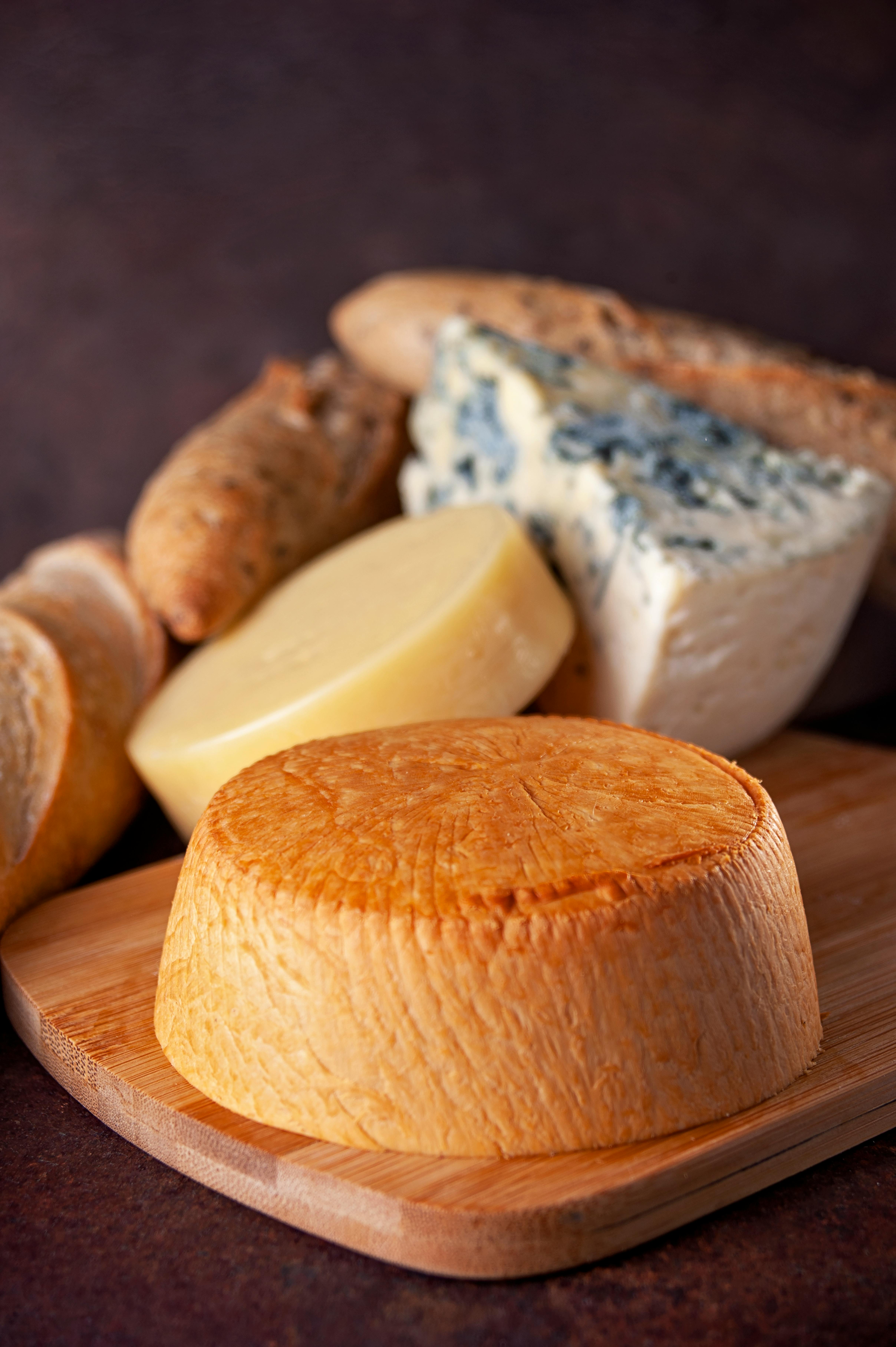
What makes the law feel weird is that it answers a cultural question with a technical formula. People ask what makes cheese Canadian, and the legal system replies with a composition rule about milk classes and ingredient percentages.
Yet that is exactly how food law often works. It translates values like authenticity, fairness, and agricultural protection into measurable standards that inspectors and manufacturers can actually apply.
In Canada's case, the cheese rule reveals a bigger truth about the food system. Labels that seem national or traditional are often backed by detailed regulations designed to shape markets. So when a cheese counts as Canadian in the eyes of the system, it is not just about where it was made. It is about what kind of milk went into making it.




Leave a Reply