Butter tarts are easy to dismiss as a simple old-fashioned dessert, but in Canada they carry far more weight than their size suggests. They connect home baking, regional identity, immigration, farming, and the country's enduring love of comfort food. This gallery explores why the butter tart still matters, not as a nostalgic relic, but as a living part of Canadian culture.
It tells a story about Canadian home baking
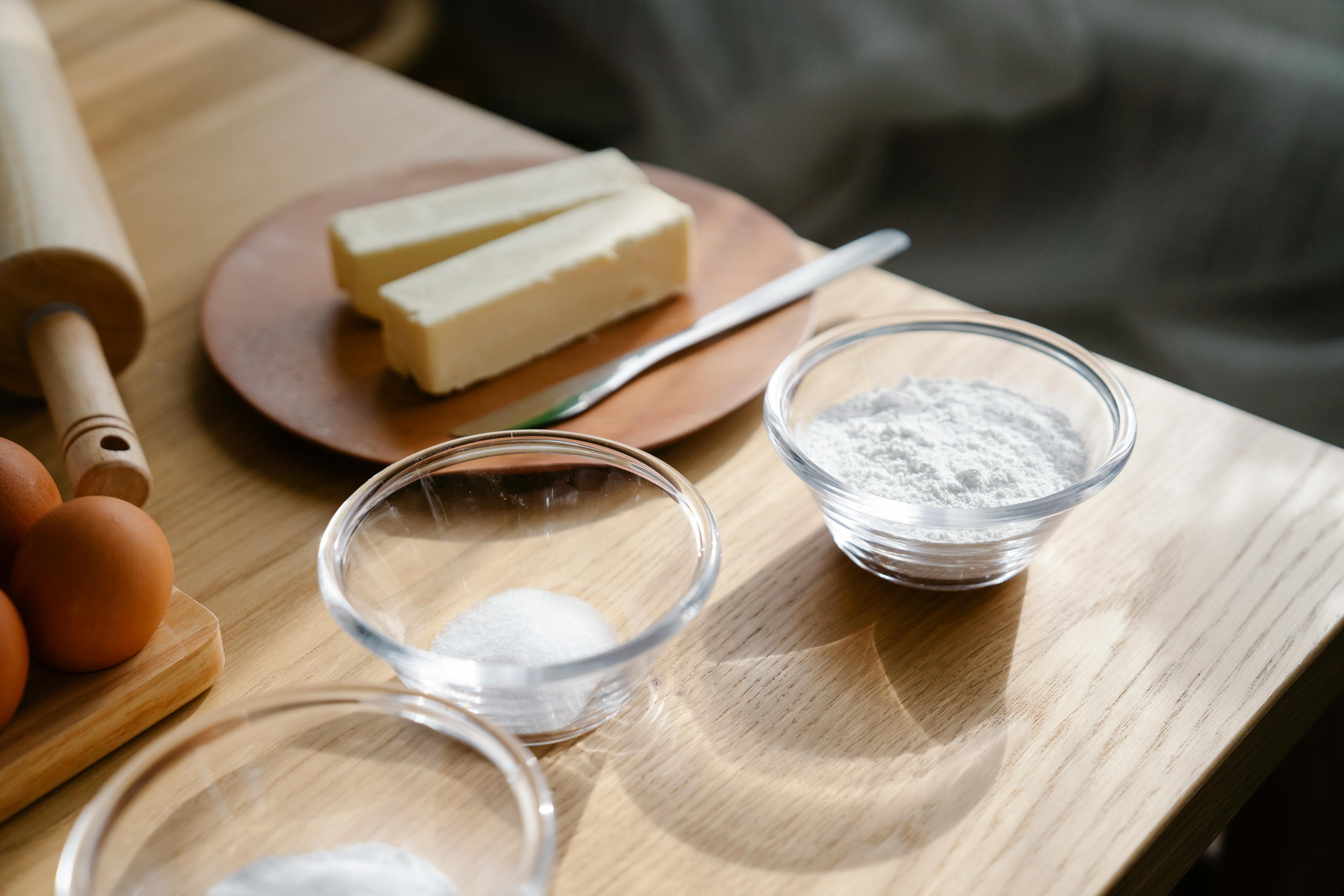
At first glance, a butter tart looks almost too modest to carry national meaning. Yet that is exactly why it matters. It grew out of home kitchens, church cookbooks, handwritten recipe cards, and practical baking traditions that made something memorable from pantry basics like butter, sugar, eggs, and pastry.
That history gives the dessert unusual staying power. Unlike luxury foods that depend on trends, butter tarts were built for everyday life. They fit farm tables, holiday spreads, school fundraisers, and small-town diners. In a country where food identity often forms around what families actually cook at home, the butter tart became a durable symbol of Canadian baking culture.
Its roots are local, but its influences are layered

One reason butter tarts still feel relevant is that they reflect how Canadian food really developed. Food historians often trace the tart to early settler cooking in Ontario, especially in the late 19th and early 20th centuries, when recipes began appearing in community cookbooks. But the idea did not emerge in a vacuum.
British pie traditions, French Canadian pastry skills, and the realities of North American ingredients all shaped the dessert. That mix is part of the point. Butter tarts are not important because they are untouched or pure. They matter because they show how Canadian cuisine was built, by adaptation, borrowing, and making regional food from the ingredients and traditions people had on hand.
The debate over raisins proves people care

Every beloved food has an argument attached to it, and butter tarts have one of the best. Raisins or no raisins. Runny filling or firm. Pecans, walnuts, currants, or absolutely nothing extra. The disagreement may sound playful, but it reveals something serious about how deeply the dessert is woven into Canadian life.
People do not fiercely defend foods they feel indifferent about. They defend foods tied to memory, family rules, and regional pride. That is why butter tart festivals, bakery rankings, and informal kitchen rivalries continue to thrive. The tart invites participation. Everyone seems to have a standard, and that standard usually comes from a grandmother, a hometown bakery, or a recipe someone refuses to change.
It remains a marker of regional identity

Butter tarts are often discussed as a national dessert, but their emotional power is strongly regional. Ontario, in particular, has embraced the tart as a point of pride, with dedicated trails, contests, and bakery cultures that treat it as local heritage rather than just another sweet. That regional energy helps keep the dessert visible.
At the same time, butter tarts travel well across the country because they speak to a broader Canadian idea of comfort. They belong in roadside bakeries, farmers' markets, and cottage tables. In a country where regional food identities can feel scattered, the butter tart offers something rare: a dessert that is both locally claimed and widely recognized.
It survives because it still fits modern tastes
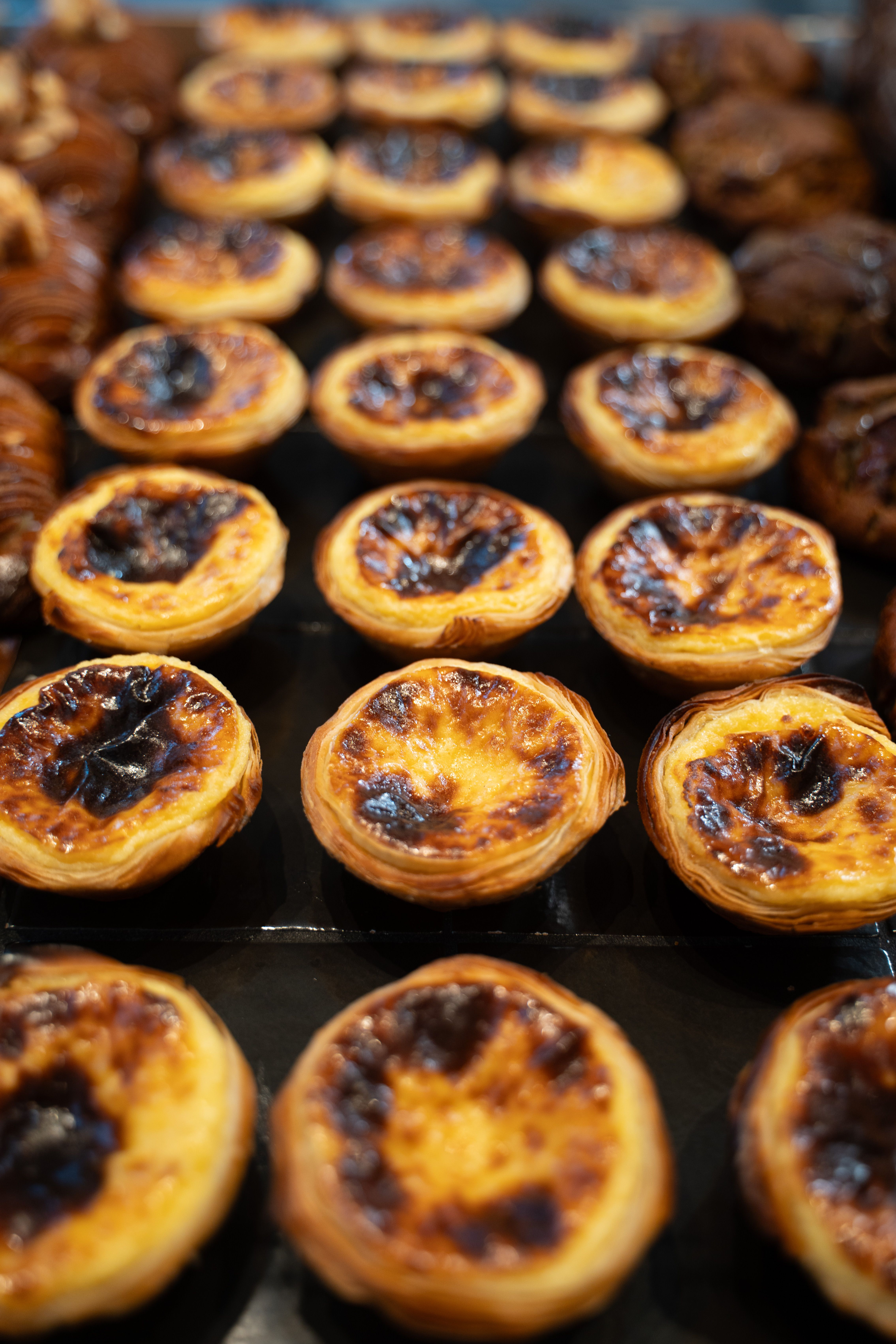
Nostalgia helps, but nostalgia alone does not keep a dessert alive. Butter tarts endure because they still deliver what many people want from a sweet: rich flavor, contrast in texture, and a portion that feels satisfying without being oversized. The flaky shell and soft center give them a sensory appeal that reads as classic rather than outdated.
Modern bakers have also kept them moving. You now see versions with bourbon, maple, sea salt, chocolate, or gluten-free pastry, yet the core identity remains intact. That flexibility matters. Foods survive when they can absorb new preferences without losing their character, and butter tarts have proven unusually good at doing exactly that.
Small bakeries helped turn it into a cultural staple
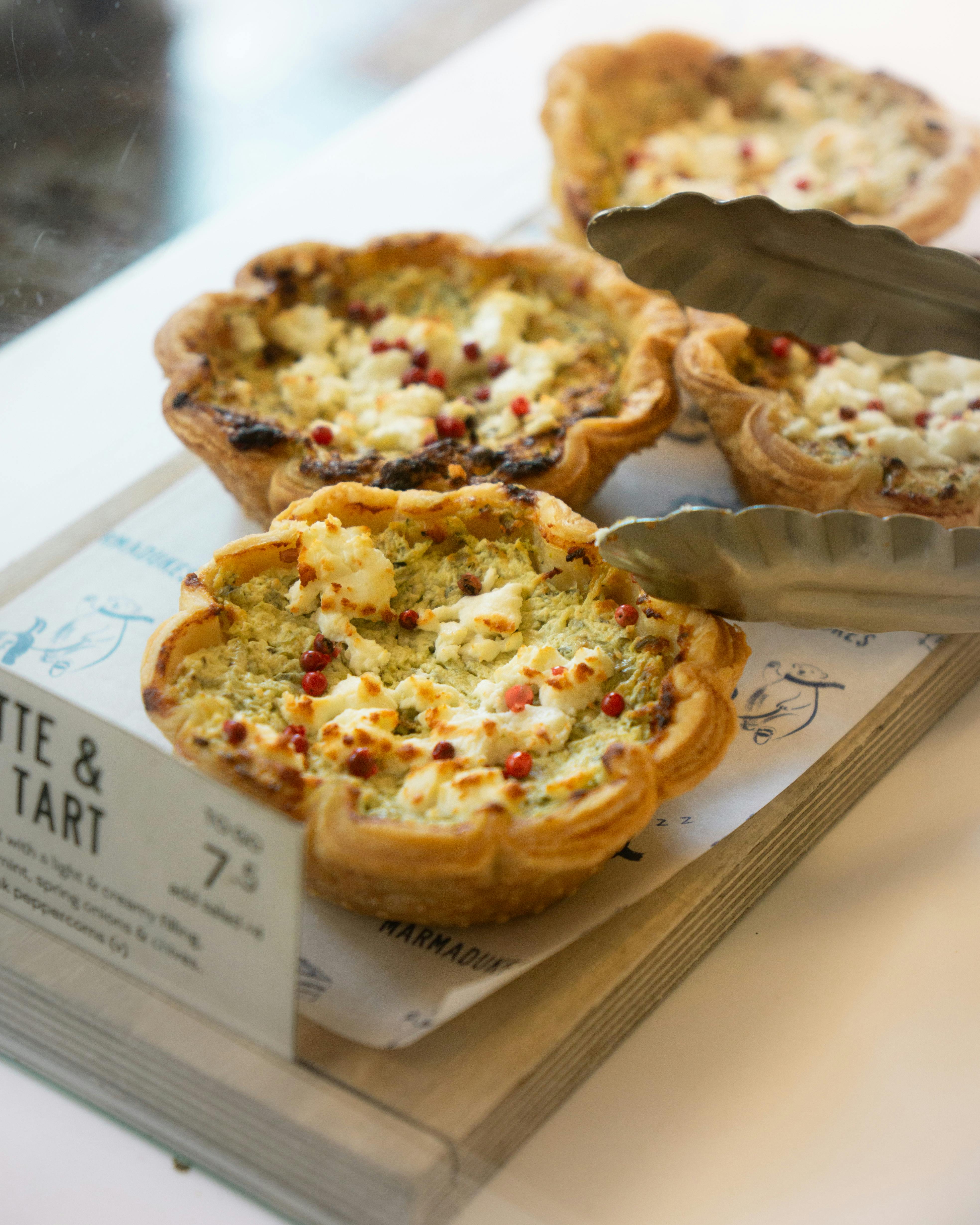
Part of the butter tart's staying power comes from where people encounter it. Not only at home, but in independent bakeries, coffee shops, community fairs, and rural stops that give the dessert a social life beyond private memory. Those places matter because they turn tradition into something visible and repeatable.
For many Canadians, a butter tart is linked to a specific bakery box on the passenger seat or a stop made on purpose during a road trip. That kind of ritual builds loyalty. It also supports local food economies. When bakeries use butter tarts to distinguish themselves, they are not just selling dessert. They are selling craft, familiarity, and a taste people associate with place.