
A carton of milk or a bag of chips can reveal more about Canada than most people think. In Quebec, food is not just sold. It is translated, regulated, and expected to speak to consumers in French first.
The rule is really about language on food
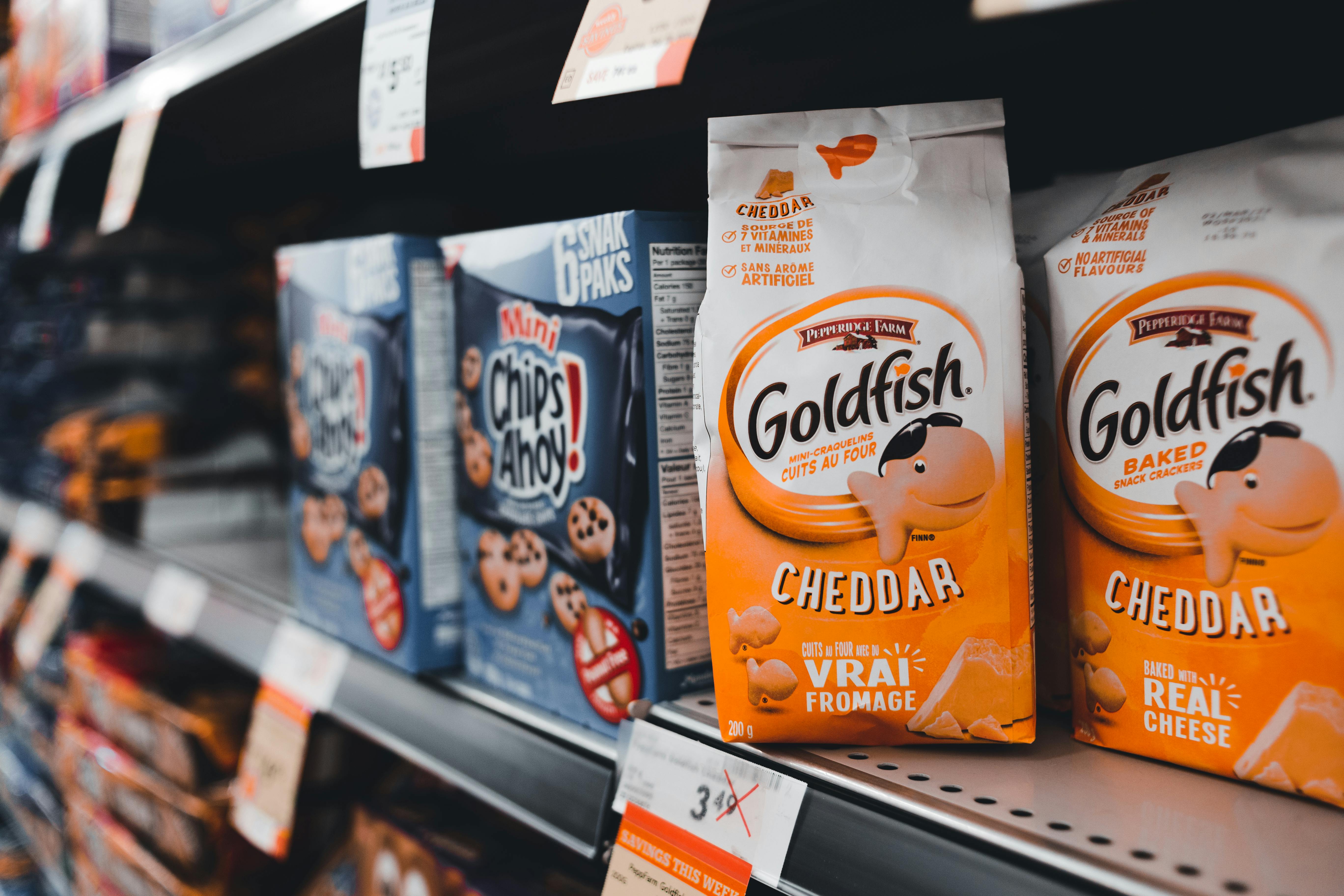
At the heart of this issue is Quebec's Charter of the French Language, often called Bill 101, along with federal food labelling rules. Across Canada, packaged foods generally need mandatory information in both English and French under Canadian Food Inspection Agency standards. That includes basics such as ingredients, allergens, net quantity, and nutrition facts.
Quebec goes further in how French appears in the marketplace. The province requires that French be markedly predominant on public signs, product displays, advertising, and many forms of commercial communication. For food companies, that often means the legal minimum bilingual label is not always enough if branding, shelf presentation, or promotional text tilts too heavily toward English.
That is where much of the quiet non-compliance has lived for years. A product might technically satisfy federal packaging law while still clashing with Quebec's broader language requirements. Outside Quebec, businesses often treat English-first packaging and marketing as normal. Inside Quebec, that same approach can attract scrutiny from the Office québécois de la langue française.
Why the rest of Canada often misses the point

Many Canadians assume food law is mainly about safety, contamination, and nutrition. That is understandable because federal regulators usually dominate the conversation. Recalls, allergen alerts, and health claims make headlines, while language rules rarely do, even though they directly shape what consumers see every day.
The misunderstanding also comes from how national brands operate. Companies often design one label for broad use, then make small adjustments only where required. In practice, that has encouraged a mindset where French is treated as a compliance box rather than as an equal language of commerce, especially in product launches, limited editions, and imported specialty foods.
Quebec has resisted that logic for decades. The province's position is that language is part of consumer protection because shoppers should be able to understand what they are buying without relying on English. In that sense, the rule is not cosmetic. It affects informed choice, product accessibility, and the visibility of French in an industry saturated with North American branding.
Where companies most often slip up
The most common problems show up in display panels, slogans, and product names supported by descriptive English text. A cereal box may carry bilingual mandatory details, for example, while its front-facing marketing copy remains overwhelmingly English. That imbalance can become an issue in Quebec, particularly when French appears smaller, weaker, or secondary in impact.
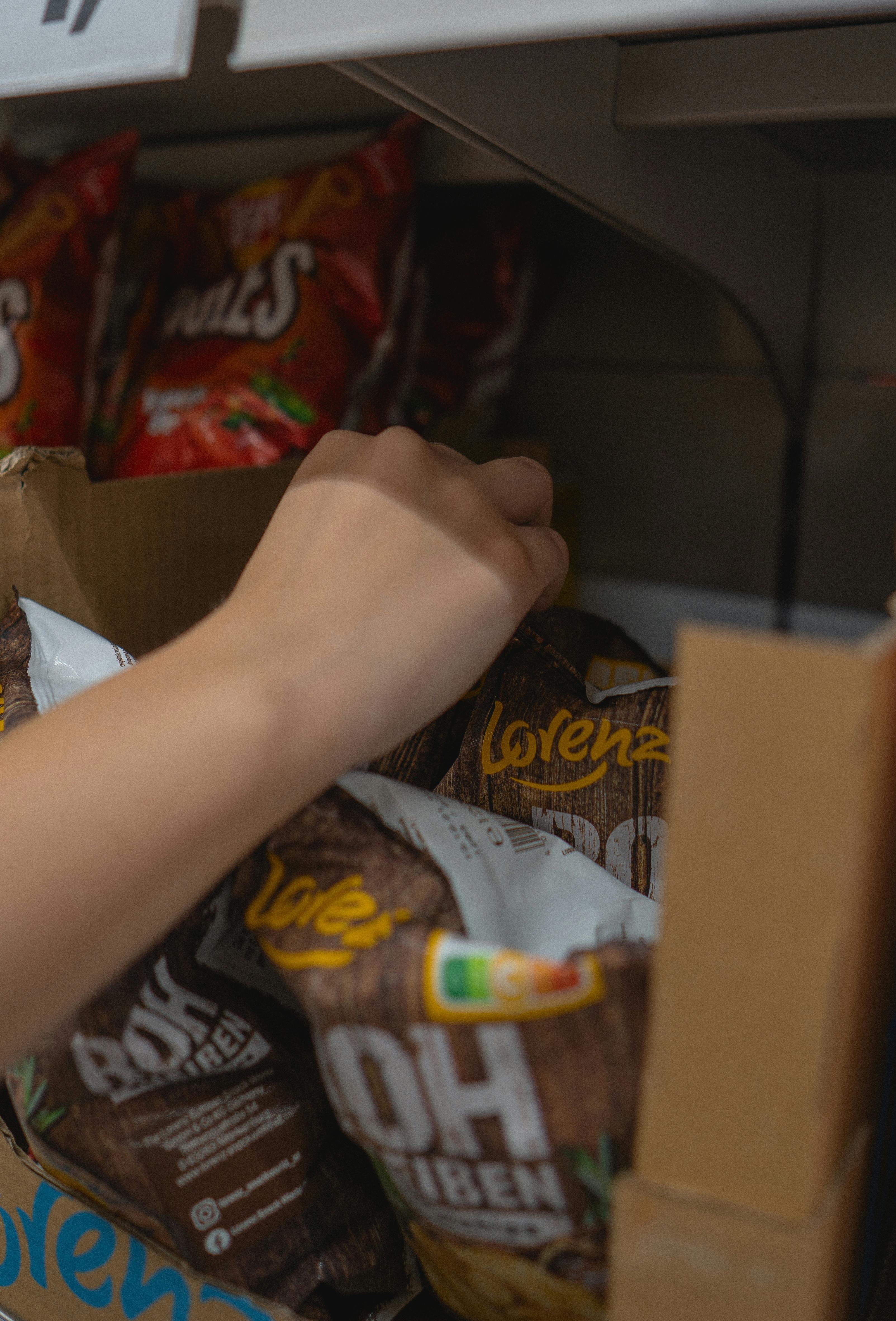
Imported foods are another flashpoint. Specialty snacks, sauces, candies, and beverages entering from the United States or elsewhere often arrive with little or no usable French. Retailers may add stickers to satisfy federal basics, but supplementary marketing language, in-store signage, and promotional materials can still fall short of Quebec's expectations.
Restaurants and menus have faced similar tension. Chains that standardize menu boards, product names, and seasonal promotions nationally have periodically had to adjust wording in Quebec. The controversy is rarely about whether poutine or maple syrup is "Quebec enough." It is usually about whether the commercial language surrounding food respects provincial law.
Enforcement has been real, even when quiet

This is not a theoretical rule sitting untouched in legislation. The Office québécois de la langue française has investigated complaints, issued notices, and pushed businesses to modify labels, displays, and advertising. Large retailers, restaurant chains, and consumer brands have all had moments where Quebec reminded them that French visibility is not optional window dressing.
What makes the issue seem quiet is that many cases never become national scandals. Companies often correct packaging on the next print run, change a menu board, or revise a shelf sign without much publicity. For regulators, that still counts as enforcement. For the public, it can look like nothing happened at all.
Recent changes have tightened the environment further. Updates linked to Bill 96 have reinforced expectations around French in commerce, including how trademarks and generic product descriptions appear. For food businesses, that means less room to rely on English-heavy branding strategies that may work elsewhere in Canada but sit uneasily within Quebec's legal framework.
Why consumers should care about a label dispute

At first glance, this can sound like a niche fight over typography. In reality, food labels carry information that affects health, trust, and everyday convenience. If a shopper is comparing allergens, preparation instructions, or product claims, language clarity matters. Quebec's approach treats that clarity as a right tied to the lived reality of a French-speaking majority.
There is also a cultural dimension that reaches beyond ingredients. Food is one of the most visible consumer categories in daily life, appearing in homes, schools, corner stores, and restaurant counters. When French is consistently reduced or sidelined in that space, Quebec sees more than a branding choice. It sees pressure on the public place of the language itself.
The debate also exposes a broader Canadian contradiction. Canada presents itself as bilingual, yet much of its consumer economy still defaults to English unless forced otherwise. Quebec's food rule throws that contradiction into sharp relief by insisting that bilingualism must be visible where people make ordinary purchasing decisions.
What this means for brands going forward

Smart companies increasingly understand that Quebec is not just another regional market with a translation requirement. It has a distinct legal and cultural expectation about how food is presented. That means planning packaging, point-of-sale materials, e-commerce descriptions, and advertising with French built in from the start rather than patched on later.
For national chains and imported brands, the practical lesson is simple. Waiting until a complaint arrives is more expensive than designing for compliance early. Businesses that localize thoughtfully tend to avoid legal headaches and often build stronger trust with Quebec consumers, who can tell the difference between meaningful adaptation and bare-minimum translation.
The bigger takeaway is that the rest of Canada has not really been "breaking" one Quebec food rule in secret so much as underestimating it in plain sight. Quebec never treated food language as a minor detail. It treated it as part of doing business fairly, clearly, and lawfully in a province determined to keep French visible at the table.




Leave a Reply