
A grocery run can feel routine. In reality, it is one of the most carefully engineered consumer experiences in Canada.
Why the store layout works against impulse control
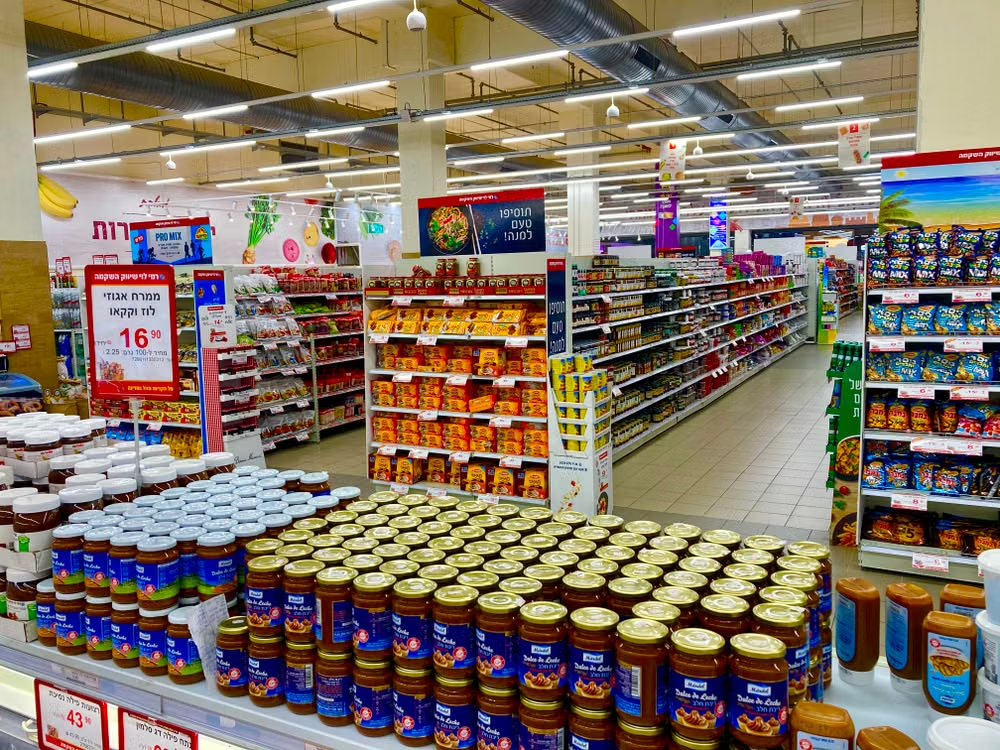
The moment shoppers enter, the environment begins steering decisions. Most Canadian supermarkets place produce, flowers, or bakery items near the entrance because fresh colors and warm smells create a sense of quality, abundance, and comfort. That positive first impression lowers resistance and makes the rest of the store feel trustworthy.
Then comes the path. Many stores are laid out to encourage a counterclockwise loop or a wide perimeter walk, pushing customers past high-margin departments before they reach staple items. Milk, eggs, and bread are rarely near the front for a reason. If essentials were easy to grab, shoppers would skip hundreds of products designed to trigger unplanned purchases.
Retail consultants have long described this as guided exposure. The more items people see, the more likely they are to buy something not on the list. In large Canadian chains, this strategy becomes even more effective when aisles are wide enough to slow movement and displays are angled to catch peripheral vision.
The real trick is decision fatigue
Most people think overspending happens because they lack discipline. In practice, it often happens because grocery shopping drains mental energy. Every choice, from cereal brands to yogurt sizes to discount labels, consumes attention. By the middle of the trip, shoppers are more likely to rely on shortcuts instead of careful comparison.
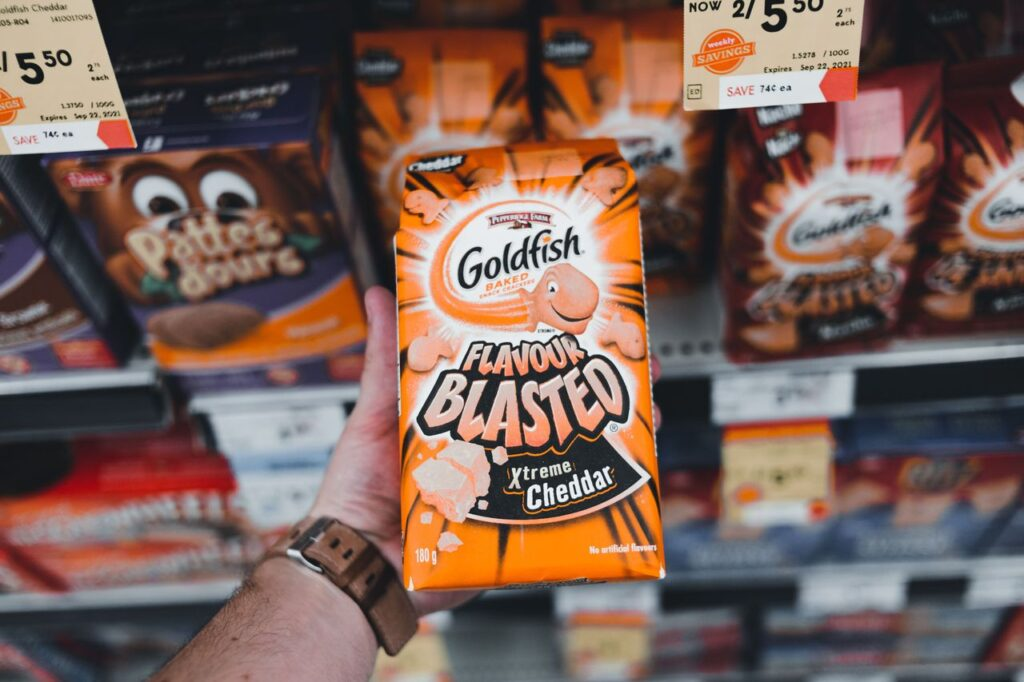
That is where stores gain an advantage. Once decision fatigue sets in, people gravitate toward products placed at eye level, items marked with bright sale tags, or brands they recognize instantly. These are not random placements. Eye-level shelf space is among the most valuable real estate in food retail because it captures tired, distracted buyers.
Researchers in consumer psychology have found that people under cognitive load make faster and less rational purchasing decisions. In a grocery setting, that can mean choosing convenience over value, larger packages over needed amounts, or premium items over store brands, all without feeling manipulated in the moment.
Pricing signals are built to feel like savings

A lower price is not the only thing that makes something look attractive. Stores use visual cues to create the feeling of a deal, even when the actual savings are small. Red signage, rounded prices, multi-buy offers, and shelf tags with large fonts can all make discounts appear more dramatic than they are.
In Canada, multi-buy promotions such as 2 for $5 or 3 for $10 are especially effective because they introduce urgency and quantity pressure. Shoppers often assume they must buy more to save more, even when a single item may be available at the same unit price. If they do not check carefully, they spend more simply to avoid missing out.
Unit pricing is meant to help, but many consumers still overlook it. That is why retailers emphasize the bigger headline number instead. A family-size product may seem economical, yet a smaller format on promotion can sometimes be the better buy. The psychological win comes from perception, not necessarily value.
End caps and checkout lanes drive last-minute spending

The ends of aisles are some of the most powerful selling spaces in any supermarket. These displays, known as end caps, get unusually high visibility and are often stocked with seasonal goods, snacks, beverages, or promoted brands. Because they interrupt routine aisle scanning, they create a pause that invites impulse decisions.
Many shoppers assume end-cap products are cheaper or specially selected. Often, they are simply paid placements or strategic promotions. According to retail industry reporting, manufacturers frequently compete for those positions because the sales lift can be substantial, especially in stores with heavy foot traffic.
Checkout lanes use the same logic in an even tighter form. Gum, chocolate, magazines, small toys, and single-serve drinks are placed where people are waiting and mentally finished with shopping. At that stage, self-control is weaker, boredom is higher, and adding one more item feels harmless, even when those extras steadily inflate the total.
Loyalty programs make spending feel smarter

One of the most effective modern tools is the loyalty program. In Canada, points-based systems can make customers feel rewarded for purchases they may not have planned. The promise of collecting points, unlocking personalized offers, or reaching a spending threshold changes the emotional frame from spending money to earning benefits.
That shift matters. Behavioral economists call this reward framing. People become more willing to buy extra items if they believe the purchase contributes to future savings. A customer might add a promoted product to earn bonus points, even when buying nothing would have saved more money overall.
These programs also generate detailed shopping data. Retailers learn which households buy diapers, pet food, frozen meals, or premium produce, then tailor offers accordingly. Instead of broad promotions, they can send highly specific incentives that feel useful and timely, making the upsell seem less like advertising and more like a smart personal deal.
How Canadian shoppers can push back effectively
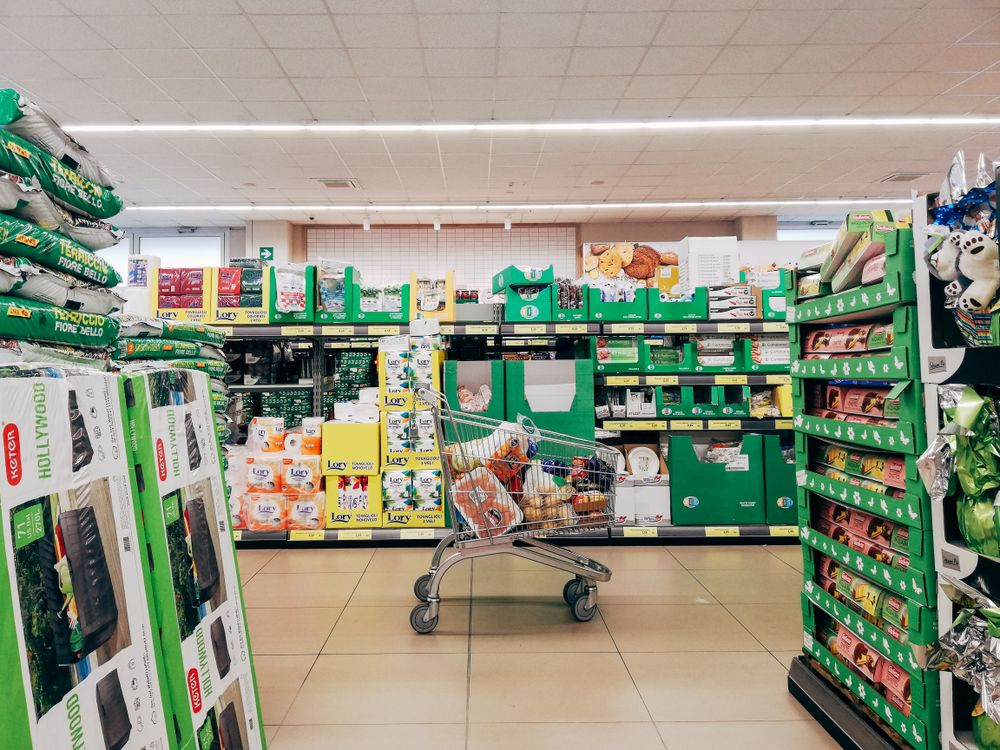
The good news is that these tactics lose power when shoppers recognize them. A written list remains one of the strongest defenses because it reduces unplanned decisions and keeps attention on needs. Eating before shopping also matters. Hunger increases sensitivity to food cues and makes indulgent products more tempting.
Another practical step is to compare unit prices and pause at every promotion. If a deal requires buying more than planned, it is worth asking whether the savings are real or just persuasive packaging. Shoppers can also avoid browsing end caps unless they are looking for a specific item, since those spaces are designed to interrupt discipline.
Finally, slower shopping often leads to lower spending. That sounds counterintuitive, but a deliberate pace improves comparison and reduces autopilot choices. In a store built to shape behavior, awareness is the real advantage. Once consumers understand the psychology in play, they are far more likely to leave with groceries instead of extra spending they never intended.



Leave a Reply