
Canada's liquor laws feel modern on the surface. Underneath, many of them still rest on a Prohibition-era foundation.
The law that outlived Prohibition

When Canada retreated from Prohibition in the 1920s, governments did not embrace a free market for alcohol. Instead, they built a controlled system designed to keep drinking visible, limited, and taxable. That cautious approach produced provincial liquor boards and strict retail rules that still shape daily buying habits.
The key federal measure was the Importation of Intoxicating Liquors Act, passed in 1928. It gave provinces extraordinary control over alcohol entering their borders, effectively forcing most legal trade through provincial authorities. In practical terms, Ottawa stepped back while provinces became gatekeepers.
That arrangement mattered because Canada did not end Prohibition in one clean national moment. Provinces moved at different speeds and with different levels of comfort. The result was not liberalization so much as supervised access, and that basic design has endured for nearly a century.
Why provinces became the gatekeepers
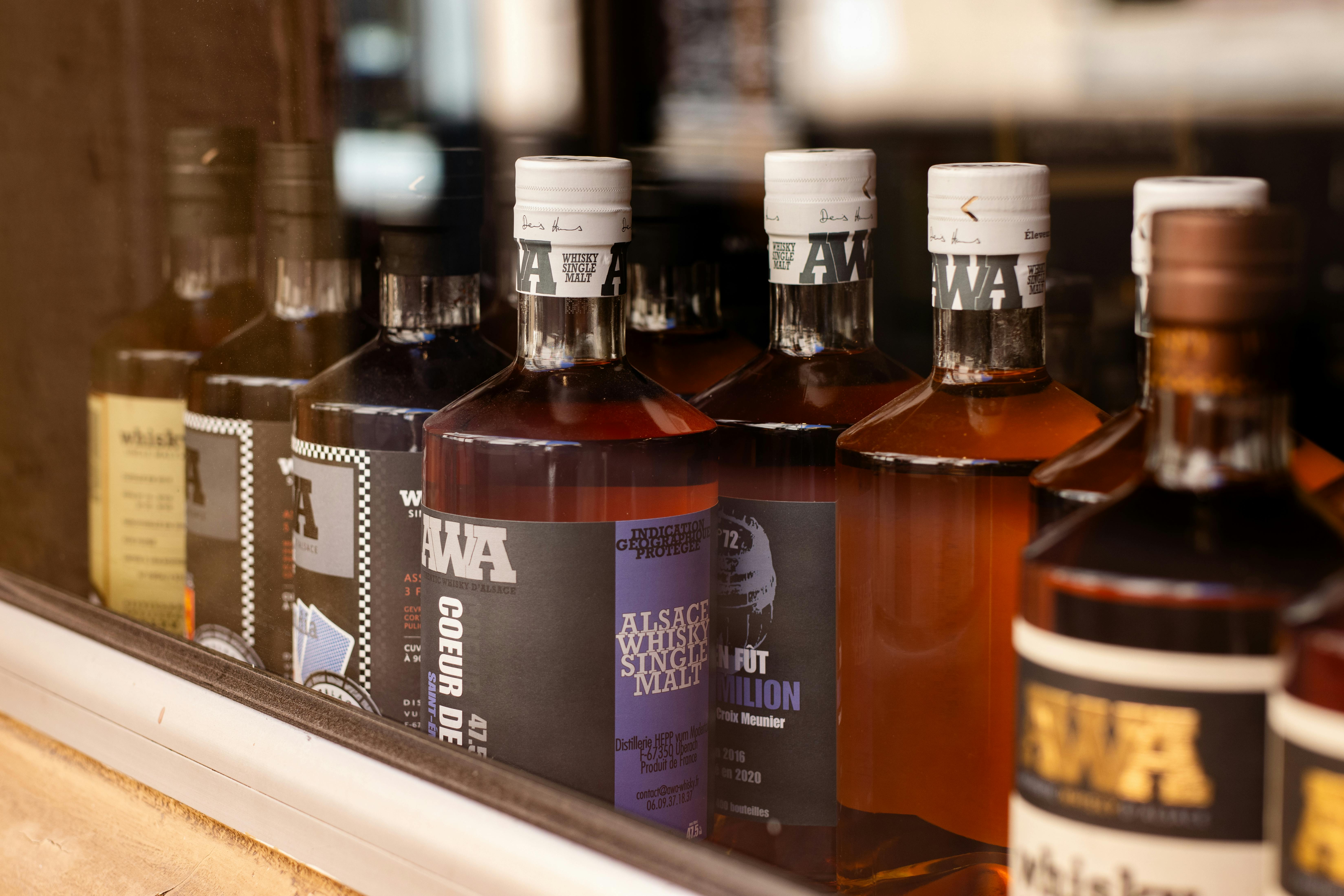
At first glance, provincial liquor monopolies can seem like bureaucratic leftovers. In reality, they were created as public-order tools. Governments wanted to prevent the saloon culture blamed for social disorder while still collecting revenue from a product people clearly intended to keep buying.
So provinces built systems that controlled wholesale purchasing, retail distribution, store placement, and hours of sale. Ontario's LCBO, the SAQ in Quebec, and similar agencies elsewhere emerged from this logic. Even where private stores now exist, they usually operate within rules written by provincial regulators.
According to generations of policy analysis, the monopoly model was politically useful because it promised restraint. A government store could limit promotion, standardize pricing, and block aggressive competition. That remains one reason alcohol policy in Canada often looks less like normal retail and more like a managed public utility.
The border problem Canadians still notice

One of the strangest legacies of this framework appears when alcohol crosses provincial lines. Most Canadians assume goods should move freely within one country. Alcohol has long been an exception because the old federal law helped provinces preserve their own tightly managed systems.
That issue gained national attention in the well-known Gerard Comeau case from New Brunswick. Comeau bought beer and spirits in Quebec and was fined after bringing them home across the provincial border. The case raised a larger question about whether Canada's Constitution guarantees truly free interprovincial trade.
In 2018, the Supreme Court of Canada ruled against Comeau's broader interpretation. The decision did not erase all personal import allowances, but it confirmed that provinces still have wide power to regulate alcohol entering their markets. For consumers, that meant the old structure remained very much alive.
Why your shopping experience varies so much
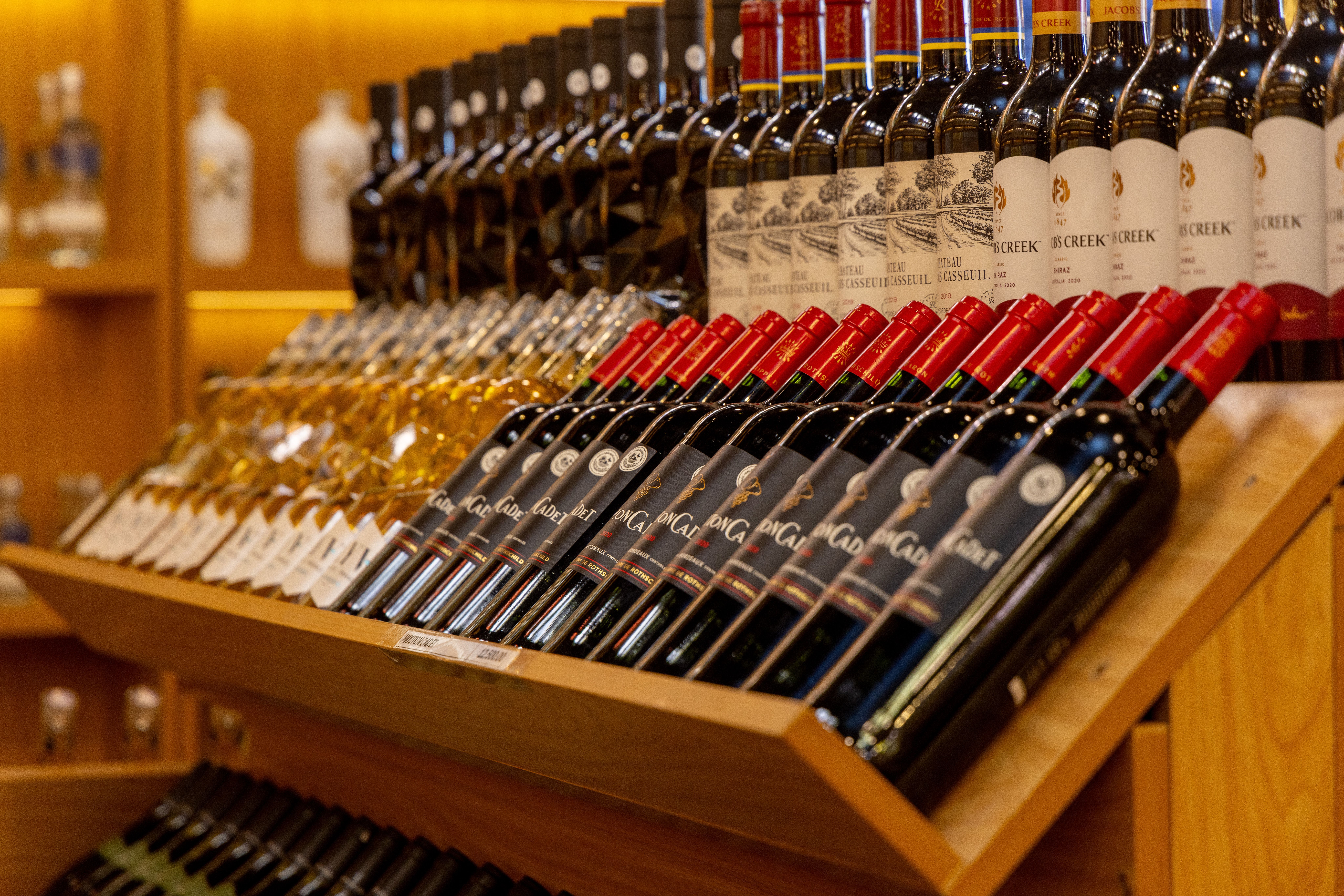
Buy alcohol in Alberta, Ontario, Quebec, or Nova Scotia, and the experience can feel radically different. That is not an accident. Because provinces retained control after Prohibition, each built its own balance of public health policy, commercial freedom, pricing strategy, and political culture.
Alberta privatized retail sales in the 1990s, creating a market with many private storefronts but continued provincial oversight of wholesale distribution. Ontario spent years expanding beer, wine, and ready-to-drink sales beyond the LCBO, while still keeping the province deeply involved in supply and pricing.
Quebec has long allowed wine sales in groceries under rules that differ sharply from other provinces. British Columbia mixes public and private retail channels. These differences are why a consumer in Montreal may grab a bottle with dinner ingredients while a shopper elsewhere faces a more controlled process.
The money and public health logic behind it
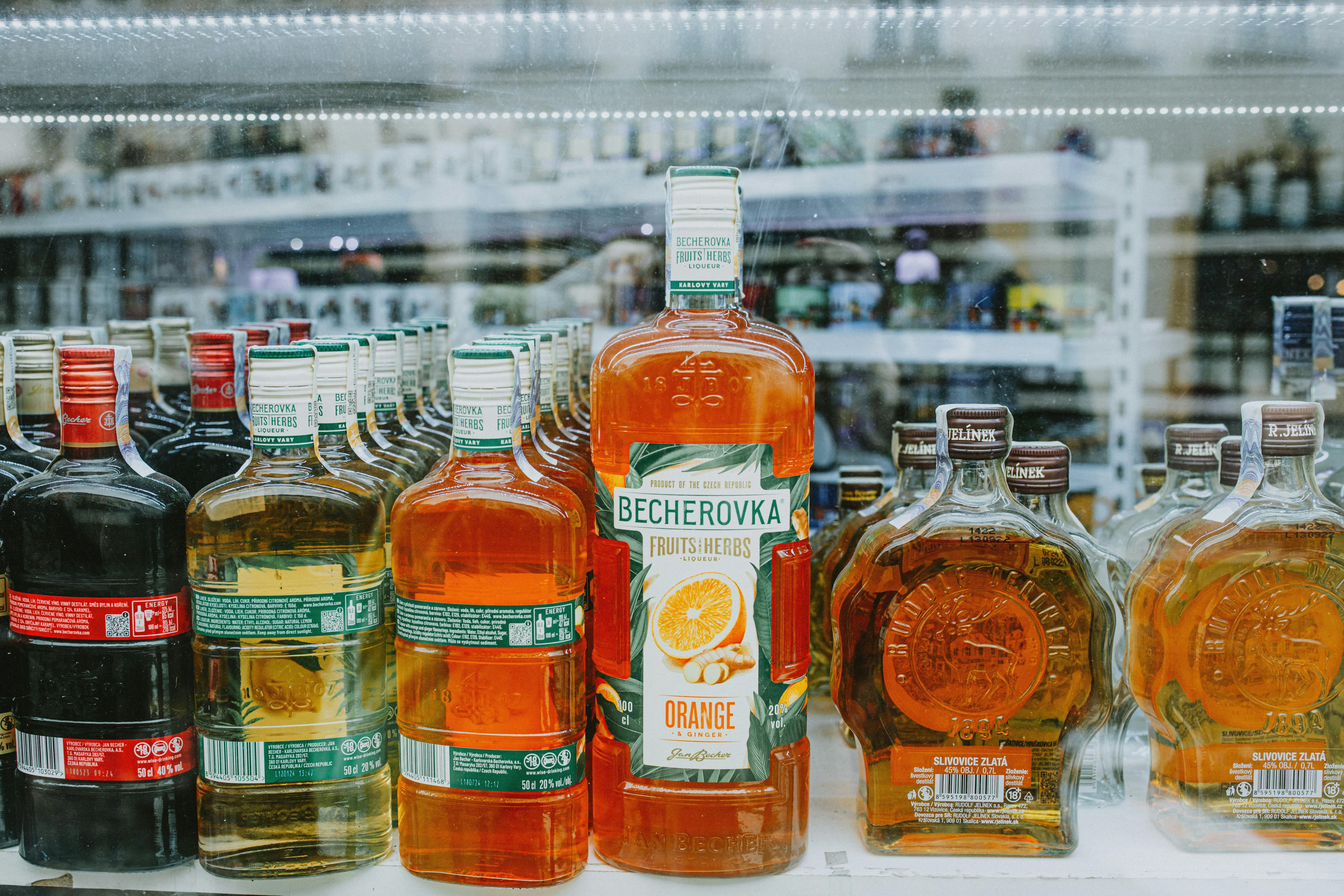
Alcohol control survives not just because of habit, but because governments see clear advantages in it. Provincial systems generate billions in annual revenue through markups, taxes, and licensing. For finance ministers, alcohol is not simply a consumer good. It is also a dependable public income stream.
Public health officials make a different case. Research consistently finds that price, availability, and promotion affect consumption and alcohol-related harm. A regulated system can set minimum prices, restrict hours, limit outlet density, and control marketing in ways that a fully open market may resist.
Critics argue these systems can protect incumbents, reduce convenience, and keep prices high. Supporters respond that alcohol is unlike ordinary retail because misuse creates healthcare, policing, and social costs. Canadian policy has largely accepted that trade-off, which helps explain the durability of rules born in a very different era.
What could change, and what likely will not
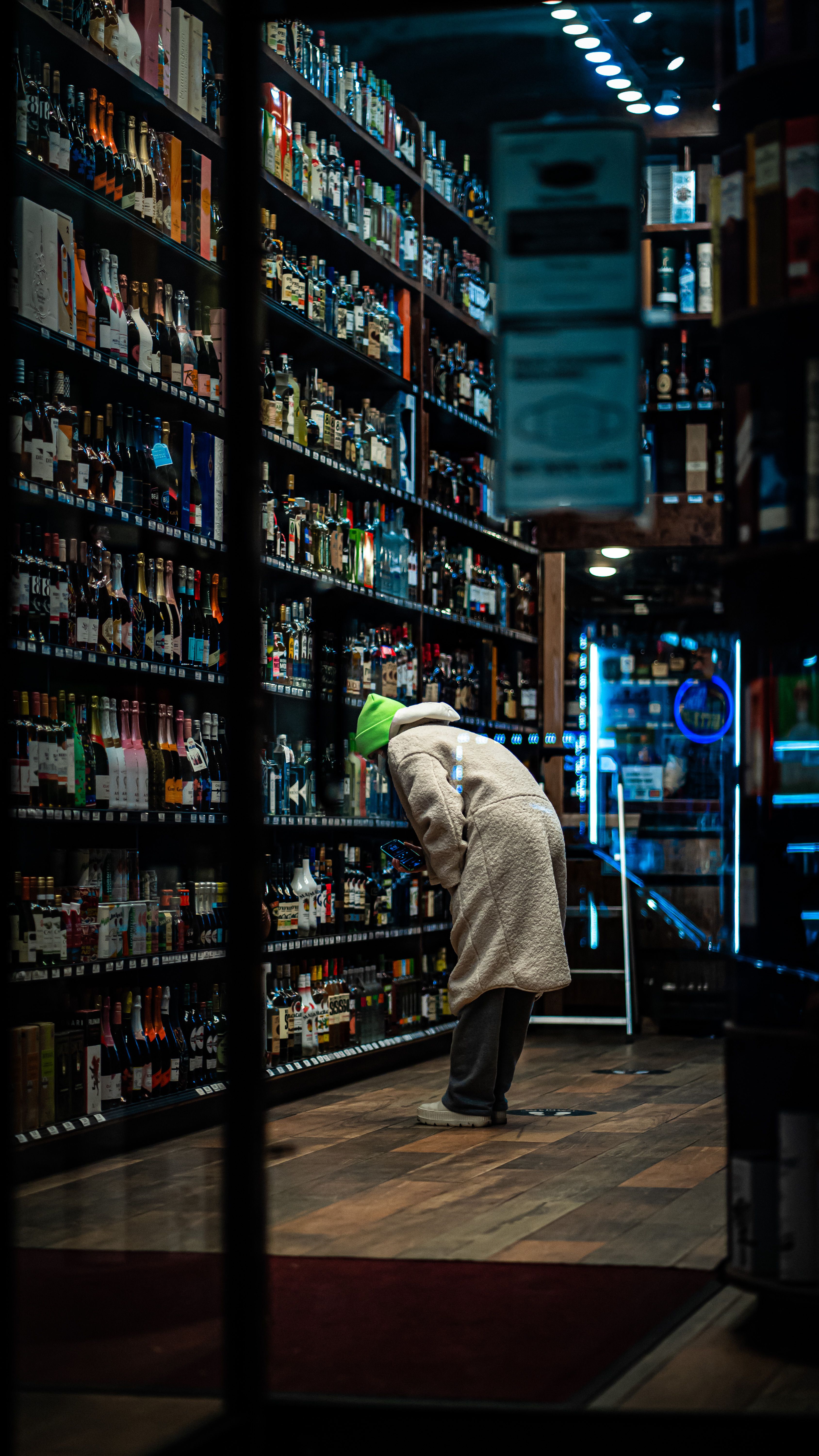
Change is happening, but mostly at the edges. More provinces are loosening where people can buy certain products, especially ready-to-drink beverages, beer, and wine. Direct-to-consumer shipping has also expanded in limited ways, reflecting pressure from craft producers, wineries, and shoppers who want more convenience.
Still, the deeper architecture remains firmly in place. Provinces continue to control distribution, licensing, and market access, and the federal framework that enabled that power has never been fully dismantled. Reform tends to mean adjustment, not revolution.
That is why the Prohibition era still matters every time a Canadian browses a liquor aisle, compares prices, or wonders why a bottle cannot simply move freely across a provincial border. The politics of alcohol were never really repealed. They were reorganized, and Canadians still shop inside that design.




Leave a Reply