
Ontario often treats the Prairies as flyover country. On the plate, that misunderstanding is even bigger.
The Prairies are not one food region
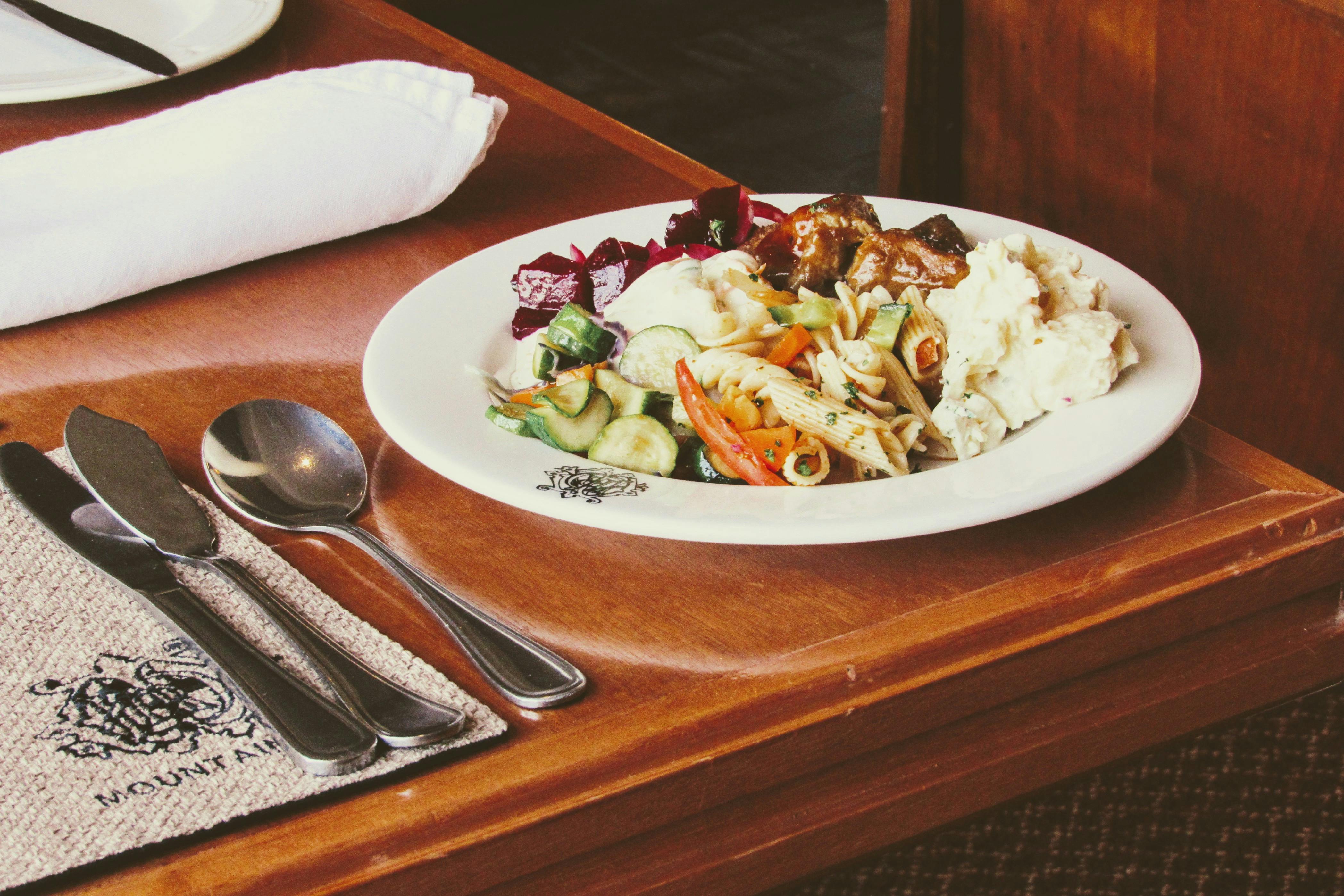
The first mistake many Ontarians make is assuming Manitoba, Saskatchewan, and Alberta eat more or less the same way. They do not. These provinces share grasslands, grain belts, cattle country, and long winters, but each one built a different food identity through settlement patterns, climate, trade routes, and local agriculture.
Manitoba carries a strong imprint from Ukrainian, Filipino, Jewish, and Métis kitchens, especially in Winnipeg. Saskatchewan's food story leans heavily on grain, pulse crops, small-town baking, and Eastern European traditions. Alberta, by contrast, is shaped by ranching, oil-boom cities, mountain tourism, and one of the strongest steakhouse cultures in the country.
That diversity matters because regional food culture is never just about famous dishes. It is about what people grow, preserve, celebrate, and pass down at church suppers, family tables, grain-farm lunches, and community fundraisers. In the Prairies, everyday food is often the clearest map of local history.
Indigenous and Métis traditions still define the region
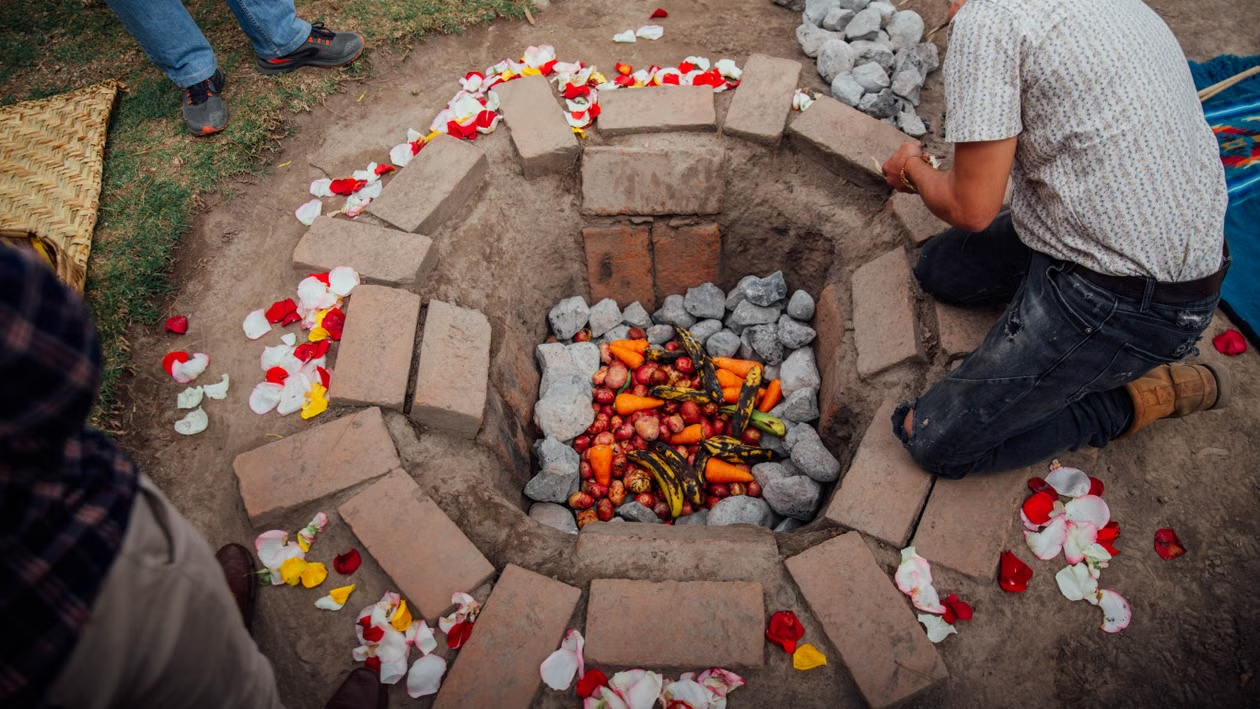
A deeper look starts long before provincial borders. Prairie food culture rests on Indigenous foodways that shaped how people harvested bison, fished inland waters, gathered berries, used wild rice in some areas, and preserved food for winter. These traditions were sophisticated systems tied to land, season, mobility, and community, not side notes to later settler cuisine.
Métis food remains especially important to understanding the region. Bannock, pemmican, wild game, berry preparations, and soups tied to hunting and trading life helped define a cuisine built from adaptation and expertise. Today, chefs and knowledge keepers across the Prairies continue reviving and protecting these traditions with greater public visibility.
That matters because many mainstream Canadian food conversations still center Toronto, Montreal, and Vancouver trends. Prairie culinary identity makes less sense if it is reduced to beef and wheat alone. Indigenous and Métis influence is foundational, and any honest account of the region's food culture has to begin there.
Wheat, canola, pulses, and beef changed the national table
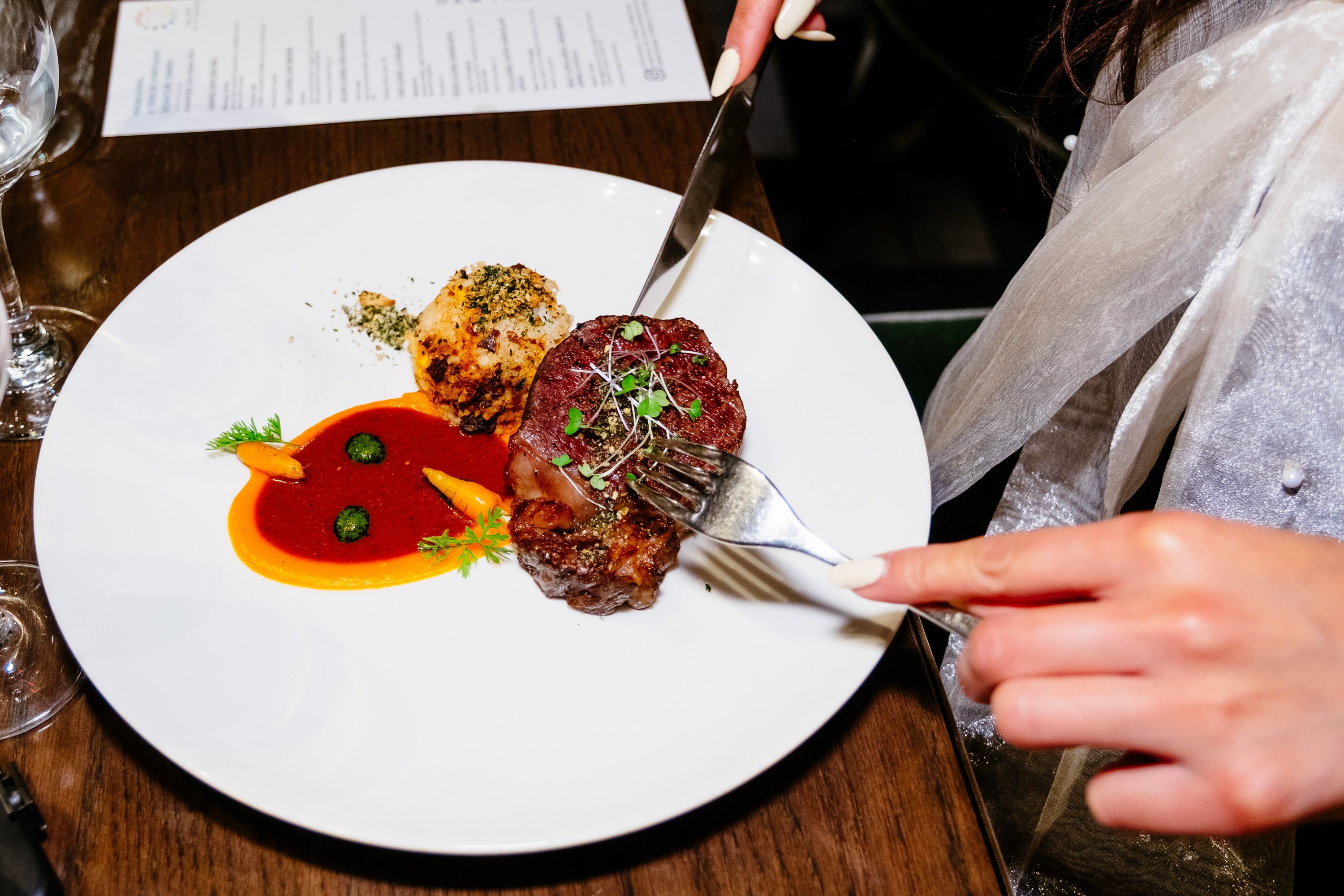
The Prairies feed Canada in ways many Ontario consumers barely notice. Saskatchewan is one of the world's major producers of lentils, peas, chickpeas, durum, and canola, while Alberta is central to Canadian beef production. Manitoba contributes heavily through pork, sunflower seeds, grains, and processing capacity. These are not niche outputs. They shape grocery aisles across the country.
Yet abundance on farms does not always translate into recognition at the dinner table. Ontarians may buy pasta made from Prairie durum or cook with Prairie-grown canola oil without connecting those staples to a regional cuisine. The agricultural power of the Prairies is often viewed as commodity production rather than as the basis for a distinct food culture.
That divide hides something important. Regions become legible as food destinations when ingredients are turned into stories, restaurants, rituals, and pride. The Prairies have those stories in abundance, but they have often been overshadowed by central Canadian media and by stereotypes that reduce the region to raw output.
Immigration gave Prairie cooking its real character

If you want to understand Prairie food quickly, look at who settled there. Ukrainian communities made perogies, cabbage rolls, kielbasa, beet dishes, and baking central to local tables. German, Polish, Mennonite, Hungarian, Chinese, South Asian, and later Filipino communities all helped shape what people now think of as ordinary Prairie comfort food.
In Manitoba, honey dill sauce is a beloved example of local specificity that sounds almost invented until you taste it with chicken fingers. Winnipeg also has a fierce burger tradition, including the city's famous fat-boy style. Across the region, community halls, small-town cafés, and church basements preserved food traditions long before chefs began calling them heritage cuisine.
This is one reason Ontario often misses the point. Prairie food is less performative than the restaurant scenes in larger eastern cities. It lives in frozen church cookbook recipes, family-run sausage shops, co-op cafeterias, harvest meals, and curling-rink canteens. That does not make it less sophisticated. It makes it deeply rooted.
The iconic dishes are far more varied than outsiders expect

Ask Prairie residents what defines their food, and the answers come fast. Saskatoon berry pie, bison burgers, pickerel, kubasa, perogies, rye bread, tourtière in some francophone pockets, green onion cakes in Edmonton, and ginger beef in Calgary all tell part of the story. So do Alberta beef, Manitoba smoked goldeye, and Saskatchewan's enduring love of simple but excellent baking.
Some dishes arrived through migration and became local through repetition. Others were invented in Prairie cities and quietly spread. Edmonton's green onion cakes, popularized by Chinese-Vietnamese restaurateurs, are now treated as a civic food symbol. Calgary-style ginger beef is another example of an immigrant-rooted creation becoming part of regional identity.
The result is a cuisine that resists neat branding. It is practical, seasonal, and shaped by both scarcity and abundance. It values preservation, meat skills, soup pots, dough, and hospitality. It also absorbs new influences quickly, which is why Prairie food culture keeps evolving without losing its backbone.
Ontario is finally catching up, but slowly
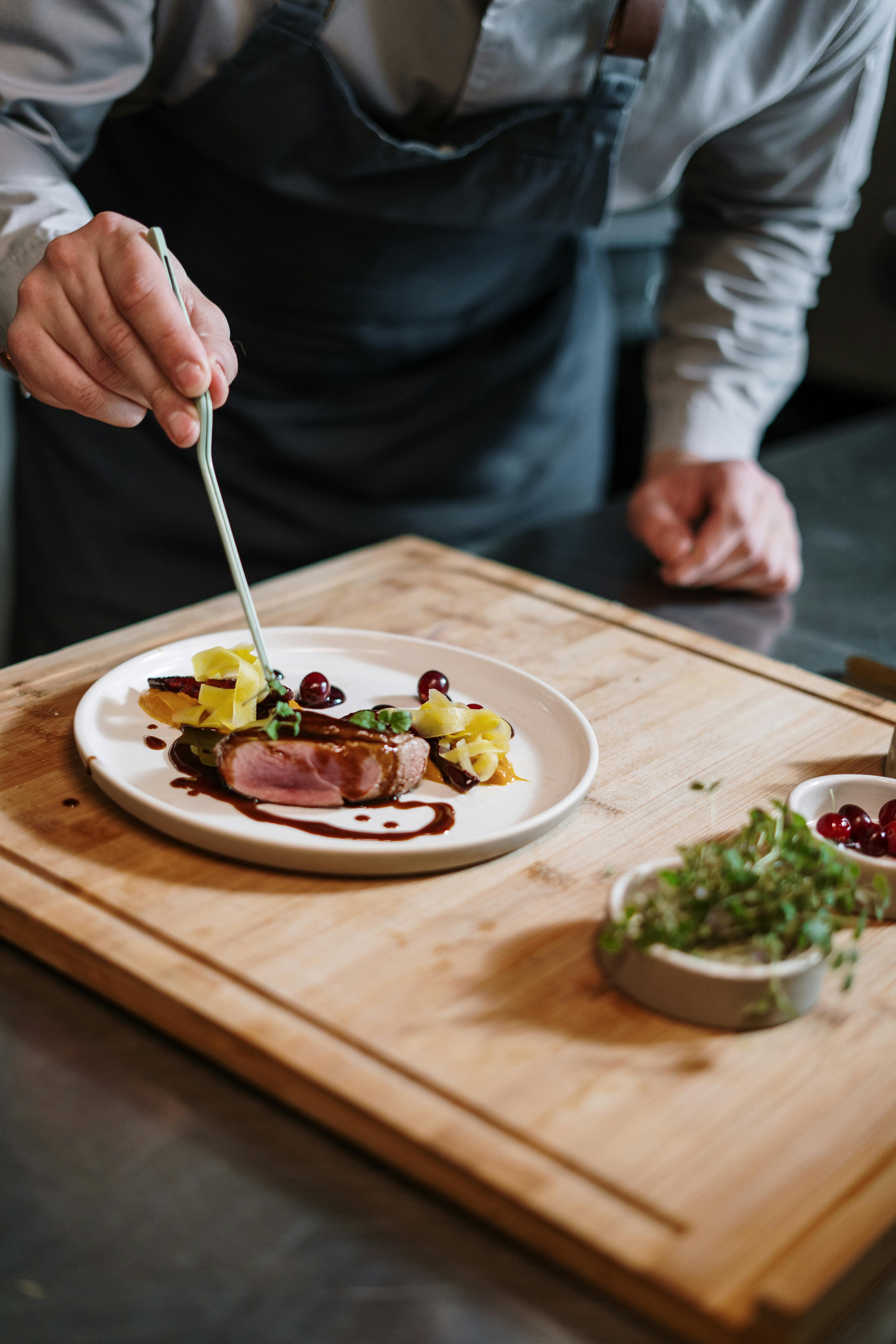
There are signs this blind spot is changing. Prairie chefs, food writers, and producers now get more national attention for regional ingredients, Indigenous revitalization, fermentation, whole-animal butchery, and grain-based cooking. Restaurants in Winnipeg, Saskatoon, Regina, Calgary, and Edmonton increasingly frame local food as something culturally rich, not just agriculturally available.
Still, recognition lags behind reality. Ontario media has long treated Prairie food as secondary to politics, weather, or resource stories. That leaves many Canadians unaware that some of the country's most original food thinking is happening in places where land, migration, and memory remain visibly connected.
The bigger truth is simple. The Prairies are not an empty middle between the coasts. They are one of Canada's most important culinary regions, and Ontarians who overlook them are missing a food culture that is as layered, inventive, and historically grounded as any in the country.



Leave a Reply