
Some food trends arrive with fanfare. Others slip onto menus so naturally that most diners barely notice.
Why Prairie comfort food is suddenly resonating in Ontario

What Ontario restaurants have quietly started borrowing is the Prairie way of serving perogies, sausage, caramelized onions, sour cream, and sometimes cabbage as a full comfort-food plate rather than a side. That distinction matters. In Manitoba, Saskatchewan, and parts of Alberta, this combination has long been treated as a complete meal rooted in Ukrainian, Polish, and broader Eastern European home cooking.
Ontario diners are especially open to it right now because restaurants are chasing familiarity, value, and emotional satisfaction. A 2024 pattern across Canadian food service has been the return of hearty, recognizable dishes that feel generous without requiring luxury ingredients. Perogy plates fit that demand almost perfectly.
The appeal also cuts across price points. A neighbourhood diner can serve frozen or handmade perogies with grilled farmer's sausage, while a modern bistro can plate potato-cheddar or sauerkraut-filled versions with cultured cream and charred alliums. The core idea stays the same: soft dough, rich filling, smoke, fat, and tang.
The plate is simple, but the formula is extremely smart
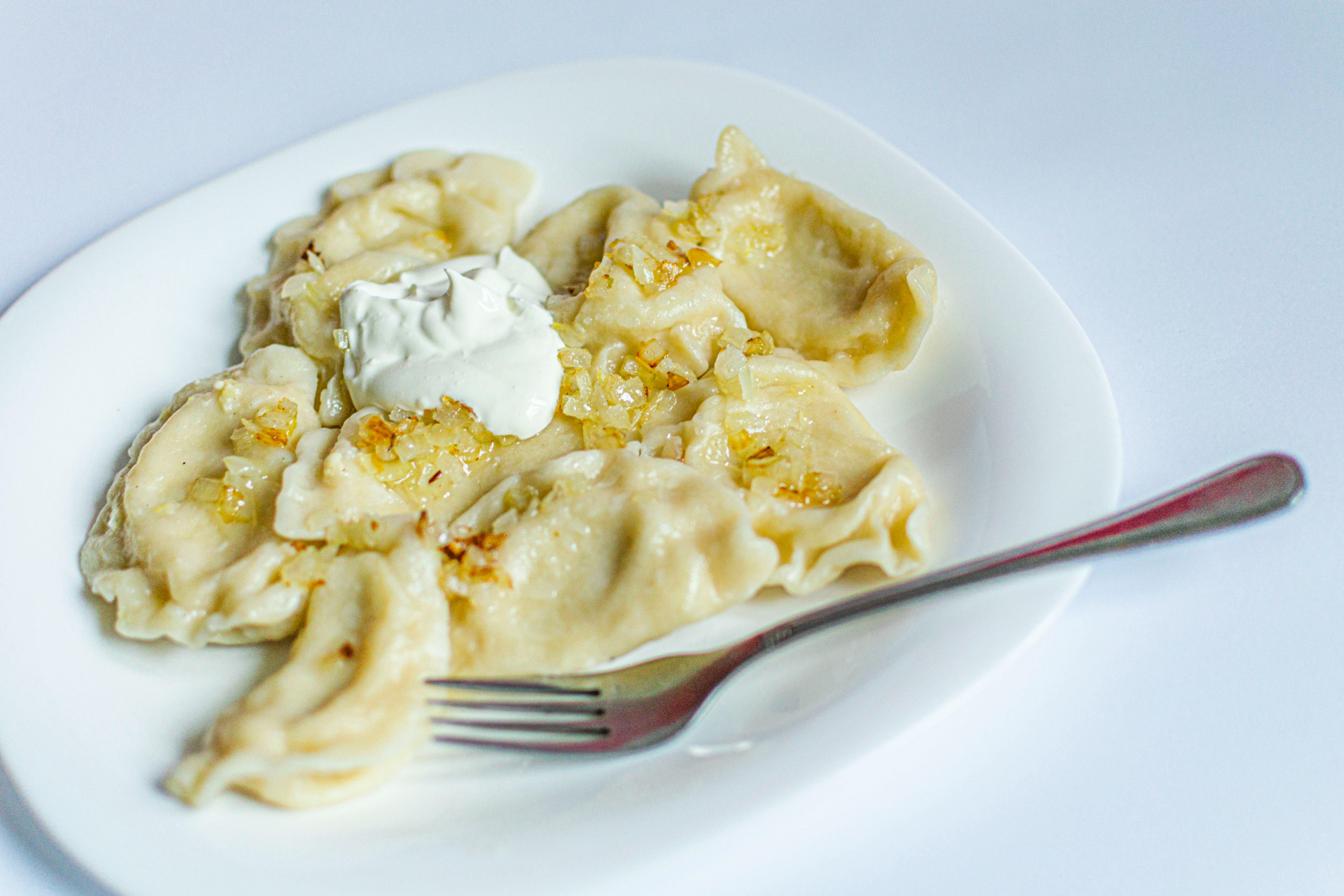
At first glance, this food can look almost too plain to become a broader restaurant trend. In practice, its structure is one of the reasons chefs keep returning to it. It is deeply modular, operationally manageable, and broadly liked by diners who may not know much about its regional history.
Perogies hold well, can be boiled and then pan-fried to order, and pair with proteins that are already common in commercial kitchens. Sausage, bacon, mushrooms, braised cabbage, roast chicken, and even brisket can all work beside them. That gives restaurants flexibility without forcing a full menu redesign.
Then there is the matter of margins. Potatoes, flour, onions, and cultured dairy remain relatively cost-effective compared with steak, seafood, or highly perishable produce. In a market where menu engineering matters, Prairie-style comfort plates give operators a dish that feels abundant and premium while still being manageable on food cost.
Ontario chefs are not inventing this, they are reframing it
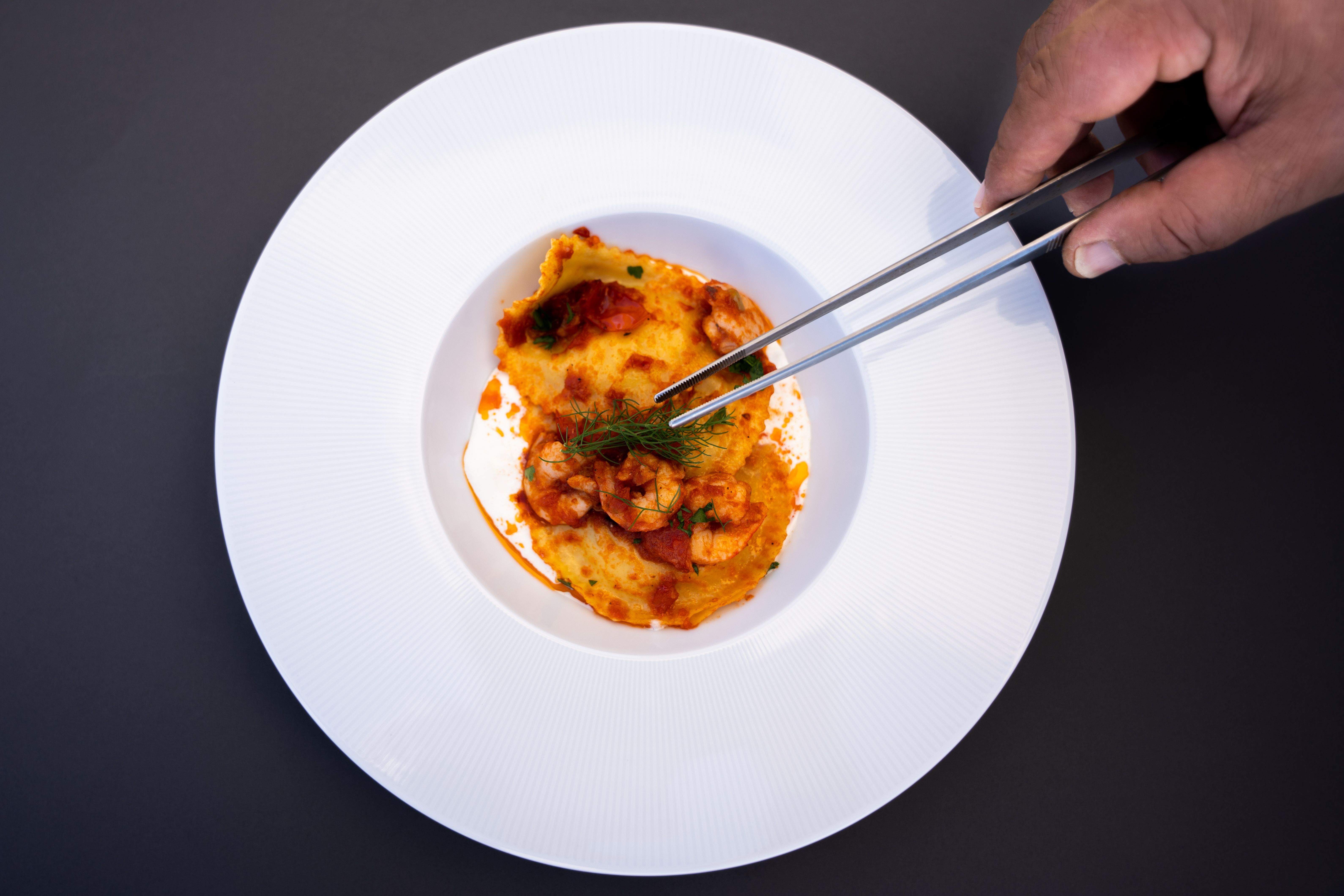
The most noticeable shift is not the use of perogies themselves. Ontario has had perogies for decades in church halls, delis, family restaurants, and freezer aisles. What is changing is the framing. Restaurants are presenting them as central, craveable, and regionally inspired rather than as a nostalgic add-on.
That reframing often comes through language and plating. Menus now describe handmade dough, local sausage, brown butter, confit onions, dill crema, or fermented cabbage. The ingredients are familiar, but the restaurant vocabulary signals intention and craft, which makes the dish feel contemporary without stripping away its roots.
Some brunch menus are pushing the trend further. Perogy hash with eggs, smoked sausage, and onions has become a natural extension of the Prairie supper plate. It works because it preserves the starch-fat-salt balance people want at brunch, while offering something more distinctive than standard home fries.
Immigration history explains why this food has such staying power

This dish did not emerge as a trend piece. It comes from settlement patterns that shaped the Prairies for generations, especially the arrival of Ukrainian immigrants beginning in the late 19th century. Along with farming knowledge and church traditions, they brought dumpling-making, sausage traditions, cabbage cookery, and a style of hospitality centered on filling, practical meals.
Over time, these foods blended with local ingredients and prairie realities. Harsh winters, agricultural rhythms, and community gatherings all rewarded dishes that could feed many people well. Perogies were ideal because they were affordable, freezer-friendly, and easy to prepare in batches for weddings, funerals, fundraisers, and Sunday dinners.
Ontario's renewed interest makes sense in that context. Diners are not only responding to flavor. They are responding to a food culture built around thrift, labor, family, and generosity. In an era when many menus feel overly designed, that history gives Prairie comfort food unusual credibility.
The best Ontario versions succeed when they keep the balance right
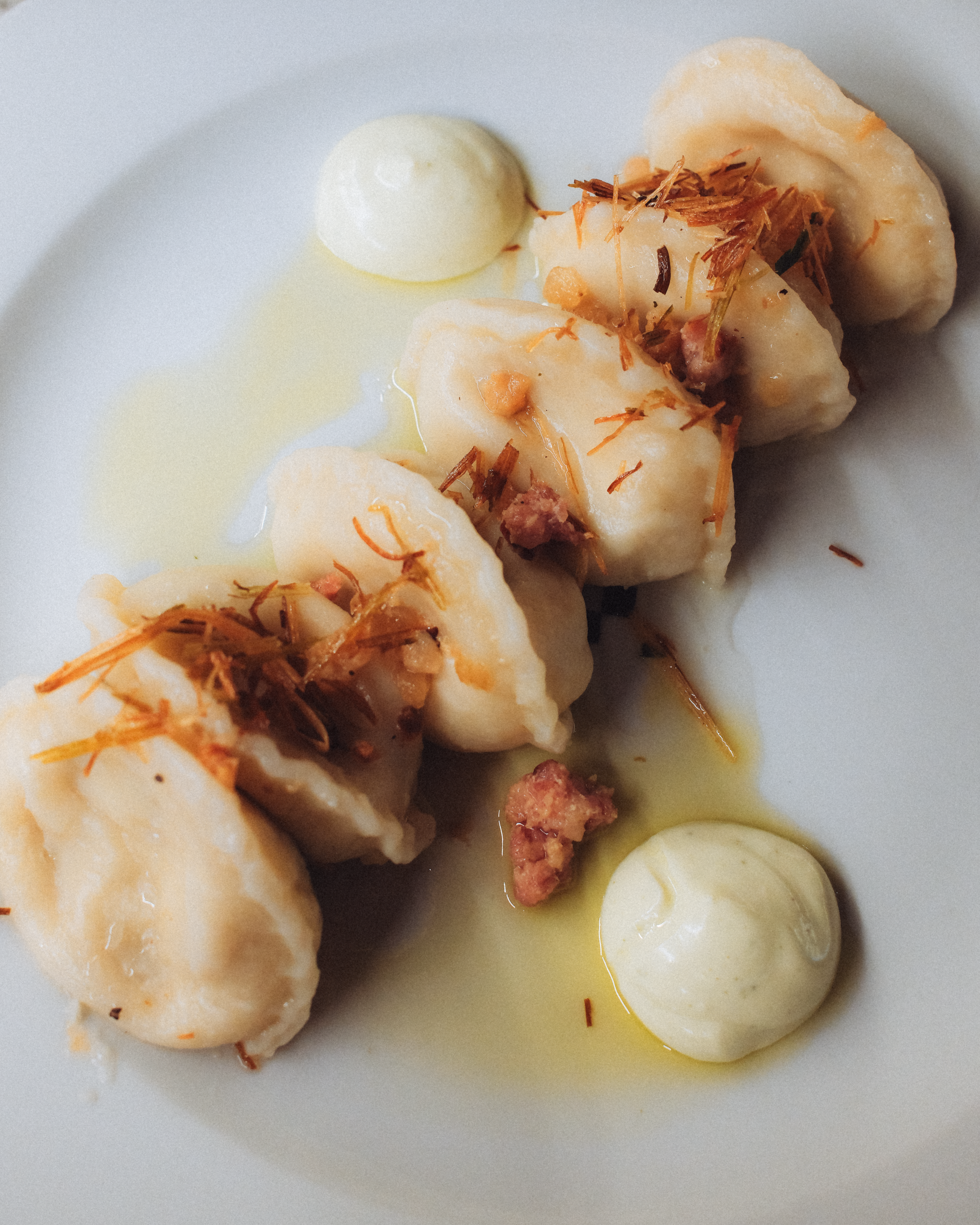
A strong version of this plate depends less on reinvention than on proportion. The onions must be sweet and deeply cooked, not merely softened. The sour cream has to cut richness rather than disappear into it. The sausage should bring smoke and snap, while the perogies need enough chew to avoid turning mushy.
Restaurants that miss the mark usually overload the plate with toppings or try to make it too elegant. Microgreens, excessive sauces, or tiny portions can drain away the dish's identity. Prairie comfort food is supposed to feel generous and grounded, with each element supporting the others rather than competing for attention.
The best operators understand that restraint is part of the appeal. A few excellent perogies, properly browned, with good onions and a well-made sausage will outperform a complicated interpretation almost every time. Diners may enjoy novelty, but they return for dishes that feel complete and satisfying.
This quiet menu shift says a lot about where Canadian dining is headed
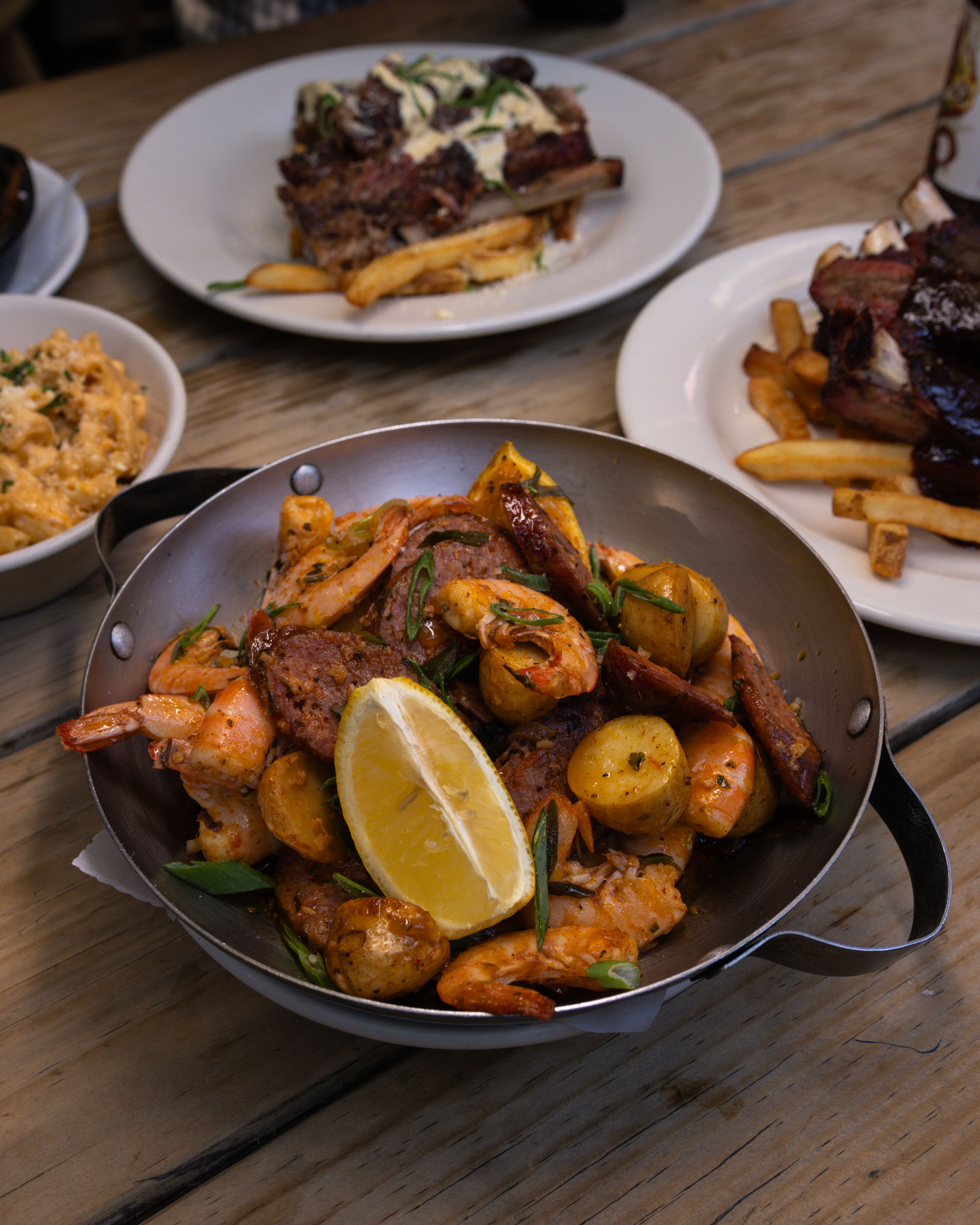
Ontario's growing interest in Prairie comfort food reflects a broader national reset. Restaurants are learning that many customers now want food with a story, but not food that demands explanation before pleasure. They want regional identity, but they also want something warm, shareable, and worth the price.
That is why the Prairie perogy plate has momentum. It speaks to Canadian regionalism without feeling exclusive, and it offers comfort without becoming generic. For independent restaurants especially, it is a practical way to serve heritage, abundance, and familiarity on one plate.
Expect the copying to continue, especially through brunch, beer halls, casual bistros, and chef-led diners. The smartest versions will acknowledge the dish's Prairie and Eastern European lineage while keeping the experience simple. When that happens, Ontario is not just borrowing a trend. It is finally recognizing a Canadian classic.



Leave a Reply