
A crowded buffet table can look comforting, but food safety professionals often see something else first: time, temperature, and handling mistakes. The dishes they avoid are not necessarily unpopular, just unusually likely to go wrong in real-world potluck conditions.
Creamy salads that sit out too long
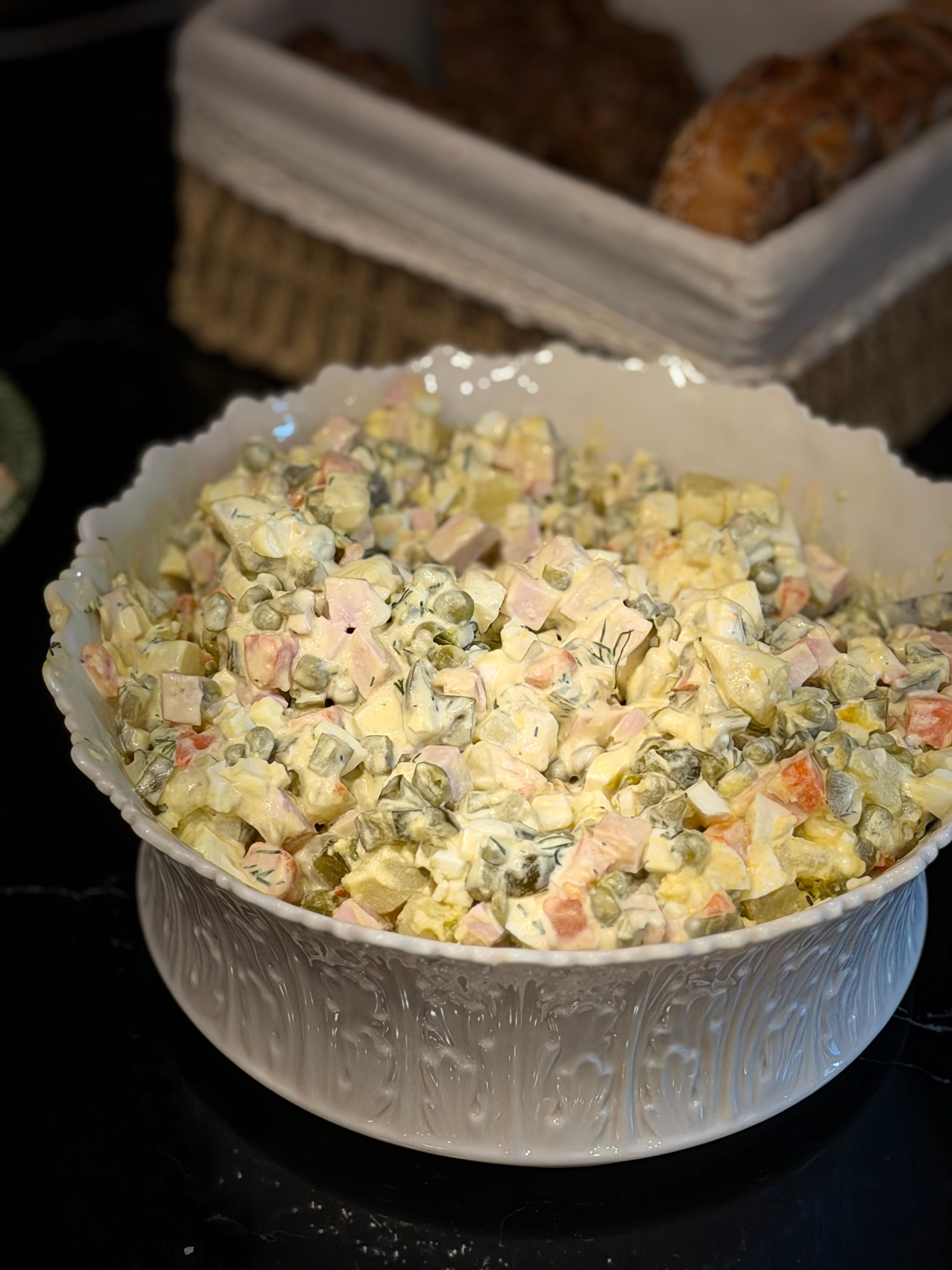
Potato salad, macaroni salad, pasta salad, and coleslaw are potluck classics for a reason. They are inexpensive, easy to make ahead, and feed a crowd. They are also exactly the kind of food experts watch closely, because they often combine moisture, protein, and a temperature-sensitive dressing in one bowl.
Mayonnaise itself is not always the villain people think it is, especially commercial mayonnaise, which is acidic and relatively stable. The bigger issue is what gets mixed into it. Cooked potatoes, eggs, chicken, pasta, and chopped vegetables can all introduce bacteria, and once the dish sits in the temperature danger zone between 40°F and 140°F, microbes can multiply fast.
According to long-standing food safety guidance from the USDA, perishable food should not sit out for more than 2 hours, or 1 hour if the temperature is above 90°F. Potlucks regularly break that rule. A bowl of potato salad might arrive chilled, then spend an hour in the car, another 30 minutes on the counter, and the rest of the afternoon on a serving table without ice.
Experts know that creamy salads are especially risky because people assume they are harmless side dishes. They also tend to be stirred and served repeatedly, giving plenty of opportunities for contamination from utensils and hands. If a creamy salad looks glossy, lukewarm, or has been sitting out through the first round of small talk, many food safety professionals will simply pass.
Deviled eggs and other egg-heavy appetizers
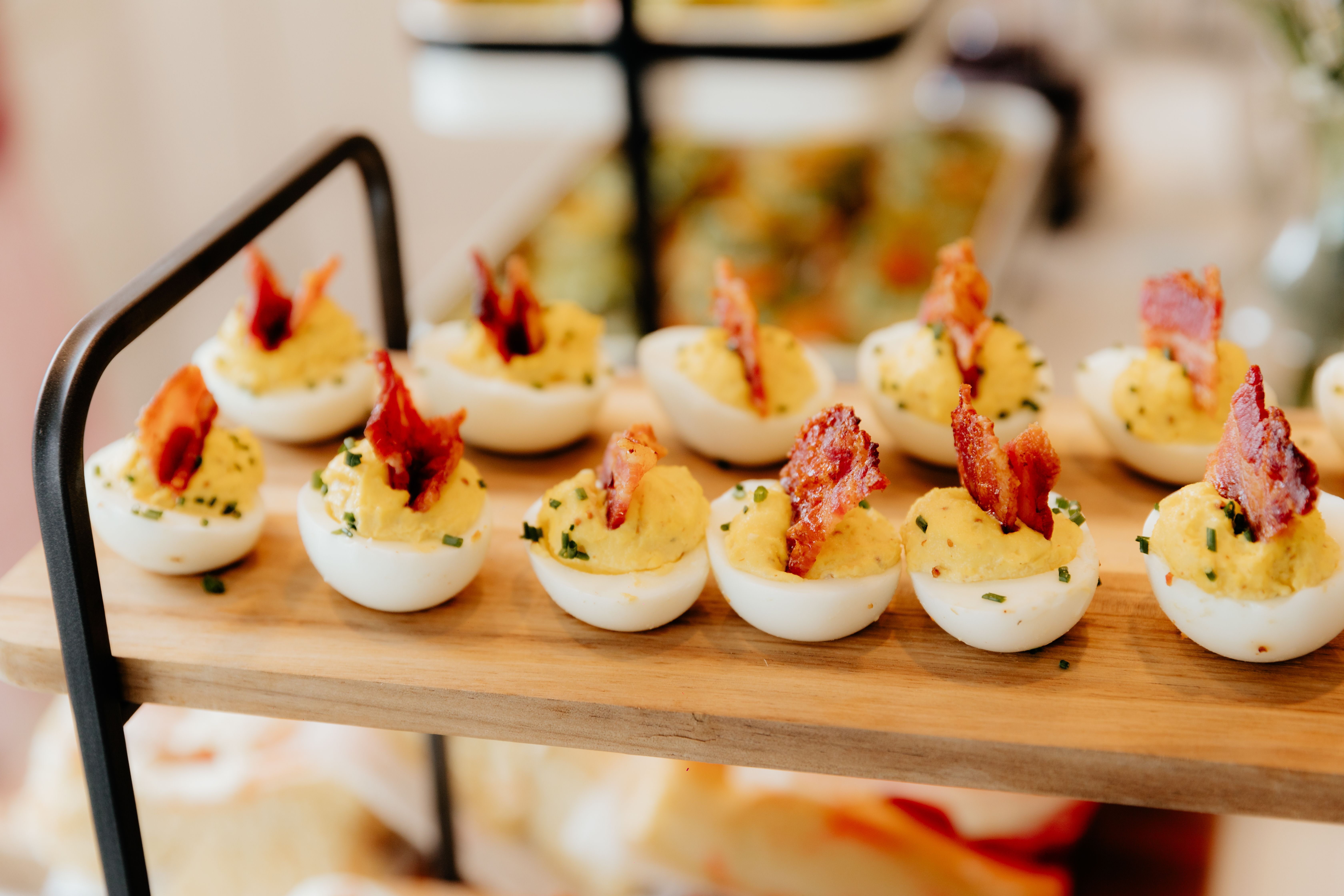
Deviled eggs disappear fast at many gatherings, but not always fast enough. Food safety experts often hesitate around them because eggs are highly perishable once cooked, peeled, and filled. That creamy yolk mixture may taste rich and simple, yet it creates an ideal environment for bacterial growth if held improperly.
The concern starts before the platter even reaches the table. Eggs can crack during cooking or transport, and peeling introduces direct hand contact. The filling is usually piped or spooned in after mixing with mayonnaise, mustard, or relish, which means multiple surfaces, tools, and fingers may be involved before anyone takes a bite.
Then there is the serving problem. Deviled eggs are rarely kept over ice for the entire event, even though that is the safest setup. They tend to sit on decorative platters in warm rooms, under sunlit windows, or outdoors during spring and summer parties. Once the temperature rises, the clock moves quickly, and the risk rises with it.
Public health investigators have repeatedly linked eggs to outbreaks involving Salmonella when handling or storage goes wrong. Experts are not assuming every deviled egg is dangerous. They are making a probability judgment based on experience, and egg-based appetizers at room temperature score poorly. If they did not see how the eggs were stored from kitchen to table, they are much less likely to trust them.
Rare burgers, meatballs, and other lukewarm meats
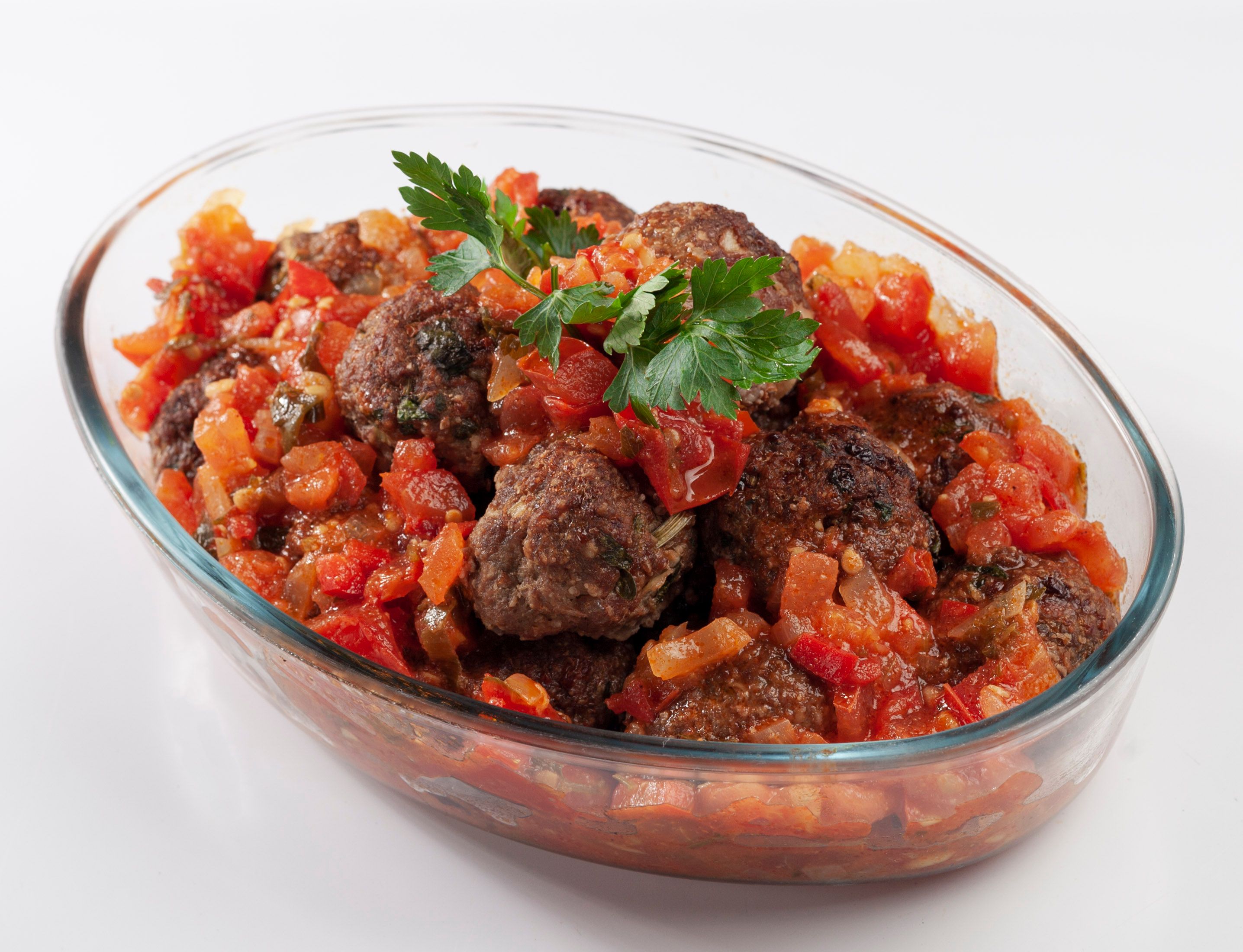
A potluck tray of meatballs in sauce or a platter of burgers can look perfectly appealing while still falling into a risky middle ground. Food safety professionals are not only thinking about whether meat was cooked thoroughly. They are also thinking about whether it stayed hot enough after cooking, especially once the lid comes off and people begin serving themselves.
Ground meat is one of the biggest concerns. Unlike a whole cut of beef, where bacteria mostly stay on the surface, ground meat can distribute pathogens throughout the product. That is why experts pay attention to the 160°F benchmark for ground beef. At a casual gathering, however, many people judge doneness by color alone, even though color is not a reliable safety indicator.
Meatballs present a second issue: slow cooling and uneven reheating. A large tray may be steaming at the edges but only lukewarm in the center. Crockpots help, but only if they are preheated, filled with hot food, and able to hold the dish at 140°F or above. A potluck host who plugs in the appliance after arrival may unknowingly leave food in the danger zone for too long.
Chicken skewers, pulled pork, sausages, and sliced roast meats bring similar problems. They are often touched with tongs used by multiple guests, left uncovered, or mixed with fresh garnishes that were never washed properly. Experts know that meat is safest when it is piping hot or properly chilled, not when it lands in that deceptive lukewarm range that feels normal at a buffet.
Raw sprouts, cut fruit, and produce-heavy trays
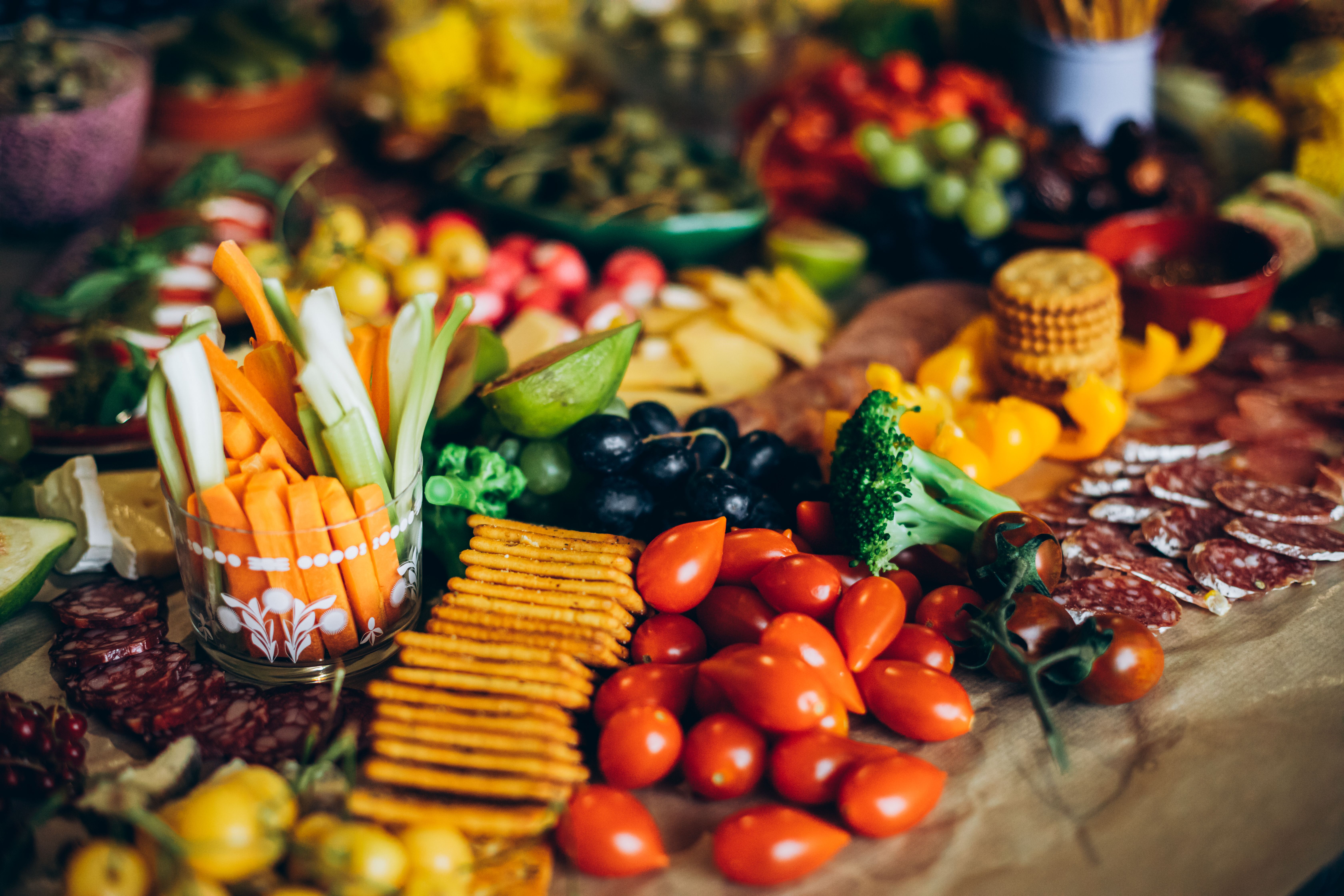
Fresh produce has a healthy reputation, but food safety experts do not treat every vegetable tray as a low-risk choice. Some of the items most often skipped are the ones people assume are safest, especially raw sprouts, melon, and large platters of cut fruit. These foods do not need cooking, which means there is no final heat step to reduce contamination before serving.
Sprouts have an especially troubling track record. Alfalfa, clover, mung bean, and similar sprouts are grown in warm, humid conditions that are also ideal for bacteria such as Salmonella and E. coli. Even careful rinsing cannot reliably make contaminated sprouts safe, which is why vulnerable groups are often advised to avoid them entirely.
Cut melon and fruit salads create a different kind of hazard. Once a watermelon, cantaloupe, or honeydew is sliced, bacteria from the rind can be transferred to the flesh. The juicy interior then becomes a moist, nutrient-rich environment that should be refrigerated promptly. At potlucks, fruit trays are commonly left out far longer than people realize, especially outdoors.
Vegetable platters can also become risky through handling. Guests hover, touch, double-dip, and mix serving utensils between dips and raw vegetables. If the tray was assembled on a surface that previously held raw meat or unwashed produce, contamination can spread before the party even starts. Experts are not anti-vegetable. They are simply wary of produce that has been cut, handled, and left exposed for hours.
Home-canned foods and mystery-jar specialties
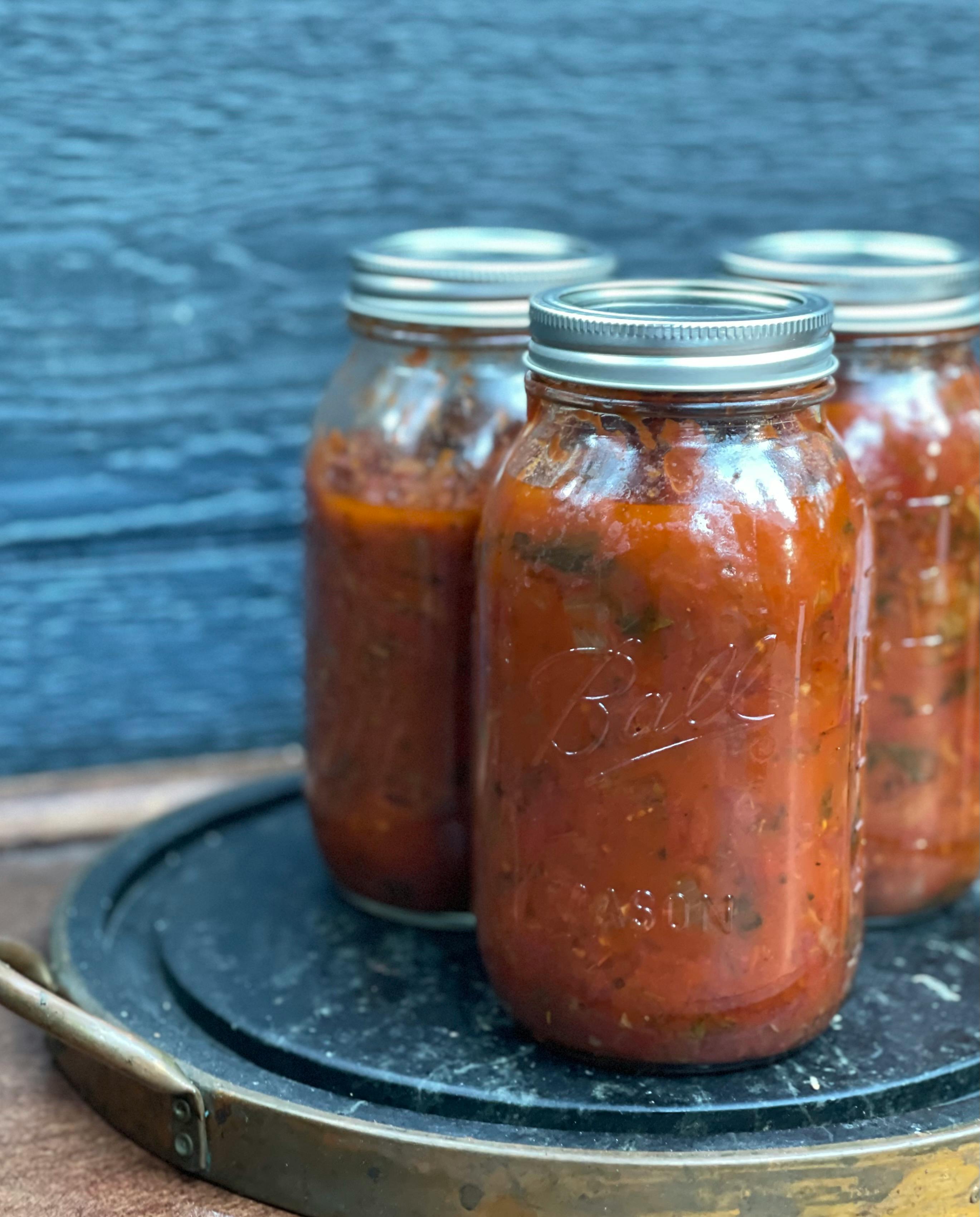
Few things make food safety specialists more cautious than a homemade jar with an unknown process behind it. Home-canned green beans, pickles, salsa, jam, or preserved vegetables can be delicious, but they can also carry serious risk if prepared incorrectly. At a potluck, there is rarely any way to verify whether the person who made it followed tested canning methods.
The most feared hazard is botulism, a rare but potentially deadly illness caused by toxins produced by Clostridium botulinum in low-oxygen environments. Low-acid foods such as green beans, corn, beets, and meats must be pressure-canned properly to be safe. A boiling-water bath is not enough for those foods, yet many home cooks still rely on old family practices that modern safety experts would reject.
Even if the jar seals, that does not guarantee safety. A lid can appear normal while the contents were underprocessed or stored incorrectly. Warning signs such as bulging lids, spurting liquid, or off odors matter, but botulinum toxin does not always announce itself clearly. That uncertainty alone is enough for many professionals to avoid home-canned items unless they know exactly how they were prepared.
The same skepticism applies to unlabeled infused oils, garlic in oil, and fermented foods with unclear storage histories. These are not automatically unsafe, but they demand precise handling that potluck guests cannot assess from appearance alone. Experts tend to trust commercial products more in shared settings because the process is standardized, monitored, and designed to reduce the unknowns.
Desserts with dairy fillings and anything with a sketchy timeline

The dessert table feels safer because sweets seem less dangerous than meat or mayonnaise, but that confidence can be misplaced. Food safety experts often avoid cream pies, cheesecakes, tiramisu, banana pudding, and pastries filled with custard or whipped cream if they have been sitting out. These desserts are perishable, and many people treat them like shelf-stable cake.
Dairy-rich desserts can support bacterial growth when they are not kept cold. A cheesecake brought from home may spend too much time in transit before reaching the party. A cream pie can soften slowly at room temperature while still looking perfectly fine. Since spoilage is not always visible or obvious by smell, appearance offers limited protection.
Experts also think about ingredient history. Was the tiramisu made with pasteurized eggs? Was the whipped topping kept refrigerated while the host was setting up? Did the banana pudding sit in a warm car during two other errands? Potluck risks often come from cumulative time out of temperature control, not just the final hour on the table.
In the end, the dish many food safety professionals avoid most is the one with a vague backstory. They prefer foods that are either steaming hot, clearly cold, individually wrapped, or commercially prepared. At a potluck, trust is part of the meal, but experts know that good intentions do not kill bacteria. Consistent temperature control and careful handling do.




Leave a Reply