
A clean-looking kitchen is not always a safe one. Some of the habits that seem harmless are exactly what make a home more inviting to rodents.
Crumbs, grease, and hidden food residue create a steady buffet
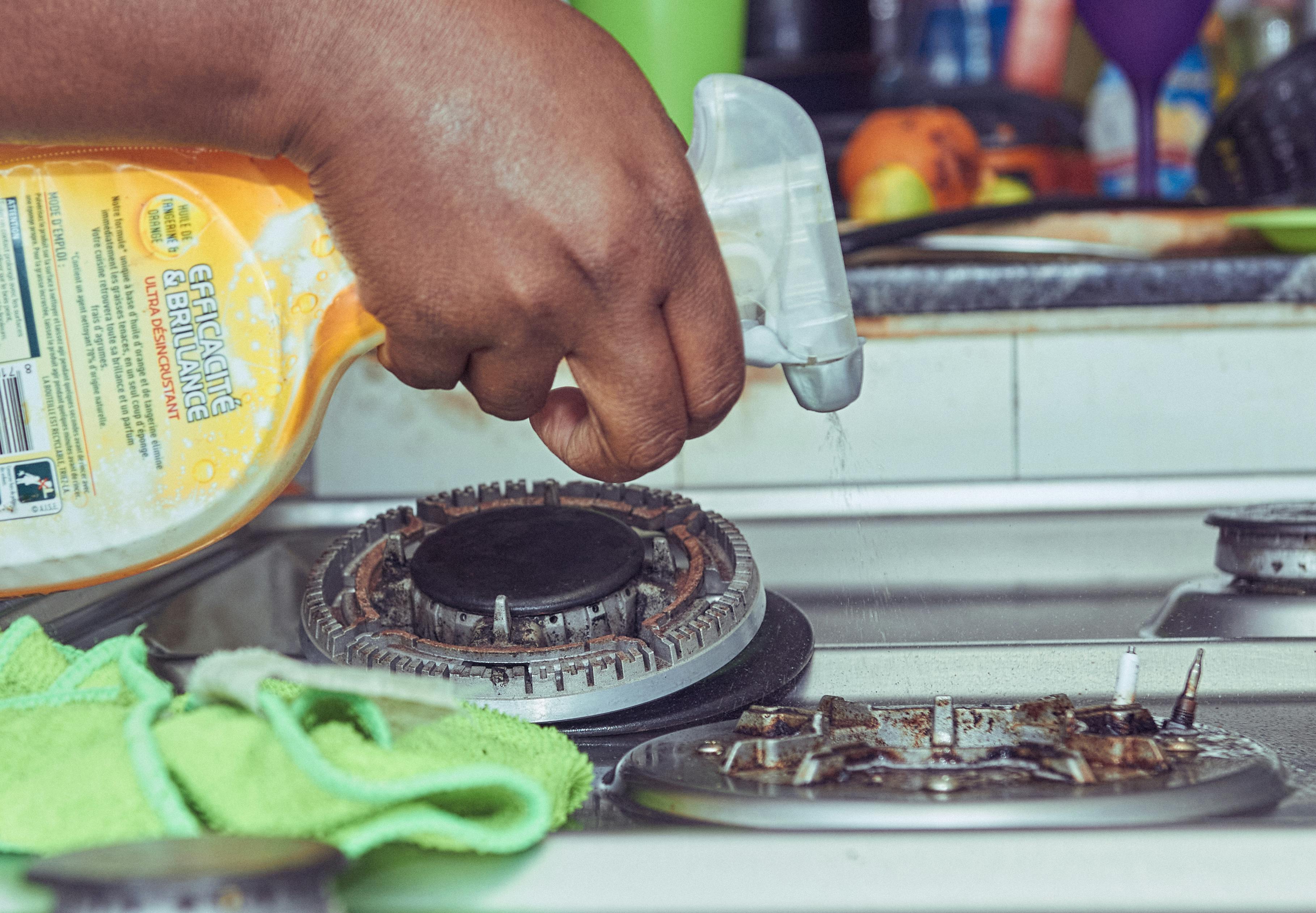
Rodents do not need a dramatic mess to move in. A few cracker crumbs under the toaster, grease buildup behind the stove, or splashes of sauce along cabinet edges can give mice and rats enough calories to keep returning. Pest professionals often point out that rodents are opportunistic feeders, which means they are less interested in one large meal than in dependable access to many small ones.
What makes this problem easy to miss is where residue collects. The gap beside the refrigerator, the tray under a toaster oven, and the corners beneath lower cabinets can hold food particles for weeks. In busy households, these areas may look clean from eye level while still providing a nightly feeding ground. A 2024 review of urban rodent behavior in public health reporting echoed a familiar point: even tiny, recurring food sources are enough to support rodent activity indoors.
Grease is especially important because it lingers. Dust sticks to it, food sticks to the dust, and the result is a film that is hard to notice but easy for pests to smell. Rodents have strong senses that help them detect food in places humans overlook. That is why the area behind ranges, under microwaves, and around trash pullouts deserves routine deep cleaning rather than occasional wiping.
The health risk goes beyond the pests themselves. Rodents can contaminate food prep surfaces with urine, droppings, and hair as they travel between feeding spots. Once they begin foraging in a kitchen, they can cross counters, drawers, and pantry shelves in a single night, raising the risk of bacterial spread and unsafe food handling conditions.
Pet food, fruit bowls, and overnight dishes send the wrong signal
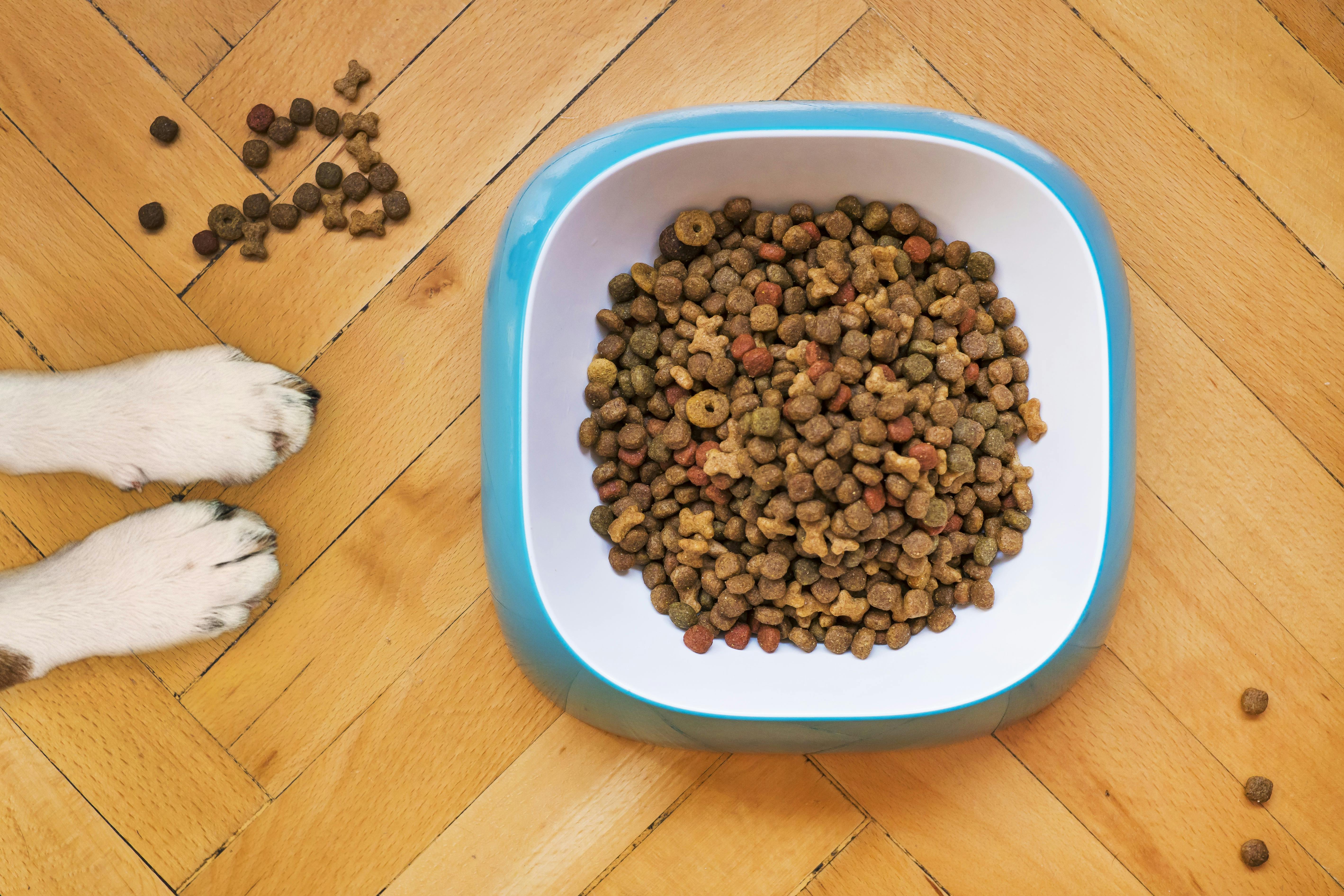
The kitchen often stays active after people go to bed. A bowl of pet kibble left on the floor, bananas ripening on the counter, or dishes soaking in the sink can act like open invitations to rodents looking for easy food and moisture. These are common habits in otherwise tidy homes, which is one reason infestations sometimes surprise residents.
Pet food is one of the most overlooked attractants. Dry kibble is dense in calories, easy to nibble, and often sits out for hours. If the bowl is near a wall, under a table, or beside an appliance, it also gives rodents a protected route to feed quickly. Many pest control case reports note that homes with recurring mouse activity often have a nighttime pet feeding pattern that unintentionally supports it.
Fruit bowls create a similar issue, especially with bananas, apples, peaches, and overripe citrus. As fruit softens, sugars become more aromatic and can attract not only insects but rodents as well. A single damaged piece of fruit can begin leaking moisture and scent into the surrounding area, making the countertop more appealing than most people realize.
Then there are dishes left overnight. Even when plates look almost empty, sauces, starches, and cooking oils remain. Add a bit of standing water in a glass or pan, and the sink becomes both a feeding and drinking station. Making a habit of clearing food bowls, refrigerating ripe produce when practical, and running or at least rinsing dishes before bed can sharply reduce that attraction.
Poor food storage turns the pantry into a nesting zone

Packaging matters far more than many consumers think. Cardboard cereal boxes, loosely folded bags of rice, and paper flour sacks may keep food organized for people, but they do very little to stop a determined rodent. Mice can chew through soft packaging quickly, and once they do, the pantry becomes a reliable source of food with built-in cover.
The risk is not limited to what gets eaten. Rodents often shred cardboard, paper labels, and thin plastic to help build nests. That means a cluttered pantry can provide both nutrition and shelter in the same small space. According to guidance commonly echoed by health departments, dry goods stored in sealed glass, metal, or heavy-duty plastic containers are far less vulnerable to contamination and repeat pest access.
Pantry clutter is another hidden problem. When shelves are packed tightly with rarely used baking supplies, snack multipacks, and bulk purchases, it becomes harder to notice gnaw marks, droppings, or damaged packaging early. Rodent activity can continue for weeks behind stacked goods before anyone sees the signs. By then, contamination may affect far more food than expected.
A safer system is simple but consistent. Decant grains, cereal, pet treats, and baking ingredients into rigid containers with tight-fitting lids. Rotate older products forward, wipe shelves regularly, and avoid storing food directly on the floor of a pantry or utility closet. These steps reduce access, improve visibility, and make early warning signs much easier to catch.
Leaks and standing water can be just as important as food
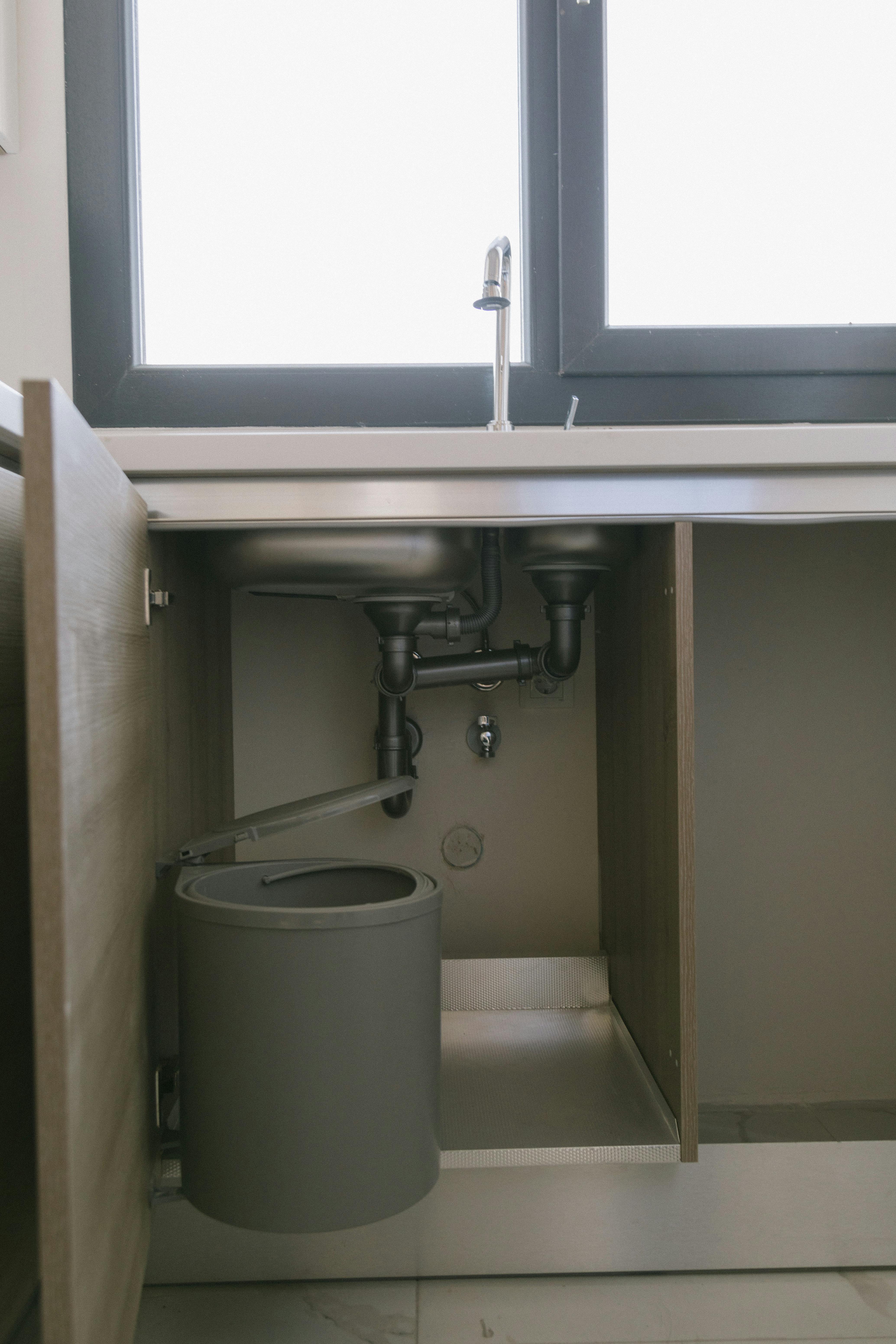
Food attracts rodents, but water helps them stay. A slow drip under the sink, condensation behind the refrigerator, or a damp mat under a dish rack can provide the moisture mice and rats need to survive indoors. In some kitchens, this is the factor that allows a minor pest issue to become a persistent one.
Leaks under sinks are especially troublesome because they are hidden and often surrounded by darkness and clutter. Cleaning products, spare bags, and unused containers can block visibility, allowing dampness to linger for long periods. That moist environment can also support mold growth and wood damage, creating a broader sanitation problem beyond rodents alone.
Standing water should not be underestimated either. Water caught in plant trays, pet bowls left overnight, drip pans, and even the rim of a rarely cleaned trash can all add up. Pest experts frequently note that rodents prefer places where they do not have to travel far between food, water, and shelter. A kitchen with all 3 becomes much easier for them to occupy.
Regular inspection is the practical answer. Check under sinks, behind appliances, and around dishwasher connections for moisture, staining, and odor. Dry wet areas promptly, replace worn seals, and make sure ventilation reduces condensation. Cutting off water access does not just make the kitchen less attractive to rodents. It also lowers the chance of bacteria, mildew, and structural damage taking hold.
Cluttered corners and appliance gaps offer shelter close to food

Rodents rarely want open space. They prefer tight, protected routes where they can travel unseen, rest during the day, and reach food with minimal risk. Kitchens often provide exactly that through appliance gaps, crowded junk drawers, overfilled under-sink cabinets, and stacks of bags or paper goods tucked into corners.
The space behind large appliances is one of the most common trouble spots. Crumbs and grease collect there, warmth from motors can be appealing, and human disturbance is limited. If a mouse can slip through a gap beside a stove or refrigerator, it may find everything it needs within a few feet. This is why infestations often continue in kitchens that appear spotless on the surface.
Storage clutter makes the problem worse by reducing inspection and cleaning access. Reusable grocery bags, piles of takeout menus, small appliance boxes, and excess pantry stock can create quiet nesting material and cover. Rats and mice are both known to use paper, fabric fibers, and insulation-like materials to build protected nests near food sources.
A more rodent-resistant kitchen is one with breathing room. Keep cabinet bases organized, avoid piling loose materials on the floor, and pull appliances out often enough to clean and inspect. If you notice rubbing marks, droppings, shredded paper, or a stale musky odor, treat them as early signs that shelter is already being used nearby.
Small entry points and delayed action let a minor issue grow fast
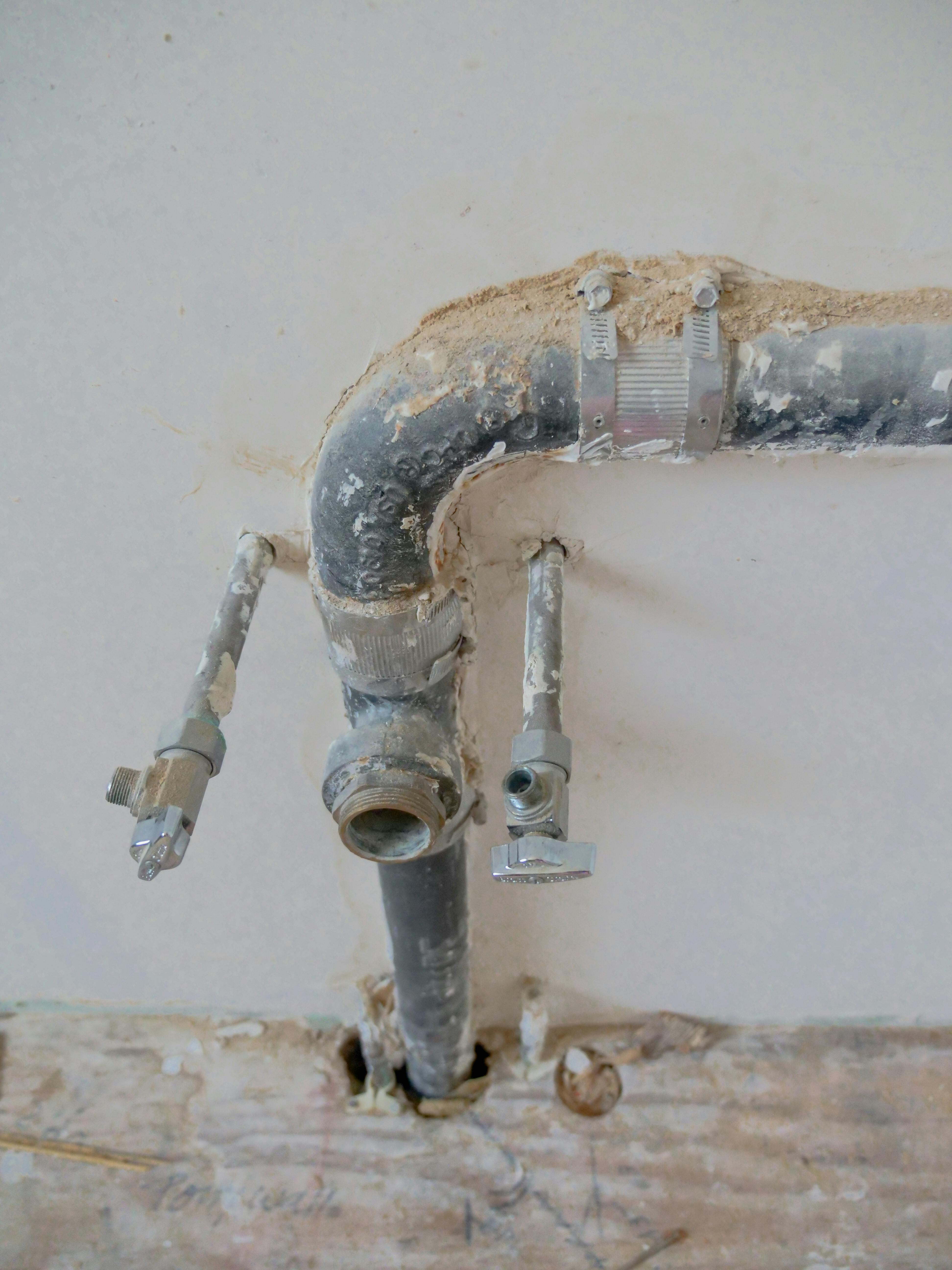
The biggest mistake is often assuming rodents appear only in severely neglected homes. In reality, a mouse can enter through a gap about the size of a dime, and rats can squeeze through surprisingly small openings around pipes, vents, doors, and utility lines. Once inside, the kitchen becomes a natural destination because it combines warmth, food, and water.
Delaying action gives rodents time to establish routines. A few droppings under the sink or a chewed bag in the pantry may seem minor, but they often indicate active foraging rather than a one-time visit. Rodents reproduce quickly, and public health agencies have long warned that infestations can escalate before homeowners realize how established they are.
The health concerns are serious. Rodents can spread pathogens through droppings, urine, saliva, and contaminated surfaces. They may also carry fleas and worsen indoor air quality when dried waste becomes airborne during sweeping or careless cleanup. In households with children, older adults, or anyone with a weakened immune system, that risk deserves immediate attention.
The right response is fast and methodical. Seal gaps around plumbing and baseboards, install door sweeps, store food securely, and clean up attractants the same day they appear. If signs continue, bring in a licensed pest professional rather than relying only on traps placed at random. Early, thorough action is what keeps a kitchen from becoming a long-term health hazard.




Leave a Reply