
Summer grilling gets easier when you stop chasing a dozen marinades and lock in one that always works. This is the kind of chicken marinade that delivers flavor, color, and juicy texture without making dinner feel like a project.
Why this marinade works so well
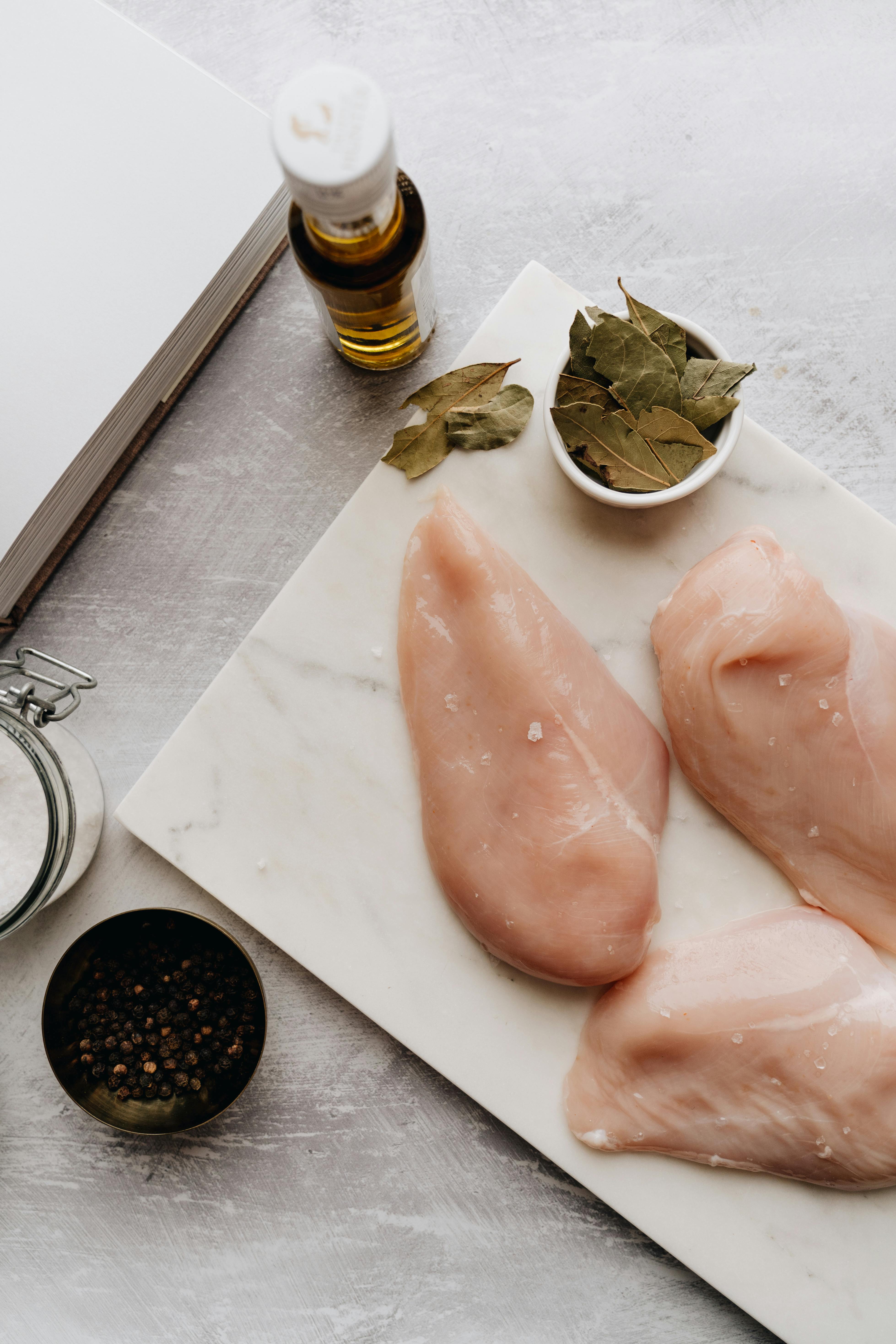
A great grilled chicken marinade needs balance more than complexity. You want acid to brighten, fat to carry flavor, salt to season deeply, and a little sweetness to help the exterior caramelize over heat. When those pieces are in the right ratio, chicken goes from bland and dry to flavorful and charred in all the right places.
The formula that consistently delivers is simple: olive oil, lemon juice, soy sauce, garlic, Dijon mustard, honey, black pepper, and a few herbs. Olive oil helps protect the meat and encourages even browning. Lemon juice wakes everything up, while soy sauce brings salt and umami that make grilled chicken taste fuller and more savory.
Dijon is the ingredient people underestimate. It adds tang, helps emulsify the marinade, and gives the chicken a subtle depth that makes the final result taste more polished. Honey does more than sweeten; it helps create those dark grill marks and sticky edges that make grilled chicken look and taste irresistible.
This mix also works because it is forgiving. It tastes great on breasts, thighs, tenders, and even bone-in pieces if you adjust grilling time. Instead of a one-note marinade that only gives surface flavor, this one builds a chicken dinner that tastes seasoned all the way through and still feels fresh enough for hot-weather cooking.
The marinade recipe to memorize
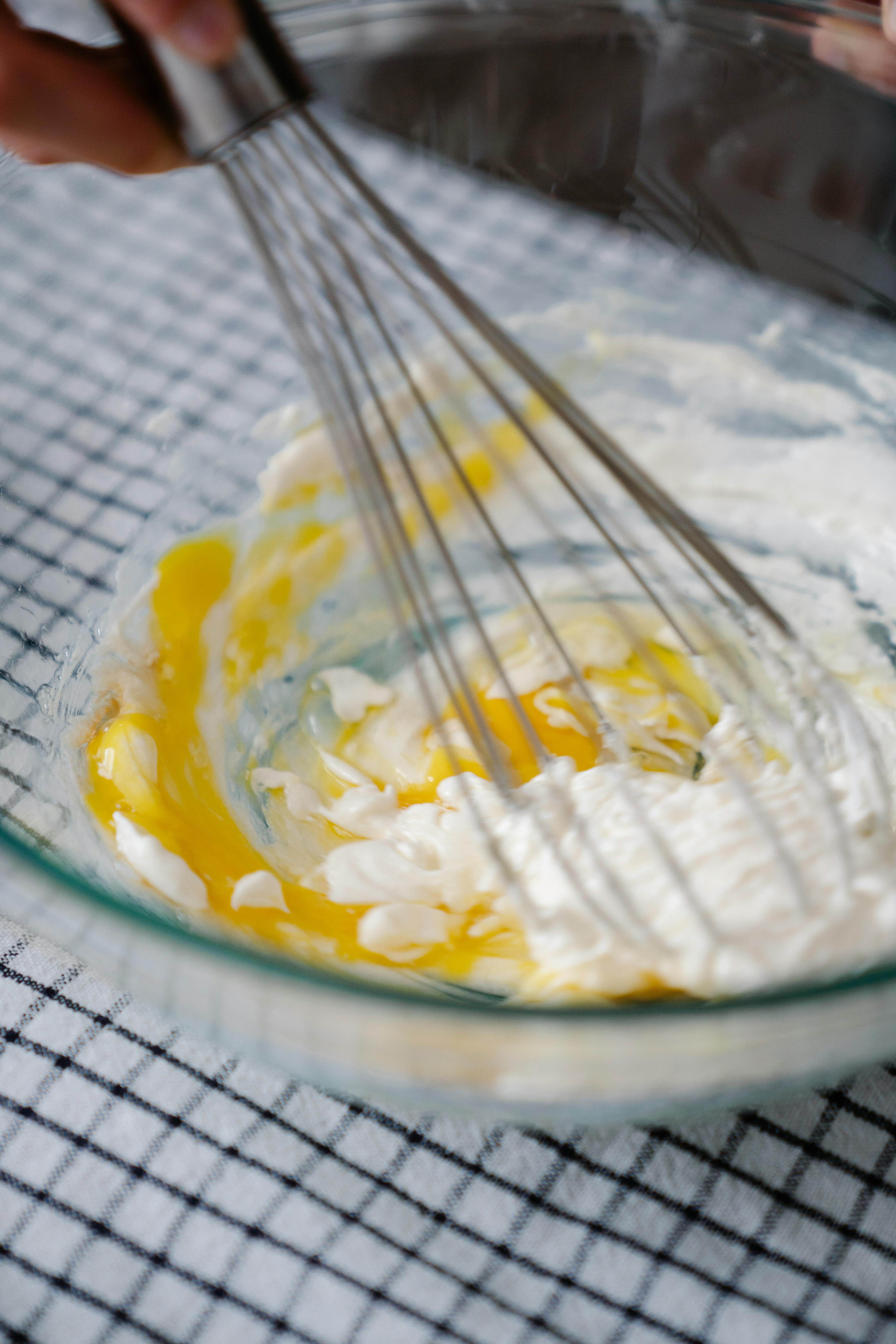
If you want one version to keep in your back pocket all summer, use this ratio: ⅓ cup olive oil, ¼ cup soy sauce, 3 tablespoon lemon juice, 2 tablespoon Dijon mustard, 2 tablespoon honey, 4 cloves minced garlic, 1 teaspoon black pepper, and 1 tablespoon chopped fresh oregano or parsley. That quantity comfortably marinates about 2 lb of chicken.
Whisk it until smooth and glossy. You should see the mustard and honey pull the oil and lemon juice together into a cohesive mixture rather than a split dressing. That matters because an even marinade coats the chicken more consistently, which means better flavor and more uniform browning once it hits the grill.
If you like a little heat, add ½ teaspoon red pepper flakes or a spoonful of chili paste. If you want a smokier edge, a pinch of smoked paprika works beautifully without changing the base formula too much. The point is not to reinvent it every time, but to have a reliable core recipe that can bend slightly depending on the meal.
This marinade also scales well for cookouts. Double it for a family gathering, or mix a big batch for meal prep and use it across several dinners. Grilled chicken from this base can turn into sandwiches, salads, grain bowls, tacos, and wraps without tasting repetitive, which is exactly what you want from a summer staple.
How long to marinate for the best texture
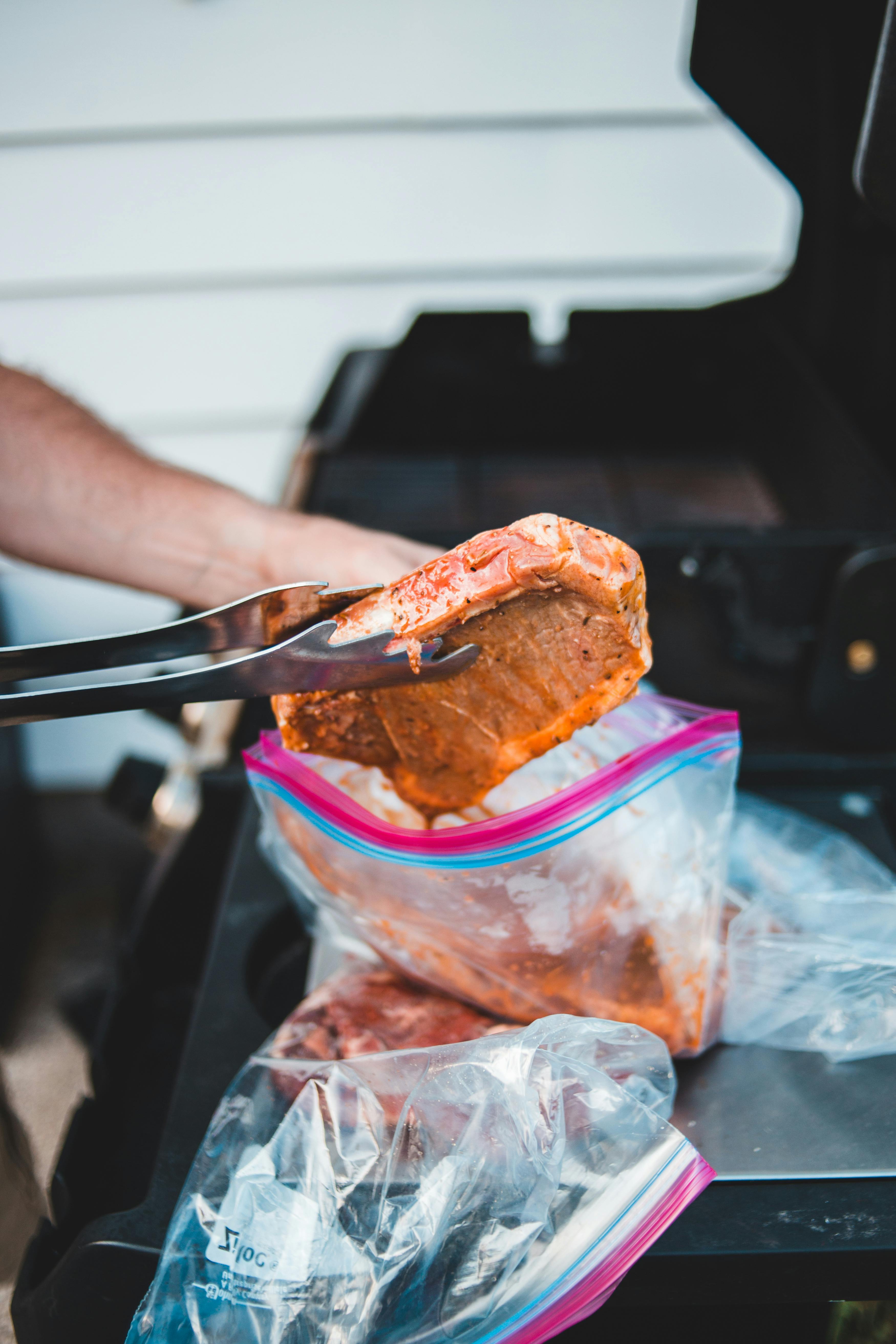
Marinade time matters just as much as ingredients. For boneless, skinless chicken breasts, 30 minutes to 2 hours is the sweet spot. Thighs can go a little longer, around 2 to 6 hours, because their higher fat content helps them stay juicy and they can handle stronger flavor without becoming mushy.
A common mistake is assuming longer is always better. With a marinade that contains lemon juice and mustard, too much time can start to affect texture, especially with chicken breasts. Leave it overnight and the surface can turn a bit mealy, which is not what you want when you are aiming for a clean, juicy bite.
If you are short on time, even 20 minutes helps. According to test-kitchen style cooking principles used by many food professionals, salt and surface seasoning begin improving flavor quickly, especially on smaller cuts like tenders or thin-cut breasts. You may not get the same depth as a longer soak, but you will still get a noticeable upgrade over plain chicken.
For best results, marinate in a zip-top bag or shallow dish and turn the chicken once or twice. Keep it refrigerated, and let it sit at room temperature for about 15 minutes before grilling so it cooks more evenly. That small step often makes the difference between a dry center and chicken that stays tender.
How to grill it without drying it out
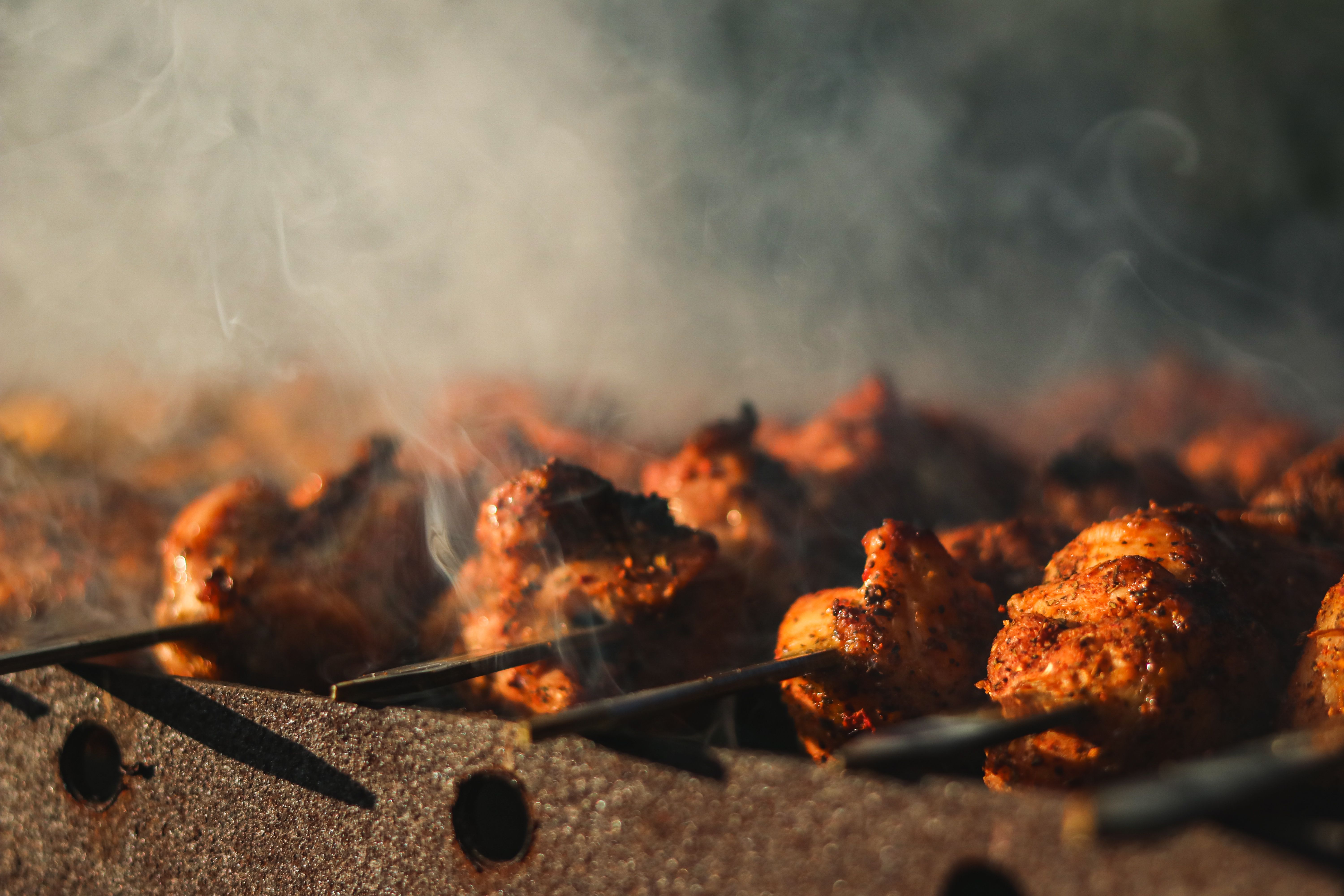
The best marinade in the world cannot save chicken from bad grill habits. Start with a clean, well-oiled grill grate and medium-high heat. You want enough heat to create quick browning and grill marks, but not so much that the honey in the marinade burns before the chicken is cooked through.
Take the chicken out of the marinade and let the excess drip off. If it is heavily coated, the sugars and garlic can char too fast. Discard used marinade, then grill the chicken undisturbed for the first few minutes so it releases naturally and develops a good sear rather than tearing when you try to flip it.
Boneless breasts usually need about 5 to 7 minutes per side, depending on thickness. Thighs often take 6 to 8 minutes per side. The most reliable move is using an instant-read thermometer and pulling the chicken at 165°F, though many grill-focused cooks remove it a shade earlier and let carryover heat finish the job during resting.
Rest the chicken for 5 minutes before slicing. That pause lets juices redistribute instead of spilling onto the cutting board. If you slice immediately, even perfectly grilled chicken can seem dry, which leads people to blame the marinade when the real issue was impatience at the finish line.
Easy ways to change the flavor without losing the formula

One reason this marinade earns a permanent place in your summer routine is that it adapts easily. For a Mediterranean direction, increase the lemon slightly and add more oregano, plus a little minced rosemary. Serve that version with grilled zucchini, couscous, or a tomato-cucumber salad and it feels like a complete warm-weather menu.
For something more barbecue-friendly, keep the base but add smoked paprika, a little onion powder, and a touch more honey. You still get the brightness from the lemon and Dijon, but the flavor leans deeper and sweeter. That version is excellent with corn on the cob, potato salad, or grilled peaches.
If you want a more global pantry spin, add grated ginger and a splash of sesame oil while reducing the olive oil a bit. The soy sauce already points the marinade in that direction, so the change feels natural rather than forced. Pair it with rice, charred scallions, and a crunchy slaw for an easy weeknight dinner that tastes layered.
Even herbs let you shift the mood. Parsley keeps it fresh and clean, basil makes it feel softer and more summery, and thyme gives it a slightly earthier finish. Once you know the structure, you can improvise confidently without risking a batch of chicken that tastes confused or flat.
The biggest mistakes to avoid this summer
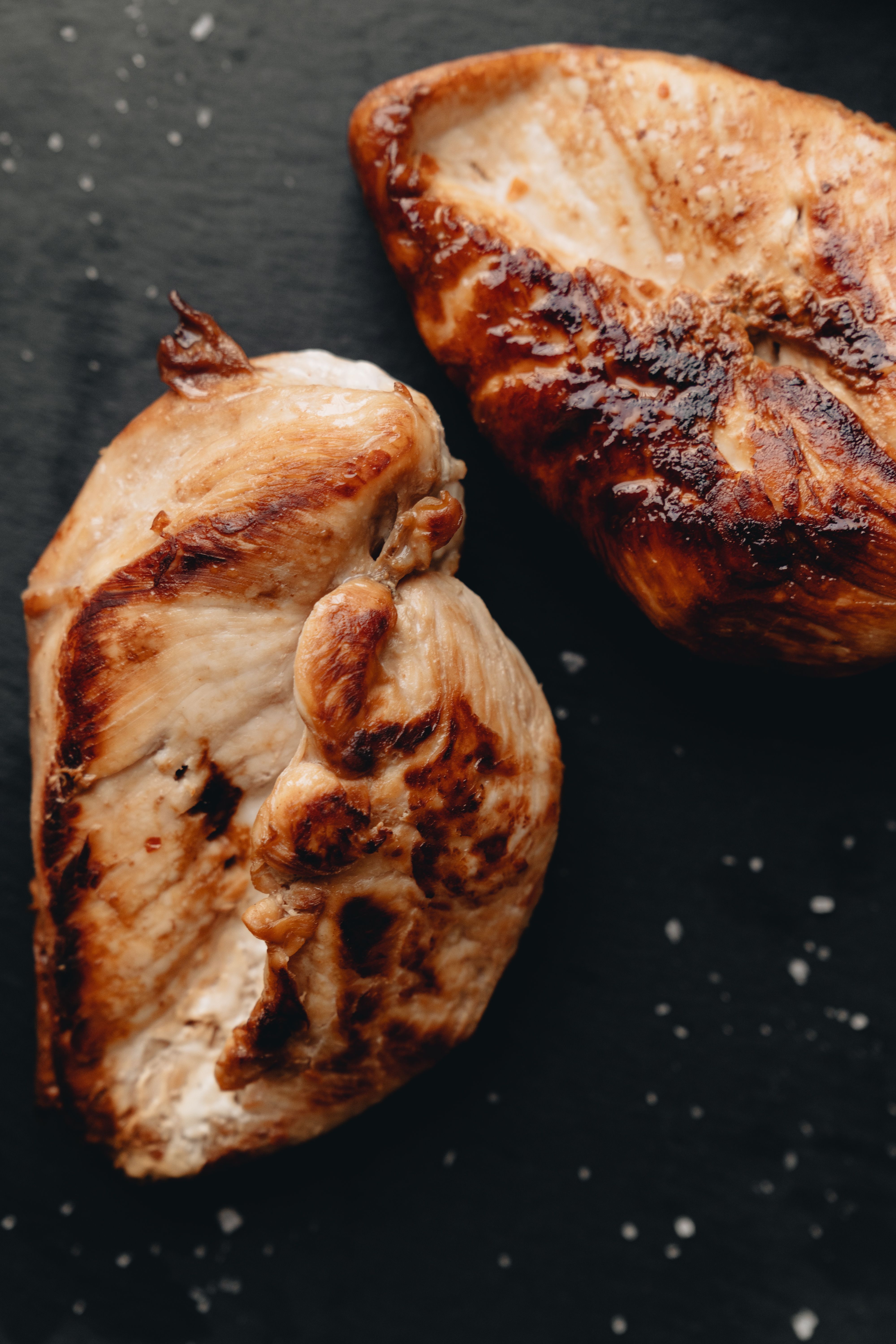
The first big mistake is using too little salt or skipping umami. Chicken needs assertive seasoning, especially on the grill where smoke and char compete with the marinade. Soy sauce handles both jobs here, giving you salinity and depth in one ingredient, which is why this recipe tastes more complete than lemon-and-oil marinades that come off flat.
Another mistake is pouring marinade over chicken and expecting magic without enough contact time or coverage. Every piece should be coated well, and thicker cuts may benefit from a light pounding for even thickness. That not only helps the marinade work better, it also keeps the chicken from overcooking on the outside before the center is ready.
People also sabotage good chicken by grilling straight from a cold refrigerator or constantly flipping it. Cold meat cooks unevenly, and too much movement prevents browning. Letting the chicken lose its chill for a few minutes and then leaving it alone on the grates gives you better color, better texture, and a more confident final result.
Finally, do not overcomplicate the meal. When the marinade is this solid, the chicken does the heavy lifting. Add a simple side, a crisp salad, or grilled vegetables, and you have the kind of summer dinner that feels relaxed but tastes like you planned it with real intention.




Leave a Reply