
Baked fries usually disappoint for one simple reason: they dry out before they truly crisp. The fix is not a gadget or a complicated chef trick, but one inexpensive pantry ingredient that changes how the surface cooks.
The ingredient is cornstarch, and it works for a reason
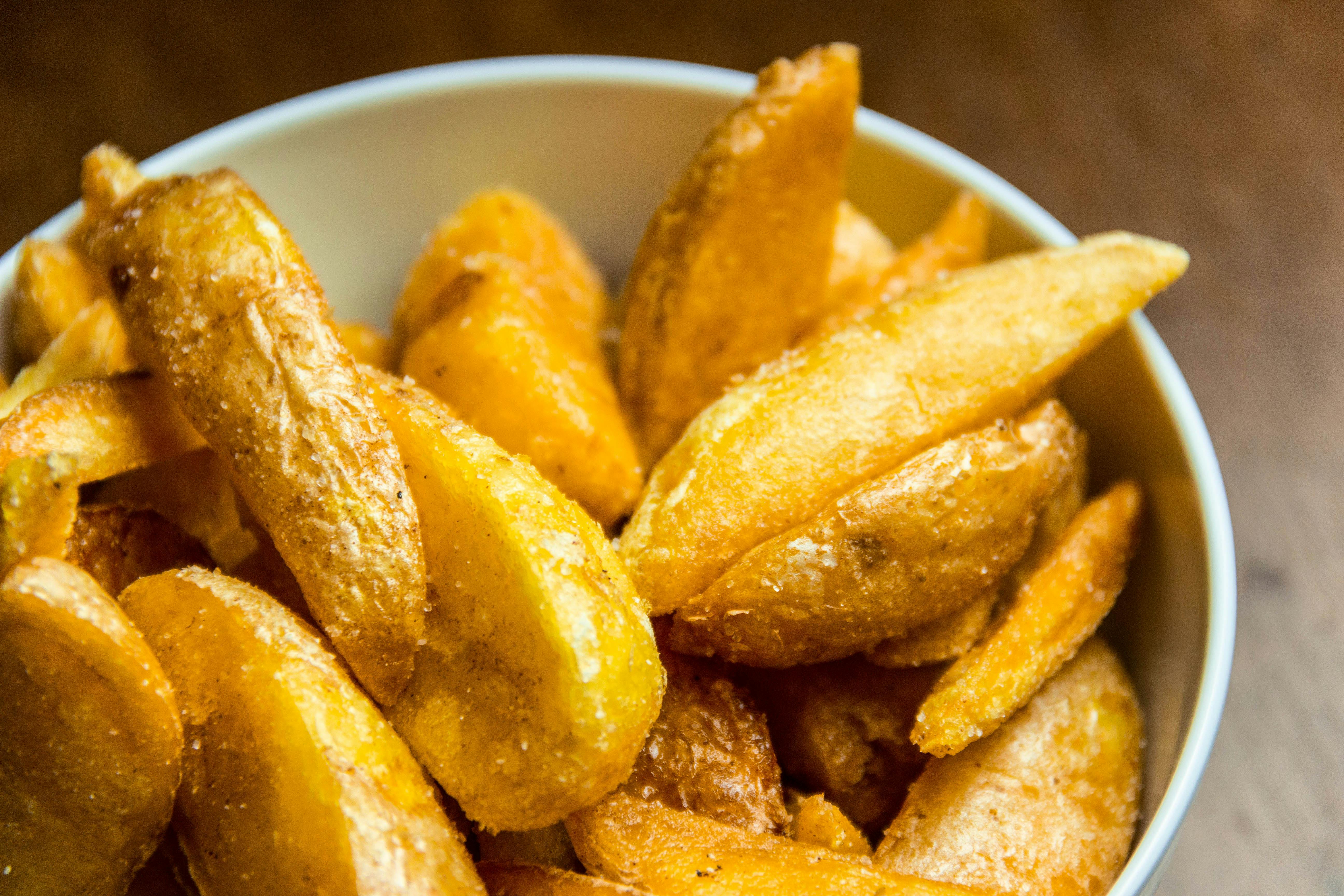
Cornstarch is the quiet hero behind many exceptionally crisp foods. In baked fries, it creates a thin coating that helps the outside dry and set quickly, which is exactly what deep frying does so efficiently in hot oil. When that outer layer firms up fast, the potato develops a delicate shell that crackles instead of turning leathery.
Food scientists have long pointed to starch behavior as a major driver of texture. Potatoes already contain starch, but adding a small amount of cornstarch to the surface gives the exterior a head start. That extra starch absorbs residual moisture, then gelatinizes and browns in the oven, producing a crust that feels much closer to fried food than a plain oil-only coating.
This matters because baked fries fail at the surface first. If the exterior stays wet too long, the potato steams, softens, and often sticks to the pan. A dusting of cornstarch changes that timing. It encourages rapid surface dehydration, which is one of the clearest differences between limp oven fries and the kind that shatter lightly when you bite into them.
Cornstarch also improves visual appeal. It promotes a more even golden finish, especially when paired with adequate heat and a modest amount of oil. That combination gives home cooks a practical way to mimic the structure of deep-fried fries without submerging potatoes in a pot of oil.
Why baked fries often go wrong in the first place

Most disappointing baked fries suffer from excess moisture, crowding, or poor heat transfer. Potatoes are mostly water, and that water has to leave the surface before browning can happen. If it does not, the fries steam in place and emerge soft, pale, and floppy even after a long time in the oven.
Cut size plays a major role as well. Thick fries can be excellent, but only if they are given enough time and space to cook through while the outside crisps. Uneven cuts create a different problem. Small pieces burn before large ones brown, so the batch ends up inconsistent and frustrating.
Another common issue is too little oil or the wrong expectation of what oil alone can do. Oil helps with heat transfer and flavor, but it cannot fully solve a wet surface. Without some support from starch, baked fries often brown in patches and remain tender rather than crisp.
Oven conditions matter more than many recipes admit. A crowded sheet pan traps steam, while a dark, preheated pan often accelerates browning. Convection helps by moving hot air around the fries, but even a standard oven can produce excellent results when moisture is controlled. That is where cornstarch earns its reputation. It addresses the exact weakness that keeps baked fries from tasting convincingly fried.
How to use cornstarch for the best texture

The method is simple, but precision helps. Start with russet potatoes, which are widely preferred for fries because they are high in starch and relatively low in moisture. Cut them evenly, then soak them in cold water for at least 30 minutes to remove excess surface starch that can otherwise turn gummy instead of crisp.
After soaking, dry the potatoes thoroughly. This step is not optional. Any visible moisture will interfere with browning and dilute the cornstarch coating. Toss the dry fries with a small amount of oil first, just enough to lightly coat them, then add cornstarch. For about 2 lb of potatoes, 1 to 1 ½ tablespoon of cornstarch is usually enough.
The fries should look lightly dusted, not thickly coated. Too much cornstarch can create a chalky exterior or a rigid crust that separates from the potato. Seasoning can be added before or after baking, but salt is often best added near the end so it does not pull unnecessary moisture to the surface early in the cooking process.
Spread the fries in a single layer with space between them. Bake at a high temperature, typically around 425°F to 450°F, turning once or twice for even color. In many home kitchens, this technique produces fries with crisp edges, fluffy centers, and the kind of audible crunch most people assume only a deep fryer can deliver.
The science behind the crunch and the color
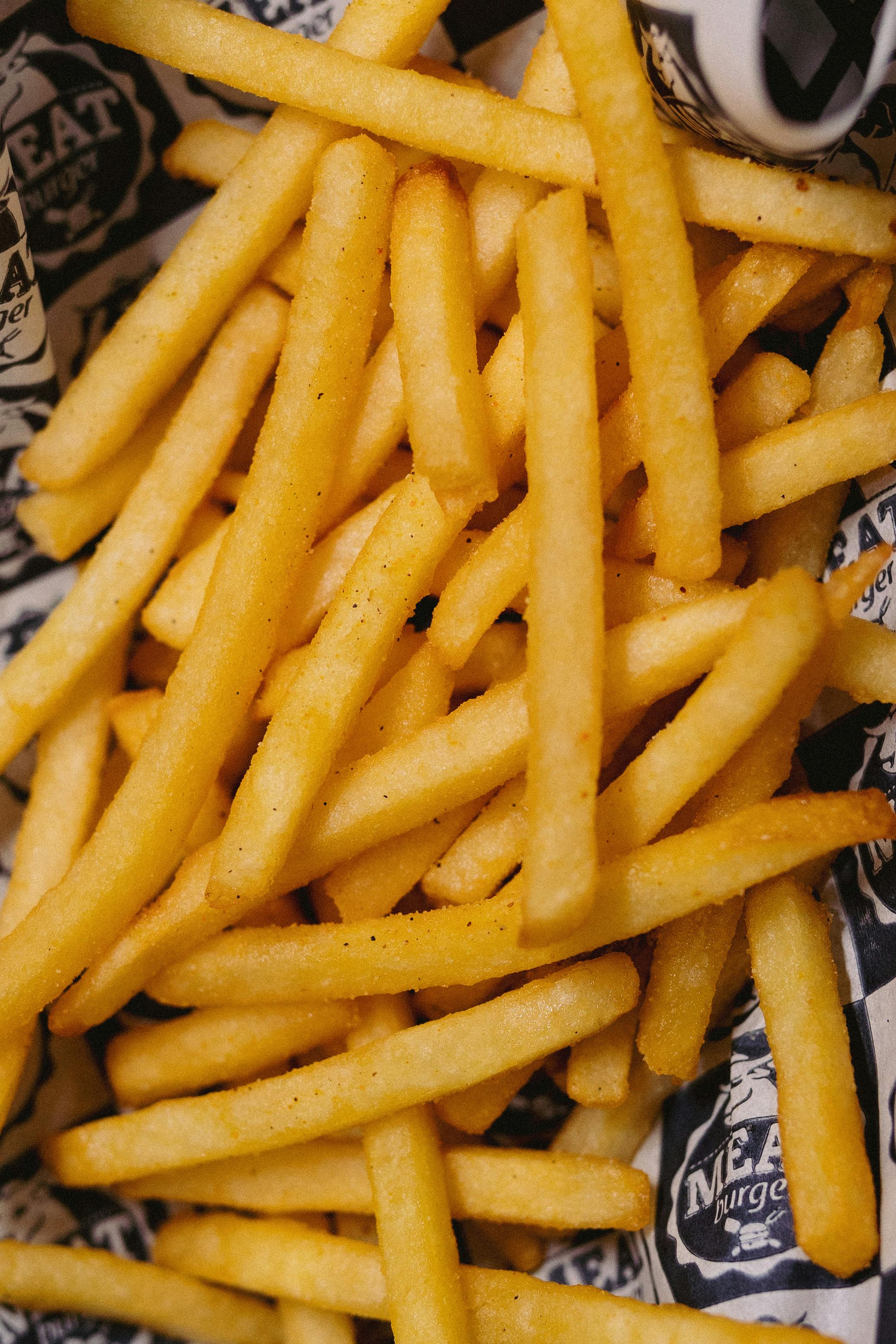
Crispness is not just about drying food out. It is about creating a surface structure that fractures cleanly. Cornstarch contributes to that structure by forming a brittle matrix on the exterior as heat drives off water. That matrix is thin enough to feel natural, but strong enough to give each fry a more pronounced crunch.
As the fries bake, two important things happen at once. First, the interior starches swell and soften, creating the fluffy center people want. Second, the cornstarch-enhanced exterior dehydrates and begins to brown. This browning is tied to the Maillard reaction and related surface changes that generate toasted, savory notes and the appetizing golden color associated with fried foods.
A 2024 wave of test-kitchen comparisons across food magazines and culinary publications reinforced the same pattern: baked fries crisp best when moisture is managed aggressively. Those tests varied in details, but many arrived at similar conclusions about soaking, drying, high heat, and the use of starch coatings such as cornstarch or potato starch.
The result is a texture contrast that feels far more luxurious than standard oven fries. Deep-fried fries are beloved because their crisp shell protects a steamy interior. Cornstarch helps imitate that contrast by making the oven work more like an intense surface-drying environment. It is not identical to frying, but it closes the gap more than most single ingredients can.
Small technique choices that make a big difference
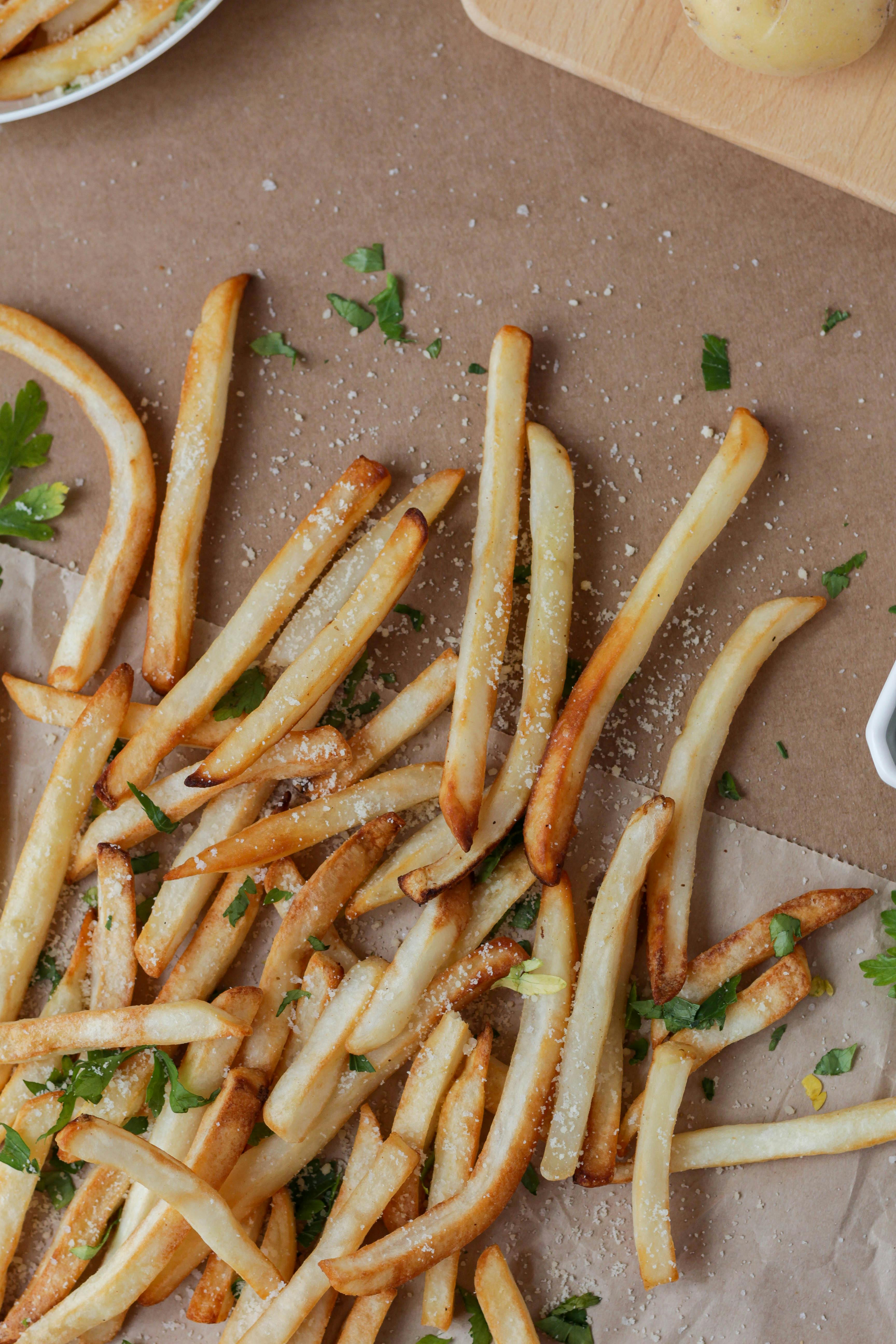
One of the smartest upgrades is preheating the sheet pan. When fries hit a hot surface, they begin setting immediately instead of slowly warming and releasing steam into the pan. That stronger initial contact helps develop a crisper underside and reduces sticking, especially when the fries are lightly coated with oil and cornstarch.
Another factor is the type of oil. Neutral oils with higher smoke points, such as canola, avocado, or peanut oil, are better suited to high-heat roasting than delicate oils. They also mimic the clean flavor profile of restaurant fries. Olive oil can work, but its flavor is more assertive and may not create the classic fry taste many people expect.
Turning the fries matters too, but constant flipping is unnecessary. A single turn halfway through baking is often enough if the oven is hot and the fries are spaced well. Overhandling can disturb the forming crust before it fully sets. Letting the fries roast undisturbed for part of the cooking time is one reason they brown more evenly.
Finally, hold back any wet toppings until the end. Garlic butter, cheese sauce, and heavy seasoning blends can quickly soften a crisp surface. If the goal is a deep-fried illusion, finish with fine salt and perhaps a little black pepper immediately after baking. That keeps the texture front and center, which is where cornstarch does its best work.
When to use alternatives and what results to expect
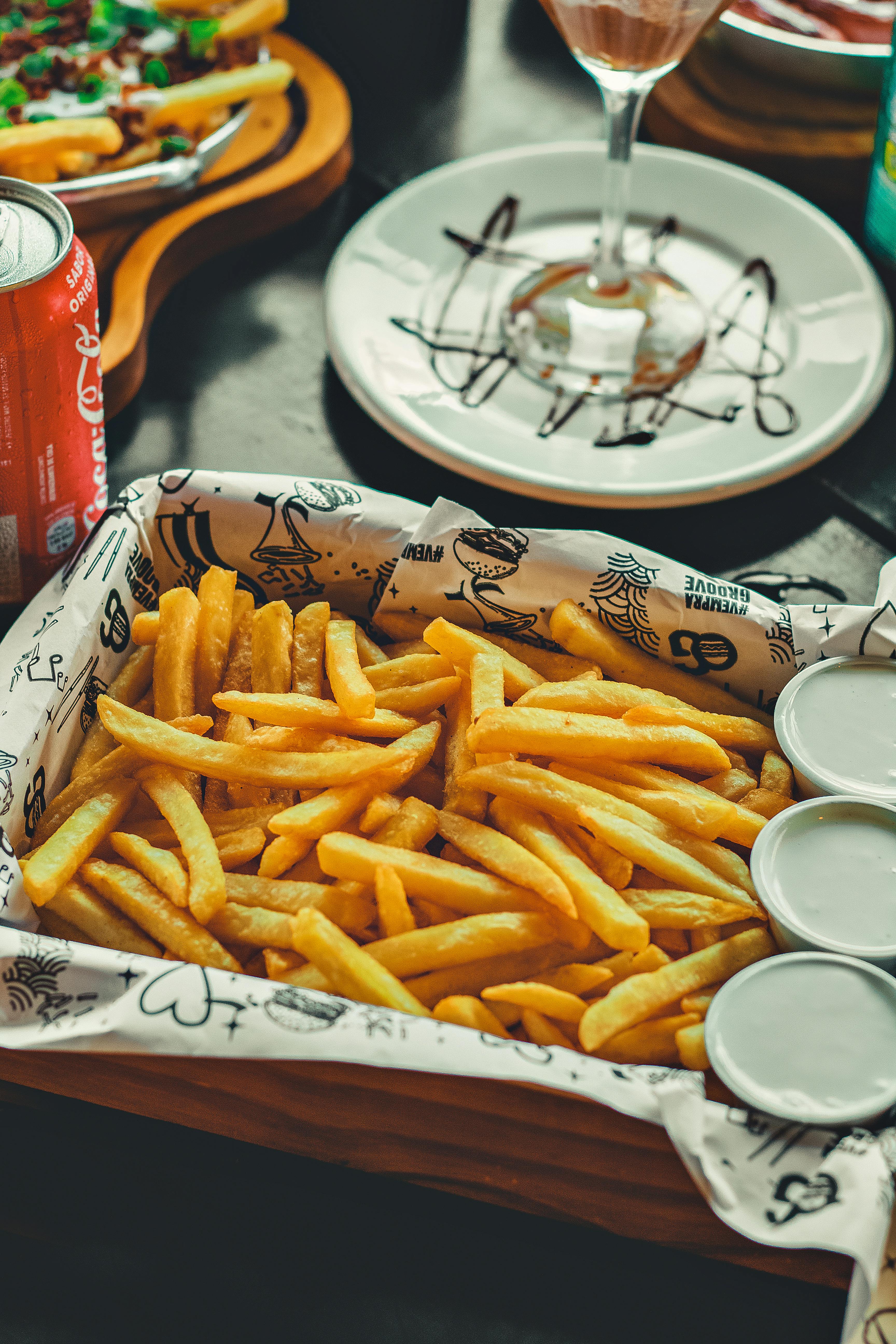
Cornstarch is the most accessible choice, but it is not the only starch that works. Potato starch can create an even more delicate crispness, while rice flour can produce a lighter, slightly different shell. Still, cornstarch remains the easiest option for most home cooks because it is inexpensive, widely available, and highly reliable.
It is also worth being realistic about the outcome. Oven fries made with cornstarch will not be indistinguishable from fast-food fries, which are often par-fried, frozen, and finished in extremely hot oil. But they can absolutely deliver the same core pleasures: a golden exterior, audible crunch, and a soft center that tastes rich rather than dry.
This technique is especially useful for weeknight cooking, family dinners, and anyone trying to avoid the mess of deep frying. It reduces oil use dramatically while still producing a result that feels indulgent. In side-by-side home tests, many cooks find that fries prepared this way stay crisp longer on the plate than basic roasted potatoes.
If you want baked fries that taste far more satisfying than their reputation suggests, cornstarch is the ingredient to remember. It solves the exact problem that ruins most oven fries and does it with almost no extra effort. For such a small addition, the payoff is unusually big: fries that look better, crunch better, and eat like they came out of hot oil.




Leave a Reply