
Most Canadians notice grocery prices rising. Far fewer notice the everyday habit that makes those rising prices hit even harder.
The habit is simple, but the cost adds up fast

The most expensive grocery habit for many households is shopping without a specific list and a meal plan. It sounds harmless because nearly everyone believes they can remember what they need. In practice, that confidence often leads to duplicate purchases, missed essentials, and extra items that looked useful in the moment.
Retail analysts have long noted that unplanned purchases are a major profit driver for supermarkets. A shopper who enters a store with only a vague idea of dinner is far more likely to respond to displays, limited-time tags, and convenience foods. Those choices rarely look dramatic one by one, which is exactly why the overspending is easy to miss.
In Canada, where food inflation has stretched household budgets in recent years, even small unplanned additions matter. Add a bakery treat, a prepared salad, a second snack pack, and a drink, and a bill climbs quickly. Over a month, that habit can quietly cost far more than most shoppers would estimate.
Why grocery stores benefit when you shop loosely

The modern grocery store is built to slow you down and widen your cart. Essentials like milk, eggs, and bread are often placed apart from one another, encouraging shoppers to pass dozens of tempting products along the way. Without a list, that longer path creates more chances to buy what was never originally intended.
Promotional signs make this effect stronger. Multi-buy deals such as 2-for-$8 or 3-for-$10 can feel like savings, even when the shopper only needed one item. Many Canadians also assume a sale tag automatically means value, but the unit price sometimes tells a different story.
Prepared foods are another major budget trap. Rotisserie chicken, cut fruit, bagged salad kits, and ready-made lunches offer convenience, but shoppers without a plan lean on them more often. Stores understand this, which is why high-margin convenience items are placed in visible, easy-reach locations.
Hunger, stress, and routine make the problem worse
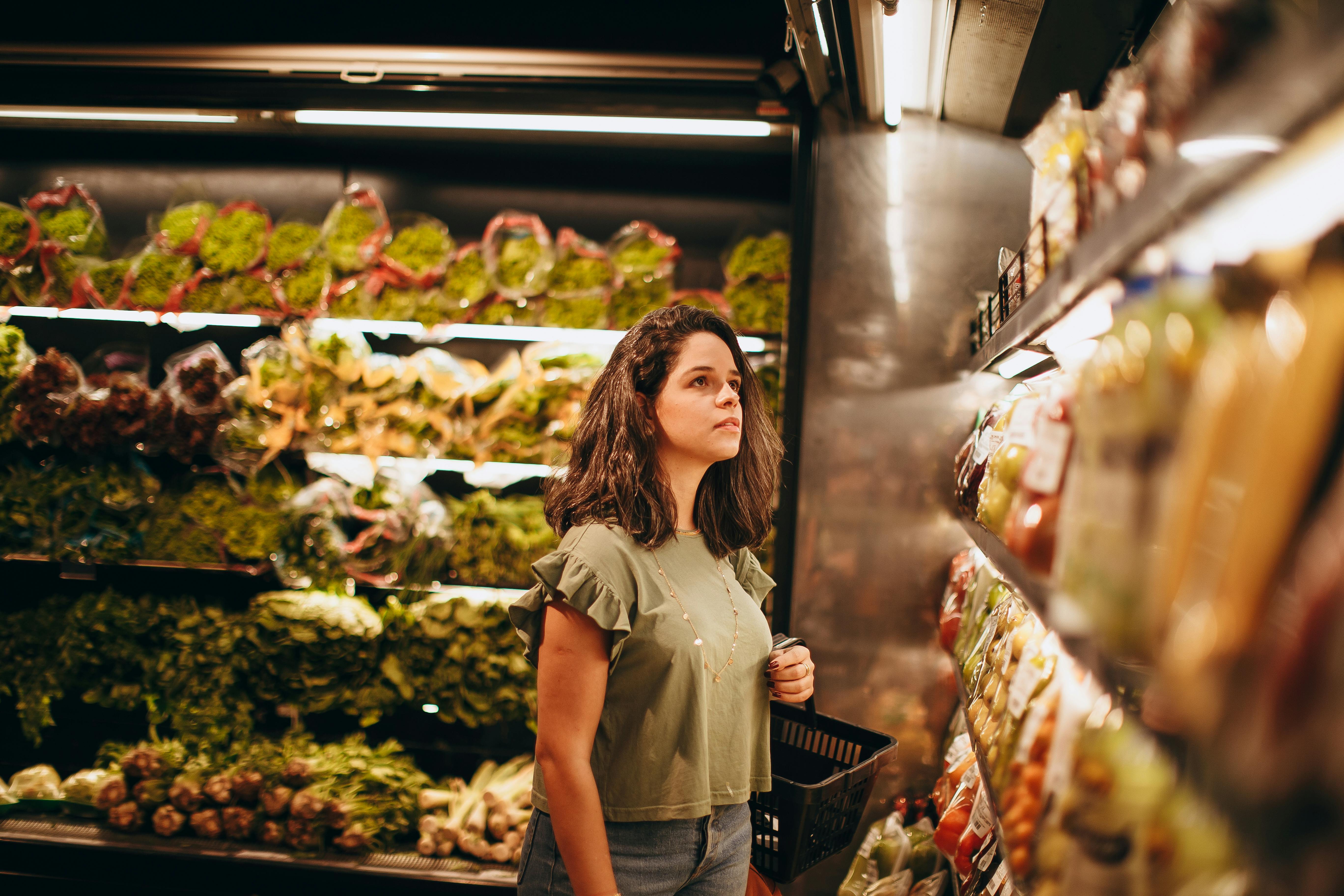
A grocery trip is not just about math. It is also shaped by energy, mood, and time pressure. Studies on consumer behavior consistently show that hungry shoppers buy more food overall and choose more calorie-dense, impulse-friendly items, especially snacks and ready-to-eat products.
Stress has a similar effect. After work, many people shop while mentally exhausted and eager to finish quickly. That is when a pre-cut vegetable tray or frozen appetizer feels like a smart shortcut, even if buying basic ingredients would have cost much less.
Routine deepens the problem because it hides it. If someone always tosses a few extras into the cart each visit, the spending stops feeling optional and starts feeling normal. That pattern can continue for years without being recognized as a budget issue at all.
The hidden extras Canadians often overlook
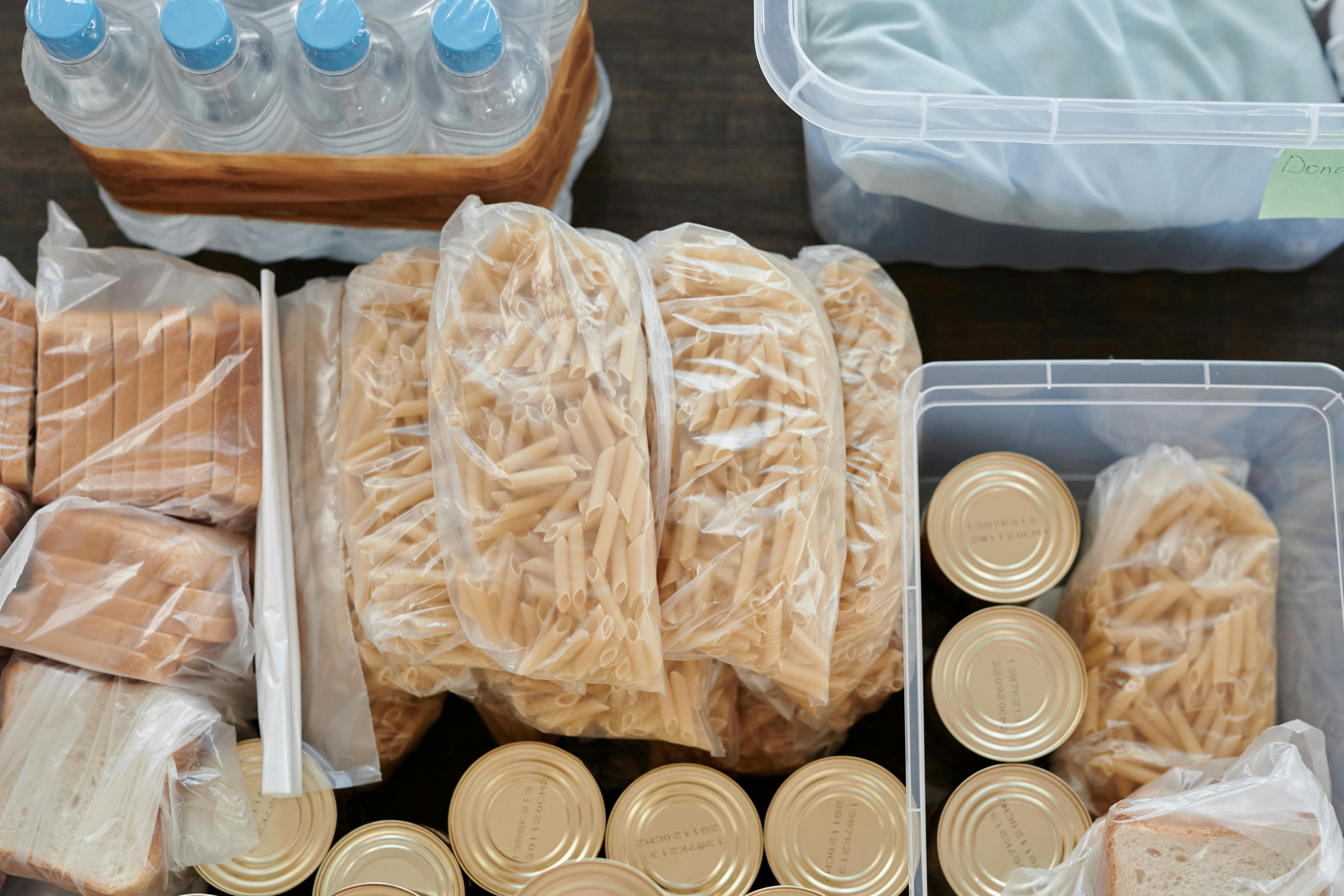
One overlooked cost of list-free shopping is waste. When people buy items because they looked good in store rather than because they fit a meal plan, food is more likely to spoil before being used. Statistics Canada and food waste researchers have repeatedly highlighted how much edible food households throw away each year.
Another hidden expense comes from duplicates. A shopper who cannot remember whether there is pasta sauce, cereal, or cheese at home may buy another package just in case. That turns pantry uncertainty into repeat spending, especially in larger households where inventory is harder to track.
Then there is substitution creep. When a planned ingredient is forgotten, shoppers often return later for a smaller top-up trip. Those quick visits are rarely efficient. A forgotten onion can easily become a $25 trip once a drink, dessert, and another "while I'm here" item land in the basket.
What a smarter grocery plan actually looks like

A strong grocery plan does not require extreme couponing or a spreadsheet. It starts with checking the fridge, freezer, and pantry before leaving home. That quick review helps prevent duplicate purchases and reveals what needs to be used first.
Next comes a meal plan simple enough to follow. Many budgeting experts recommend planning just 4-5 dinners instead of every meal, leaving room for leftovers and flexible staples. When shoppers know what those dinners are, they are much less likely to be pulled toward expensive convenience foods.
A written list matters most when it is specific. "Vegetables" is weak, but "broccoli, carrots, spinach" is useful. Organizing the list by department, such as produce, dairy, meat, and frozen, also reduces backtracking, which cuts down on extra browsing and the impulse buying that comes with it.
How to spend less without making shopping miserable

The goal is not to remove every enjoyable purchase. It is to separate intentional spending from accidental spending. If a household wants dessert, specialty cheese, or a favourite snack, putting it on the list makes it a choice rather than a leak in the budget.
Timing also helps. Shopping after eating, choosing a quieter hour, and setting a rough spending limit all reduce the odds of impulse decisions. Some Canadians find online ordering useful because it makes total costs visible before checkout, though it only works when convenience fees stay lower than in-store overspending.
The real lesson is simple. The grocery habit that quietly drains money is walking in without a clear plan. In a store designed to influence every decision, structure is not restrictive. It is one of the most effective ways to protect a household budget.



Leave a Reply