
Most Canadians would guess Montreal or Quebec City. They would be wrong.
The better answer is Sherbrooke, a small Quebec city whose food culture is less famous than it deserves and far more impressive than its size suggests.
Why Sherbrooke deserves the claim
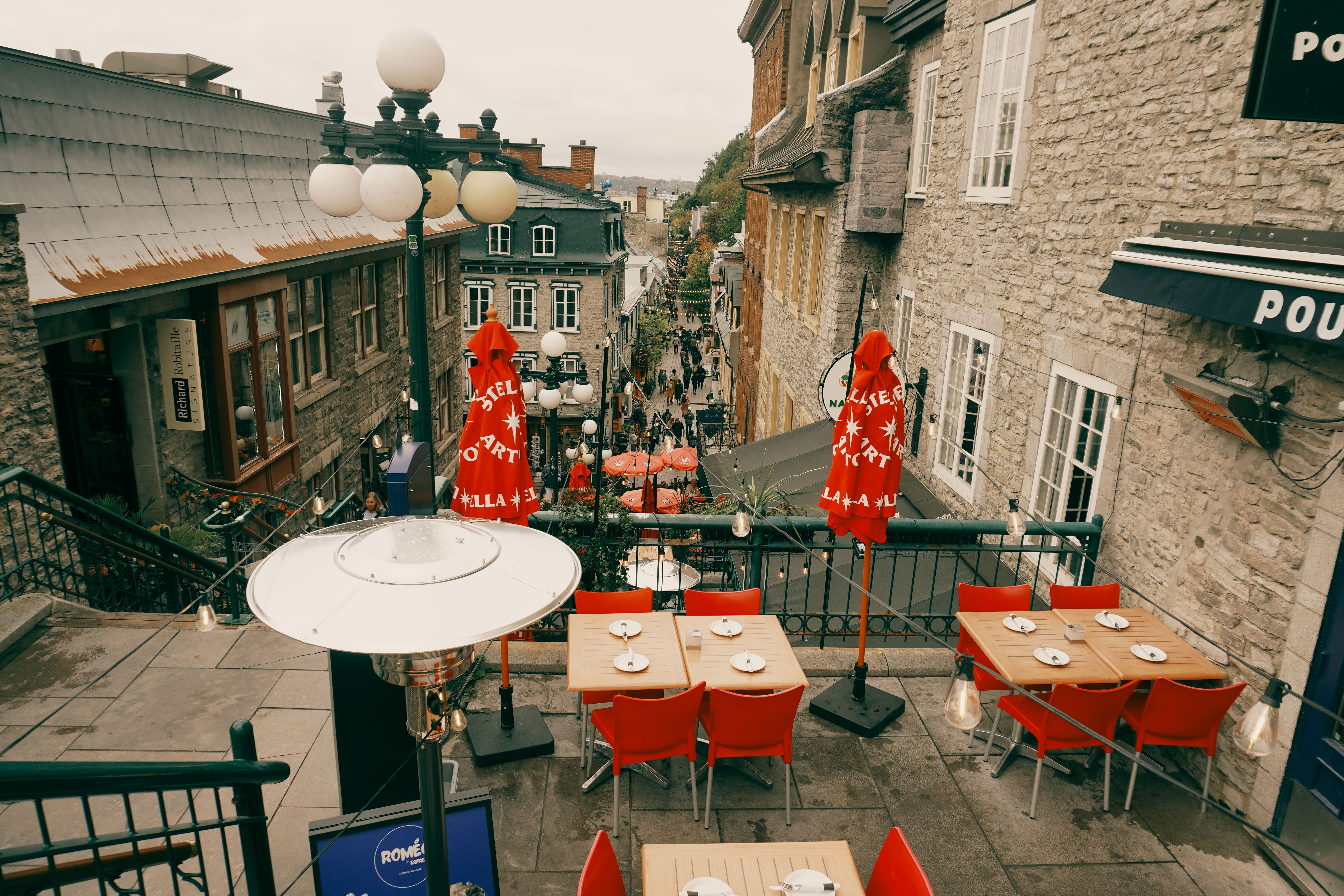
At first glance, Sherbrooke does not look like a place that should dominate a conversation about great eating. It lacks the global brand of Paris, Lyon, or Bordeaux, and it is rarely featured in international rankings. That is exactly why it is so easy to overlook.
What makes Sherbrooke special is not theatrical luxury or celebrity chefs. It is the total food environment. People here have unusual access to strong bread, careful cheese, seasonal produce, local meat, and a dining scene shaped by both French tradition and Quebec pragmatism.
That balance matters more than prestige. In many famous French cities, eating well can be expensive, uneven, and tied to tourism. In Sherbrooke, quality often shows up in ordinary routines, which is the real test of whether a place truly eats well.
The Eastern Townships create a rare supply chain

Geography is doing a great deal of the work here. Sherbrooke sits in the Eastern Townships, one of Quebec's richest agricultural regions, with dairy farms, orchards, maple producers, grain growers, vineyards, and small livestock operations all within practical reach of the city. That proximity shortens the distance between field and plate.
The result is freshness that is not just a marketing term. Restaurants can build menus around nearby duck, pork, apples, berries, and artisan cheeses without paying the premium usually attached to imported cachet. Local bakeries and markets benefit from the same ecosystem.
This kind of regional integration resembles the best parts of rural France, but with a modern North American advantage. Producers are used to direct sales, seasonal events, and transparent sourcing. Consumers, in turn, are more likely to know where food came from and why it tastes the way it does.
French culinary DNA survived and adapted
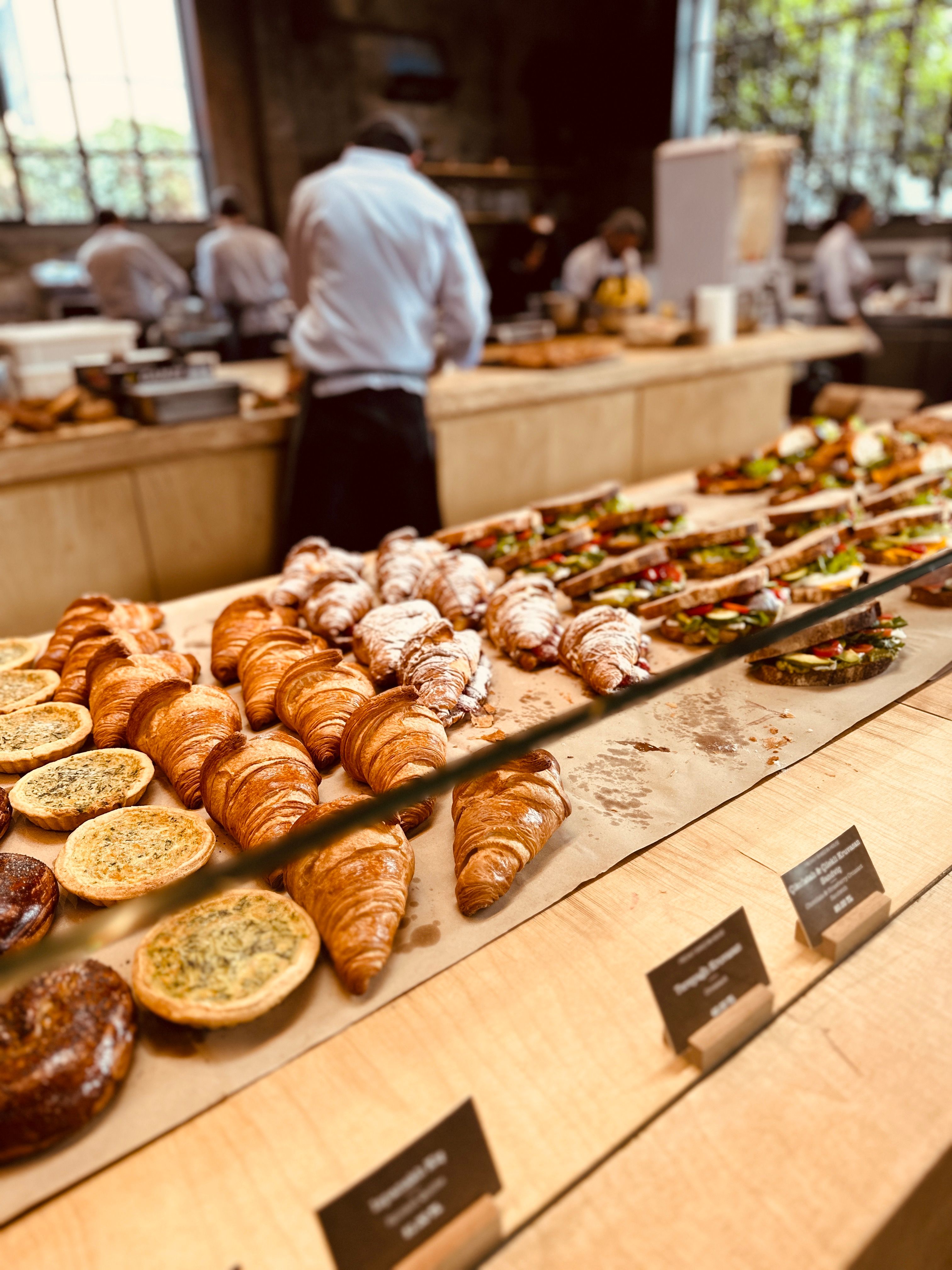
Sherbrooke's food culture has deep French roots, but it does not imitate France in a stiff or nostalgic way. It adapts. You can see this in menus that treat butter, stock, charcuterie, pastry, and sauce-making seriously while still welcoming Quebec ingredients and broader immigrant influences.
That flexibility gives the city an edge. France can be magnificent, but its food culture can also be conservative, especially outside major culinary centers. Sherbrooke benefits from French technique without being trapped by culinary hierarchy, which allows chefs and home cooks to be both disciplined and inventive.
The same pattern appears in everyday eating. Good boulangeries, cheese shops, markets, and neighborhood restaurants matter more than destination tasting rooms. A city eats better when ordinary residents can participate in quality, not just visitors with reservations and expense accounts.
Affordability changes how well people actually eat
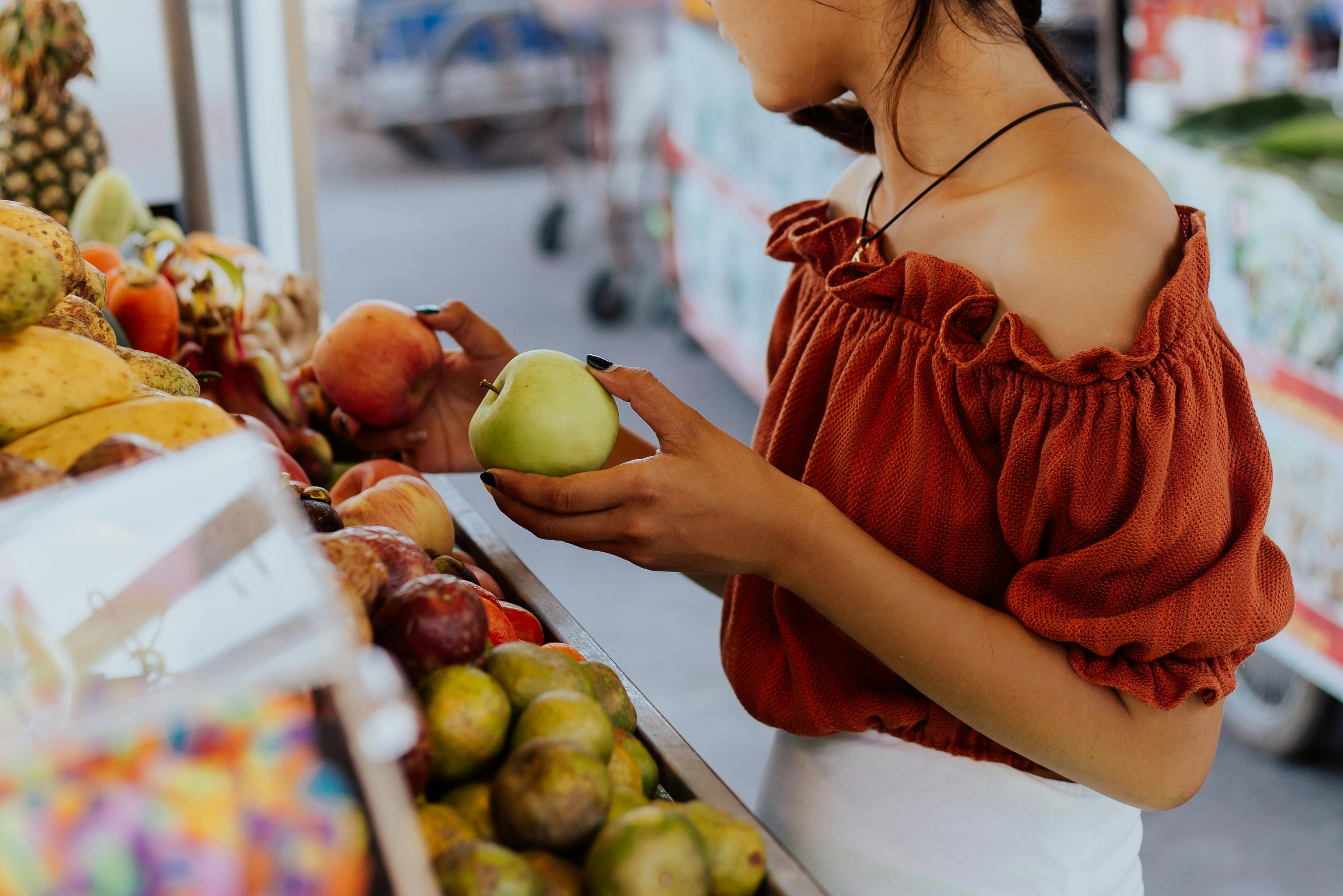
This is where Sherbrooke becomes especially convincing. Food quality is one thing, but frequency matters. If excellent ingredients and strong restaurants are financially reachable, more people can build better meals into daily life rather than saving them for special occasions.
Compared with major French cities and even larger Canadian food hubs, Sherbrooke remains relatively affordable. Housing costs, restaurant prices, and access to local products generally create less pressure on household budgets. That gives residents more room to buy real bread, local produce, and carefully made prepared foods.
Economists often note that affordability shapes behavior more than aspiration does. A city where middle-income households can shop at markets, eat in independent restaurants, and support local farms will often produce healthier and more satisfying food habits than a glamorous city where quality is increasingly a luxury product.
The city rewards everyday food intelligence
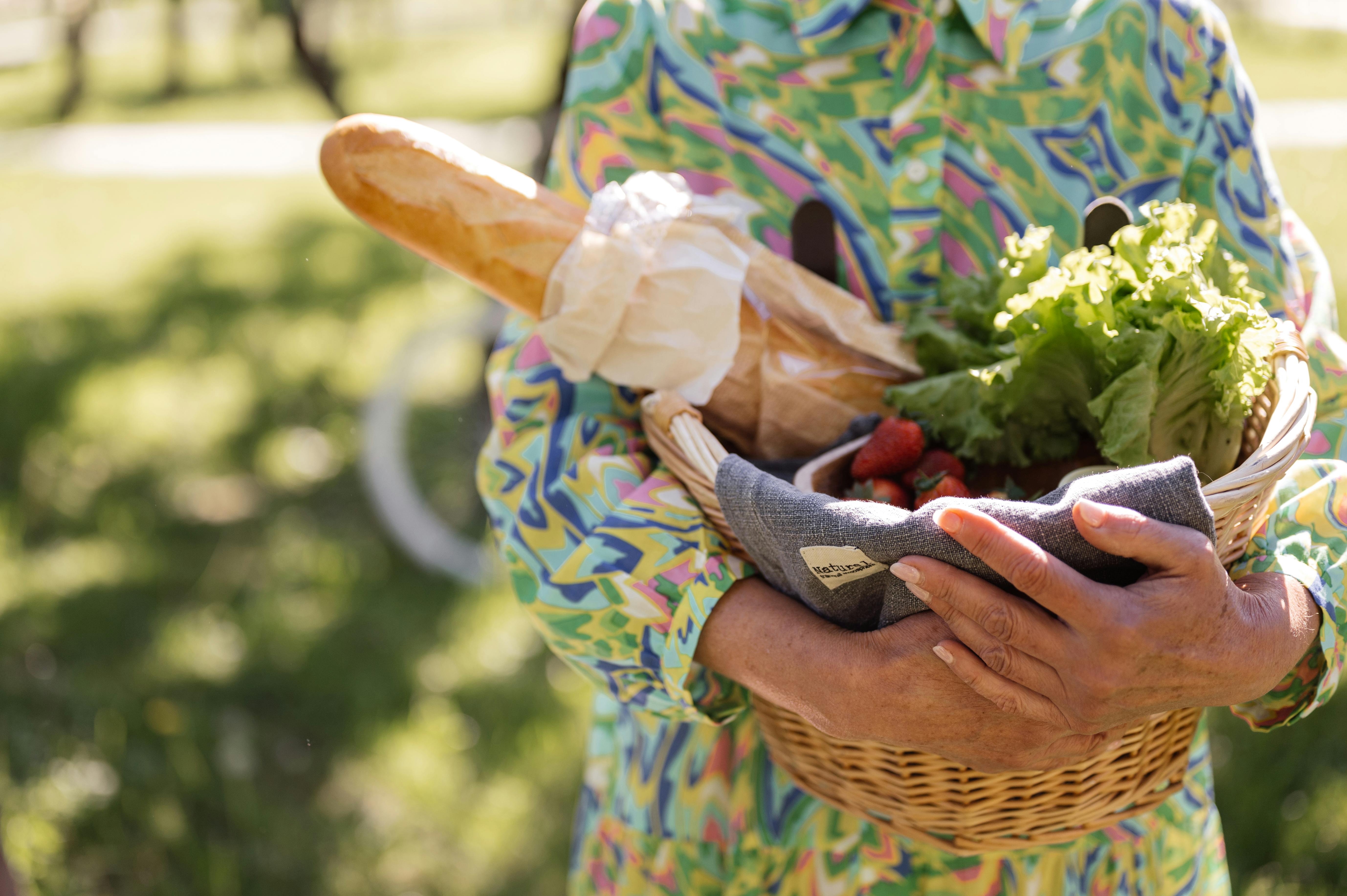
A great food city is not measured only by elite dining. It is measured by habits. Sherbrooke performs well because residents live inside a culture that values cooking, seasonal awareness, and ingredient quality without turning those things into status theater.
Universities in the city help too. A younger population brings curiosity, demand for diverse cuisine, and steady business for cafes, bakeries, and affordable restaurants. At the same time, longstanding Quebec food traditions keep the local standard grounded in comfort, craft, and recognizable flavor rather than novelty for its own sake.
Public markets and small specialty shops reinforce that rhythm. People buy what is ripe, ask questions, compare cheeses, and return to producers they trust. That repeated contact builds food literacy, and food literacy is one of the clearest markers of a place that genuinely eats well.
Why most Canadians have barely noticed
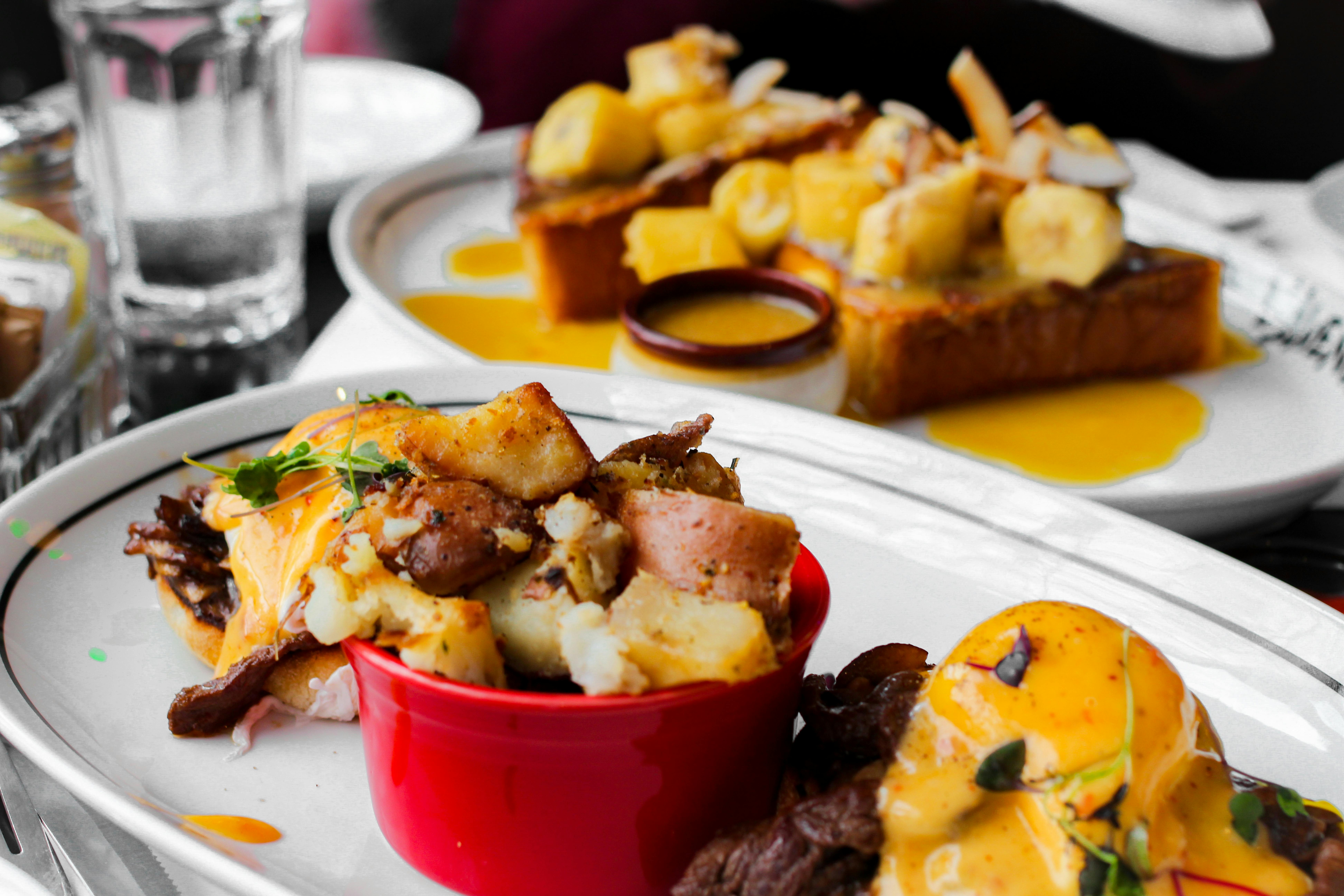
Sherbrooke's biggest weakness is visibility, not quality. It is overshadowed by Montreal's fame, Quebec City's postcard appeal, and the international mythology of France itself. Canadian food media also tends to favor large urban scenes, splashy openings, and chefs with national profiles.
Yet obscurity can preserve standards. Places that are not chasing mass tourism often keep stronger links to local producers and regular customers. Sherbrooke has been able to grow a food culture that serves residents first, and that usually produces better everyday eating than places designed for visitors.
So yes, the claim sounds provocative. But once you judge a city by access, freshness, affordability, technique, and daily habits rather than romance alone, Sherbrooke becomes a remarkably strong answer. It may be Canada's least famous serious food city, and that is precisely why it works.



Leave a Reply