
Some of the most satisfying meals now begin with a glance into the pantry, not a trip to the store. That shift says a great deal about how people want to cook and live today.
Why pantry-first cooking feels newly relevant

What used to be called "making do" has taken on a new cultural prestige. Recipes built around ingredients already in the house now appeal to people across income levels, not just households trying to stretch a budget. They answer a modern problem: too many people are time-poor, mentally overloaded, and tired of treating every dinner like a small logistics project. A meal that starts with rice, eggs, canned fish, onions, or pasta feels manageable in a way that a specialty recipe often does not.
The renewed interest is tied to several forces at once. Food prices remain volatile in many markets, and shoppers have become more aware of how quickly a routine grocery run adds up. At the same time, remote work, hybrid schedules, and irregular family routines have made rigid meal planning harder to maintain. According to recurring consumer trend reporting from major food retailers and market researchers, convenience is no longer just about takeout or ready meals. It increasingly means having the skill to assemble something good from basic staples in 20 minutes.
There is also a psychological dimension. Pantry-first recipes reduce decision fatigue. They spare people the draining question of what to buy, where to go, and whether one missing ingredient will derail dinner. That is why fallback meals like eggs and rice, garlic pasta, fried rice, or sardines with onions remain powerful. They are simple, but they create a sense of control at the end of a demanding day.
Social media has amplified the appeal, but not in the usual aspirational way. Instead of highly styled perfection, many popular home-cooking videos now celebrate practical improvisation. Viewers respond to meals that look real, affordable, and repeatable. In that sense, cooking with what is already on hand is not a retreat from food culture. It is a more grounded version of it.
The staples that quietly make these meals possible
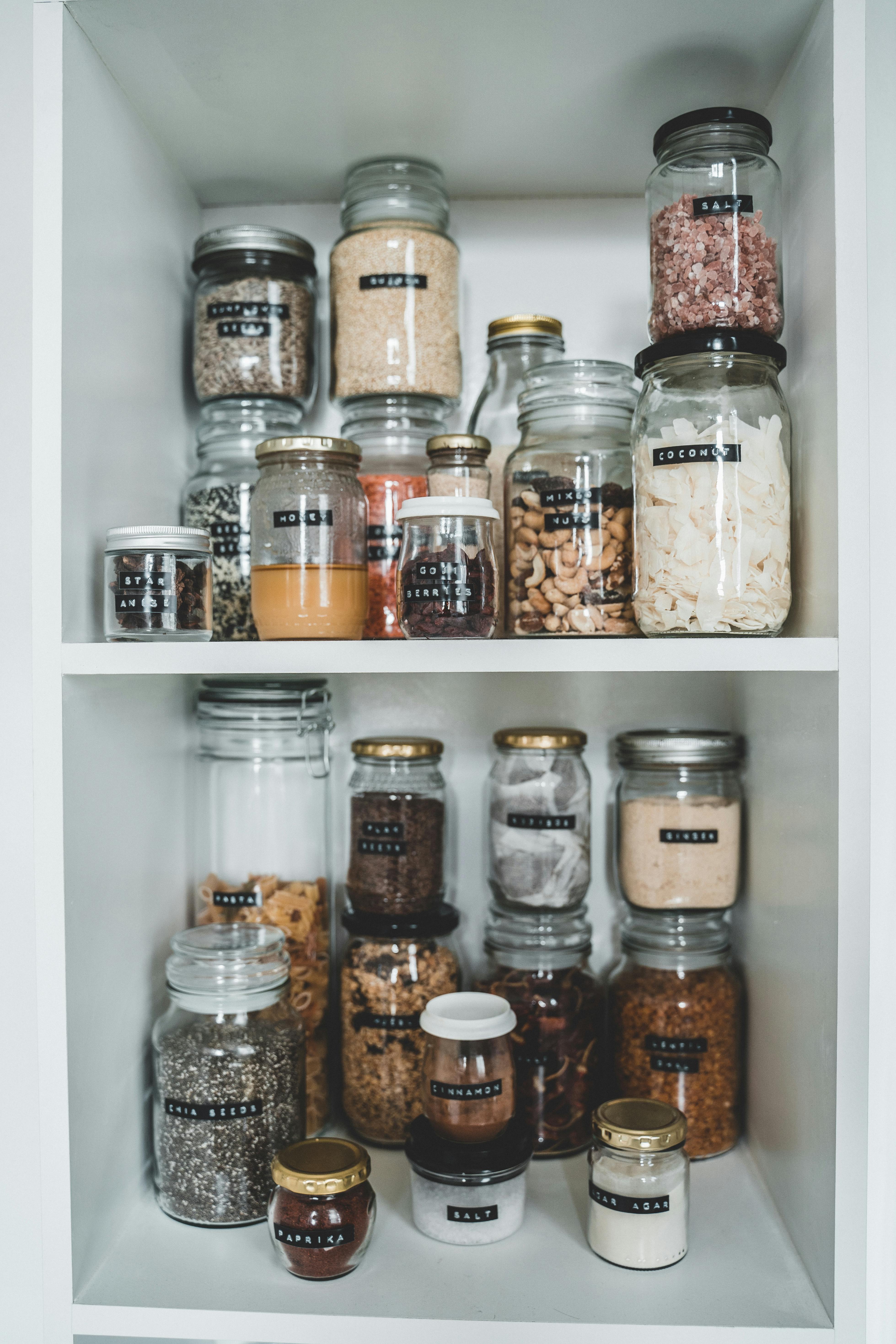
The phrase "ingredients you already have" sounds vague until you look at what most kitchens consistently contain. Across many households, the backbone is familiar: eggs, rice, pasta, onions, garlic, cooking oil, butter, canned goods, potatoes, flour, and some form of seasoning. These are not glamorous ingredients, but they are structurural ingredients. They provide protein, starch, flavor, and flexibility, which is exactly what improvised cooking needs.
Eggs are one of the clearest examples. They cook quickly, pair well with leftovers, and work at any time of day. A fried egg over rice is a complete meal for millions of people because it offers richness, protein, and comfort with almost no prep. Add soy sauce, scallions, ketchup, hot sauce, or leftover vegetables and it changes character immediately. Nutrition experts often point to eggs as one of the most efficient refrigerator ingredients because they bridge breakfast, lunch, dinner, and baking.
Rice and pasta serve a similar role as neutral, filling bases. Leftover rice becomes fried rice, soup bulk, or a side for canned tuna or sardines. Dry pasta, even when there is little else around, can become a real dinner with garlic, oil, butter, chili flakes, black pepper, and a little cheese. This is why versions of aglio e olio remain enduringly popular. They prove that flavor can come from technique and pantry management, not only from a long ingredient list.
Canned foods are another overlooked strength. Tuna, sardines, beans, tomatoes, and corn provide shelf-stable insurance against empty-fridge evenings. During periods of economic stress, food policy researchers have long noted the value of shelf-stable proteins because they reduce waste and help households avoid expensive last-minute purchases. A can of sardines sautéed with onion and garlic over rice is not merely convenient. It is a model of resilience.
Then there are overripe bananas, potatoes, and scraps that might otherwise be discarded. Bananas become bread or pancakes. Potatoes become soup, hash, mash, or skillet dinners. Vegetable peels, onion ends, and bits of chicken can become stock. These ingredients matter because they expand a cook's sense of possibility. The appeal of these recipes begins with a simple truth: many homes are not empty at all. They are just under-interpreted.
Why these meals resonate with tired, busy households
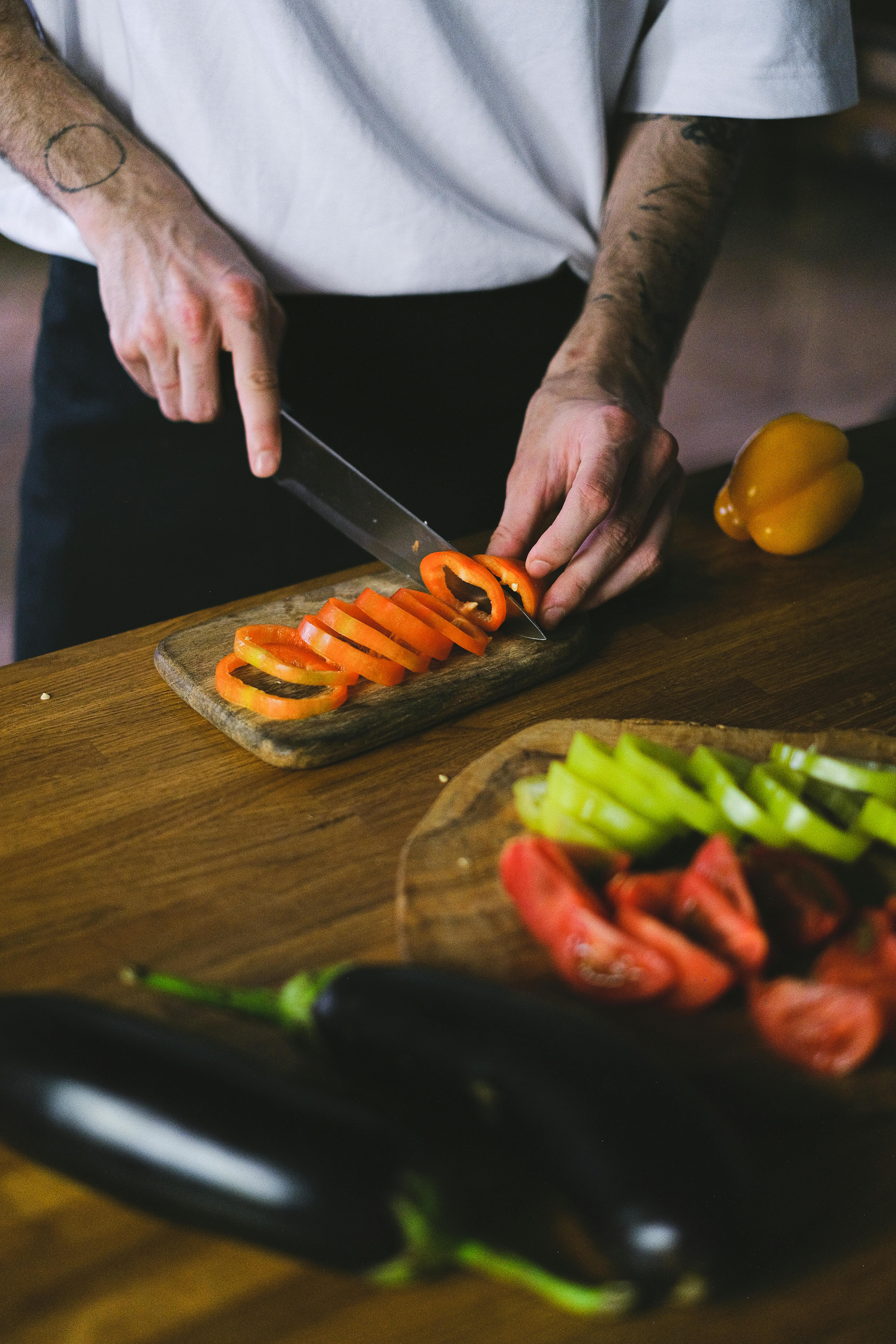
A pantry meal succeeds not only because it is cheap, but because it meets people where they are. Many households are not looking for culinary adventure at 6:30 p.m. on a weekday. They are looking for relief. That is why the most beloved use-what-you-have recipes tend to share the same traits: they are forgiving, fast, and hard to ruin. They ask very little from the cook at the exact moment the cook has very little left to give.
Fatigue is central to this appeal. After work, childcare, commuting, or caregiving, even a simple grocery detour can feel like a major obstacle. The reference source captures this mood well: the fridge looks empty, energy is low, and the store feels exhausting. In behavioral terms, that moment matters. Researchers who study consumer choice consistently find that the more steps a task requires, the less likely people are to do it. Pantry-first cooking lowers the number of steps between hunger and eating.
These meals also reduce financial stress in a subtle but meaningful way. A dinner made from leftovers or staples can prevent the expensive pattern of ordering delivery because "there's nothing at home." That phrase often means there is nothing obvious at home. Fried rice is the classic case. Yesterday's rice, a little oil, garlic, egg, and any stray vegetables or protein become a meal that feels intentional rather than improvised. The transformation itself is reassuring.
There is a family advantage as well. Familiar ingredient-based meals are often easier to serve to mixed-age households because they rely on known flavors. Pasta with garlic and butter, potato soup, egg fried rice, or tuna over rice are not challenging foods. They are foods people recognize immediately. In uncertain times, recognition has value. Comfort food does not need to be elaborate to do its work.
This practicality does not make the cooking joyless. In fact, many people rediscover confidence through these meals. They learn to taste as they go, substitute intelligently, and trust judgment over exact instructions. That confidence is one reason these recipes are searched so frequently. They promise not perfection, but a path forward.
The dishes that define the movement
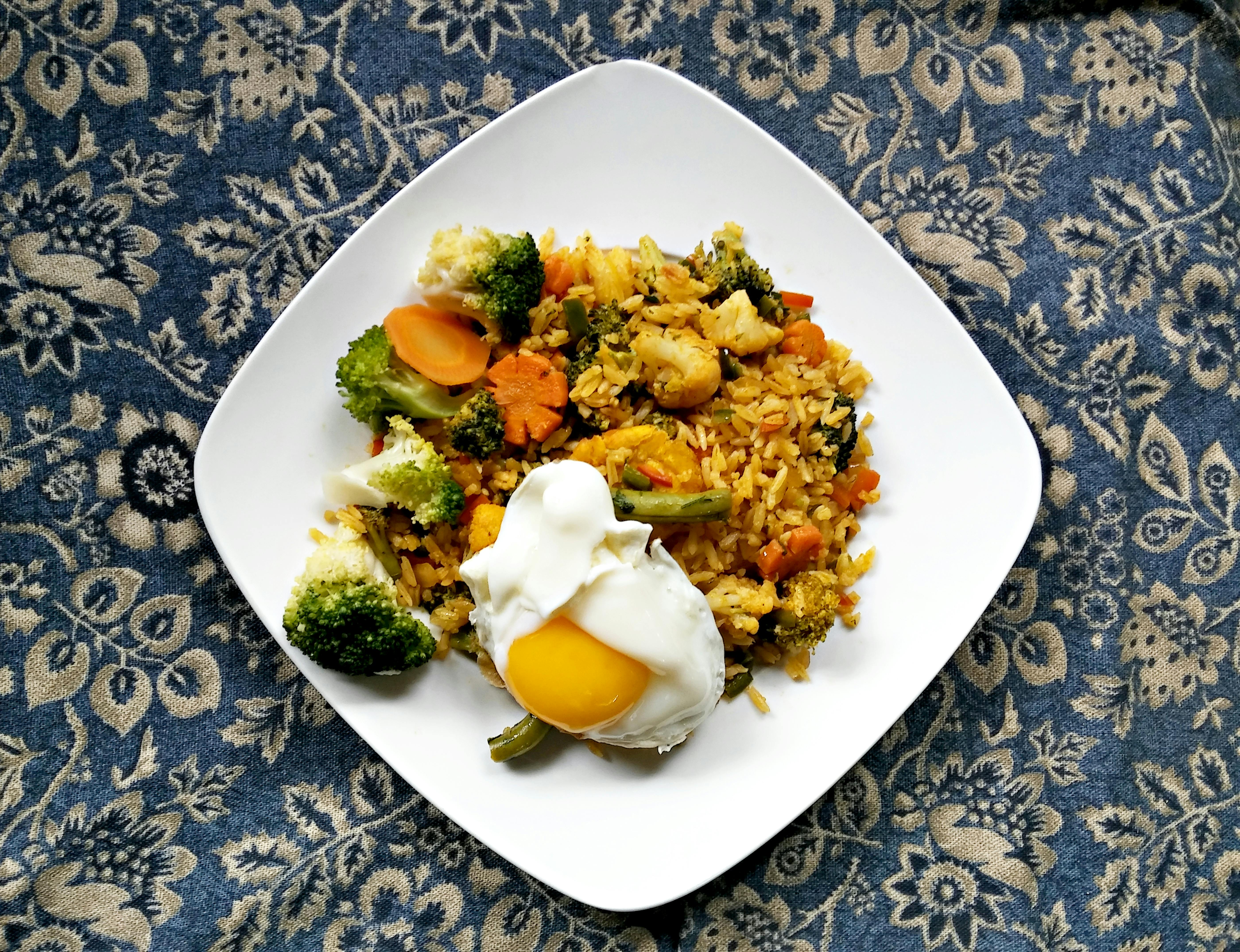
Every food trend has signature dishes, and this one is no different. Eggs and rice may be the purest expression of the pantry meal. It is fast, inexpensive, and infinitely adaptable. A fried egg with crisp edges over hot rice can feel complete on its own, while scrambled eggs with onion or an omelette stretched with leftover vegetables can feed more than one person. Across Asia and beyond, versions of this meal have long demonstrated that simplicity and satisfaction are not opposites.
Garlic pasta belongs in the same category. Boiled pasta tossed with oil or butter, garlic, salt, pepper, and perhaps cheese remains one of the most reliable dinners in home cooking. It is popular because it rewards minimalism. There is nowhere to hide, so small details matter: properly salting the water, gently cooking the garlic, using pasta water to bring the sauce together. A sparse ingredient list can still produce a dish with aroma, body, and depth.
Canned tuna and sardines have also gained fresh appreciation. For years they were treated as backup food, but many home cooks now recognize them as anchors of genuinely good meals. Tuna mixed with citrus, onion, and a little mayonnaise or olive oil can become a sandwich filling, rice topping, or pasta sauce. Sardines sautéed with garlic and onion, then spooned over rice, are inexpensive, savory, and deeply comforting. In many countries, these have always been normal dinners rather than emergency options.
Fried rice, banana bread, soup from scraps, and potato dishes round out the list because they solve distinct household problems. Fried rice uses leftovers. Banana bread rescues fruit on the edge. Soup converts odds and ends into warmth. Potatoes stretch meals cheaply and reliably. These dishes are not random favorites. Each one represents a form of domestic efficiency that people increasingly value.
What unites them is not trendiness, but usefulness. They show that the best "recipe" is often a pattern: starch plus protein, fat plus aromatics, leftovers plus heat, scraps plus time. Once that pattern is understood, home cooking becomes less intimidating and far more sustainable.
Waste reduction, thrift, and the pleasure of resourcefulness

One reason these recipes feel especially relevant now is that they align with broader concerns about waste. Food waste has become both a household budget issue and an environmental issue. Organizations such as the United Nations Food and Agriculture Organization have repeatedly highlighted how much edible food is lost or discarded globally. At home, the losses often come from small things: aging produce, stale bread, cooked rice forgotten in the refrigerator, bananas that ripen too quickly. Pantry-first recipes directly interrupt that cycle.
Banana bread is a perfect example because it turns a likely discard into something desirable. Overripe bananas are sweeter, softer, and easier to mash, which makes them better for baking than firm yellow ones. What looks like kitchen failure is actually ideal raw material. The same principle applies to soup. Onion skins may not go in the pot, but onion ends, carrot peels, celery tops, herb stems, and leftover bones can all contribute flavor when simmered properly. The result is not just thrift. It is culinary intelligence.
Potatoes also illustrate how economical cooking works. A bag of potatoes can become breakfast hash, crispy pan-fried cubes, mash, soup thickener, or a side that stretches smaller portions of meat or fish. Economists who study household spending often note that versatile staple foods help families stabilize costs because they adapt to different meals instead of forcing one specific use. That versatility is one of the quiet engines of smart home cooking.
There is also a satisfaction in resourcefulness that goes beyond saving money. People enjoy the feeling of making something good out of what looked insufficient. That pleasure has become part of the appeal. Instead of seeing constraint as deprivation, many cooks now see it as a creative framework. The challenge of using what is already in the house can make dinner more engaging, not less.
This does not mean every improvised meal is memorable. Some are plainly functional. But even functional meals have value when they keep a household fed, avoid unnecessary spending, and reduce waste. In a culture long shaped by overbuying and excess choice, resourcefulness now feels like a modern competence.
How this style of cooking is changing everyday food culture

The rise of ingredient-on-hand cooking reflects a broader shift in how people think about food at home. For years, recipe culture often emphasized acquisition: buy the missing spice, the specific herb, the exact cut, the branded sauce. That approach still has its place, especially for special meals. But daily cooking is moving in a different direction. More people want adaptable frameworks rather than rigid formulas, and that preference is changing what counts as a useful recipe.
This shift is visible in cookbooks, media, and digital food content. Many newer recipe formats offer substitutions first, not as an afterthought. They explain what can be swapped, omitted, or stretched. That is a meaningful change in tone. It treats the cook as someone managing real constraints, not as someone shopping for a test kitchen. The most trusted food writers now often teach strategy alongside instructions: keep eggs on hand, save leftover rice, build meals around aromatics, stock a few canned proteins, freeze scraps for broth.
The appeal also crosses generations. Older cooks may recognize it as common sense they learned long ago, while younger adults often discover it as a form of independence. Knowing how to turn pantry staples into a meal is a life skill, not merely a recipe category. It helps new cooks spend less, waste less, and feel less intimidated by the kitchen. In that respect, the trend is educational as much as practical.
There is a deeper cultural message here as well. Food does not always need to perform. Not every meal has to be photogenic, optimized, or impressive. Some meals simply need to be warm, nourishing, and possible. Recipes that use what is already in the house honor that reality. They respect limited time, shifting budgets, and the emotional texture of ordinary life.
That is why their appeal feels durable rather than temporary. They meet immediate needs, but they also restore a calmer relationship with cooking. If dinner can begin with eggs, rice, pasta, potatoes, canned goods, or soft bananas, then the kitchen feels less like a problem to solve and more like a place of quiet capability.



