
Mukbang, a video format built around watching someone eat and talk to an audience, started in South Korea and now shows up across YouTube, TikTok and livestreaming platforms used every day in Canada. Its rise says as much about loneliness, entertainment and food culture as it does about internet trends.
The South Korean format that started it

Mukbang began in South Korea in the late 2000s on livestreaming platforms such as AfreecaTV, where hosts ate meals while chatting with viewers in real time. The name blends Korean words tied to eating and broadcasting, and the appeal was simple from the start: a meal could also be a performance, a conversation and a form of companionship.
That original setup matters because it explains why mukbang spread so easily. It was never only about huge portions. It was also about presence, routine and the feeling of sharing a table through a screen, an idea that translated well as Canadian audiences spent more time on YouTube, TikTok and Twitch.
Why viewers keep pressing play
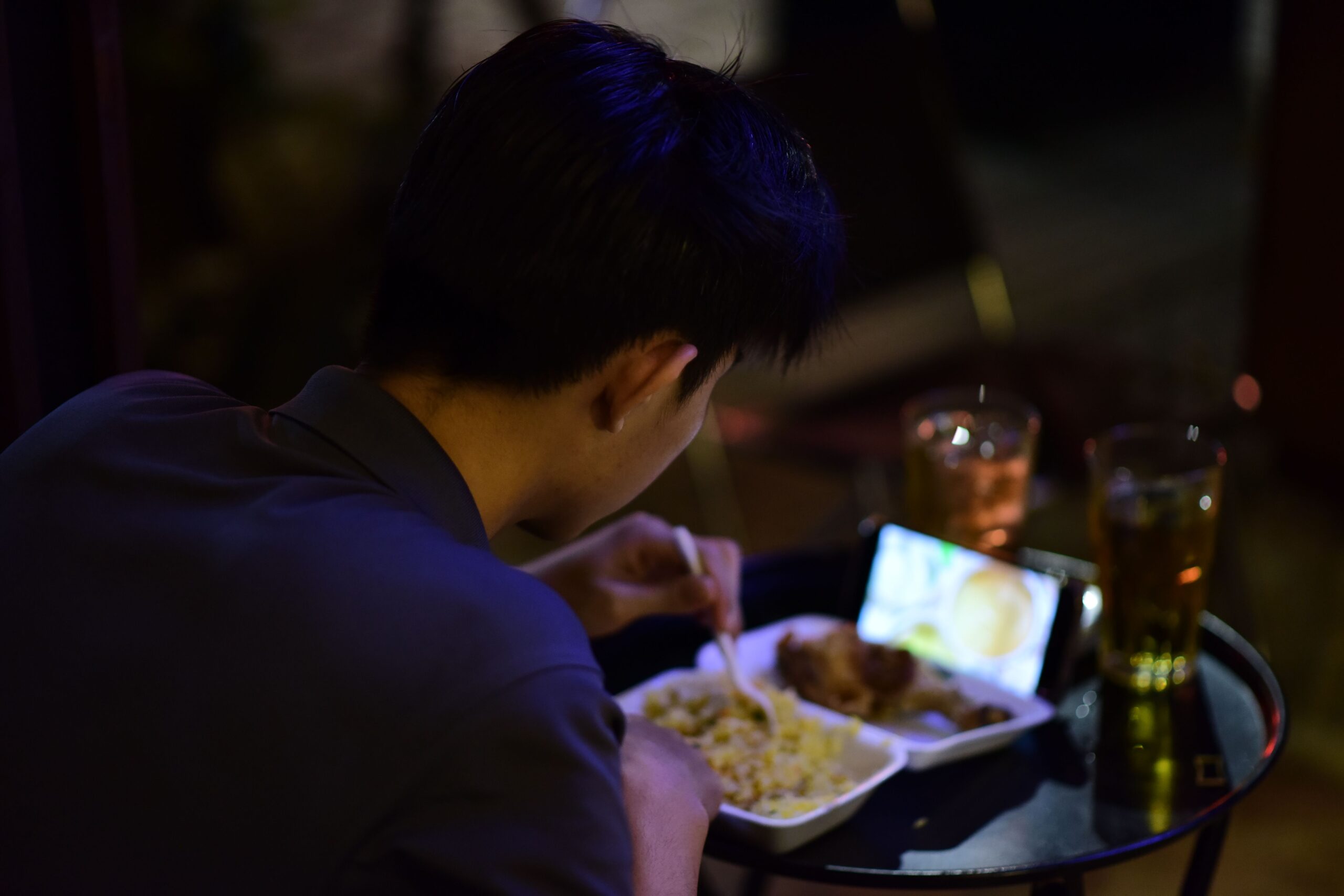
One reason mukbang travels so well is that it offers different rewards to different viewers. Some people treat it like background company during dinner. Others come for food curiosity, especially when a creator is trying a new fast food launch, a hard-to-find snack or a meal tied to a specific culture.
Researchers have also noted social and sensory appeal. For some viewers, the draw is conversation and parasocial connection, the one-sided bond audiences can feel with familiar creators. For others, it is sound, from crunch to slurp, which overlaps with ASMR content designed to create a calming sensory response.
The Canadian food angle

In Canada, mukbang fits neatly into an already active online food scene. Canadian creators often fold local references into the format, featuring poutine, milk tea, fried chicken, shawarma, seafood boils and major chain launches that viewers recognize from Toronto, Vancouver, Montreal and beyond.
That local mix helps explain the format's staying power. A mukbang can double as a casual food review, a cultural conversation or a snapshot of how Canadians actually eat in cities shaped by immigration and delivery apps. The result feels less like a stunt and more like a digital version of eating out with a talkative friend.
TikTok turned it into a daily habit

Short video helped move mukbang from niche viewing to everyday scrolling. TikTok's recommendation system made it easy for quick eating clips, noodle pulls, crunchy bites and side-by-side taste tests to reach people who had never searched for the format at all.
That shift changed the rhythm of mukbang. Earlier videos often ran long and leaned on livestream chat, but newer clips can deliver the same appeal in under a minute. For Canadian viewers, that means mukbang now lives between recipe videos, grocery hauls and restaurant reviews, turning food watching into a regular part of the feed.
Brands and restaurants saw the opportunity
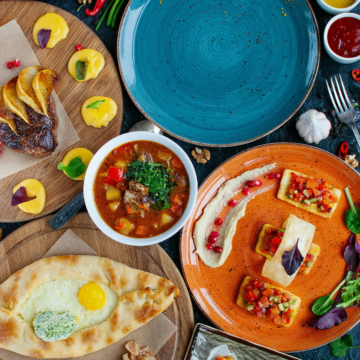
Food brands quickly recognized that mukbang creates clear, visual product moments. Fried chicken, burgers, instant noodles, desserts and limited-time menu items all read well on camera because viewers can see texture, portion size and reactions immediately.
In Canada, that has helped blur the line between entertainment and marketing. A creator can frame a video as a taste test while also boosting a restaurant's reach, especially when the meal is highly shareable or oversized. The format works best for foods with drama on camera, which is why saucy, cheesy, stacked and crunchy dishes appear so often.
The health debate around the trend

Mukbang's popularity also brings criticism, especially when videos center on extreme portions or present overeating as routine entertainment. Health experts and eating disorder specialists have raised concerns that some content can normalize binge-style behavior or distort ideas about hunger, fullness and everyday eating.
At the same time, not every mukbang follows the same script. Some creators focus on moderate portions, storytelling or cultural dishes rather than sheer volume. That split is likely why the trend keeps evolving in Canada: it can be funny, social and visually satisfying, but audiences and platforms are still figuring out where entertainment ends and responsibility begins.



Leave a Reply