
Steel laid the tracks, but food kept the project moving. In Canada's railway towns, every loaf, stew pot, and lunch pail helped turn remote outposts into permanent communities.
Food as the First Infrastructure

Before many railway towns had proper streets, schools, or churches, they had kitchens. Food service was one of the earliest organized systems in camps and settlements linked to the Canadian Pacific Railway and later lines stretching across the Prairies, the Shield, and the mountains. In practical terms, a camp that could not feed its workers consistently could not hold labor, and a town that could not provision families could not grow. Meals were as essential as rails, spikes, and telegraph wires.
Railway construction demanded huge caloric intake. Navvies, loggers, graders, blacksmiths, and section crews often worked in brutal weather and burned through energy at extraordinary rates. Historical accounts of frontier labor camps routinely describe breakfasts of porridge, bread, salt pork, beans, and tea, followed by packed lunches and heavy suppers built around meat, potatoes, and more bread. These were not indulgent meals. They were fuel, designed to be cheap, filling, and repeatable under difficult conditions.
Because supply chains were uneven, food also shaped where settlements stabilized. A siding with a reliable cookhouse, storage shed, and access to flour, cured meat, and fresh water had a better chance of becoming a durable community. According to Parks Canada and regional museum records, early rail points often grew around depots, warehouses, boarding houses, and eating rooms before they developed broader commercial life. In that sense, meals were not a side story to town building. They were part of the town's foundation.
Boardinghouses, Hotels, and the Business of Feeding Workers

If cookhouses fed construction gangs, boardinghouses fed the towns that followed. As tracks reached new districts, entrepreneurs opened rooming houses, railway hotels, bakeries, and dining rooms close to stations and freight depots. These businesses served single male workers, clerks, conductors, merchants, and eventually families arriving to farm, trade, or run services. In many towns, the first profitable enterprise after basic freight handling was a place that sold hot food.
Boardinghouse meals followed a recognizable pattern across much of Canada. Breakfast might include oatmeal, eggs when available, bread with butter or jam, and strong tea. Dinner, often served at midday, leaned toward roast beef, boiled potatoes, turnips, pie, and preserved vegetables, while supper used soups, stews, cold meats, and fresh baking to stretch costs. The menu reflected British and North American habits, but also the economics of freight rates, seasonality, and local agriculture.
Railway hotels elevated that system into public life. Grand stations in places such as Winnipeg and smaller division points alike depended on dining rooms that could move people quickly and reliably. Even modest establishments became social anchors where jobs were discussed, land deals were made, and travelers learned which towns were thriving. Food businesses therefore did more than satisfy hunger. They circulated money, gave women paid work as cooks and servers, and helped define whether a railway town felt temporary or settled.
The Multicultural Kitchens Behind the Tracks

Canada's railway food story was never culturally uniform. The workforce that built and maintained rail lines included Indigenous peoples, French Canadians, Scots, Irish, Ukrainians, Italians, Chinese laborers, and many others, each carrying food knowledge that adapted to local conditions. What ended up on the table in railway districts was often a practical blend of tradition, scarcity, and exchange rather than one fixed cuisine.
Chinese cooks and food workers played a particularly important role in western railway life. Although Chinese laborers faced severe discrimination during and after the construction of the Canadian Pacific Railway, many also worked in cookhouses, laundries, and later cafés that became fixtures in small towns across British Columbia and the Prairies. Their kitchens introduced rice dishes, stir-fried vegetables, noodle preparations, and efficient methods for feeding many people quickly with limited fuel and supplies. In countless communities, the local Chinese café became one of the longest-running businesses on the main street.
Indigenous food knowledge also mattered, even when official histories underplayed it. Fish, game, bannock, berries, and preserved foods helped sustain movement through regions where imported goods were delayed or expensive. Métis and First Nations communities had long understood the seasonal food geography of these territories, and railway expansion depended in part on that knowledge, whether through trade, labor, guiding, or direct provisioning. Railway towns were therefore fed by many culinary systems at once, even if only some were formally recognized.
What Workers Ate, and Why It Mattered
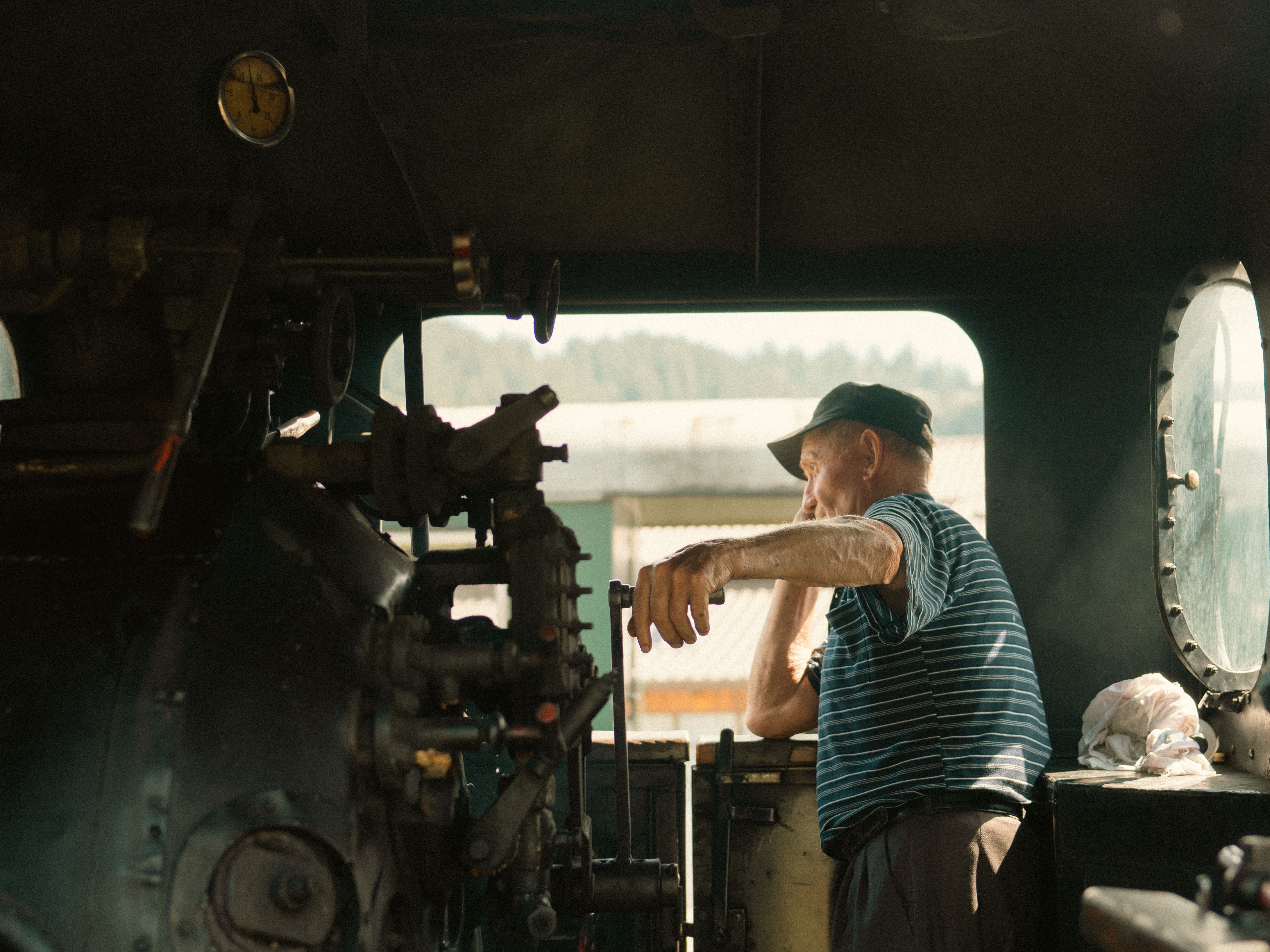
The daily menu in railway country reflected hard labor, long winters, and uncertain delivery schedules. Flour, oats, beans, salt pork, tea, molasses, and potatoes appeared again and again because they stored well and could be shipped cheaply. Fresh produce and milk were more available once local farms developed, but in many early periods, preserved and durable foods dominated. The result was a cuisine of necessity that still carried clear regional signatures.
Nutrition mattered even when people did not use that word in modern ways. Contractors knew that underfed men were less productive, more likely to leave, and more vulnerable to illness. That is one reason camp cooks were so important and why their failures were remembered vividly in memoirs and newspapers. A respected cook could keep morale up during isolation, while bad bread, weak tea, or spoiled meat could trigger complaints, desertion, or conflict.
Meals also organized time. Breakfast set the workday in motion before dawn, dinner marked a pause in the middle of physical labor, and supper provided both calories and social release at day's end. In boardinghouses and camps, the table was where information traveled, grievances surfaced, and newcomers found a place in the group. Food did not just sustain bodies. It created rhythm, discipline, and a sense of belonging in rough places built around the rail line.
From Supply Trains to Local Farms and Main Street Bakeries

As railway towns matured, their food systems became less dependent on distant shipments and more rooted in local production. The railway itself made this possible by bringing seed, tools, livestock, and settlers into new districts while also giving farmers a way to move grain, butter, eggs, and meat to market. Towns that began by eating freighted flour and cured pork gradually added cream, garden vegetables, local beef, and fresh bread from neighborhood bakeries.
This shift had economic consequences. A town with a creamery, butcher, flour mill, or grain elevator could circulate wealth internally instead of sending every food dollar outward. Women's labor was central here, both inside households and in commercial kitchens, bakeries, boardinghouses, and market gardens. Community cookbooks and local histories from Prairie and northern towns show how domestic skill and small-scale enterprise worked together to stabilize places that had begun as service points for trains.
Main streets reflected this change. Where there had once been a rough eating shack, there might later be a hotel dining room, a Chinese café, a Ukrainian bakery, or a grocer selling local preserves and imported oranges. The menu became a map of settlement itself. You could read a town's age, wealth, and diversity through what was available at breakfast or wrapped for the noon train.
The Lasting Legacy on Canadian Food Culture
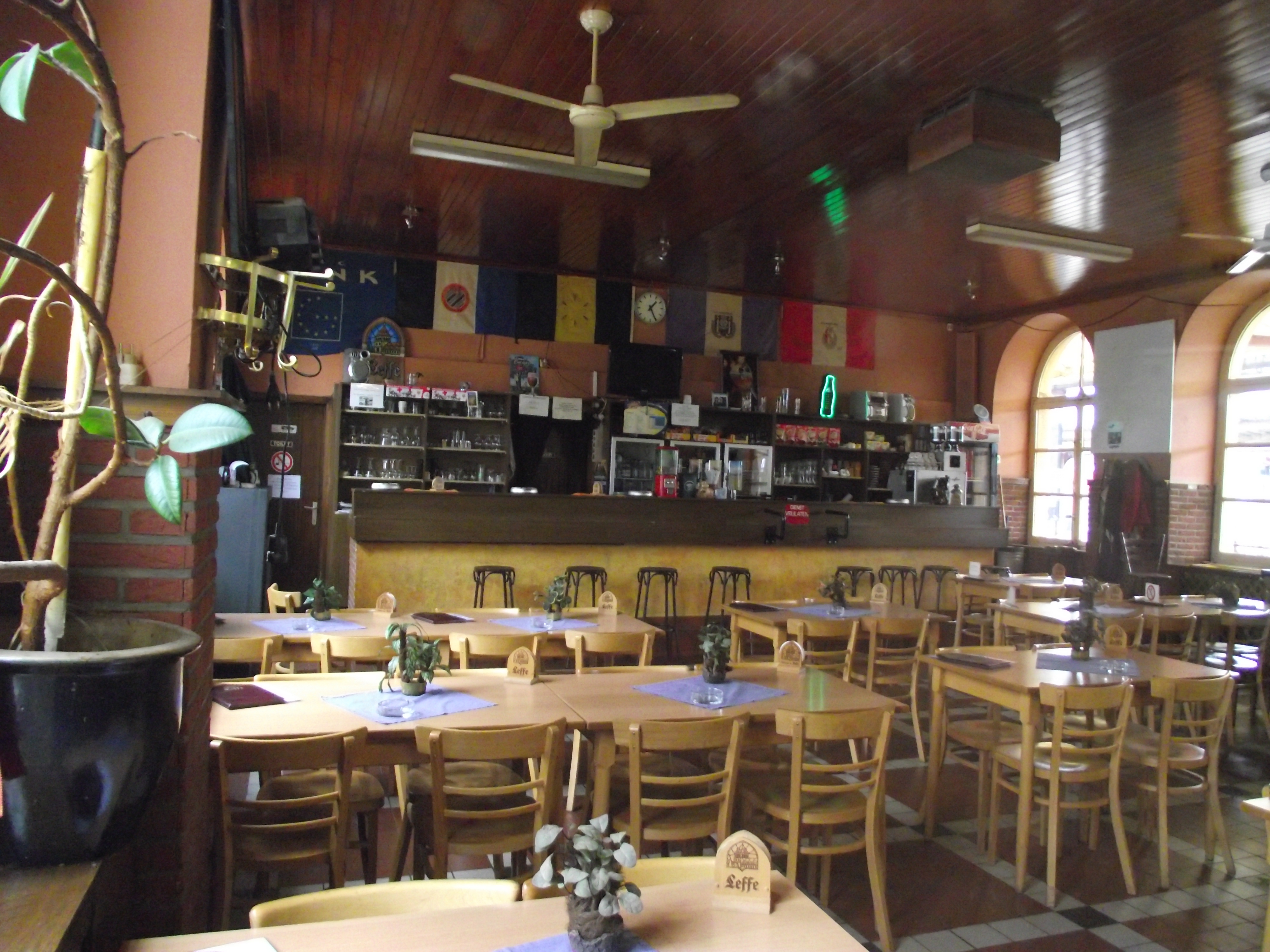
Many of the foods associated with railway towns outlived the towns' most intense growth period. Meat-and-potatoes boardinghouse fare, prairie pies, camp bread, railway hotel dining, and the all-day small-town café became part of a broader Canadian food memory. So did the habit of blending traditions, whether in Chinese-Western café menus, Métis bannock practices, or immigrant baking adapted to local grains and climate. These were not isolated curiosities. They helped define everyday eating in much of the country.
Some of that legacy survives in restored station restaurants, museum exhibits, community festivals, and family recipe boxes passed down across generations. Historians increasingly point out that railway heritage should not be told only through engineering feats or national politics. It should also be read through kitchens, supply ledgers, hotel menus, and oral histories about who cooked, who ate, and who was excluded. Food offers a more intimate and honest archive of settlement.
To understand the meals that built Canada's railway towns is to understand nation-building at ground level. It means seeing progress not as an abstract line on a map, but as porridge before sunrise, stew after a twelve-hour shift, and bread shared in a place still becoming a town. The railway changed Canada, but it was daily food that made that change livable.




Leave a Reply