
Asian food is central to modern dining on both sides of the border. But the way it grew in America and Canada tells two very different stories.
Immigration history shaped two distinct food landscapes
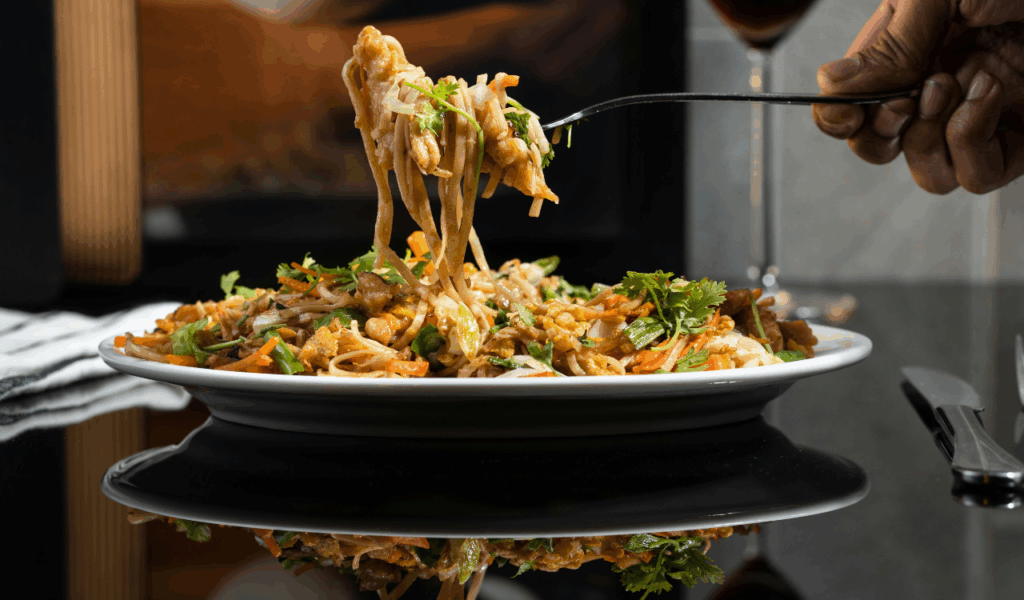
The biggest difference starts with timing. In the United States, Chinese immigration accelerated during the 19th century, especially during the Gold Rush and railroad era. That early presence helped create some of North America's first recognizable Asian restaurant districts, but it also unfolded under harsh exclusion laws that pushed communities into narrow economic roles, including laundries and restaurants.
Canada's Asian food story also has deep roots, especially with Chinese migration to British Columbia in the 19th century. Yet the modern Canadian Asian dining landscape was shaped much more heavily by post-1960s immigration reforms. As Canada opened its immigration system to larger numbers of skilled and family-class newcomers from Hong Kong, mainland China, India, the Philippines, Vietnam, Korea, and later Taiwan, its urban food culture changed quickly and visibly.
That timing matters because many Canadian cities absorbed major Asian migration during the era of mass suburban development. In America, many early Asian food traditions first clustered in central city Chinatowns, Little Tokyos, and ethnic enclaves before spreading outward. In Canada, especially around Vancouver and Toronto, Asian food often grew simultaneously in downtown cores and car-oriented suburbs.
The result is a contrast in culinary memory. In the United States, some Asian cuisines entered the mainstream first through adapted dishes such as chop suey, egg foo young, and later mall-style teriyaki or takeout sushi. In Canada, later migration waves arrived with stronger transnational ties, creating food scenes that often moved more quickly toward region-specific Chinese, Punjabi, Korean, Persian, Vietnamese, Filipino, and Japanese offerings.
Regional food hubs reveal different national patterns
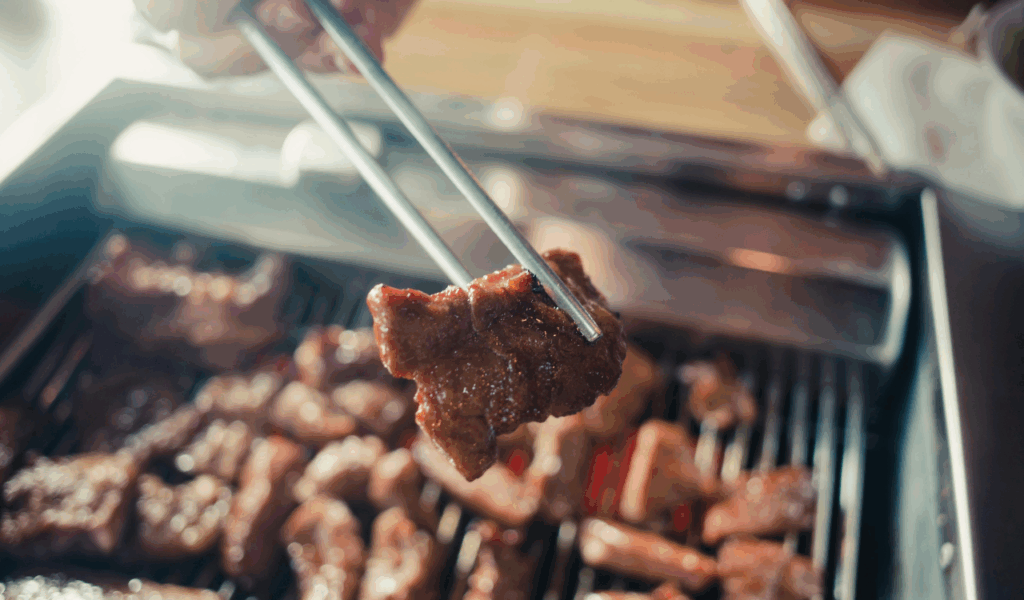
America's Asian food map is broader and more uneven because of its size. Los Angeles, the San Gabriel Valley, New York City, the Bay Area, Honolulu, Houston, Seattle, and Northern Virginia each anchor major communities with distinct culinary signatures. The country offers extraordinary regional strength, but the quality and diversity can vary sharply between top-tier metro areas and smaller cities.
Canada is smaller, but its Asian food scene is unusually concentrated and powerful in a handful of metropolitan regions. Greater Vancouver and Greater Toronto dominate the national conversation, with Richmond, Burnaby, Markham, Scarborough, Surrey, and Mississauga playing outsized roles. These suburban municipalities are not side notes. In many cases, they are the real engines of innovation, foot traffic, and culinary depth.
Vancouver is often seen as one of the strongest Asian dining cities outside Asia, especially for Chinese, Japanese, and Korean food. Richmond, in particular, became famous for Cantonese seafood palaces, Hong Kong-style cafes, hand-pulled noodles, late-night Taiwanese snacks, and destination-worthy dumpling houses. Toronto, by contrast, offers remarkable breadth, from Hakka cuisine and Sri Lankan Tamil food to Korean barbecue, Xinjiang skewers, Gujarati thalis, and Filipino bakeries.
The American pattern is more polycentric and more tied to state-level demographics. California alone contains multiple worlds of Asian food, each shaped by different migrant histories. Canada, meanwhile, tends to feel more concentrated, with a smaller number of metro areas delivering a very high level of density, consistency, and cross-cultural overlap.
Restaurant culture and everyday dining work differently
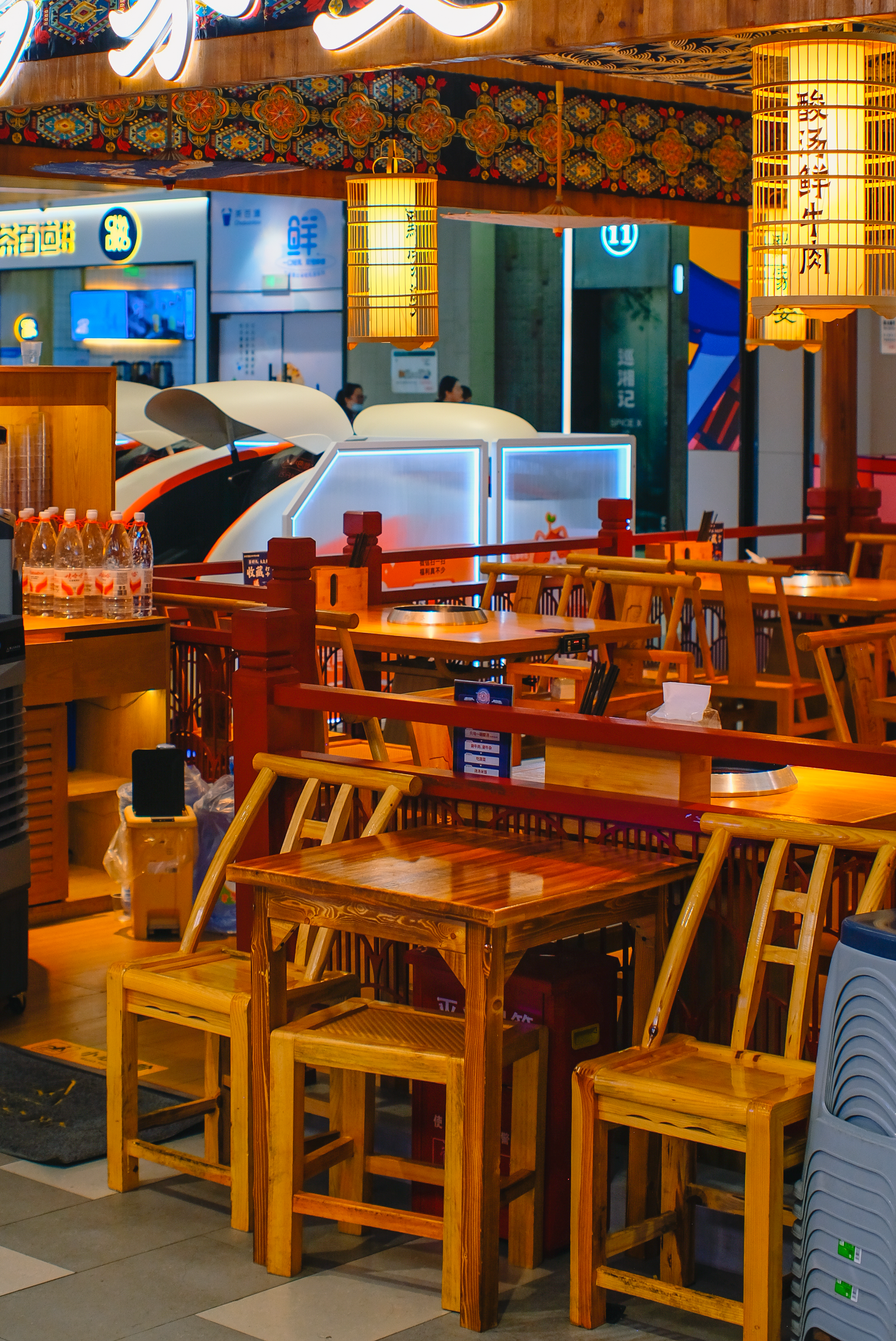
In the United States, Asian food has long occupied every layer of the market, from neighborhood takeout counters to luxury tasting menus. That broad spread helped normalize Chinese, Japanese, Thai, Vietnamese, and Indian food for mainstream diners, but it also created a long history of simplified menus designed to fit American expectations. Convenience and speed became part of the business model early on.
Canada developed that same convenience culture, but in many cities the center of gravity feels more community-driven and family-oriented. Large banquet halls, strip-mall gems, food court specialists, bakery-cafe hybrids, and late-night dessert shops are especially important in Canadian Asian dining. In suburban Vancouver and Toronto, the most respected restaurant might sit in a plaza beside a supermarket, pharmacy, or bubble tea chain.
This changes how diners discover food. In America, prestige often accumulates around famous urban neighborhoods, chef reputations, and media recognition. In Canada, a great deal of culinary authority comes from community consensus, repeat local business, and multilingual customer bases that know exactly what regional style they want.
There is also a difference in social use. Canadian Asian restaurants often function as everyday gathering spaces for multigenerational families, church groups, students, and new immigrants. In America, that certainly exists too, but the restaurant scene is more stratified between casual takeout, trend-driven hotspots, and destination dining.
Authenticity and adaptation follow different pressures
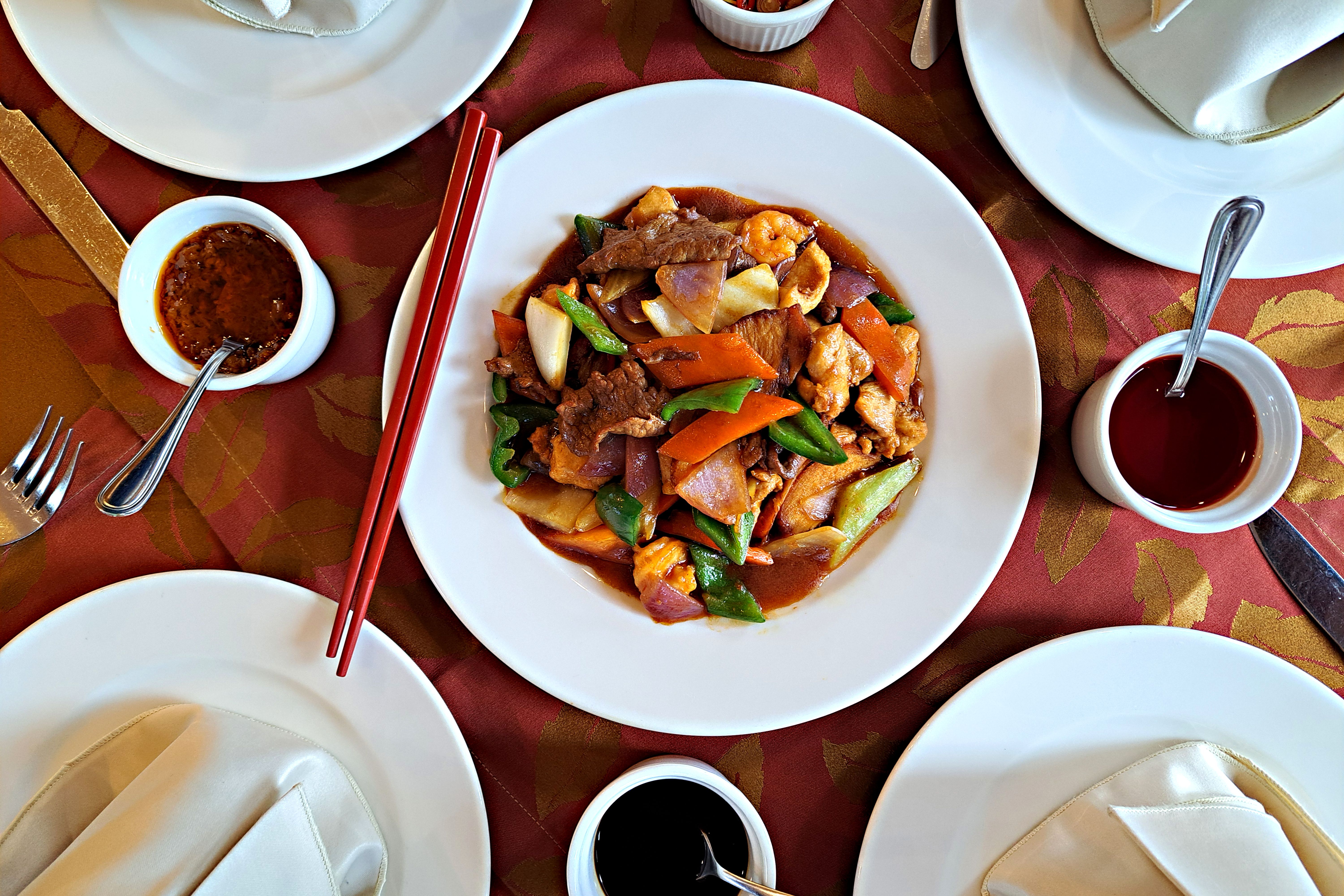
Authenticity is never a fixed idea, but the pressures shaping it differ in each country. In the United States, many Asian cuisines became familiar first through highly adapted forms made for a broad non-Asian market. General Tso's chicken, California rolls, and sweetened pad thai became entry points, then later gave way to stronger interest in regional detail and traditional technique.
Canada also has adapted dishes, but some immigrant-heavy suburbs built customer bases large enough to support highly specific menus earlier and more consistently. A restaurant in Richmond or Markham can often survive by serving a narrow regional audience, whether that means Teochew braises, northern Chinese lamb dishes, or intricate Cantonese live seafood preparations. That density reduces pressure to explain every dish to outsiders.
Another difference is language and menu design. In parts of Canada, dual-language or Chinese-only supplementary menus are common and widely accepted in certain neighborhoods. In America, especially outside elite food cities, restaurants have more often felt pressure to translate, simplify, or curate dishes for mixed audiences.
Even so, adaptation remains a strength, not a weakness. Both countries have produced important hybrid styles, including Indo-Chinese food, Japanese-Peruvian influences, Korean tacos, and Filipino dessert trends. The key contrast is that Canada's major hubs often support parallel tracks more visibly: one for broad appeal, another for deeply community-specific cooking that does not need to compromise.
Ingredients, retail networks, and dining trends create different possibilities
Access to ingredients can define what restaurants dare to serve. In major American metro areas, Asian supermarkets, seafood suppliers, and specialty distributors are extensive, especially in California, New York, Texas, and Washington. But because the country is so large, access can drop off quickly outside major hubs, making regional authenticity harder to sustain in secondary markets.
Canada's supply chains are smaller in scale, yet often highly efficient within its biggest urban corridors. In Vancouver and Toronto, dense networks of seafood importers, produce wholesalers, tofu makers, noodle factories, and Asian grocery chains help restaurants source with remarkable consistency. Proximity to the Pacific also gives Vancouver unusual strength in seafood-focused Chinese and Japanese dining.
Retail culture matters too. Canadian suburban Asian malls, food courts, and supermarket plazas have become culinary ecosystems where dessert shops, barbecue counters, herbal tea stores, and noodle specialists feed one another's traffic. America has strong Asian retail hubs as well, but Canada's best-known examples often feel more compact and intensely interconnected.
Current trends also diverge slightly. In America, pan-Asian branding, chef-driven fusion, omakase booms, and social-media-friendly concepts have grown rapidly. In Canada, those trends exist, but there is also sustained demand for practical everyday formats such as regional food courts, live seafood banquets, Hong Kong-style cafes, and specialized bakeries serving immigrant communities and adventurous local diners alike.
Asian cuisines have shaped national identity in different ways
In the United States, Asian food is now foundational to the national restaurant economy. Chinese takeout, sushi, ramen, pho, Korean barbecue, and Indian curries are not fringe categories but standard parts of mainstream eating. Yet because America is so large and culturally fragmented, that influence often feels powerful but uneven, with extraordinary depth in some cities and much thinner representation elsewhere.
In Canada, Asian food can feel even more visibly woven into urban daily life, particularly in Vancouver and Toronto. It is not only a restaurant category but a defining feature of local identity. In those cities, bubble tea, dim sum, tandoori dishes, banh mi, Filipino breakfasts, and Korean fried chicken are everyday reference points across communities, not niche experiences.
This has cultural consequences. Canadian food identity is often described through multiculturalism, and Asian cuisines play a direct role in that narrative. American food identity, by contrast, tends to absorb outside influences into a broader national mix, celebrating innovation while sometimes blurring the specific communities that created it.
The clearest conclusion is that both countries have vibrant Asian food scenes, but they express them differently. America offers scale, regional range, and enormous innovation across many metros. Canada offers concentration, suburban depth, and a striking level of everyday integration, making Asian food not just popular cuisine, but a central language of city life.


Leave a Reply