
A loaf of bread can look harmless. But one dough improver still sparks very different safety decisions on opposite sides of the Atlantic.
Why potassium bromate draws so much attention
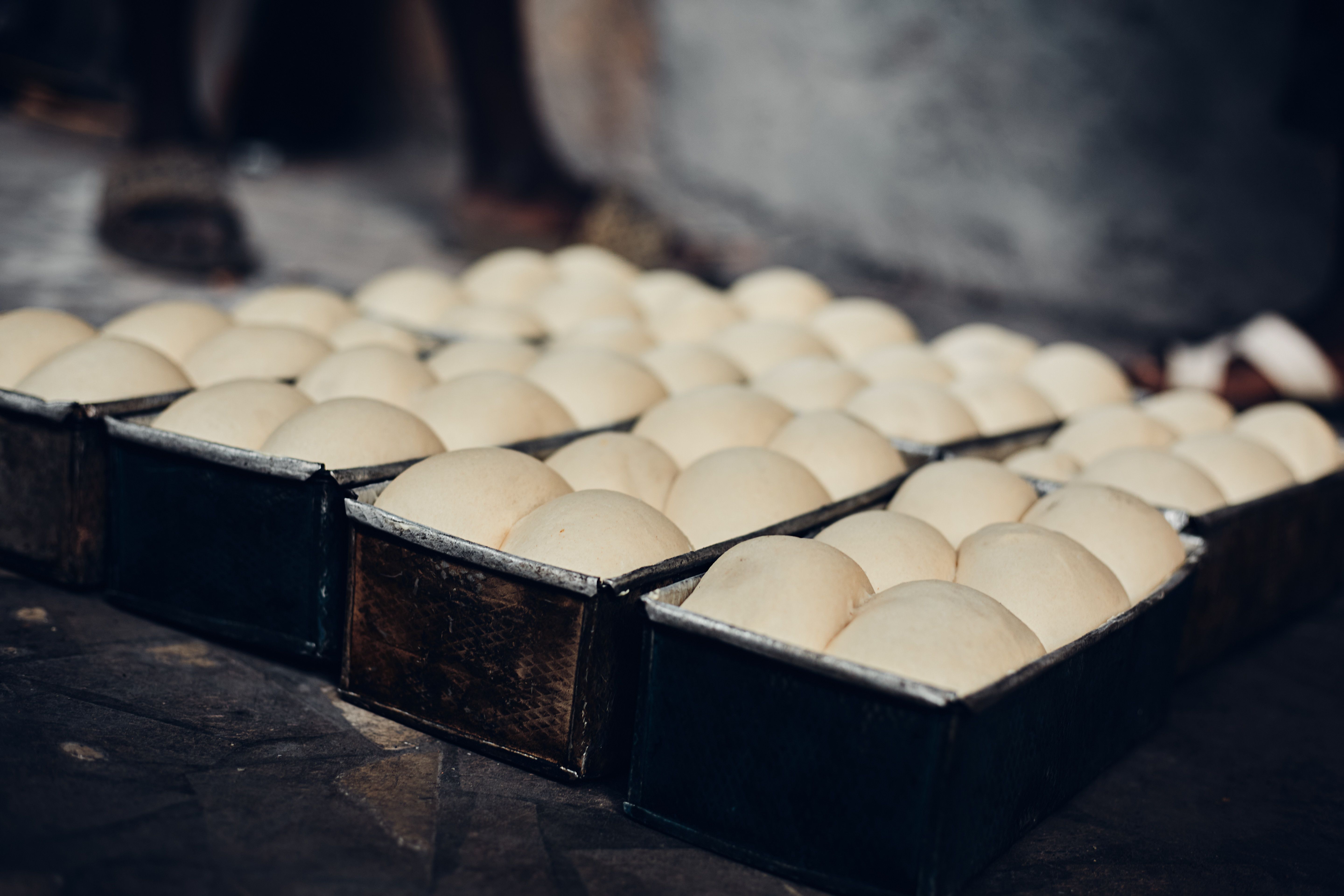
Potassium bromate is a flour treatment and dough conditioner used mainly in commercial baking. It helps bread rise higher, strengthens dough, and can create a more uniform texture, which is why large-scale bakeries have valued it for decades.
What makes it controversial is not its performance in the mixer, but what happens in the oven and in the body. When used properly, bakers say bromate should be converted during baking into bromide, a different compound. The concern is that incomplete conversion can leave residues in finished products.
Health agencies have debated that risk for years. The International Agency for Research on Cancer has classified potassium bromate as possibly carcinogenic to humans based on animal evidence. That classification has kept the ingredient under scrutiny even in places where limited use is still allowed.
Why Europe banned it while Canada still permits it

The European Union took a precautionary approach and banned potassium bromate from food years ago. European regulators judged that the potential cancer risk, combined with the availability of safer alternatives, made continued use unnecessary.
Canada has taken a narrower route. According to Health Canada's food additive rules, potassium bromate is not broadly permitted in flour, but it has remained allowed in certain specific food uses, particularly some bakery-related applications, depending on product type and manufacturing conditions. That means it is far less common than it once was, but not entirely gone.
This difference reflects two styles of regulation. Europe often removes additives when uncertainty remains and substitutes exist. Canada, like the United States in some cases, tends to allow restricted use when regulators believe exposure can be controlled within defined limits.
Where Canadians are most likely to encounter it
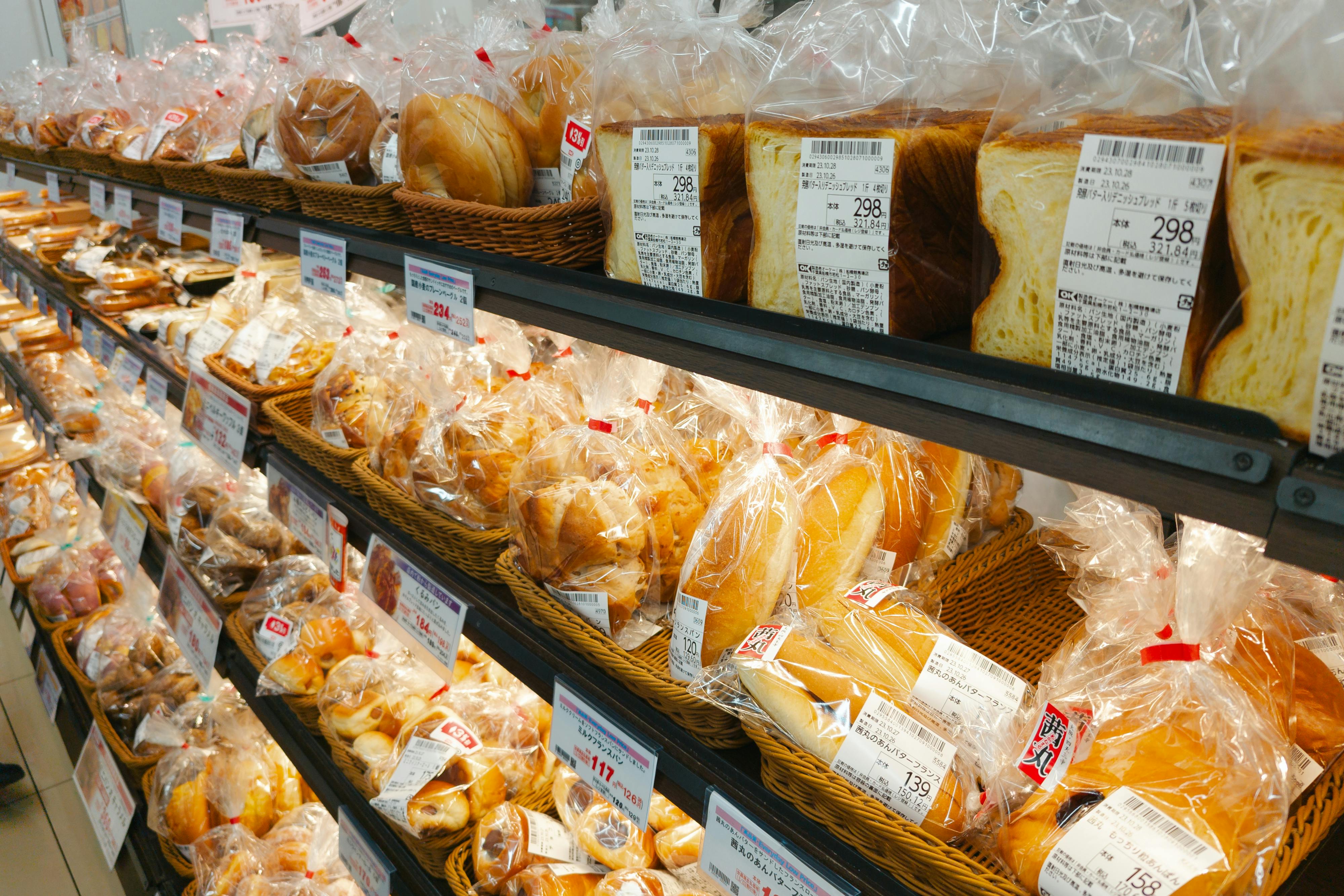
Most shoppers will not see potassium bromate in every bread aisle, and many major brands have moved away from it. Public pressure, retailer policies, and reformulation trends have pushed many commercial bakers to replace bromate with alternatives such as ascorbic acid or enzyme-based improvers.
Still, the ingredient can show up in some packaged baked goods, bread mixes, or products made with bromated flour imported through complex supply chains. Ingredient labels may list it plainly as potassium bromate, though some consumers miss it because they are not expecting to scan bread labels for chemical additives.
Smaller-scale exposure can still matter in public health debates. Critics argue that when a substance linked to cancer in animal studies has a functional replacement, any continuing presence in food deserves closer attention rather than quiet acceptance.
What the science actually says about the risk

The central scientific issue is hazard versus exposure. Potassium bromate has shown carcinogenic effects in laboratory animals, especially involving the kidneys and thyroid, which is why researchers and regulators have treated it cautiously.
At the same time, risk depends on how much residue remains in the finished food. Industry groups have long argued that proper baking eliminates meaningful bromate residues. But independent experts note that baking conditions vary, recipes vary, and perfect conversion cannot always be assumed across all products and facilities.
That uncertainty explains the policy split. Some regulators say controlled use is manageable. Others say a chemical with this safety profile should not be in the food supply at all when effective substitutes already exist and are widely available to modern bakeries.
How to read labels and reduce your exposure

The simplest step is to read ingredient panels on packaged bread, buns, and baking mixes. If potassium bromate appears on the label, shoppers who want to avoid it can choose another brand, since many manufacturers now market bromate-free products as a selling point.
Asking questions at in-store bakeries also helps. Fresh bread counters do not always display full ingredient details as clearly as packaged products, so consumers may need to ask whether dough conditioners or bromated flour are used in production.
People who bake at home have even more control. Choosing unbromated flour is straightforward in many Canadian supermarkets, and most home recipes work well without bromate because modern flours, longer fermentation, and alternative improvers can deliver strong texture and volume.
Why this debate matters beyond a single additive

Potassium bromate has become a symbol of a bigger issue in food policy. When one developed market bans an ingredient and another still allows it, consumers naturally wonder whether safety standards are based on science, economics, or a different tolerance for uncertainty.
That question has grown louder as shoppers pay closer attention to ultra-processed foods and additive lists. The bromate debate shows that regulatory approval does not always settle public concern, especially when safer replacements already exist and international standards do not align.
For Canadians, the practical takeaway is clear. Potassium bromate is not unavoidable, but awareness matters. The ingredient's continued legality in some food uses means label reading still has value, and pressure from informed consumers often moves the market faster than regulation alone.




Leave a Reply