
Canada's food story is far older and more diverse than most mainstream menus suggest. Indigenous food traditions remain some of the country's most important cultural foundations, yet many still receive only limited recognition.
Wild game traditions rooted in place
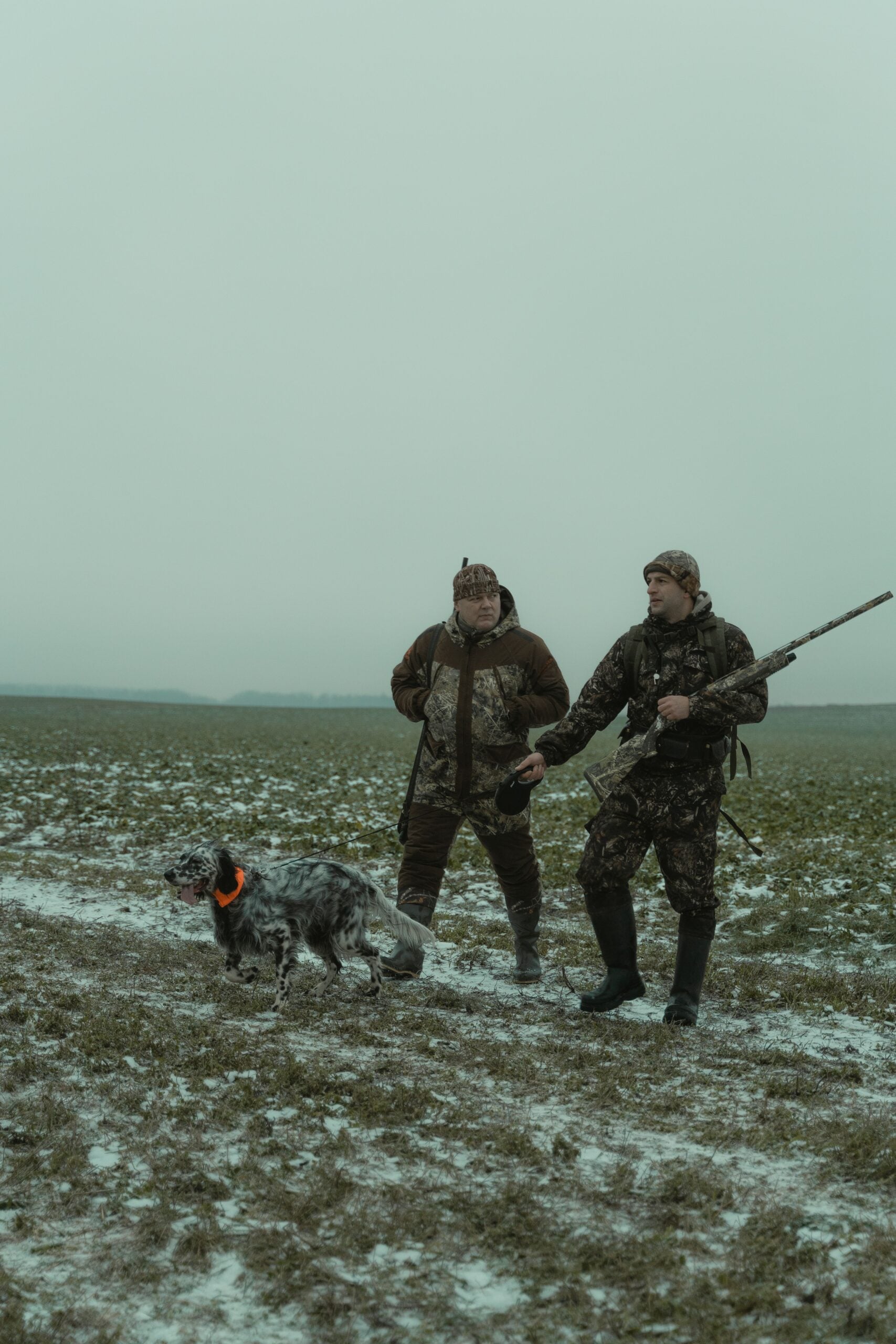
For many First Nations and Inuit communities, hunting is not simply about obtaining meat. It is a land-based practice tied to responsibility, skill, ceremony, and seasonal knowledge passed carefully across generations.
In Nunavut and Inuit Nunangat, caribou and seal have long been central foods, with preparation methods shaped by Arctic conditions. Elders teach where animals travel, how weather affects movement, and how every usable part should be respected and shared.
Across the Prairies, Plains Cree, Blackfoot, and other Nations developed deep expertise around bison. Long before large-scale colonial disruption, bison supported food systems, clothing, tools, shelter, and trade, making hunting a foundation of community life and identity.
On the West Coast, some nations also harvest deer and elk, often combining hunting knowledge with forest stewardship. These traditions show that wild game is never one single Indigenous story, but many regional foodways grounded in distinct homelands.
Fish preservation as science and heritage

Fish has sustained communities across Canada for thousands of years, especially where rivers, lakes, and coasts shape daily life. Indigenous fishing traditions are highly specialized, reflecting local species, waters, and preservation needs.
Among Pacific Coast nations such as the Nuu-chah-nulth, Heiltsuk, and Stó:lō, salmon is central both nutritionally and culturally. Smoking, drying, and wind-curing fish allowed families to store food for winter while preserving flavor and maintaining trade networks.
In northern and subarctic regions, whitefish, Arctic char, trout, and salmon are commonly dried or frozen using methods adapted to climate. In parts of the Yukon and Northwest Territories, fish camps remain important places where practical skills and stories are taught together.
These preservation methods are often remarkably precise, involving timing, air flow, cutting technique, and fire management. What may appear simple from the outside is actually a refined food science built through observation over many generations.
Berries and wild plants gathered with care
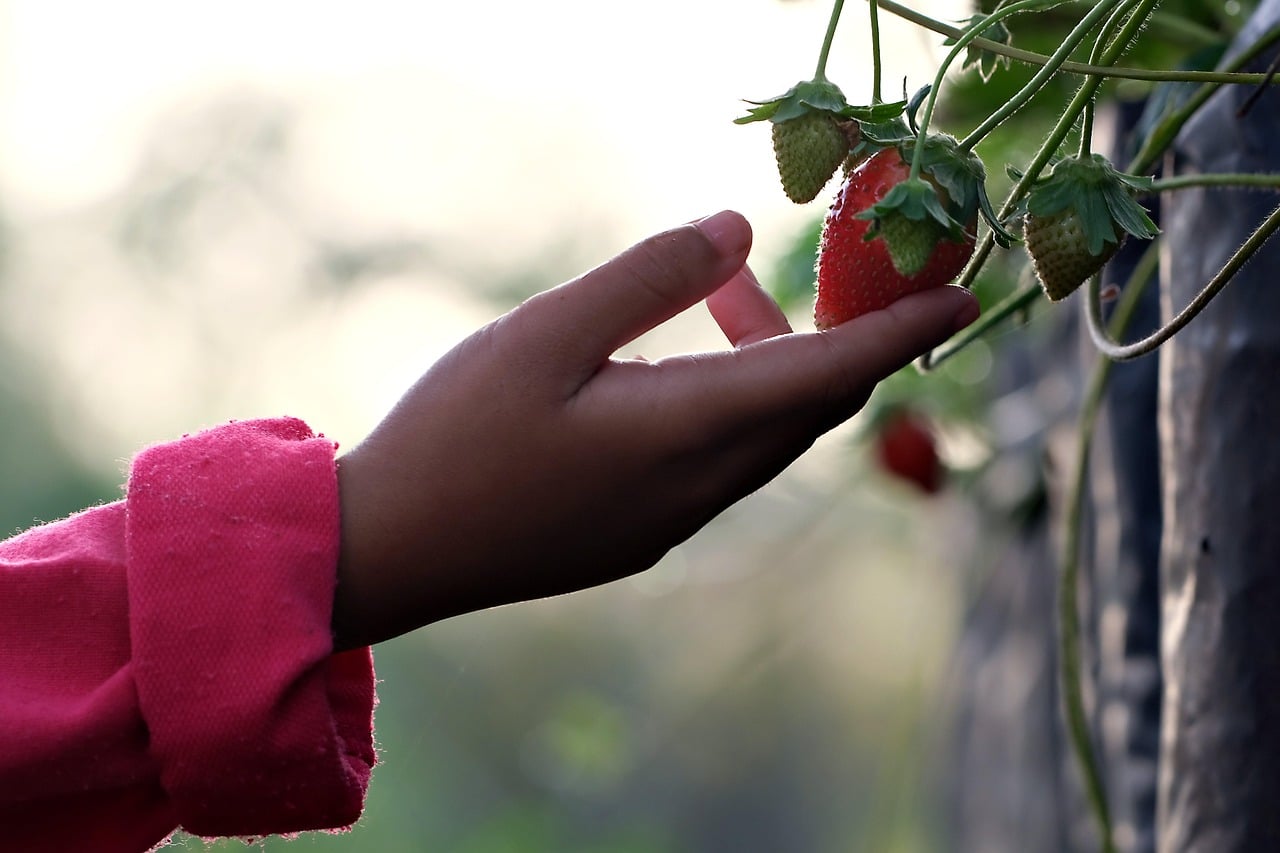
Some of the most overlooked Indigenous food traditions begin low to the ground, in muskeg, forest clearings, shorelines, and tundra. Berry picking and plant gathering are vital seasonal practices that connect families to place in intimate ways.
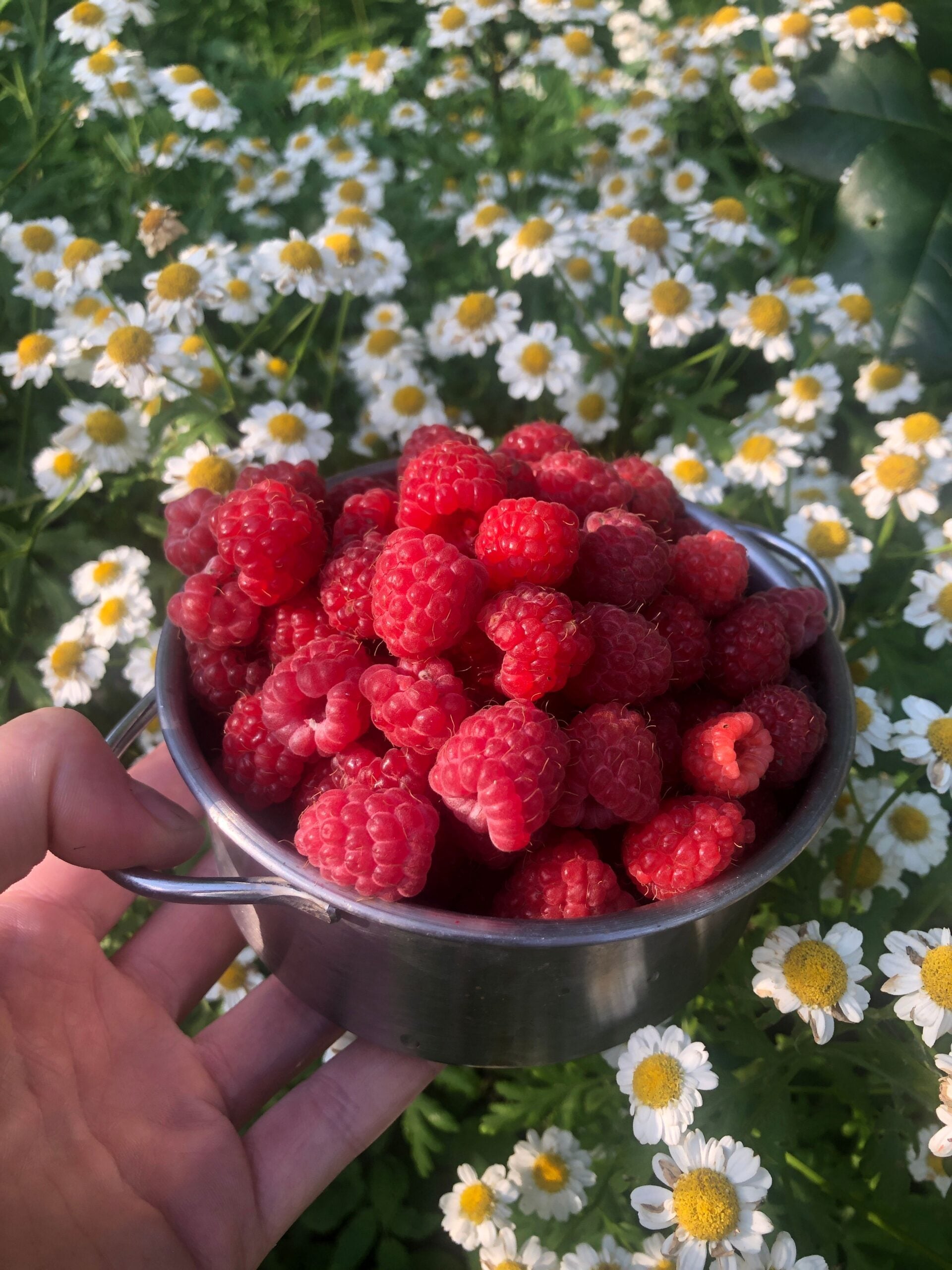
In many parts of northern Ontario and Quebec, blueberries, cranberries, and raspberries are gathered for fresh eating, drying, or preserving. Labrador tea, spruce tips, and medicinal plants may also be collected, often with protocols about timing, respect, and sustainable harvesting.
On the Prairies and in the boreal forest, saskatoon berries have long held importance for many First Nations and Métis communities. They are eaten fresh, dried for storage, or combined with meat and fat in pemmican, one of the most practical travel foods ever developed.
Along the Atlantic coast and in Interior forests, local plant knowledge differs widely from nation to nation. That diversity matters, because Indigenous gathering traditions are based on exact ecosystems, not broad national labels.
Traditional crops and Indigenous agriculture
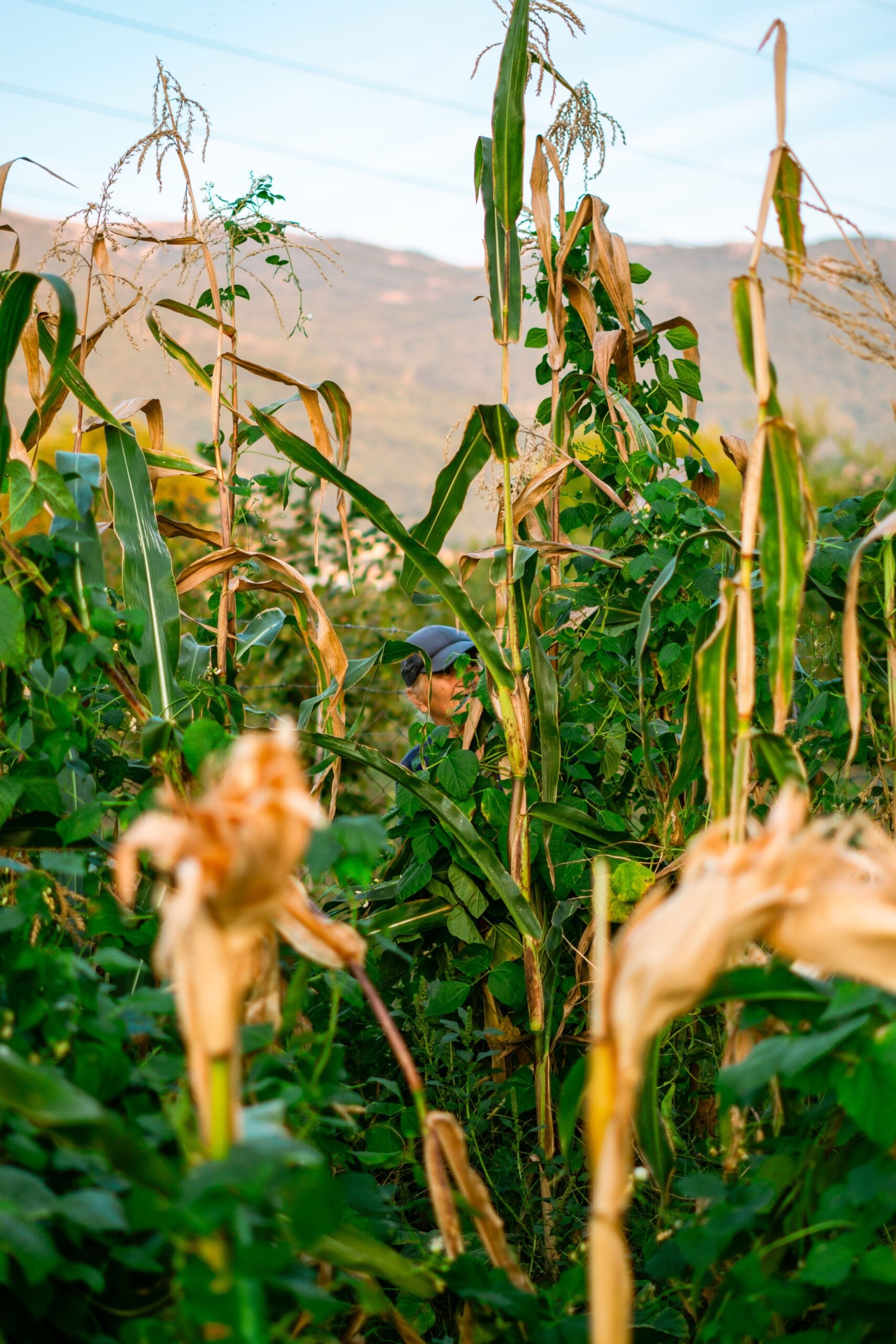
Not all Indigenous food traditions in Canada are based on hunting and gathering. Many communities also developed sophisticated agricultural systems and cultivated crops that remain essential to cultural identity.
The Haudenosaunee, whose territories extend into parts of southern Ontario and Quebec, are closely associated with the Three Sisters: corn, beans, and squash. Grown together, these crops support one another biologically while also carrying teachings about reciprocity, balance, and interdependence.
Farther north and west in the Great Lakes region, Anishinaabe communities have long harvested manoomin, or wild rice, especially in what is now Ontario and Manitoba. Manoomin is not only nutritious but spiritually significant, and harvesting it by canoe remains a powerful cultural practice.
These traditions challenge the narrow assumption that Canadian agriculture began with European settlement. Indigenous cultivation systems were highly adaptive, ecologically intelligent, and deeply connected to governance, ceremony, and seasonal movement.
Métis foodways shaped by mobility and trade
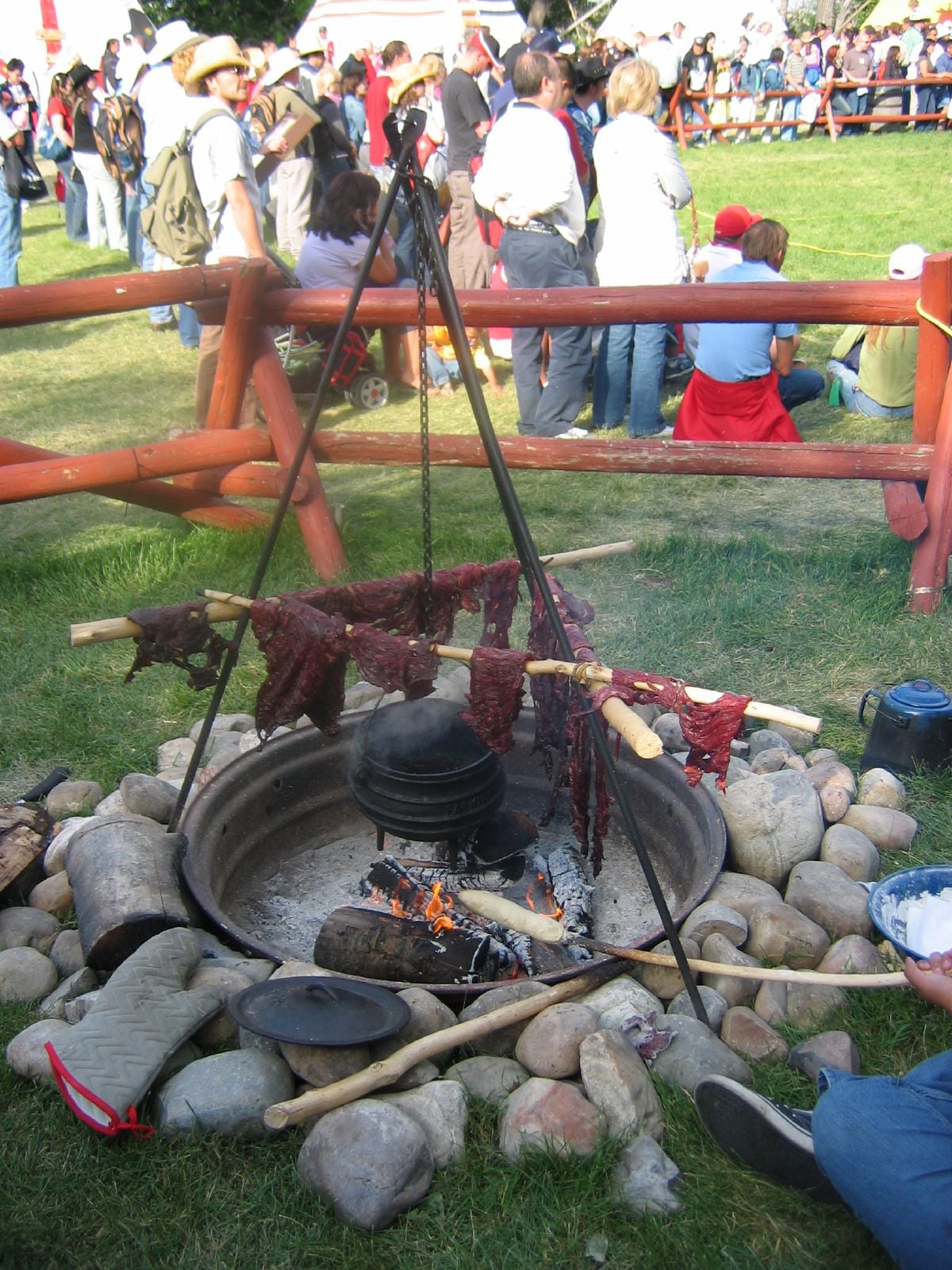
Métis cuisine reflects a distinct people with roots in Indigenous and European kinship networks, especially across the Prairies and parts of northwestern Ontario. Its food traditions were shaped by mobility, trade routes, buffalo economies, and communal labor.
Pemmican is perhaps the best-known Métis food, made by combining dried meat, rendered fat, and sometimes berries. It was calorie-dense, long-lasting, and essential to travel and commerce, especially during the fur trade, when it became one of the most strategic foods in the region.
Bannock is also widely associated with Métis and many First Nations communities, though its forms vary greatly. Rubaboo, a hearty soup often made with meat, vegetables, and sometimes barley or peas, reflects adaptation, practicality, and local ingredients.
These dishes should not be dismissed as simple frontier fare. They tell a deeper story about resilience, exchange, and the creation of a distinct Métis identity through everyday cooking.
Feasts, sharing, and seasonal gatherings
One of the most important Indigenous food traditions is not a single ingredient but the act of sharing. Across many First Nations, Inuit, and Métis communities, food is central to feasts, ceremonies, harvest gatherings, and kinship obligations.
On the Northwest Coast, potlatch traditions among nations such as the Kwakwaka'wakw have long included the hosting and distribution of food as part of governance and reciprocity. In many other regions, community meals mark hunts, fish runs, berry harvests, and seasonal transitions.
These gatherings affirm that food is never just personal consumption. It carries teachings about generosity, status, mourning, celebration, and mutual care, often reinforcing community memory in ways that written records alone cannot capture.
Greater recognition should begin with this basic truth: Indigenous food traditions across Canada are living, diverse, and regionally specific. Respecting them means recognizing Indigenous authority, land relationships, and the knowledge systems that continue to nourish communities today.



Leave a Reply