
Convenience sells, and Canadian grocery aisles prove it every day. From sliced mushrooms to cubed melon, shoppers often pay far more for less work at home.
Why convenience foods cost more

At first glance, the higher price on pre-cut produce can look modest. In practice, the premium is often dramatic once shoppers compare the cost by weight instead of the sticker on the package.
A whole pineapple, for example, may cost only a few dollars more than a much smaller tub of fresh-cut pineapple. The same pattern shows up with broccoli florets versus full crowns, diced onions versus whole onions, and trimmed green beans versus loose bags. Canadians are not just paying for preparation. They are also paying for labour, specialized packaging, refrigeration, and shorter shelf life.
Retailers build those extra handling costs into the final price. According to food retail analysts and grocery pricing studies, fresh-cut produce frequently carries markups ranging from 50% to well over 200% per kilogram compared with whole versions. The more trimming and handling involved, the larger the gap usually becomes.
The biggest price gaps shoppers tend to see
Some grocery categories show only a small convenience premium. Others can be startling, especially when edible weight is measured carefully and waste from peels or stems is taken into account.
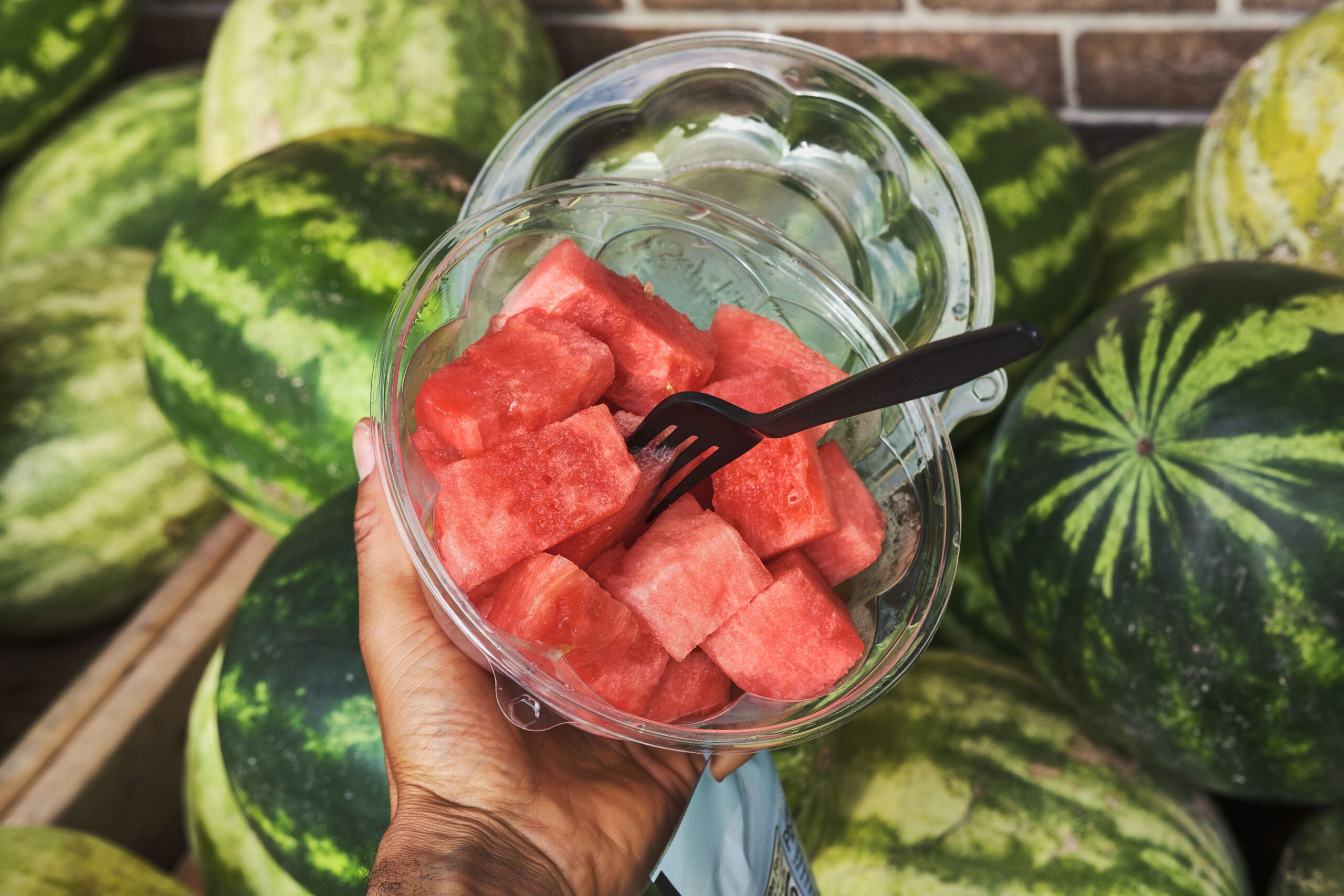
Fruit is often where the difference looks most extreme. Watermelon chunks, pineapple spears, cantaloupe cubes, and apple slices regularly cost far more per kilogram than buying the whole fruit. Part of that reflects spoilage risk for stores, but much of it reflects the value attached to speed. A shopper can open a container and serve it immediately, which makes the higher price easier for some households to accept.
Vegetables follow a similar pattern. Whole carrots, potatoes, and onions are usually among the cheapest staples in the produce section. Once they are peeled, chopped, or spiralized, the price jumps sharply. Even bagged salad kits can cost several times more than buying lettuce, cabbage, and dressing ingredients separately.
Why Canadians keep buying them anyway
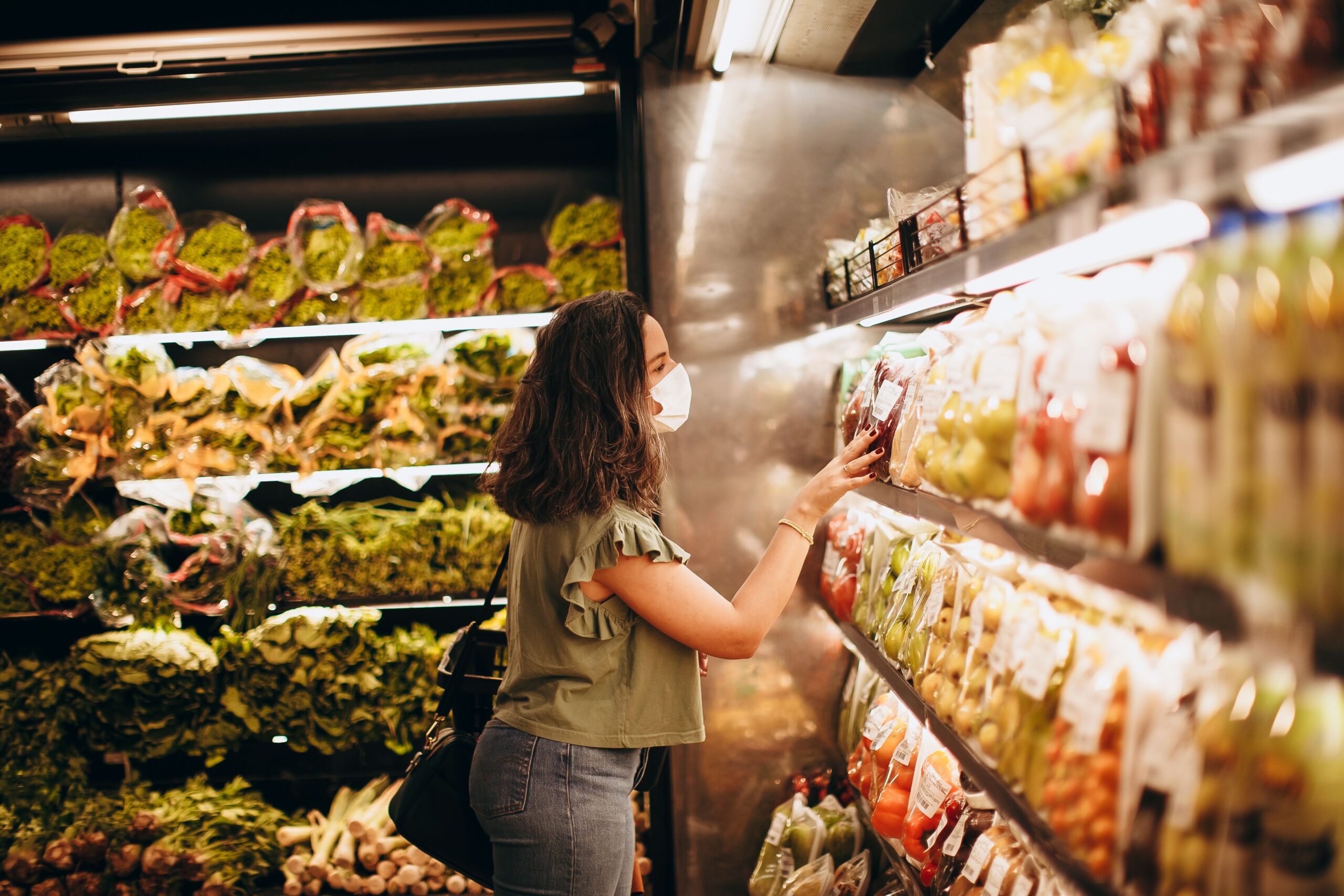
The clearest reason is time. Many households are balancing work, commuting, childcare, eldercare, and rising fatigue, so paying more to skip washing, peeling, and chopping can feel practical rather than indulgent.
Convenience items also reduce friction in meal preparation. A container of cut stir-fry vegetables or ready-to-cook butternut squash can help someone make dinner instead of ordering takeout. In that sense, a more expensive grocery item may still save money compared with restaurant meals or delivery fees.
There is also a waste argument. A single person may not finish a whole cabbage, melon, or pineapple before it spoils. Buying a smaller pre-cut amount can reduce what gets thrown out. While the unit price is higher, the total household cost can sometimes be lower if less food ends up in the bin.
When the premium may actually be worth it

Not every convenience purchase is a bad financial decision. For seniors, people with mobility issues, busy parents, and anyone with limited kitchen space or knife confidence, prepared produce can make healthy eating much more accessible.
The premium may also make sense for highly perishable or labour-intensive items. Cutting a rutabaga, peeling squash, or trimming pomegranate seeds takes time and effort that some shoppers reasonably want to avoid. In those cases, the extra spending buys not just speed but comfort and safety.
Prepared ingredients can also improve follow-through. If pre-cut vegetables increase the odds that a household cooks at home and eats more produce, the practical value rises. Spending a few extra dollars on groceries can be rational if it supports better habits and reduces spending elsewhere.
How to compare prices more accurately
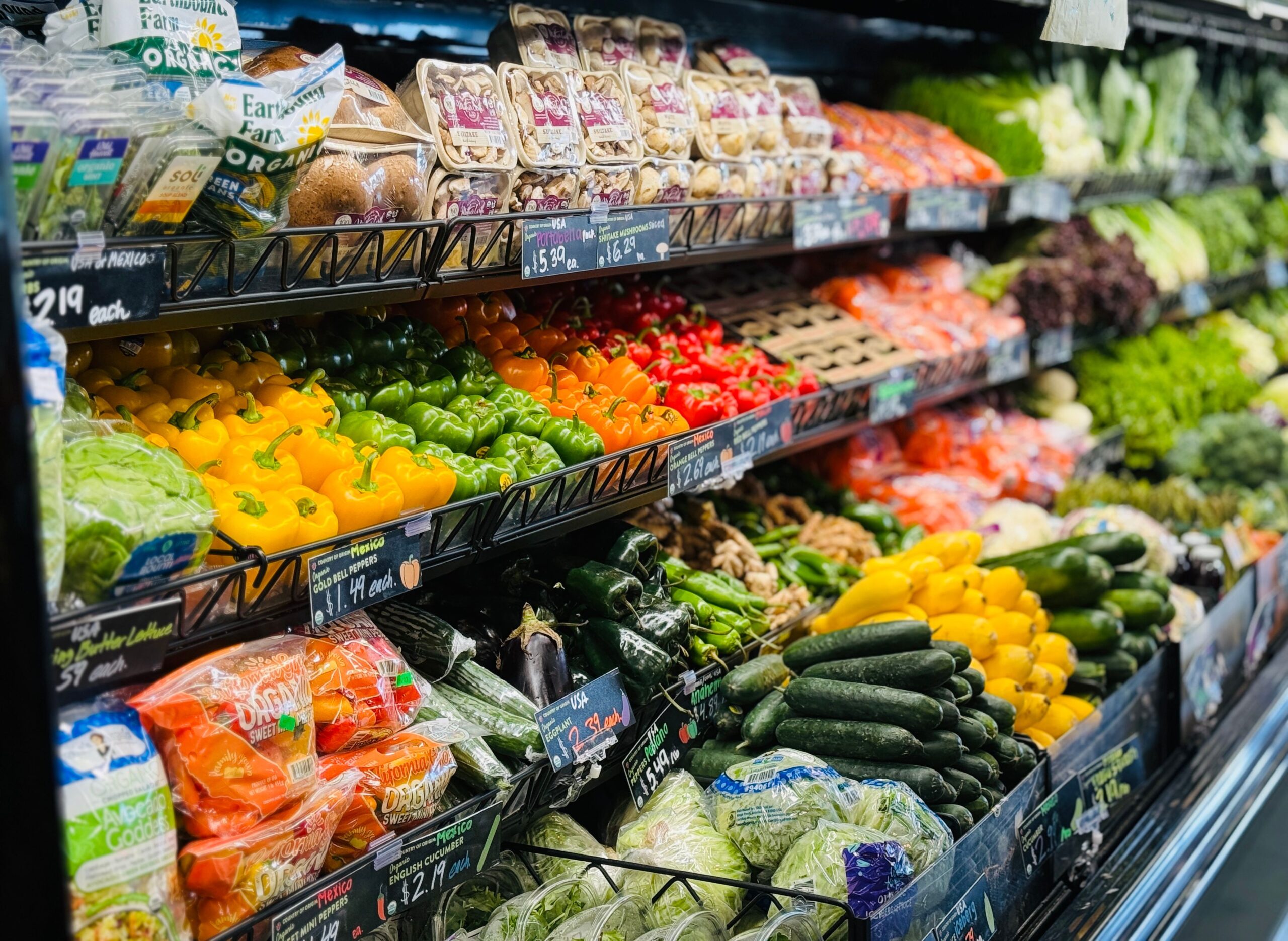
The shelf price alone rarely tells the full story. Canadians get a better comparison by checking the unit price, usually listed by 100 g or by kilogram on the label, and then considering how much of the whole item is edible.
A whole cauliflower includes a core and leaves, while a fruit has rind or peel, so comparing edible yield matters. Even after accounting for that, pre-cut versions are often still markedly more expensive. The key is to compare like with like, not package with package.
It also helps to separate convenience from branding. A store-brand bag of chopped vegetables may cost less than a premium packaged version, though both remain pricier than whole produce. Watching flyers, seasonal availability, and discount stickers can narrow the gap for shoppers who want some convenience without paying the highest premium.
Smart ways to save without giving up convenience
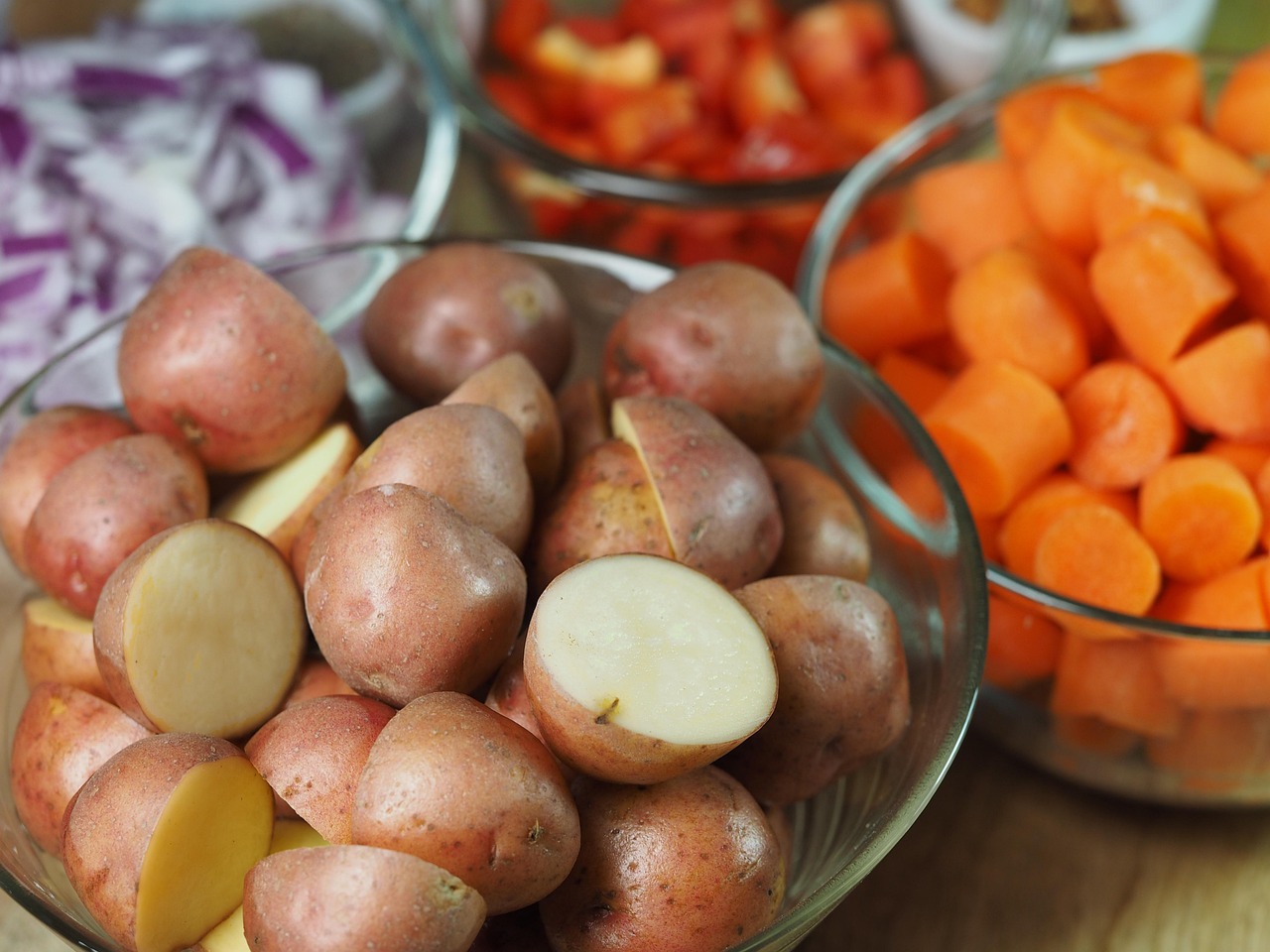
Shoppers do not have to choose between paying top dollar and doing everything from scratch. One of the best middle-ground strategies is batch preparation. Buying whole produce, washing and cutting it at home, and storing it in containers can create the same convenience for a fraction of the cost.
Frozen vegetables are another strong option. They are usually chopped, portioned, and ready to cook, yet often cost less than fresh pre-cut produce while lasting much longer. For many meals, frozen broccoli, peppers, spinach, and peas offer one of the best value-for-convenience trade-offs in the store.
A final strategy is to reserve convenience for selective purchases. Buy whole staples like onions, potatoes, and carrots, then splurge only on the items that are hardest to prepare or most likely to go to waste. That approach lets Canadians protect both their time and their grocery budget.




Leave a Reply