
Canadian food still feels familiar. But underneath the comfort of maple syrup, poutine, and butter tarts, globalization has steadily rewritten the national menu.
Imported produce turned year-round eating into the norm
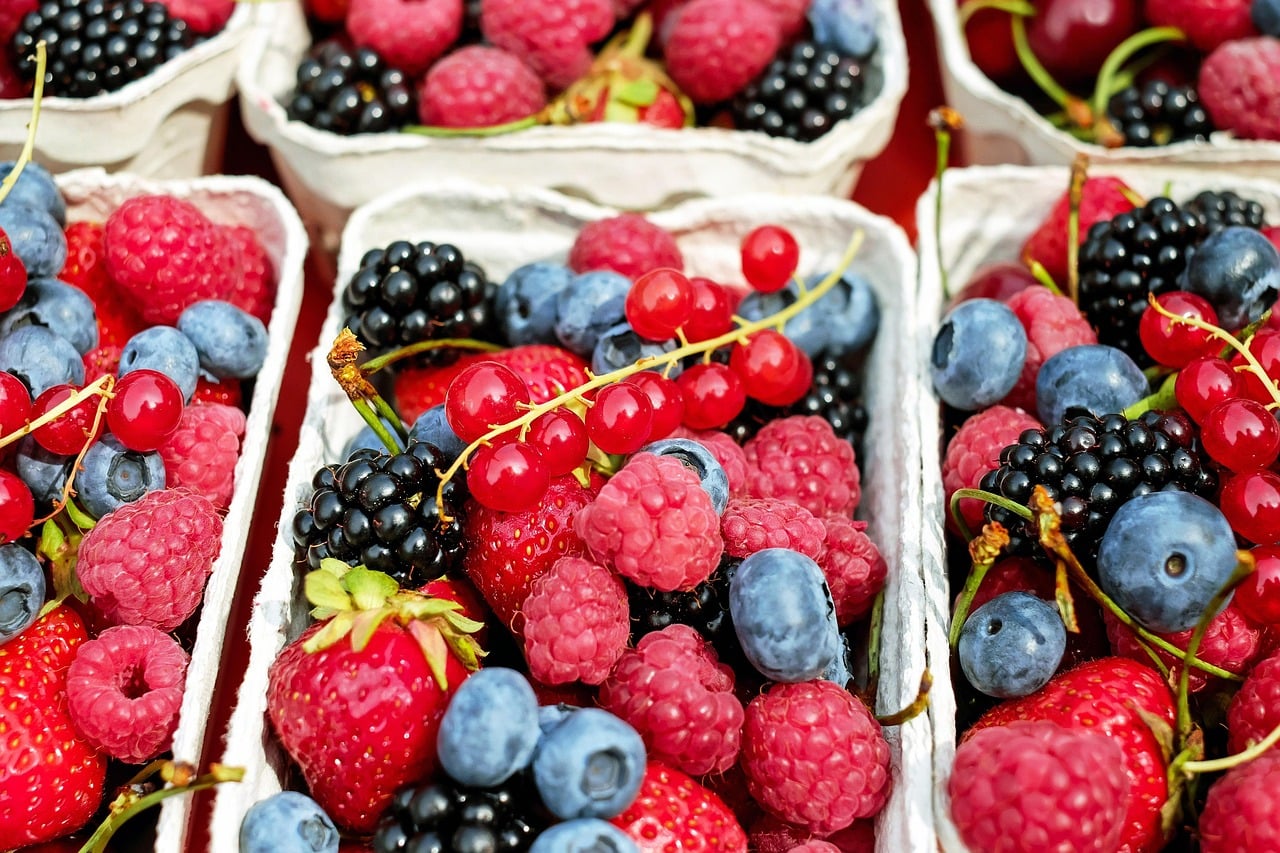
The biggest quiet shift happened in the produce aisle. A generation ago, Canadians expected sharper seasonal limits, especially in winter, when local choices narrowed and preserved foods mattered more. Today, berries in January and asparagus in December feel ordinary.
That change came from integrated North American supply chains, faster refrigeration, and major imports from the United States, Mexico, and Latin America. According to federal trade data trends, fresh fruit and vegetable imports have grown for decades as retailers built consumer expectations around constant availability.
The upside is variety and convenience. The tradeoff is that many Canadians now have a weaker sense of seasonality, and local growers compete with lower-cost imports that often arrive with scale advantages Canadian farms cannot easily match.
Immigration changed the everyday pantry, not just restaurant culture
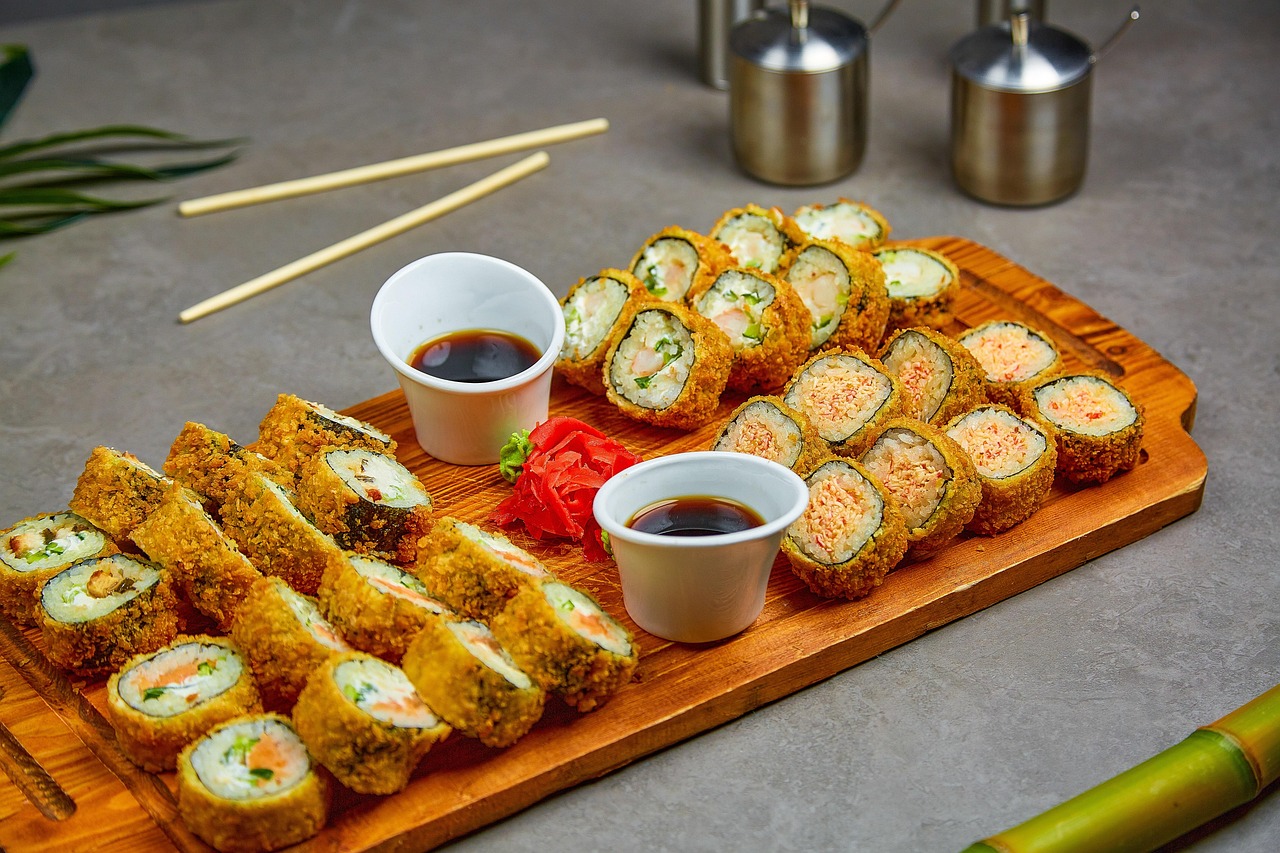
One of the most important changes happened at home, not just on city streets. Immigration did not simply add sushi counters or shawarma shops. It changed what sits in Canadian fridges, freezers, and cupboards every day.
Soy sauce, sriracha, naan, kimchi, tahini, plantains, paneer, bok choy, and halal meats are now mainstream grocery items in many communities. Large chains expanded shelf space because demand stopped being niche and became structural, especially in Toronto, Vancouver, Calgary, and Montreal.
This shift also changed what Canadians define as comfort food. For millions of families, a normal weekly rotation may include pasta, dal, tacos, stir-fry, jerk chicken, pho, and tourtière without any sense of contradiction. That is globalization working quietly through migration, retail, and routine.
Supply chains made convenience foods more global and more processed
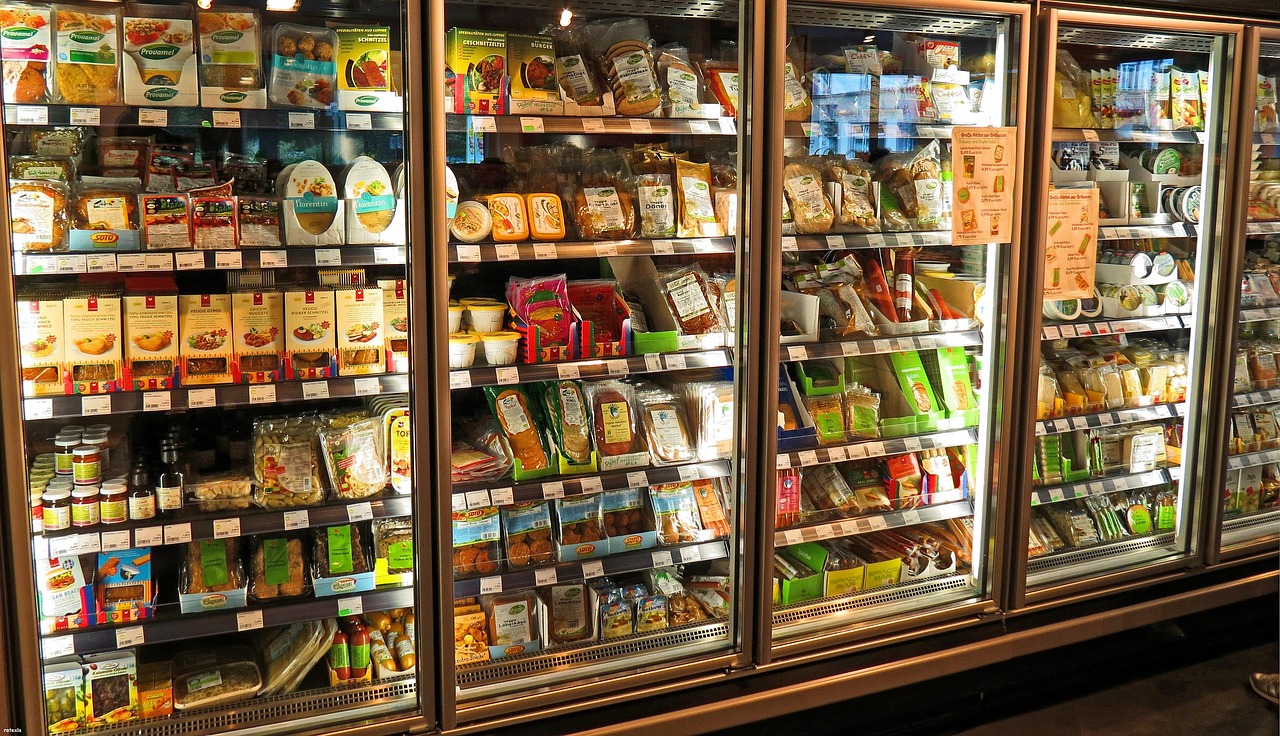
Convenience has become a defining feature of modern Canadian eating. Frozen meals, meal kits, ready-to-heat sauces, packaged snacks, and globally inspired prepared foods now fill a larger share of grocery spending than many traditional staples.
Global food manufacturers helped drive that change by standardizing products for multiple markets at once. A sauce developed for one region can be reformulated, branded, and sold in Canada quickly, especially when trade logistics, cold storage, and multinational retail networks are already in place.
The result is a broader menu with less kitchen labor. But public health experts have also warned that ultra-processed foods now play a major role in Canadian diets, linking globalization not only to variety and access, but also to sodium, sugar, and dietary imbalance.
Canadian identity foods became commercial symbols for tourists and export

Some foods stayed Canadian, but their role changed. Maple products, ice wine, smoked salmon, poutine, and even Nanaimo bars increasingly function as identity markers packaged for tourism, gifting, and export as much as for local everyday use.
This is a familiar globalization pattern. Nations often turn signature foods into simplified, marketable symbols that travel well across borders. In Canada, that has helped small producers gain recognition, but it has also flattened regional complexity into a few nationally branded images.
Quebec's deep culinary traditions, Atlantic seafood cultures, Prairie grain histories, and Indigenous foodways do not always fit neatly into souvenir-ready branding. So while globalization amplified Canadian food visibility, it also encouraged a narrower version of what outsiders think Canadian food really is.
Fast food chains changed local taste expectations
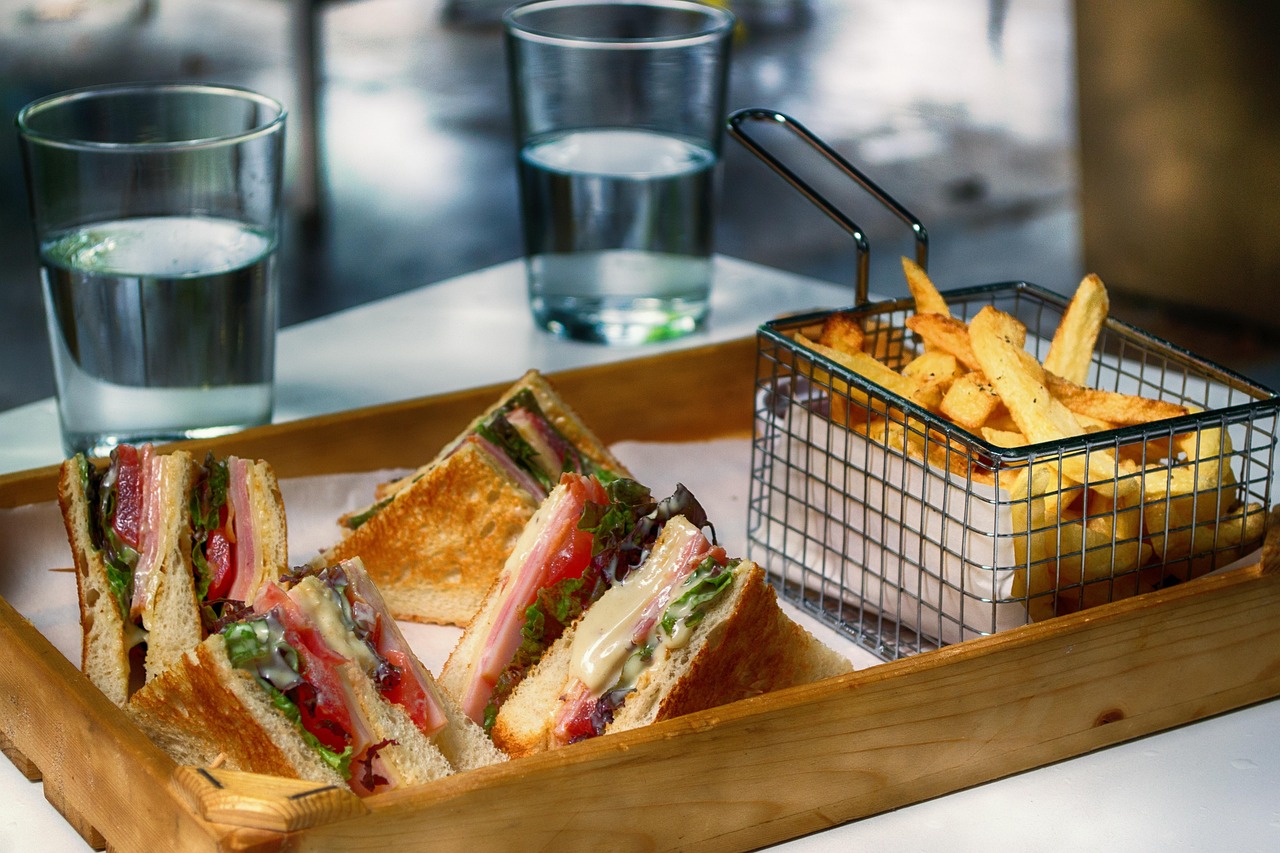
The influence of global chains is easy to underestimate because it feels so ordinary. McDonald's, Subway, KFC, Tim Hortons under multinational ownership, and countless pizza and burger brands helped standardize portions, pricing logic, speed, and flavor expectations across Canada.
That standardization affected more than restaurant habits. It influenced how people judge value, how children form brand loyalties, and how smaller independent operators design menus. Combo meals, all-day availability, and portable eating became part of food culture, not just business strategy.
Even local items adapted to chain logic. Poutine became easier to scale, coffee culture became more transactional, and breakfast sandwiches turned into a national default. Globalization did not erase Canadian taste, but it taught it to move faster and expect consistency everywhere.
Seafood and meat became global commodities before they reached local plates

Canada produces world-class seafood, beef, pork, and grains, yet many Canadians experience these foods through global pricing pressures rather than simple local abundance. What is caught, raised, or processed domestically often moves through export markets first because international demand can be more profitable.
Atlantic lobster is a strong example. It is a Canadian symbol, but it is also deeply tied to foreign demand in the United States, Europe, and Asia. The same logic affects beef, pork, and canola, where domestic food culture is shaped by global contracts, currency shifts, and trade rules.
This creates a paradox. A country can be rich in food production while local consumers still face high prices and uneven access. Globalization made Canadian food systems more prosperous in some sectors, but not necessarily more local in daily experience.
Indigenous ingredients gained visibility, but often through global food trends
Perhaps the most complex change involves Indigenous food. Ingredients such as wild rice, bannock, Arctic char, bison, spruce tips, and Labrador tea have gained new public visibility in recent years, partly through chefs, tourism, and wider interest in regional authenticity.
That visibility can support Indigenous entrepreneurs and educate non-Indigenous diners about food traditions long ignored in mainstream Canada. But it also raises difficult questions about who profits, who tells the story, and whether global demand turns living food cultures into aesthetic trends.
The best recent work in Canadian food has pushed beyond novelty. It treats Indigenous cuisine not as a fashionable add-on, but as foundational knowledge tied to land, harvesting, seasonality, and sovereignty. Globalization opened the spotlight, but respect requires much more than attention.




Leave a Reply