
Most grocery overspending starts at home, not in the store. A five-minute pantry audit makes that painfully clear.
Why your pantry tells the truth about your grocery budget

Receipts show what you spent, but your pantry shows why you spent it. Shelves packed with half-used grains, duplicate sauces, and forgotten snacks are often proof that shopping decisions are being made without a clear inventory. That disconnect leads to repeat purchases and wasted food.
The U.S. Department of Agriculture has long noted that food waste is a major household cost, and pantry clutter is one of its most visible causes. When people cannot quickly see what they already own, they tend to buy "just in case." That habit feels practical in the moment, but over a month, it steadily raises the bill.
A pantry audit works because it forces a simple reality check. In five minutes, you can identify items you overbuy, categories you ignore until they expire, and products that looked useful in the store but never fit your actual routine.
Start with the products you keep buying twice

The easiest savings usually come from spotting duplicates. Many households own two or three jars of the same condiment, multiple bags of rice, or several open boxes of crackers because no one checked before shopping. Those repeat buys are small individually, but together they create a pattern of silent overspending.
Start by scanning for categories where duplicates are common: canned beans, pasta, sauces, cereal, baking supplies, and snacks. Pull like items together so the repetition is obvious. When three barbecue sauces and two opened peanut butter jars appear side by side, the spending problem becomes visible immediately.
Retail analysts often point out that consumers underestimate how much they already have at home. That is especially true for shelf-stable foods bought on promotion. A sale does not save money if the item expires, gets buried, or simply crowds out what you already needed to use first.
Check expiration dates to measure your real waste

Expired food is not just a storage problem. It is a record of money that never turned into meals. If you find stale crackers, old flour, or soup cans past their prime, your pantry is showing exactly where your budget is leaking.
Look beyond obvious spoilage and focus on the pattern. Are healthy ingredients expiring because weeknight cooking is unrealistic? Are specialty products being bought for one recipe and never touched again? Those details matter because they reveal a gap between shopping intentions and real-life habits.
According to food waste researchers, households often waste more through neglect than through dramatic spoilage. A forgotten bag of lentils may not look expensive, but repeated across oils, grains, snacks, and canned goods, the losses add up quickly. Waste is often spread thinly enough to go unnoticed, which is why the audit matters.
Notice what you buy for fantasy cooking
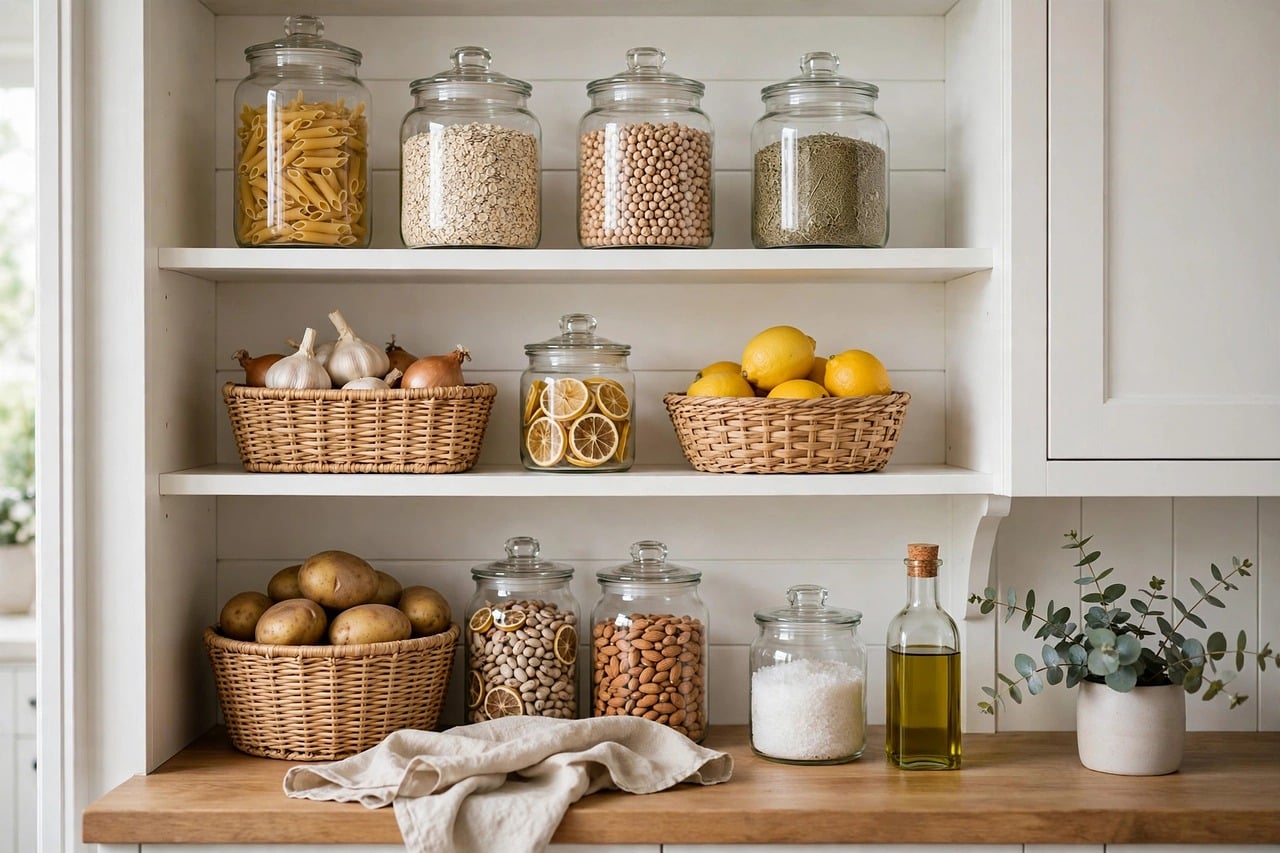
One of the most expensive pantry habits is shopping for the person you hope to be instead of the person you are. That looks like buying ambitious ingredients for homemade curries, elaborate baking projects, or health kicks that do not survive a busy workweek.
This is not about lowering standards. It is about aligning purchases with actual behavior. If your pantry is filled with untouched specialty flours, unusual grains, or aspirational meal-prep ingredients, the problem is not discipline. The problem is a shopping plan disconnected from your schedule, energy, and cooking style.
Consumer behavior experts consistently find that intention-based buying drives unnecessary spending. People often purchase with optimism, especially when trying to eat better or save time later. A pantry audit helps separate genuine staples from products that repeatedly represent good intentions rather than real use.
Use the audit to rebuild your shopping list

Once you see the problem areas, the next step is simple: build your list from what is missing, not from habit. A smart list starts with meals you will realistically make, then uses pantry items first before adding new purchases. This reduces both waste and duplicate buying.
A practical method is to divide your list into three groups: use now, low stock, and do not buy. That final category is powerful. If you already have enough pasta for three weeks, writing "do not buy pasta" can prevent automatic spending triggered by routine or store promotions.
Professional organizers and budget coaches often recommend keeping a visible running inventory for high-repeat items. You do not need a spreadsheet. A note on your phone or a small list taped inside a cabinet door is enough to stop the most common and costly memory lapses.
The five-minute habit that keeps grocery bills lower

The real value of this audit is consistency. Doing it once can save money this week, but doing it before every major grocery trip can change your spending pattern long term. Five minutes of checking often prevents 30 minutes of impulse buying and several days of avoidable waste.
Households that spend carefully usually are not more frugal by nature. They are more aware of what they already own and more honest about what they will actually use. That awareness leads to fewer duplicates, fewer expired products, and fewer "maybe" purchases that never pay off.
If grocery costs feel strangely high, your pantry may already have the answer. Open the door, take a hard look, and let the shelf tell the story before your next trip does.




Leave a Reply