
Chocolate bars look familiar until you check the grams. In Canada, the real story behind shrinking chocolate is less about the wrapper and more about a global squeeze consumers rarely see.
Shrinkflation Is the Symptom, Not the Full Cause

At first glance, the issue seems obvious: companies are selling less chocolate for the same money. That is shrinkflation, and it has become a common tactic across Canadian grocery aisles, from chips to cereal to candy. A bar that once weighed 100 g may now come in at 90 g or 85 g, while the shelf price barely moves.
But shrinkflation is only the visible result. The deeper problem is that manufacturers are trying to protect price points that shoppers recognize instantly, such as $1.99, $2.49, or $3.49. Food companies know consumers often react more strongly to a higher sticker price than to a modest drop in package size.
That pricing psychology matters even more in convenience stores, gas stations, and checkout lanes where chocolate bars are impulse purchases. If a product crosses a certain price threshold, sales can fall quickly. So instead of raising prices sharply, companies quietly trim weight, square count, or thickness to stay competitive.
Cocoa Prices Have Changed the Economics of Candy
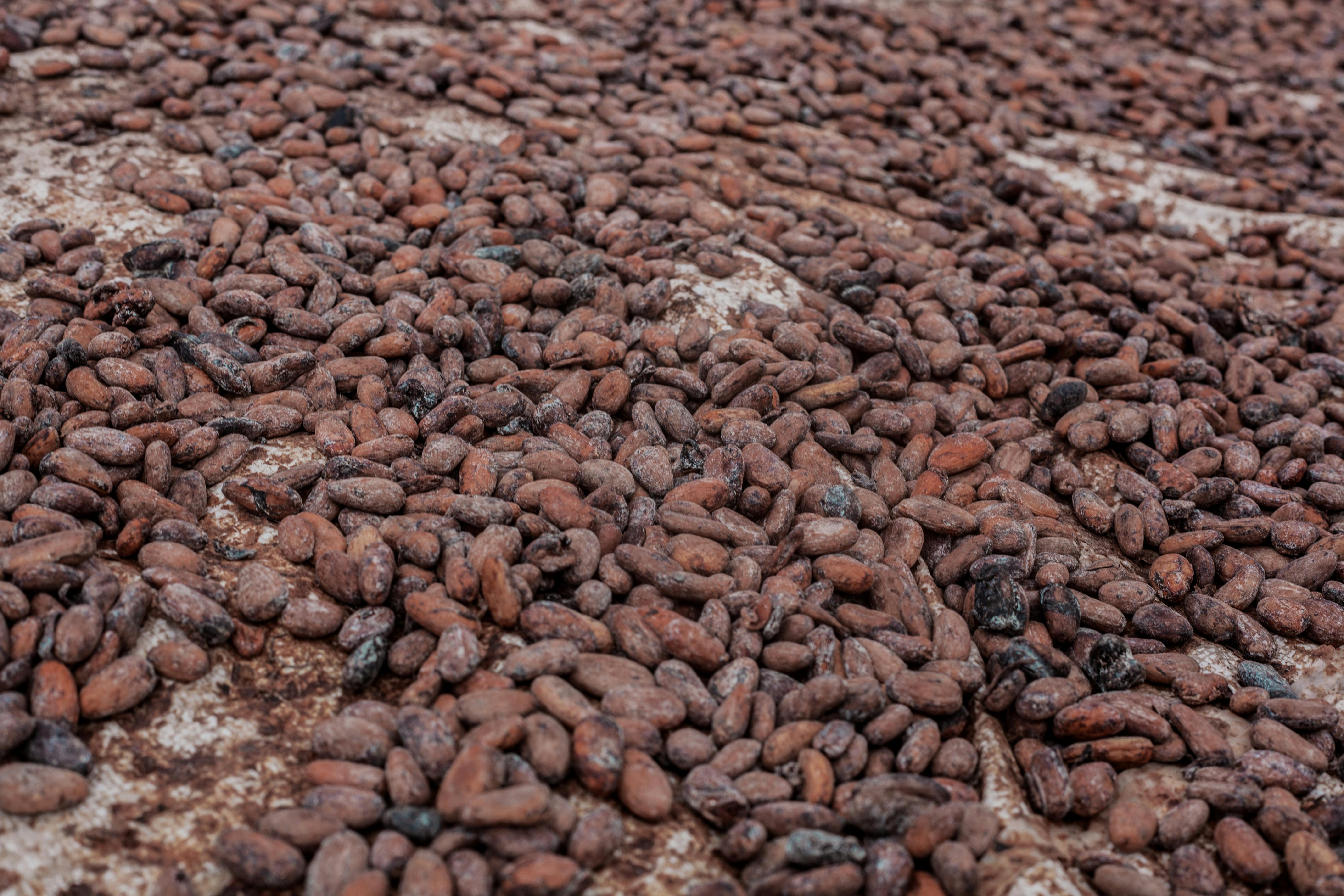
The biggest hidden force is cocoa itself. In the past two years, cocoa prices have surged to levels the confectionery industry had not planned for, driven by poor harvests in major producing countries such as Côte d'Ivoire and Ghana. Extreme weather, crop disease, and aging trees have all reduced supply.
That matters because Canada does not grow cocoa commercially at scale. Every major chocolate maker serving the Canadian market depends on imported ingredients, which means global shortages hit domestic products directly. When raw cocoa becomes dramatically more expensive, manufacturers have only a few options: raise prices, reformulate, or reduce size.
Sugar, dairy, nuts, and oils have also become more expensive. So have freight, insurance, warehousing, and factory energy costs. When all those pressures arrive at once, the math behind a standard chocolate bar changes fast, especially for products designed to sell at low everyday prices.
Retailers Push Back Hard Against Visible Price Hikes
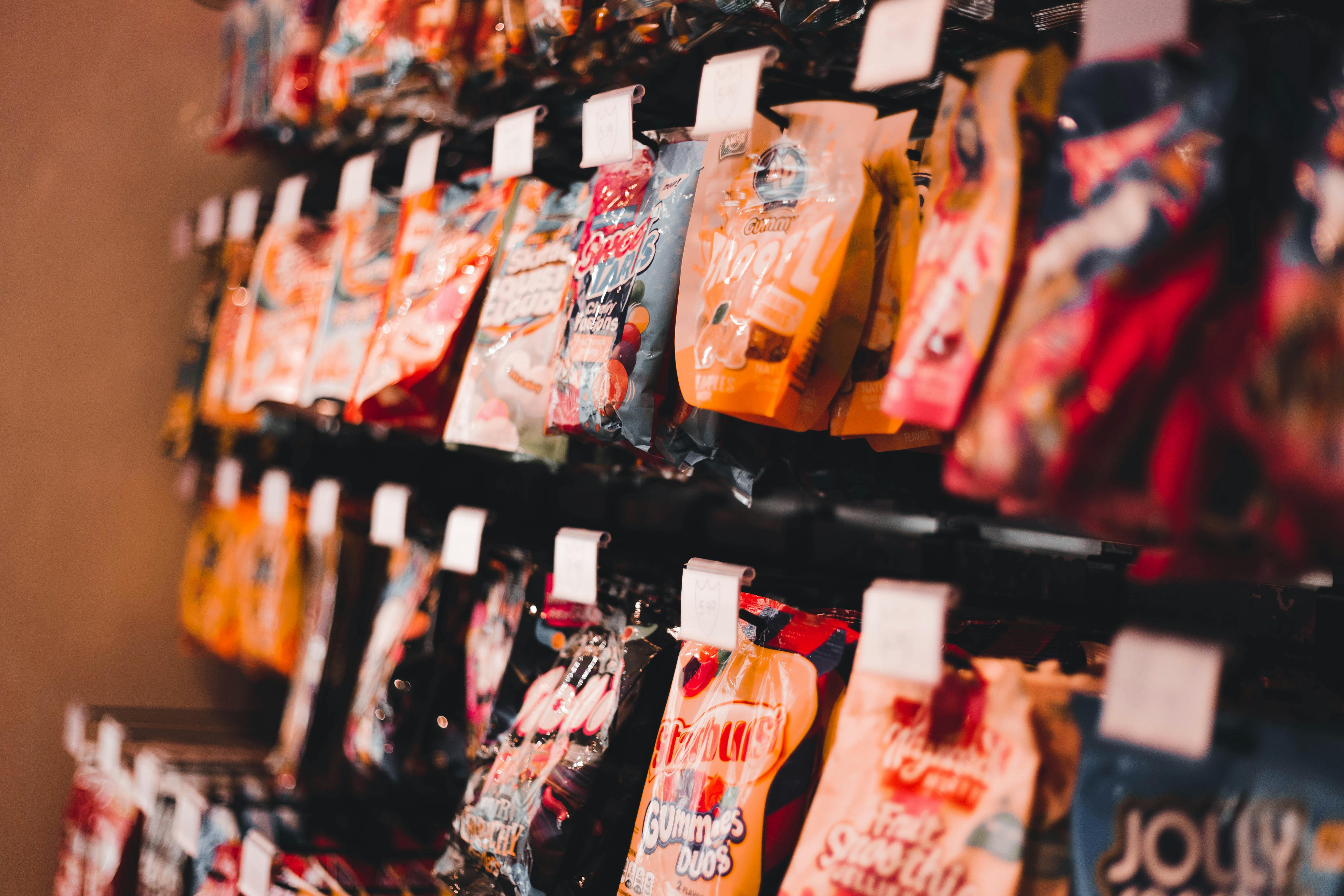
Here is the part many shoppers miss: manufacturers do not control the shelf alone. Large grocers, mass merchants, and convenience chains negotiate aggressively with food brands, and they are highly sensitive to price increases that could upset customers or make one retailer look more expensive than another.
If a chocolate company wants to raise the listed price meaningfully, it often faces resistance. Retailers may demand promotions, smaller margins, or a different pack format that keeps the sticker price stable. In that environment, shrinking the bar can become the easiest compromise between manufacturer and retailer.
This is one reason two similar products can change size at different times. One retailer may accept a higher price, while another insists on holding the line. The result is a market where package dimensions, count, and net weight become negotiation tools rather than purely product decisions.
Packaging and Recipe Tweaks Help Hide the Change
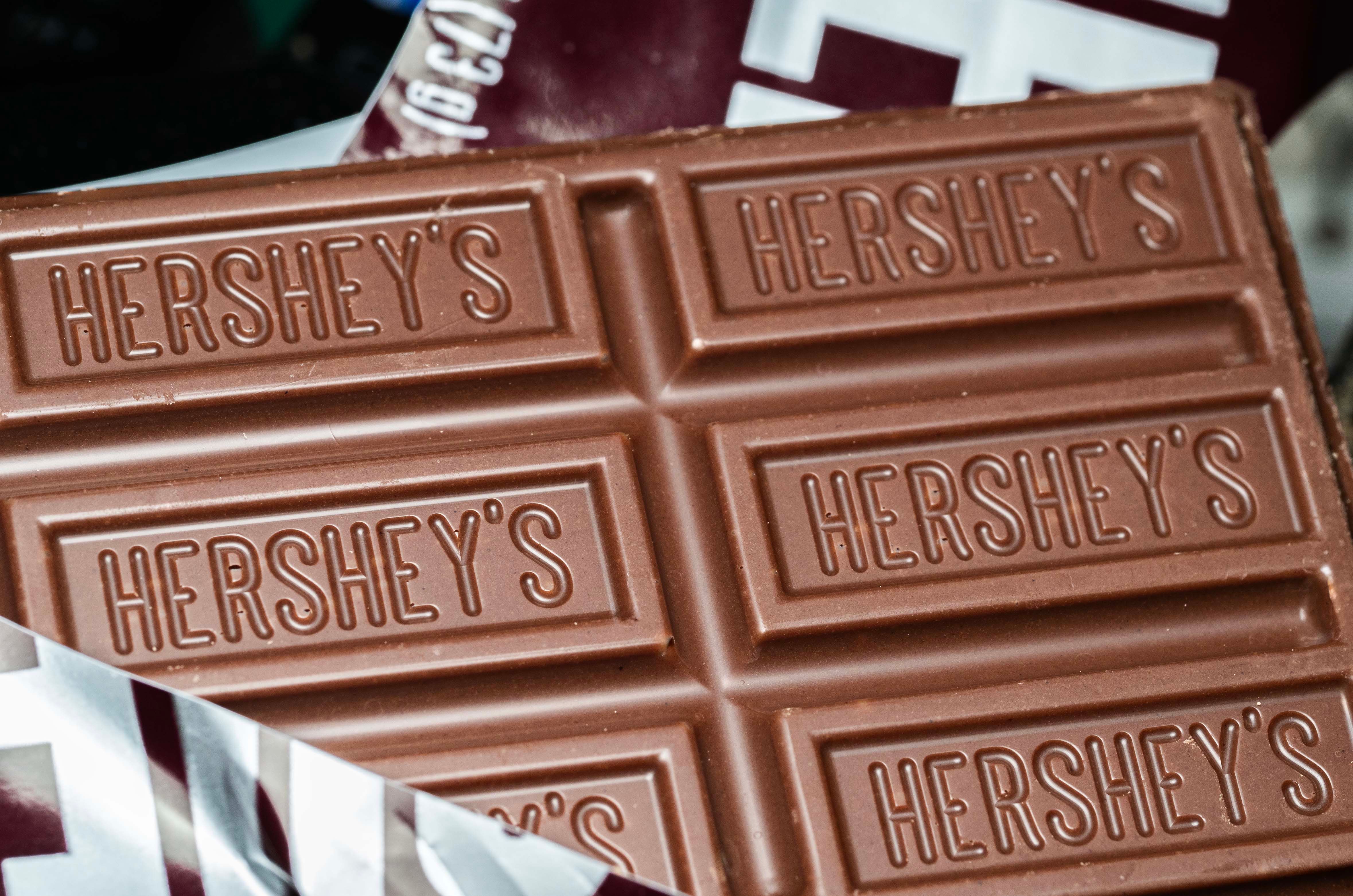
The wrapper often stays almost the same size, which is why many consumers feel something is off before they know exactly what changed. Companies may alter the thickness of each segment, add more air space inside multipacks, or subtly redesign molds so the bar feels similar in the hand while containing less chocolate.
Sometimes the recipe shifts too. A manufacturer may lean slightly more on fillings, wafers, caramel, or inclusions that cost less than cocoa-heavy chocolate. That does not always ruin the product, but it can change texture, sweetness, and the way the bar melts, even if the front label still looks familiar.
These adjustments are carefully tested. Food companies study whether shoppers notice a reduced gram count, whether they still repurchase, and whether the value perception holds. If complaints remain manageable and sales stay steady, the smaller format becomes the new normal surprisingly quickly.
Canada's Market Size Makes It Harder to Absorb Cost Shocks

Canada is a wealthy market, but it is not a huge one compared with the United States. That matters because production runs, packaging redesigns, transportation networks, and bilingual labeling rules all add cost. When volumes are smaller, each extra expense has less room to spread out across millions of units.
Canadian products also move through a retail system shaped by long distances and regional distribution challenges. Getting chocolate from factories or import channels to stores in Vancouver, Winnipeg, Toronto, Halifax, and northern communities is not cheap. Temperature-controlled handling can add another layer of complexity for melt-prone goods.
In a market like that, manufacturers often protect margins through subtle size changes rather than dramatic public price moves. What looks like a tiny reduction to the shopper can represent a meaningful financial adjustment once multiplied across national sales volumes and retailer contracts.
What Shoppers Can Watch for Next
The clearest clue is the net weight, not the wrapper design. A bar may look nearly identical to last year's version while losing 5 g, 10 g, or more. Multipacks deserve special scrutiny because companies can reduce both the size of each bar and the number of bars while keeping branding and box dimensions familiar.
Consumers should also compare unit pricing, though it is not always displayed consistently. Looking at cost per 100 g gives a truer picture than the sticker price alone. This is especially useful when premium brands, private labels, and standard mass-market bars appear to rise in price at different speeds.
The broader takeaway is simple: Canadian chocolate bars are shrinking because global cocoa stress, retail price resistance, logistics costs, and consumer psychology all meet in one small package. The bar is smaller, but the forces behind it are large, structural, and unlikely to disappear soon.




Leave a Reply