
The change was immediate. For many residents, buying milk, produce, or bread suddenly became a far more difficult trip.
A city can lose food access faster than most people think

Food deserts are often discussed as a slow-building problem, but in Canadian cities they can appear almost overnight when a dominant grocer shuts multiple locations at once. That is the central shock now facing Winnipeg, where the closure of several full-service grocery stores in underserved districts has created serious gaps in food access. Residents who once walked to buy fresh staples are now relying on buses, taxis, or convenience stores.
Public health experts have long warned that proximity matters as much as price. When the nearest supermarket disappears, diets tend to shift toward shelf-stable, highly processed foods sold at smaller outlets. Those stores are vital community businesses, but they rarely stock the volume, variety, or pricing needed to replace a full grocery chain. The result is not only inconvenience, but a measurable decline in food security.
Winnipeg's North End shows the human cost of retail retreat
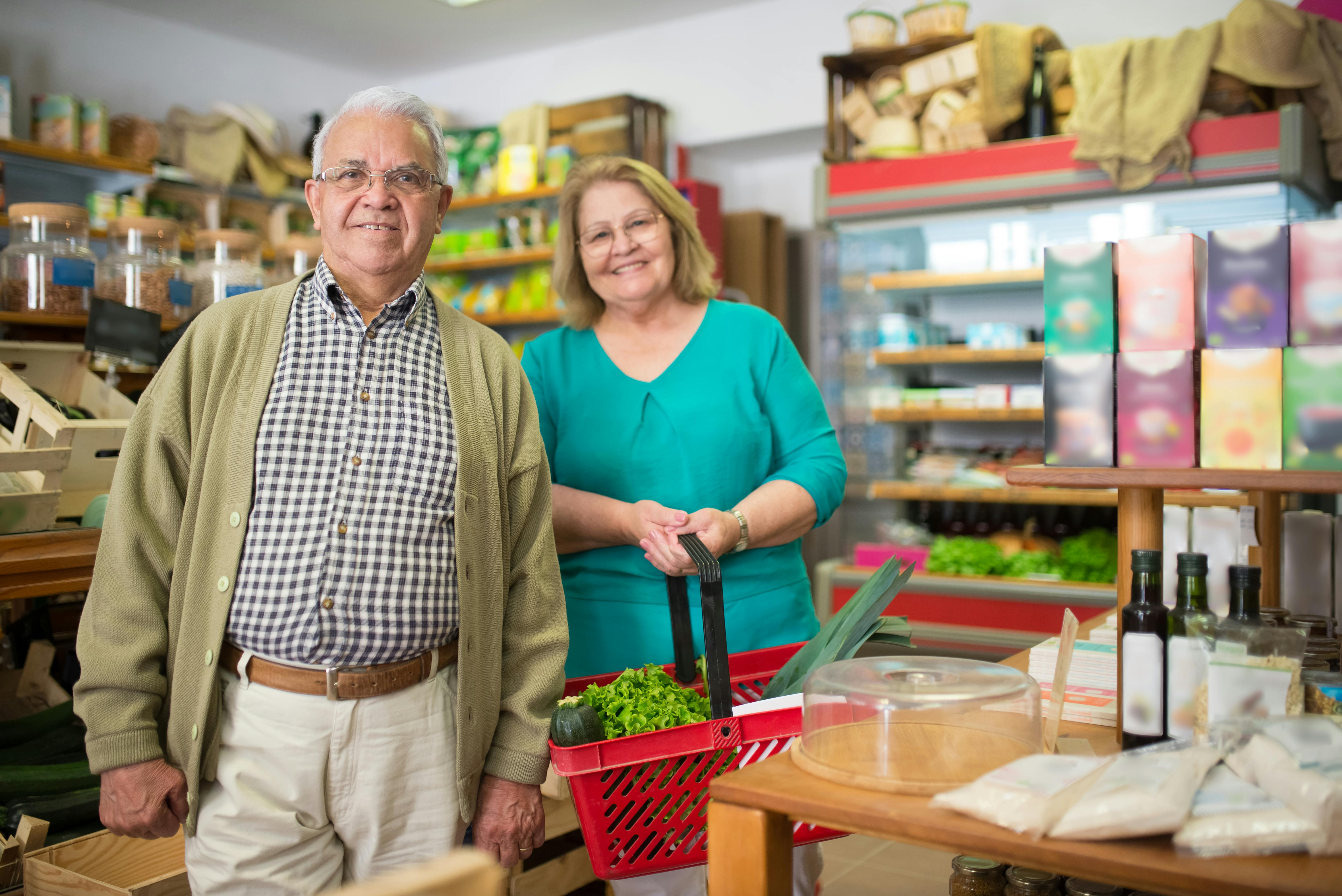
The hardest-hit areas are often the ones that were already fragile. In Winnipeg's North End and other lower-income neighborhoods, households are less likely to have consistent vehicle access and more likely to depend on public transit. A grocery closure in these communities is not just a retail story. It is a daily disruption that affects parents, seniors, people with disabilities, and shift workers with little flexibility.
Local advocates have described a pattern seen across North America: when major retailers consolidate, lower-margin urban stores are often first to go. According to Canadian food security researchers, these closures can trigger a cascade of consequences, including higher household food costs, longer travel times, and reduced access to fresh proteins and produce. Even one lost supermarket can reshape an entire neighborhood's shopping map.
Convenience stores cannot fill the gap left by full grocers
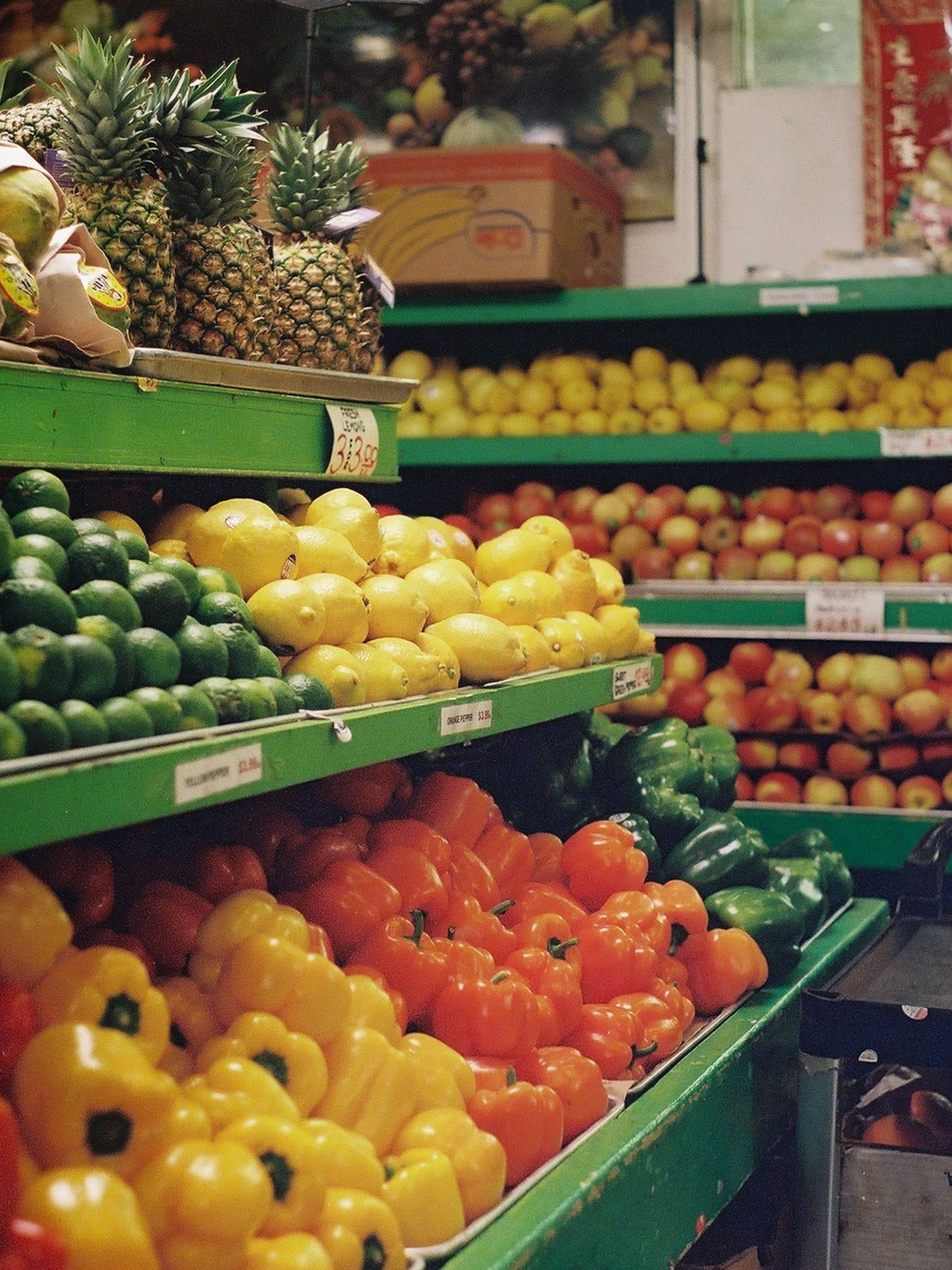
At first glance, a neighborhood may still appear to have food nearby. The problem is that not all food retail is equal. Corner stores and gas stations can sell snacks, canned goods, and drinks, but they typically do not offer broad selections of fresh fruit, leafy greens, dairy, or culturally relevant staples at competitive prices. For families trying to cook balanced meals, that difference matters immediately.
Researchers in Canada and the United States have repeatedly found that households in low-access areas pay more per unit for basic goods. A litre of milk, a loaf of bread, or a bag of apples often costs more at small-format stores than at supermarkets with larger purchasing power. Over weeks and months, that premium becomes a hidden tax on the people least able to absorb it.
Why this happened now is tied to a bigger national trend
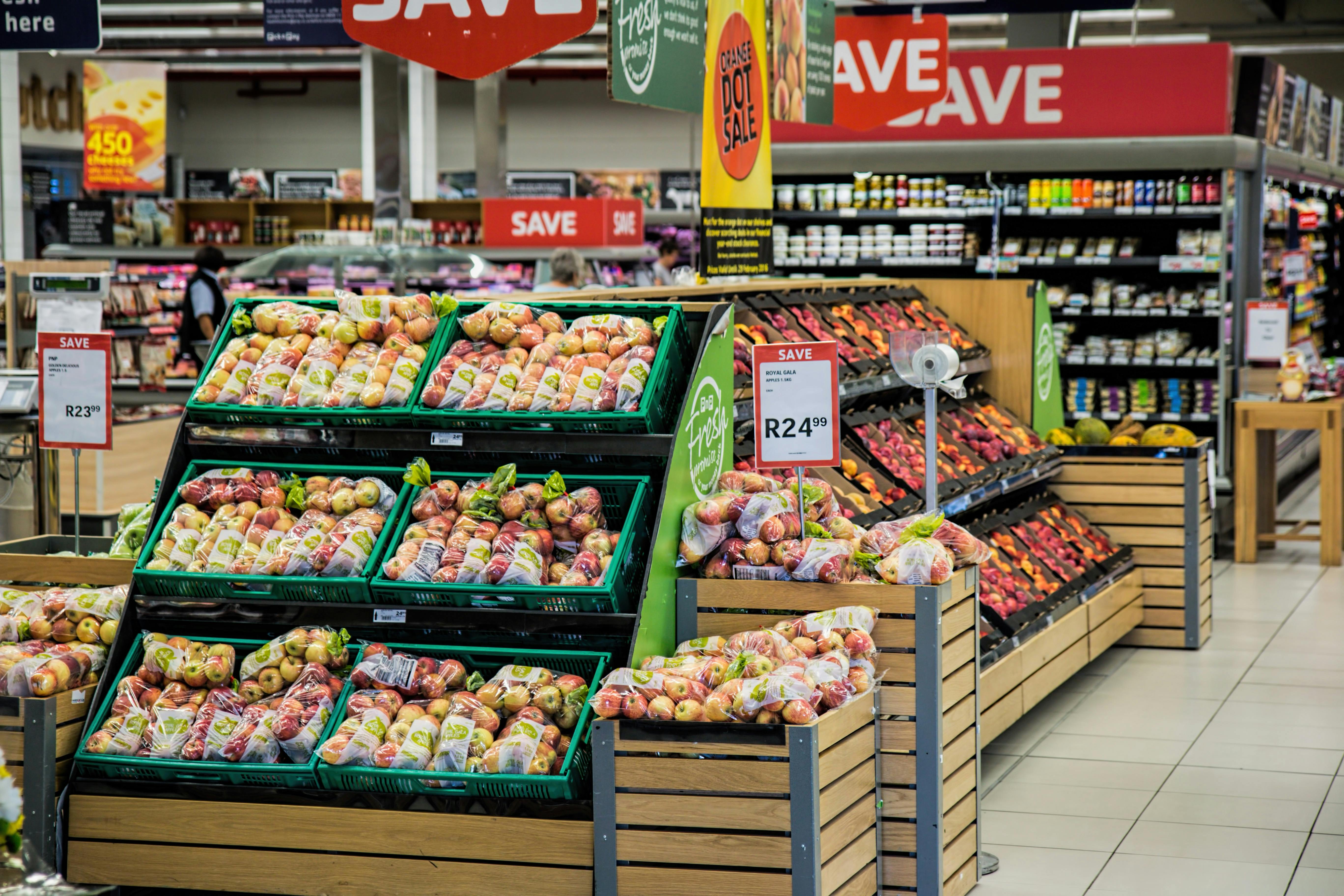
This is not simply a local planning failure. Canada's grocery sector is highly concentrated, with a small number of large companies controlling much of the market. When chains restructure, close underperforming stores, or convert locations into different retail formats, communities can lose essential infrastructure with little warning. In practical terms, food access is being shaped in corporate boardrooms as much as on city streets.
Inflation has made the situation worse. Operating costs, labor pressures, and changing consumer habits have pushed grocers to scrutinize every location more aggressively. At the same time, many neighborhoods that most need stable food access generate thinner margins. That creates a dangerous mismatch between what communities require for public health and what large retailers prioritize for private profitability.
The health consequences will outlast the store closures
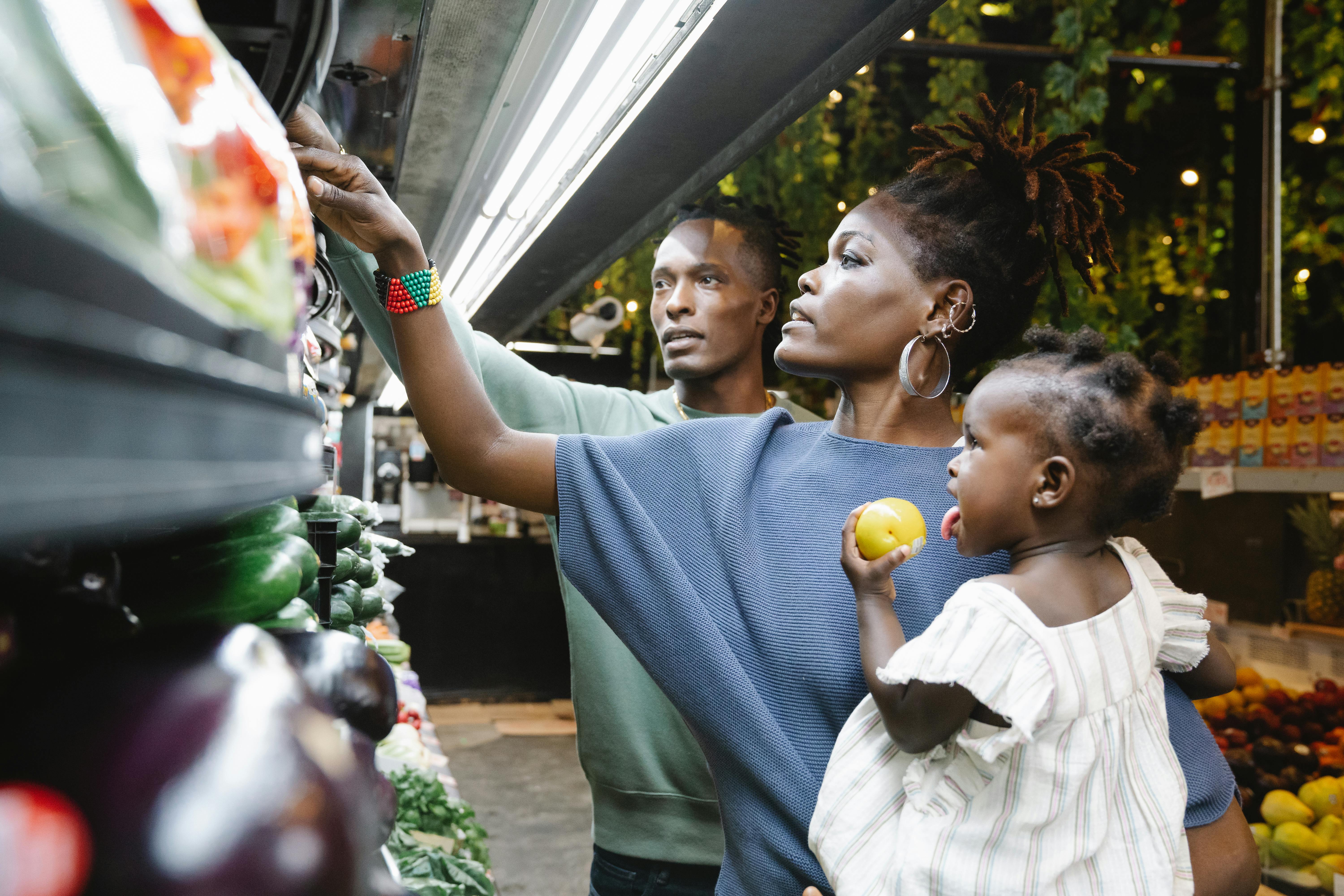
Losing nearby grocery access changes how people eat, but also how they live. Longer travel times mean fewer shopping trips and less ability to buy perishable foods in small amounts. That affects seniors on fixed incomes, parents stretching paycheques, and people managing diabetes, hypertension, or kidney disease who depend on specific diets. Food insecurity is closely linked with worse physical and mental health outcomes.
Children are especially vulnerable. Schools and community meal programs can help, but they are not substitutes for stable household access to nutritious food. When fresh options become harder to reach, families often make rational choices based on cost, time, and transport. Unfortunately, those choices can still lead to lower diet quality, greater stress, and a deeper sense of neighborhood abandonment.
What cities can do before the next grocery collapse happens

The most effective response is to treat food access as essential infrastructure, not just a private retail matter. Municipal governments can support community grocers, co-operatives, mobile markets, and better transit links to full-service stores. Provinces can also tie development incentives to food access commitments, especially in neighborhoods where supermarket competition is weak or nonexistent.
Winnipeg's experience should serve as a warning to other Canadian cities. A single corporate decision can redraw the daily lives of tens of thousands of people. If policymakers wait until shelves are gone, they are already too late. Protecting grocery access requires planning, redundancy, and the recognition that in many neighborhoods, the nearest supermarket is as important as a pharmacy or a clinic.




Leave a Reply