
Food rules can look surprisingly different across one border. What seems ordinary in an American grocery cart may be restricted, tightly limited, or effectively banned in Canada.
Farm-Raised Salmon Colored With Synthetic Astaxanthin

The issue here is not salmon itself, but what can be added to feed to create the deep pink color shoppers expect. Wild salmon naturally get their color from eating krill and shrimp, while farmed salmon often need carotenoid additives.
Canada has allowed some pigments in aquaculture, but it has historically taken a stricter posture on certain synthetic color-feed practices and labeling expectations than the United States. That matters because consumers often assume color reflects nutrition or freshness when it may reflect feed formulation instead.
Food policy experts have long argued that this is really a transparency problem. If a product looks like wild fish but is produced through controlled coloring inputs, regulators may step in to demand clearer standards or block specific compounds until safety and consumer-deception questions are settled.
In the United States, farmed salmon with feed-added color remains common and legal. Critics say the bigger concern is not immediate toxicity but whether shoppers are being sold an image of natural quality that the product did not earn on its own.
Brominated Vegetable Oil in Citrus Sodas

Few additives have drawn as much public scrutiny as brominated vegetable oil, better known as BVO. It was used in some fruit-flavored sodas to keep citrus flavoring from separating and floating to the top.
Canada did not permit BVO in foods, reflecting broader concern about bromine accumulation in the body and animal-study findings that raised questions about thyroid and neurological effects. For years, that stood in contrast to the American market, where some soft drinks still contained it.
Regulatory pressure in the United States increased after consumer groups and toxicologists pushed for reexamination. The Food and Drug Administration eventually moved away from tolerating it, but BVO remained an example of how Canada often acted faster on controversial additives.
Real-world impact matters because these drinks were not niche products. They were everyday sodas sold to families, teens, and children, making the debate about repeated low-level exposure rather than a one-time dietary risk.
Potassium Bromate in Commercial Bread

Bread seems wholesome, which is exactly why this ingredient surprises people. Potassium bromate has been used by bakers to strengthen dough, improve rise, and create a uniform texture in mass-produced bread products.
Canada prohibited its use in food, aligning with regulators in other countries that viewed it as an unnecessary chemical risk. According to major food-safety reviews, potassium bromate has been linked to cancer in animal studies, and concern centers on residues if baking does not fully convert it.
American supermarkets have carried bromated buns, rolls, and sandwich bread for years, though many brands have reformulated under public pressure. The practical problem is that consumers rarely know which bakery improvers were used unless they read labels very carefully.
This is a textbook case of precaution versus tolerance. Canada effectively decided that better baking performance was not worth even a potential carcinogenic question when safer alternatives were already available to the industry.
rBGH-Treated Dairy Milk

Milk regulation often reflects how a country balances farm economics against consumer caution. Recombinant bovine growth hormone, or rBGH, is a synthetic hormone used to boost milk production in dairy cows.
Canada banned its use after veterinary and public-health review raised concerns not only about human exposure debates, but also about animal welfare. Officials pointed to increased risks of mastitis, reproductive issues, and other health problems in treated cows.
In the United States, rBGH was approved and used for years, although many major dairy processors later moved away from it because shoppers grew wary. That shift did not come from a national ban, but from marketplace pressure and retailer preference.
The Canadian position shows that food policy is not always just about the final carton on the shelf. Sometimes regulators also weigh the production methods behind a food and decide those methods fail a broader public-interest test.
Chicken Washed With Chlorine Rinses

This example often surprises travelers because the chicken itself is not outlawed, but the processing practice is heavily restricted. In parts of the American poultry industry, chlorine-based antimicrobial rinses have been used to reduce surface contamination after slaughter.
Canada has generally favored a farm-to-plant safety model that focuses more strongly on preventing contamination throughout production rather than relying on a final chemical wash. That creates a tougher standard for imported poultry processed with treatments Canada does not broadly embrace.
Supporters of chlorine washes say they reduce harmful bacteria such as Salmonella and Campylobacter. Opponents argue they can mask weaker hygiene earlier in the chain and encourage an industrial shortcut instead of cleaner handling from the start.
This difference captures a larger policy divide. The United States has often accepted end-stage decontamination tools, while Canada has shown greater skepticism when those tools appear to compensate for preventable sanitation failures.
Artificial Food Dyes Restricted More Aggressively
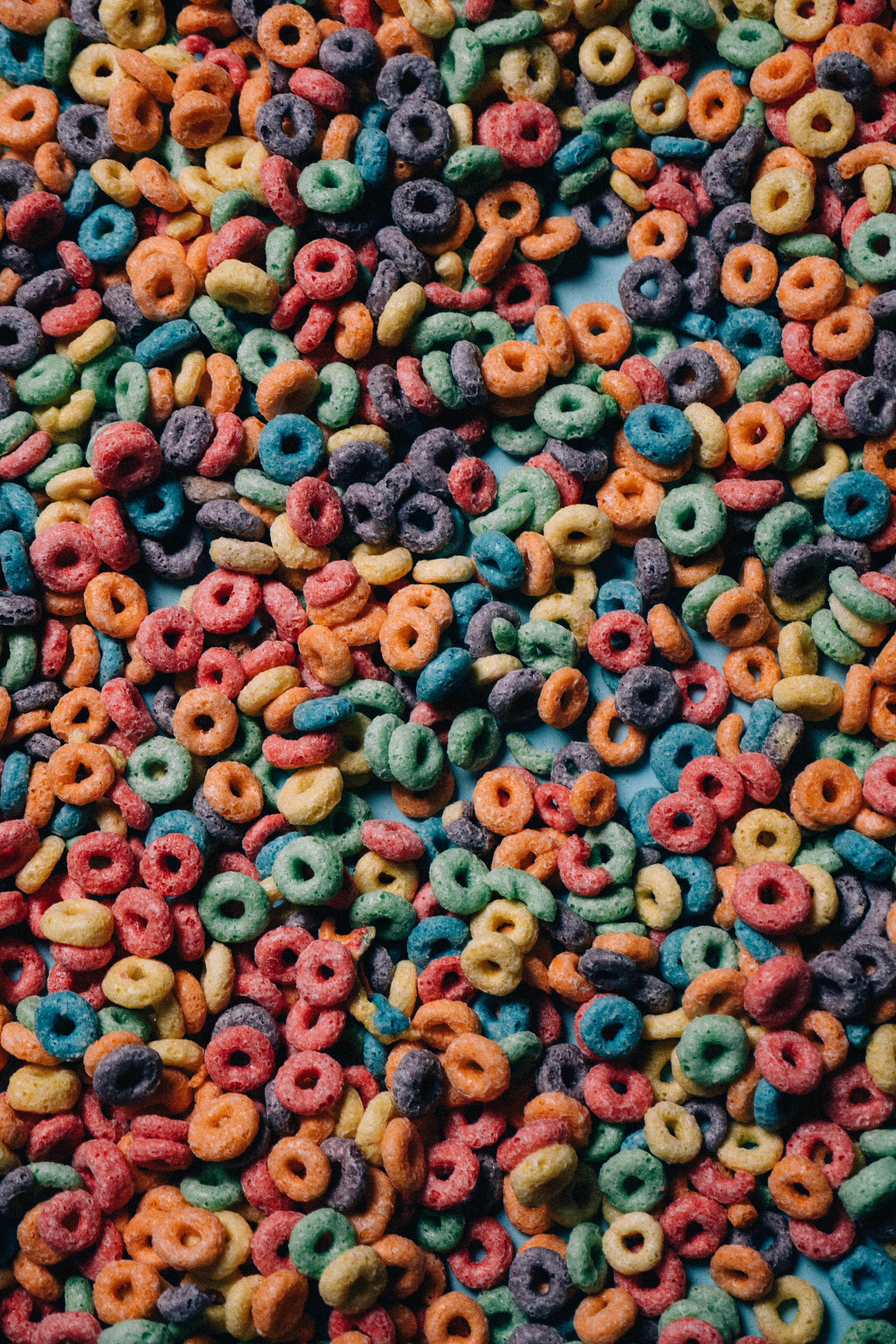
Bright colors sell, especially in cereals, candies, drinks, and snack foods marketed to children. But several synthetic dyes used in the United States have faced tighter scrutiny in Canada, either through narrower approvals, formulation changes, or stronger compliance expectations.
The concern is not purely cosmetic. Some researchers and medical groups have examined possible links between certain synthetic dyes and behavioral effects in sensitive children, while others emphasize allergic-type reactions and cumulative exposure from multiple packaged foods.
In practice, multinational food companies often sell similar products on both sides of the border with different ingredient lists. A cereal or candy sold in America may rely on petroleum-derived dyes, while a Canadian version uses alternative coloring agents or a less aggressive formula.
That does not mean every dyed food is dangerous, but it does highlight a real regulatory philosophy gap. Canada has often been more willing to limit questionable additives before scientific consensus becomes absolute, especially where children are regular consumers.




Leave a Reply