
Dinner now travels through a far more complicated system than most customers realize. In Canada, that hidden system is becoming a major reason food delivery keeps costing more.
Distance is the first cost driver

Canada's food delivery challenge begins with geography. Cities are large, suburbs stretch outward, and many customers live farther from restaurant clusters than they would in denser countries.
That extra distance raises costs in several ways at once. Drivers spend more time per order, fuel consumption rises, and fewer deliveries can be stacked into a single hour.
Even inside major markets like Toronto, Calgary, and Montreal, delivery zones often include neighborhoods separated by highways, rivers, rail lines, or traffic bottlenecks. A short distance on a map can become a slow, expensive trip in practice.
For smaller cities, the problem gets sharper. There may be fewer restaurants, fewer available couriers, and longer travel times between pickup and drop-off, which reduces efficiency for both platforms and restaurants.
Weather turns routine deliveries into expensive ones
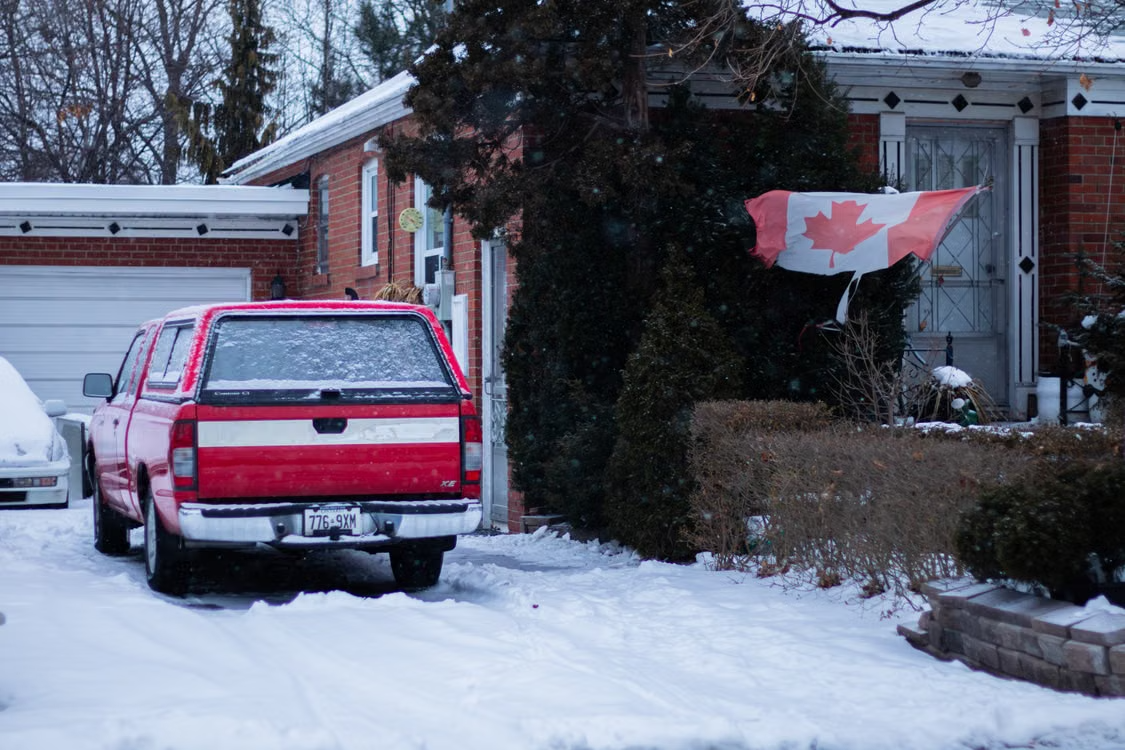
A second Canadian reality is weather. Snow, freezing rain, high winds, and extreme cold regularly disrupt what would otherwise be ordinary delivery routes.
Bad weather slows drivers, increases accident risk, and reduces the number of couriers willing to work. When supply tightens during a dinner rush, platforms often respond with higher delivery charges and surge-style pricing.
Winter also creates hidden restaurant delays. Staff may arrive late, ingredients can be delayed in transit, and pickup areas become congested as drivers wait longer for orders to be packed safely.
In cities such as Winnipeg, Edmonton, and Ottawa, winter conditions can affect delivery performance for months, not days. That means elevated logistics costs are not occasional spikes but a recurring operating reality built into pricing.
Courier economics are under pressure
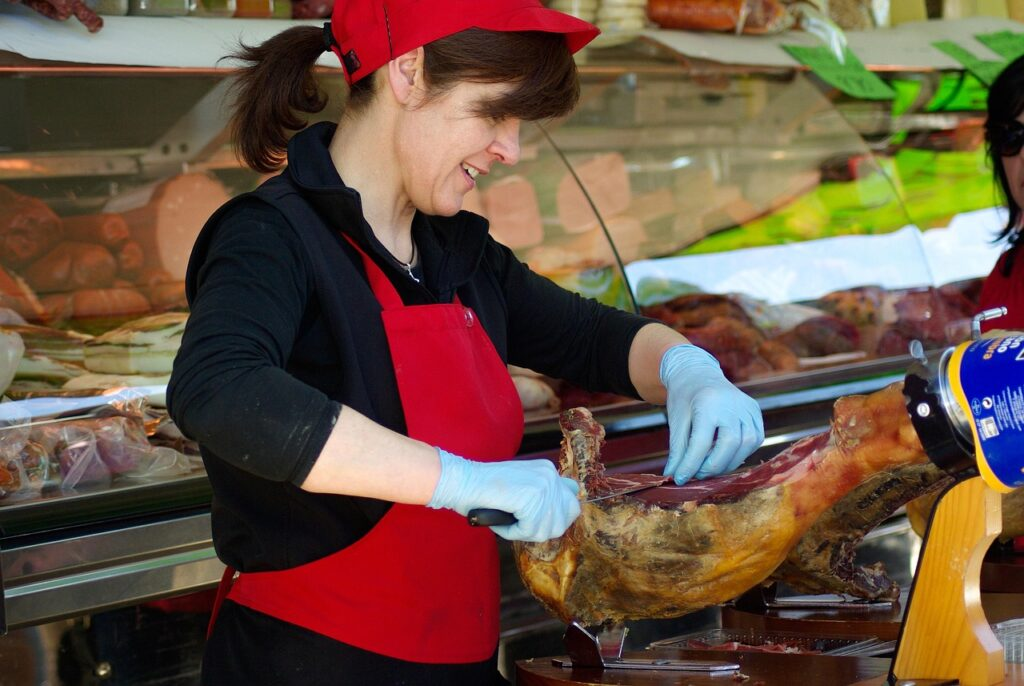
The price of delivery is also tied to the economics of gig work. Couriers face rising fuel bills, vehicle maintenance costs, insurance expenses, and in some provinces, tougher earnings expectations.
Platforms have to balance consumer demand for cheap delivery with the need to keep enough drivers on the road. If pay falls too low, order acceptance rates drop and delivery times lengthen.
Some provinces are also moving toward stronger worker protections. That can include minimum earning standards, better transparency, or compensation rules that increase the cost of each completed trip.
From a customer's perspective, these changes show up as service fees, higher menu prices, or smaller promotional discounts. The app interface may look simple, but the labour model behind it is getting more expensive to sustain.
Restaurants are paying for inefficiency too

Restaurants are not just passing along platform fees. Many are also absorbing operational friction caused by delivery itself.
A busy kitchen serving dine-in, takeout, and app orders at once often needs extra staff, more packaging, and tighter inventory control. If order flow becomes unpredictable, labour scheduling gets harder and food waste can rise.
Packaging is another underestimated cost. Hot items, cold drinks, tamper-evident seals, insulated bags, and spill-resistant containers all add expense, especially as businesses respond to customer expectations around quality and safety.
Independent restaurants feel this most intensely. Large chains may negotiate better packaging prices or build specialized pickup stations, but smaller operators often face the same delivery demands without the same scale advantages.
Canada's supply chain is less flexible than it looks

Many consumers think of food delivery as a local service, but it depends on a wider supply network. Restaurants need reliable access to ingredients, packaging, cleaning products, and replacement equipment.
When transportation costs rise anywhere in that chain, delivery pricing eventually reflects it. Trucking shortages, warehouse costs, and interprovincial freight expenses can all push restaurant operating costs higher.
Canada's vast geography makes supply resilience harder. According to reporting from major business outlets and industry groups, disruptions in one region can ripple outward because distribution networks are concentrated and alternatives are limited.
That is especially true for northern communities and smaller markets, where fewer suppliers and longer shipping routes leave little room for flexibility. Delivery apps may be the visible storefront, but upstream logistics often determine the real price.
Why the fees keep feeling harder to avoid

What frustrates customers most is that many of these costs are structural. They are not simply temporary markups that disappear once inflation cools or promotions return.
Platforms can improve route matching, restaurants can streamline prep, and cities can support better curb access for pickups. Those changes help, but they do not erase distance, weather exposure, labour pressure, or supply-chain complexity.
The likely result is a market where convenience stays popular but becomes more selectively used. Customers may reserve delivery for group meals, bad-weather nights, or time-sensitive situations rather than everyday dining.
That shift is already visible in consumer behavior across Canada. As households watch spending more closely, the real test for delivery companies will be whether they can make the system more efficient without making convenience feel like a luxury.




Leave a Reply