
Some prices tell a bigger story than the item itself. Costco's $1.50 hot dog combo is one of the clearest examples in modern retail.
A loss leader that works harder than it appears
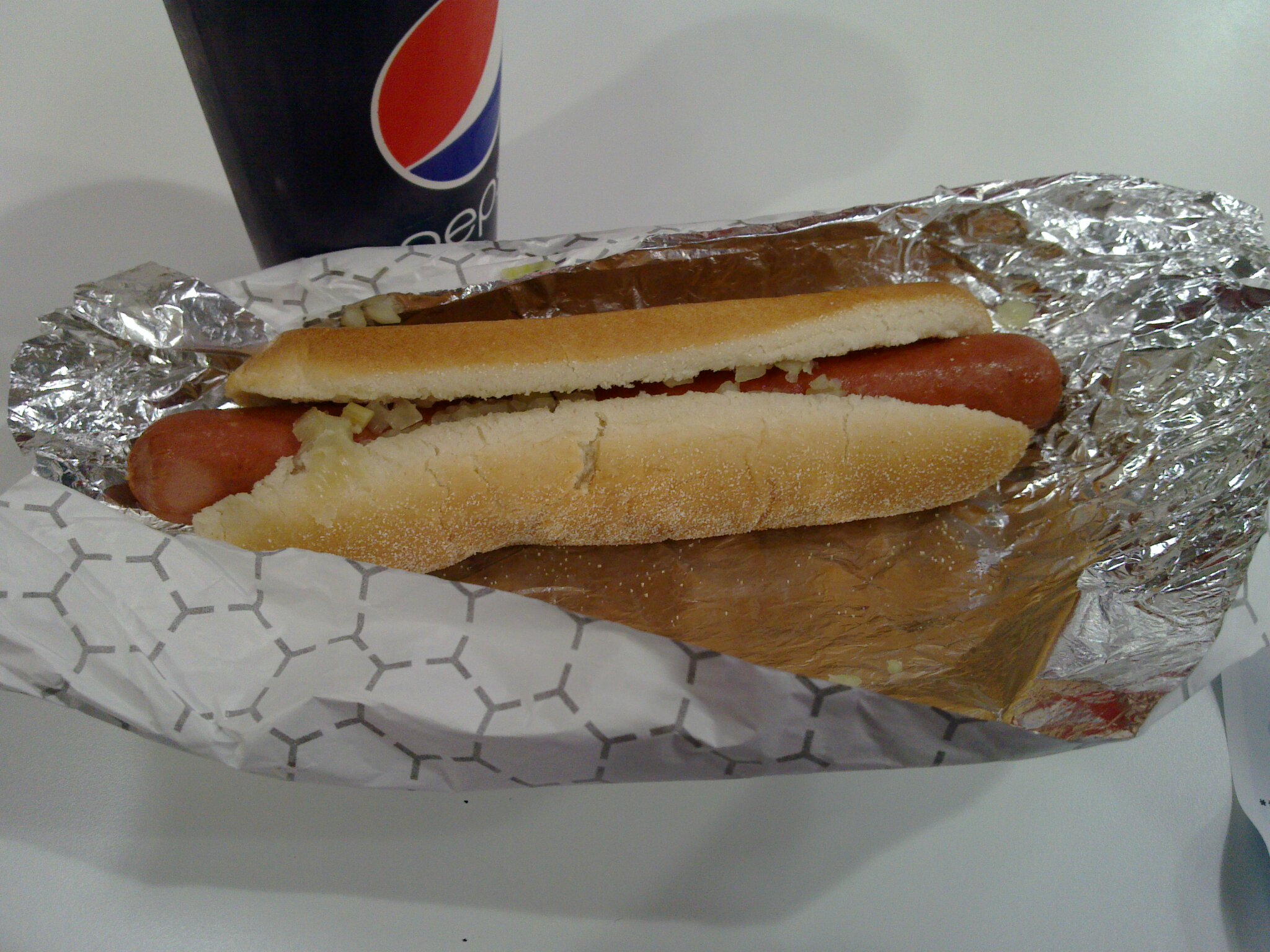
The hot dog is not important because it is profitable on its own. It matters because it functions as a classic loss leader, an item sold at little or no margin to strengthen spending elsewhere.
Retailers have used this strategy for decades, but Costco applies it with unusual discipline. The company wants members to feel that value is built into the business model, not delivered through occasional coupons or flashy promotions.
That distinction matters. A stable, famous bargain lowers customers' mental resistance to paying an annual membership fee, because it reinforces the idea that joining the warehouse club gives access to dependable savings.
Why the unchanged price became a brand promise

Most companies adjust prices quietly when costs rise. Costco did the opposite and turned the $1.50 combo into a public promise, with executives repeatedly describing it as foundational and sacrosanct.
According to Fortune, CEO Ron Vachris recently said the hot dog price will not change as long as he is around. Former finance chief Richard Galanti and current CFO Gary Millerchip have delivered similar assurances.
That consistency transforms a cheap meal into corporate storytelling. Customers are not just buying lunch. They are seeing proof that management understands inflation fatigue and wants at least one part of shopping to feel reassuringly fixed.
Scale, vertical control, and the supply-chain math
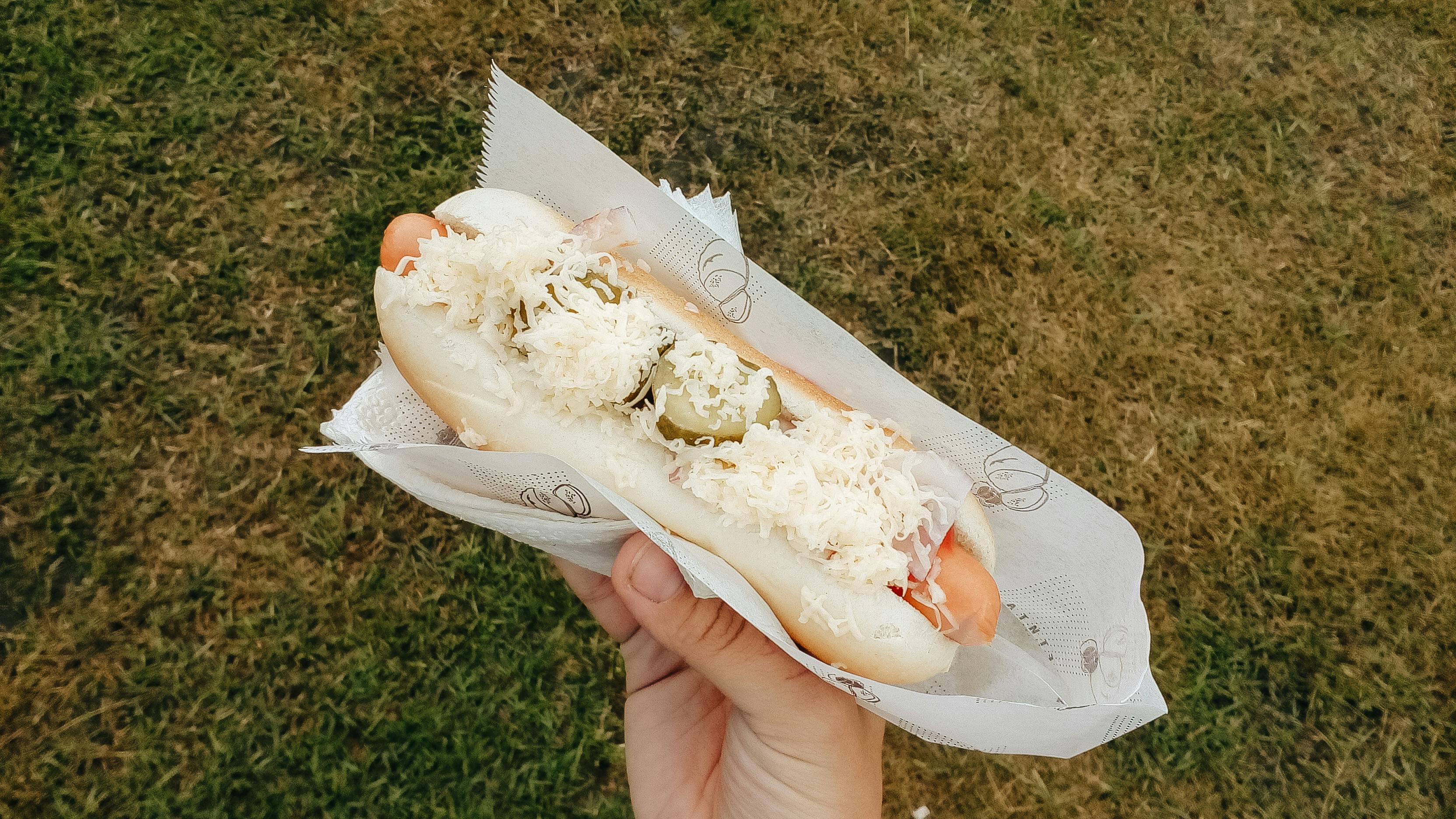
A price can stay low for 40 years only if the underlying system is built for efficiency. Costco's enormous purchasing scale gives it leverage on ingredients, packaging, distribution, and food-court operations.
The company has also increased control over production. Years ago, Costco moved to produce more of its own hot dogs, reducing dependence on outside suppliers and giving itself more room to defend the headline price.
Even the drink side shows the same logic. As Fortune noted, Costco once switched from Coca-Cola to Pepsi when contract terms made savings possible, showing that sentiment never fully overrides hard procurement math.
The membership model changes the economics
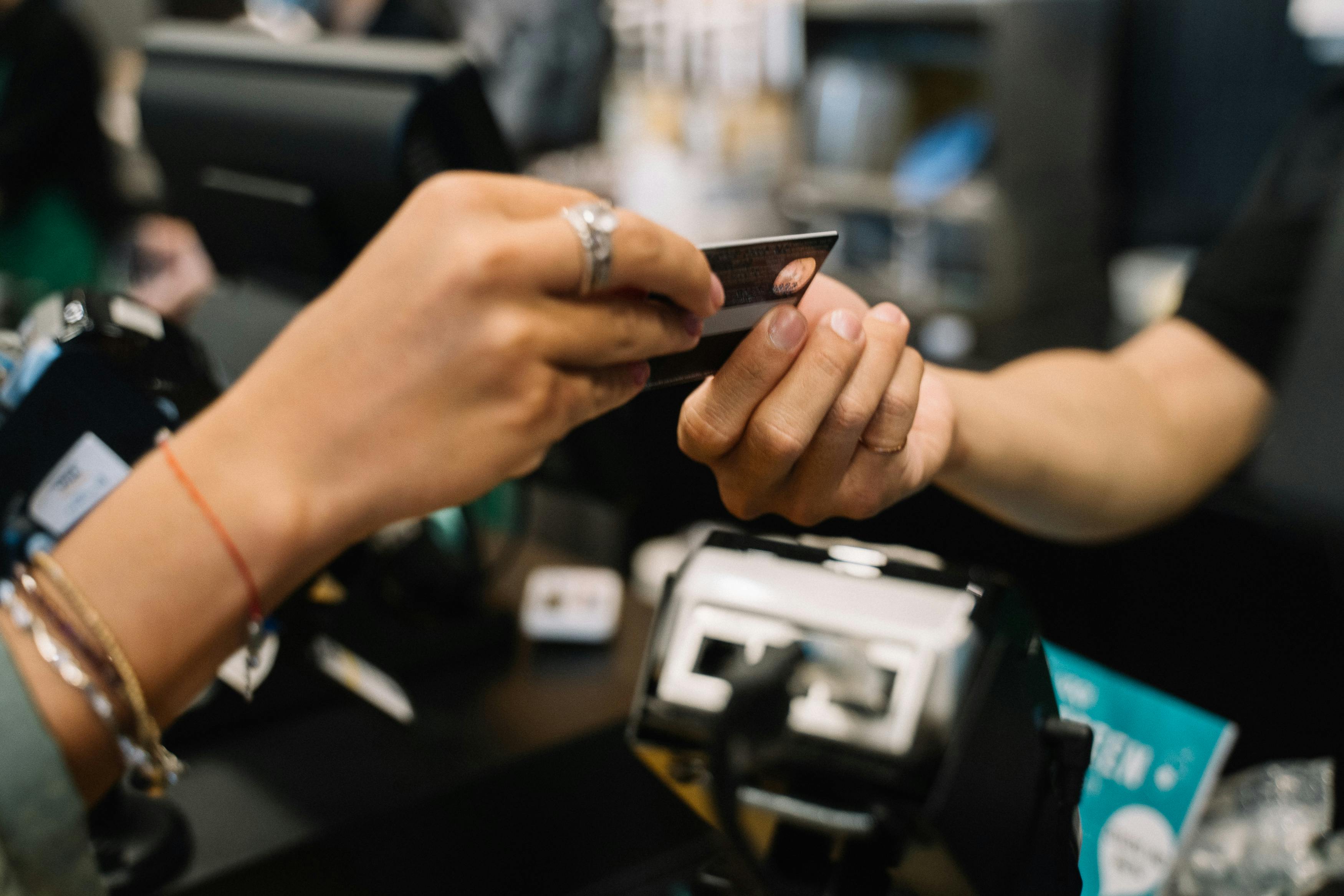
The simplest way to understand the hot dog is this: Costco does not need to make meaningful money on it if the combo helps protect the broader membership ecosystem.
Membership fees are a major source of profit for the company, and renewal rates have historically been very strong. That gives Costco room to treat some food-court items as trust-building tools rather than stand-alone earnings engines.
A satisfied member is worth far more than 1 lunch sale. If a family renews each year, shops in bulk, and fills a cart with higher-margin private-label goods, the hot dog has already done its financial job.
Why the combo matters more in an inflation-stressed economy

The symbolic power of the $1.50 combo has grown as everyday eating costs climbed. Fortune cited Consumer Price Index data showing food away from home prices rose 4.1% from December 2024 to December 2025.
In that environment, an unchanged price from 1985 becomes more than nostalgia. It becomes a marker of stability for shoppers who feel that nearly every routine purchase is getting harder to manage.
That helps explain why rivals keep launching value deals. McDonald's, Wendy's, KFC, Taco Bell, and even Sweetgreen have leaned harder into budget offers, but Costco's advantage is that its bargain never looks temporary.
The real payoff is trust, traffic, and lifetime value

The hidden economics are ultimately about customer lifetime value. Costco sacrifices margin on a famous item to generate store traffic, emotional goodwill, and repeated proof that its value claims are real.
That trust has compounding effects. Members who believe Costco protects their wallet are more likely to spend freely on groceries, gas, appliances, and seasonal merchandise without scrutinizing every line item.
So the $1.50 hot dog survives not because economics do not apply, but because Costco understands them unusually well. The combo is cheap by design, powerful as a signal, and far more valuable than its price suggests.

Leave a Reply