
Sticker shock is part of everyday life in Canada's North. In many communities across Yukon, the Northwest Territories, and especially Nunavut, ordinary groceries can cost far more than shoppers in southern cities would ever expect.
Fresh milk is one of the clearest examples
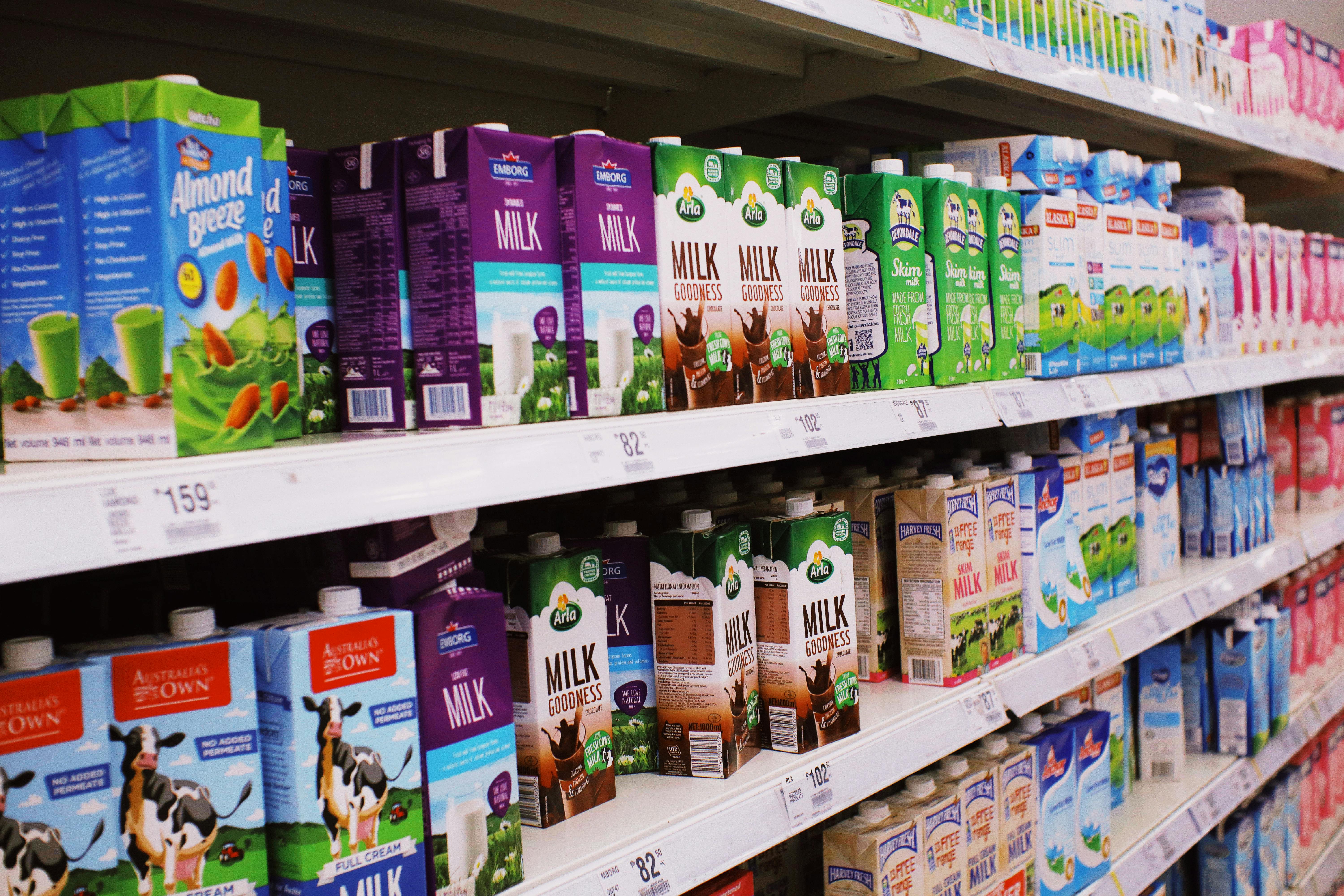
A jug of milk quickly shows how geography affects food prices. In southern Canada, a 4-litre bag or jug is a routine weekly purchase, often sold through highly competitive chains with steady truck access and large refrigerated backrooms.
In the territories, milk is expensive because it is heavy, perishable, and difficult to transport. Many communities rely on long supply lines, seasonal sealifts, winter roads, or costly air freight when weather or infrastructure interrupts regular delivery.
That combination pushes prices sharply higher. In Nunavut communities, milk can sell for roughly double southern prices, and sometimes more, particularly in smaller fly-in locations where spoilage risk and refrigeration costs are built into every shipment.
Fresh produce often carries the biggest premium
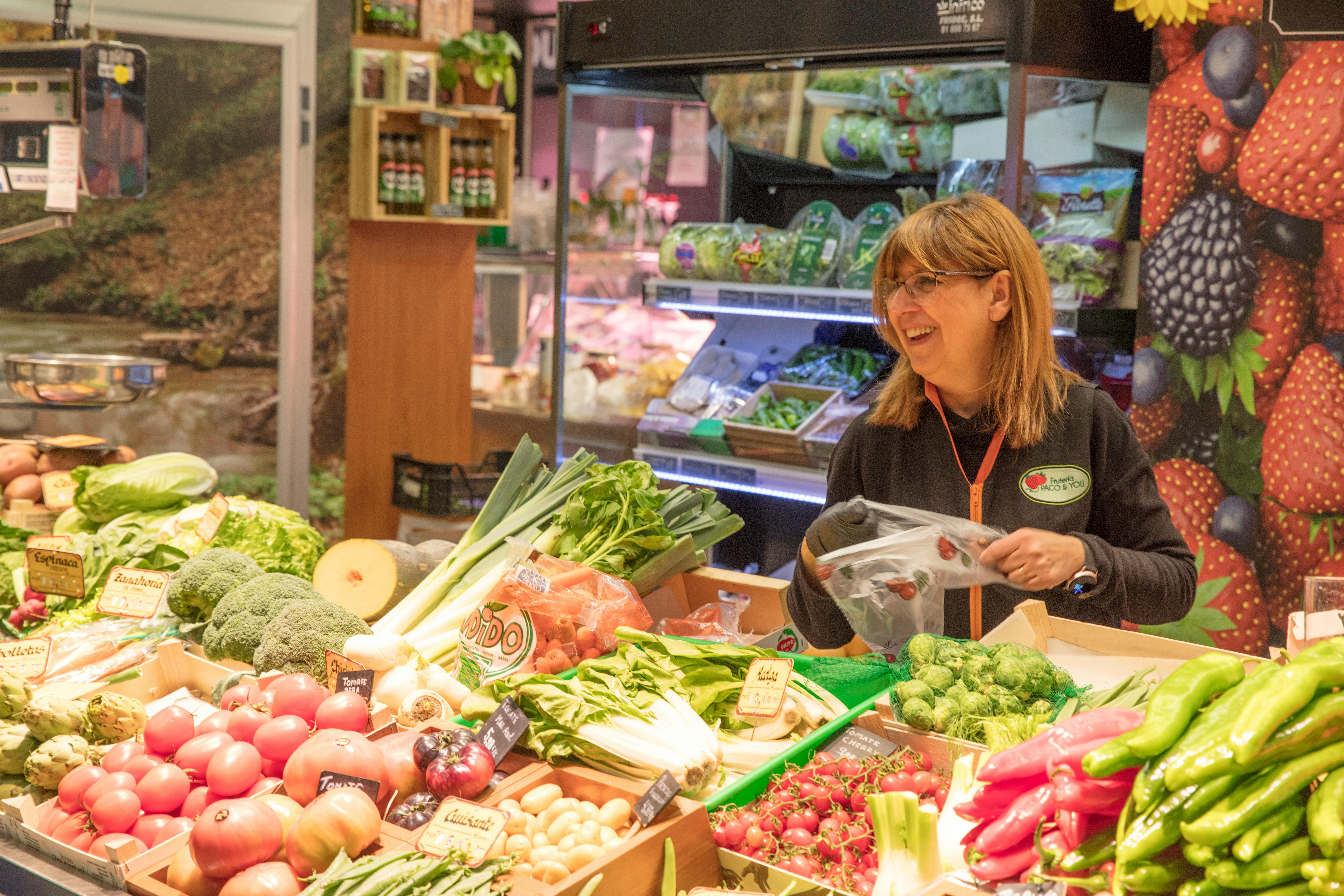
Lettuce, berries, tomatoes, and grapes reveal the true cost of distance. These foods bruise easily, have short shelf lives, and need temperature-controlled shipping from southern distribution hubs before they ever reach a northern shelf.
A head of lettuce or a clamshell of strawberries may already be costly in a southern city during winter. Add handling, fuel, warehouse cooling, and a smaller turnover rate, and the same item in the territories can become a luxury rather than a staple.
Residents and local advocates have long pointed out that quality is part of the problem too. Shoppers may pay nearly double for produce that arrives less fresh, forcing households to choose hardier vegetables like cabbage, carrots, and potatoes instead.
Eggs and butter rise fast because they are fragile staples

Eggs seem simple, but they are expensive to move safely. They need careful packing, steady cold-chain storage, and frequent replenishment, because retailers cannot overstock fragile products that may crack or expire before they sell.
Butter follows a similar pattern. It is dense, temperature-sensitive, and usually travels a long route before reaching smaller northern stores, where electricity, refrigeration, and storage overhead are all higher than in southern population centres.
These are staple items with no easy substitute for many families. That is why a dozen eggs or a block of butter can feel especially frustrating at checkout, often landing near double the price seen in major southern supermarkets.
Bread, cereal, and flour show that even basics are not cheap

Not all high-priced foods are perishable in the usual sense. Bread and cereal still cost more because freight charges apply to packaged goods too, and low sales volume means stores cannot spread operating costs across the same customer base.
Bread is especially tricky because freshness matters. A loaf shipped over long distances may have less shelf life left when it arrives, which increases waste risk and encourages retailers to price higher to cover losses.
Flour and other pantry basics also reflect northern reality. Even when products store well, they still pass through expensive distribution networks, and those logistics can make everyday items like oatmeal, pasta, and baking supplies surprisingly costly.
Meat and frozen foods are hit by cold-chain costs

People often assume frozen food should be easier to manage in a cold climate. In reality, keeping meat, chicken, and frozen meals at safe temperatures through loading, flights, storage, and retail display requires an uninterrupted and expensive cold chain.
That means every step matters, from fuel prices to freezer maintenance. If equipment fails or shipments are delayed, losses can be severe, and those risks are reflected in what consumers pay at the store.
Beef and chicken frequently illustrate the gap most clearly. Cuts that are affordable in Edmonton, Winnipeg, or Ottawa can cost close to twice as much farther north, especially in remote communities without road access for much of the year.
Why prices stay high and what northern shoppers do about it

The issue is bigger than one expensive carton of milk or one overpriced head of lettuce. Sparse populations, limited retail competition, high commercial power bills, labor costs, and difficult transportation routes all shape the final sticker price.
Federal support programs have tried to narrow the gap, including subsidies aimed at lowering the shelf price of nutritious perishables in isolated communities. Critics, however, have questioned how evenly those savings reach consumers and how transparent pricing really is.
Northern households respond with a mix of planning and adaptation. Families buy in bulk when possible, rely on country foods and community sharing networks, choose shelf-stable staples carefully, and watch flyers closely because every grocery trip carries real financial weight.



Leave a Reply