
Traditional knowledge is moving from the margins back to the center of school life. A new grant program is giving Indigenous schools resources to teach fishing, harvesting, and food practices that communities have protected for generations.
Why this funding matters now

For many Indigenous communities, traditional food systems are not simply about nutrition. They are tied to language, ceremony, seasonal knowledge, and responsibilities to land and water. When schools teach these practices, they are not adding an elective. They are restoring a living framework of education.
The urgency is real. Across North America, elders have warned that knowledge once passed naturally between generations has been disrupted by displacement, residential and boarding school policies, and limits on access to ancestral lands. Funding aimed at schools recognizes that recovery requires structure, staff time, transportation, gear, and safety planning.
This kind of support also reflects a broader policy shift. Governments, nonprofits, and tribal education leaders increasingly see land-based learning as essential, not peripheral. Grant dollars can help turn that recognition into durable programs rather than one-time cultural events.
What the grant program is designed to support

At its core, the program pays for practical learning. That can include nets, rods, cold storage, boats, waders, smoking racks, filleting tools, and classroom materials that connect harvesting with ecology, history, and community law. In many places, it also covers honoraria for elders and local knowledge keepers.
The strongest versions of these grants go beyond equipment. They fund field trips to rivers, lakes, and coastal areas, support curriculum writing, and give schools flexibility to align lessons with local seasons. A salmon-focused community will teach differently from a Great Lakes fishing nation or an Arctic coastal school, and the funding model needs to respect that.
Some schools may also use funds for school kitchens, preservation training, and student-led community meals. That matters because traditional food education does not end at the catch. Cleaning, drying, smoking, sharing, and understanding when not to harvest are all part of the lesson.
How traditional fishing becomes academic learning
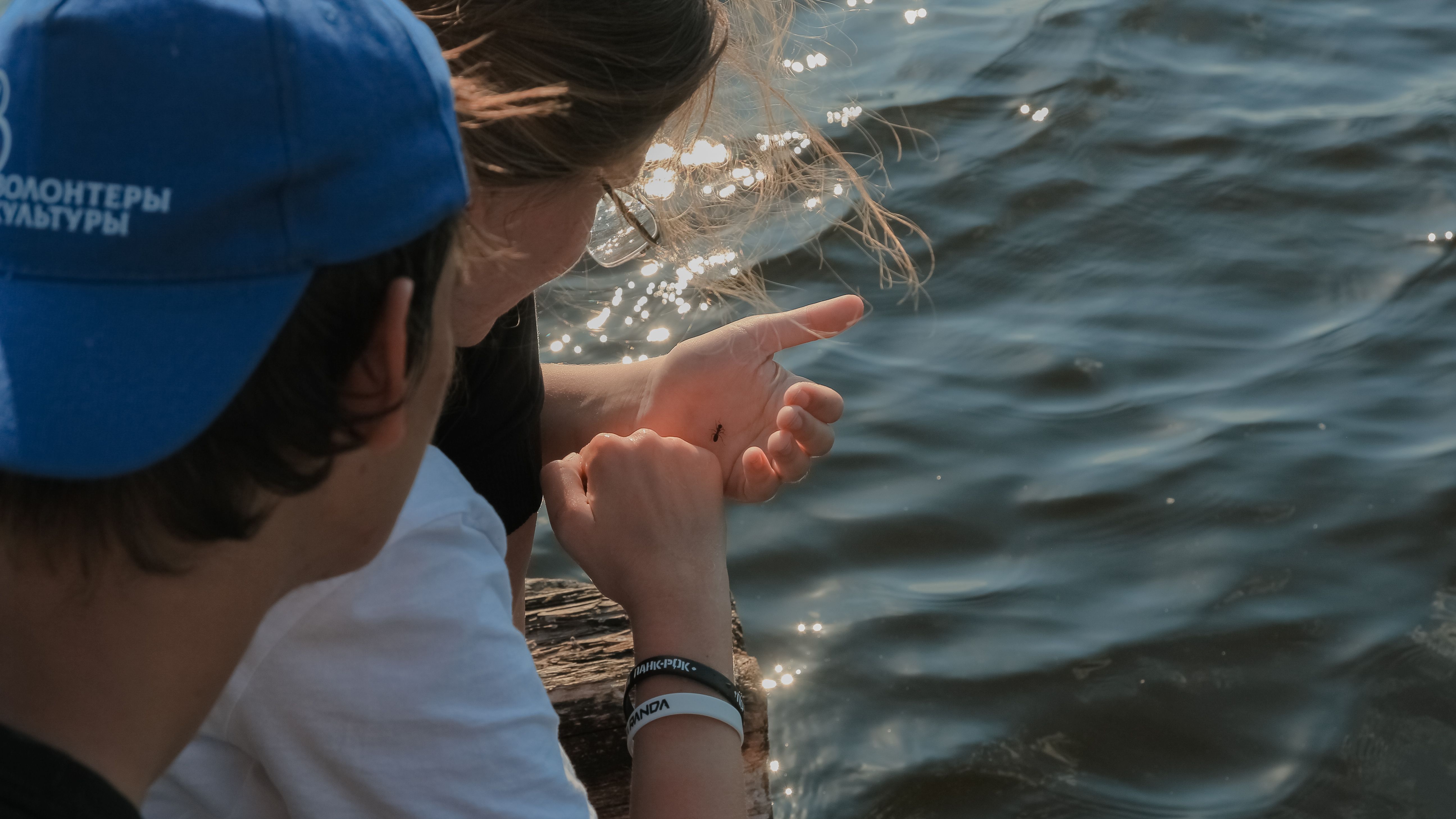
A fish camp or harvesting trip can teach far more than technique. Students measure water temperature, track species patterns, study habitat change, and learn how pollution, dams, and climate shifts affect spawning cycles. Science becomes tangible when young people observe these systems directly.
Math enters naturally through net measurements, catch counts, fuel planning, portioning, and seasonal yield estimates. Language learning also deepens when students use Indigenous names for species, tools, winds, waterways, and preparation methods. In communities working to revitalize endangered languages, food lessons can become powerful vocabulary anchors.
There is also a civic dimension. Students learn treaty rights, fisheries governance, conservation rules, and the ethics of reciprocity. That combination of culture and policy helps explain why traditional food education is both heritage preservation and serious contemporary education.
The benefits for students and communities

One of the clearest gains is student engagement. Educators have long found that hands-on, place-based instruction improves attendance and strengthens connection to school, especially when students can see their families and traditions reflected in what is taught. Learning feels relevant because it is relevant.
Health benefits can follow as well. Traditional diets often include nutrient-dense foods and lower reliance on ultra-processed alternatives, although access varies widely by region and contamination concerns still require close monitoring. Schools that pair harvesting lessons with food safety and preparation can support both cultural and physical well-being.
Communities benefit when knowledge circulates again. Elders are recognized as teachers, families are invited into school activities, and students gain confidence by contributing to shared meals or seasonal harvest work. That can help rebuild intergenerational ties that formal schooling once weakened.
The challenges schools still have to navigate

Funding alone does not erase structural barriers. Many communities face high transportation costs, aging equipment, insurance concerns, and complicated rules around access to fishing areas. Remote schools may also struggle to hire staff who can coordinate outdoor education while meeting regular academic demands.
Climate change adds another layer of uncertainty. Warmer waters, altered migration timing, erosion, wildfire smoke, and unsafe ice conditions can all disrupt traditional teaching calendars. A program built around flexibility is more likely to succeed than one expecting the same schedule every year.
There is also the question of continuity. If grants last only a year, schools may launch promising efforts that become difficult to sustain. Long-term success depends on stable funding, community leadership, and policies that treat Indigenous knowledge as foundational expertise rather than supplemental culture.
What lasting success could look like

The most promising outcome is not a single celebrated project. It is a school system where traditional food knowledge is woven into science, history, language, health, and community life year after year. That kind of integration gives students continuity instead of occasional exposure.
Successful programs will likely be locally designed. Communities know which fish runs matter, which teachings can be shared in public education settings, and which practices require ceremony or restricted knowledge protocols. Respecting that authority is central to ethical grantmaking.
If this funding model expands, it could become a template for Indigenous-led education more broadly. Teaching traditional fishing and food practices is about much more than preserving the past. It is about sovereignty, ecological literacy, student belonging, and the right of communities to educate children through their own knowledge systems.




Leave a Reply