
Canadians notice it fast. A familiar box, bag, or tub suddenly feels lighter, smaller, or emptier, yet the price tag barely moves.
What shrinkflation actually means in Canada

Shrinkflation is not a legal term, but a market behavior. It happens when a product's quantity drops while the sticker price stays the same or increases, making the unit cost quietly jump.
In Canada, this shows up everywhere from cereal and chips to coffee, frozen foods, and paper products. A 500 g package may become 450 g, or a 12-pack may become 10, even though the packaging still looks strikingly familiar on the shelf.
What matters is that consumers are not usually being charged for missing product by accident. They are being offered a different quantity at a price the seller chooses, and that distinction is exactly why regulators often do not treat shrinkflation as automatically unlawful.
The loophole is simple: disclosure, not fairness

The key legal loophole is that Canadian law generally requires accuracy, not price fairness. If the package correctly states the net quantity, and the advertised price matches what the customer pays at checkout, the basic legal requirement is often met.
That means a manufacturer can legally reduce 750 mL to 680 mL or 900 g to 800 g without making a bold announcement. The law does not usually require a front-of-package warning saying "now smaller," unless the company makes a claim that is itself misleading.
This is why shrinkflation feels deceptive without always crossing the legal line. The package can look nearly identical, the branding can remain unchanged, and the shelf placement can stay the same, yet the product is still considered compliant if the quantity statement is truthful.
Which laws and regulators matter most

Canada's Competition Act can apply if a company makes materially false or misleading representations to the public. The Consumer Packaging and Labelling Act also requires prepackaged goods to display accurate net quantity, identity, and dealer information.
Measurement Canada plays a role in some sectors involving measured goods, while the Canadian Food Inspection Agency oversees many food labelling rules. Provincial consumer protection laws can also matter, especially if pricing practices or representations confuse shoppers.
Still, none of these rules create a broad ban on reducing package size. They focus on whether information is false, omitted in a legally significant way, or presented so misleadingly that an average consumer would be deceived in a material respect.
When shrinkflation could become illegal

The legal risk rises when a company goes beyond quiet downsizing and starts creating a misleading impression. If packaging uses a larger container with excessive empty space, or "slack-fill," scrutiny can increase if that emptiness serves no functional purpose and misleads buyers.
Problems can also arise if a label highlights value in a way that is no longer true. A claim like "same great amount," "family size," or "better value" could attract attention if the quantity was reduced and the messaging implies otherwise.
Retail pricing can trigger issues too. If shelf labels, scanner prices, or unit pricing are inaccurate, consumers may have a clearer complaint. In that case, the problem is not merely shrinkflation, but a potentially deceptive or incorrect representation at the point of sale.
Why shoppers feel misled anyway

The real controversy is psychological as much as legal. Companies often preserve the old visual cues, such as box height, bag width, color scheme, and branding, which encourages shoppers to assume they are buying the same amount they bought before.
Behavioral research has long shown that most people shop quickly and rely on habit. They compare shelf prices more often than grams or millilitres, which is why a subtle quantity change can slip by even careful consumers in a busy grocery aisle.
That gap between legal disclosure and real-world notice is where public anger grows. Consumer advocates and several politicians in Canada have argued for clearer unit pricing and more obvious size-change disclosures because technical compliance does not always feel like honest communication.
What Canadians can do and what may change
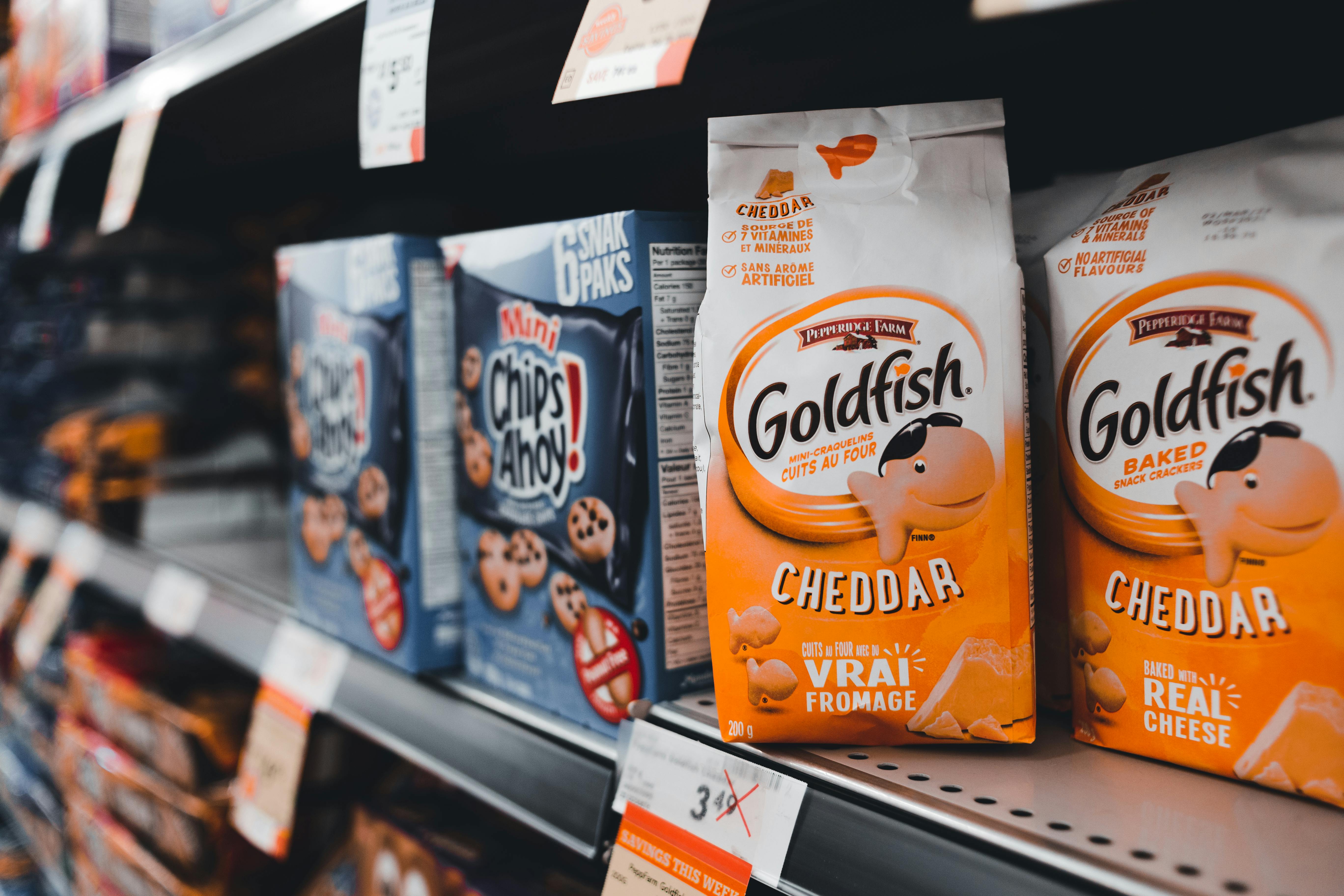
The most effective protection is unit pricing, which shows cost per 100 g, per kilogram, or per litre. Where it is displayed clearly, shoppers can spot that a smaller package at the same price is really a hidden increase, not a neutral redesign.
Consumers can also file complaints with the Competition Bureau, provincial consumer agencies, or the retailer when packaging or pricing seems misleading. Complaints are stronger when they include photos, old and new package sizes, receipts, and screenshots of promotional claims.
Policy change is possible, but it would require governments to demand more than mere technical accuracy. If Ottawa or the provinces ever require standardized unit pricing or mandatory notice of size reductions, the loophole that keeps shrinkflation legal would narrow considerably.




Leave a Reply