
Most shoppers notice the higher price first. What often slips by is how quietly the product itself has changed.
Smaller packages that look almost identical

The oldest trick is still the most effective: keep the package familiar while shaving off grams, millilitres, or sheets. A bag of chips may lose 20 g, a yogurt tub may drop from 750 g to 650 g, or a paper towel pack may carry fewer rolls while the bag design stays nearly the same.
Retail analysts in Canada have noted that visual consistency matters because shoppers buy fast and rely on color, shape, and branding cues. If the front panel looks unchanged, many people assume the amount inside is unchanged too. That is especially true in busy grocery aisles where comparison shopping happens in seconds.
This tactic works best when the reduction is small enough to avoid outrage but large enough to improve margins. For manufacturers and retailers facing higher transport, labour, and ingredient costs, trimming size can protect the sticker price. For shoppers, the true increase only appears when they check the unit price.
Same price, lower count inside multi-packs
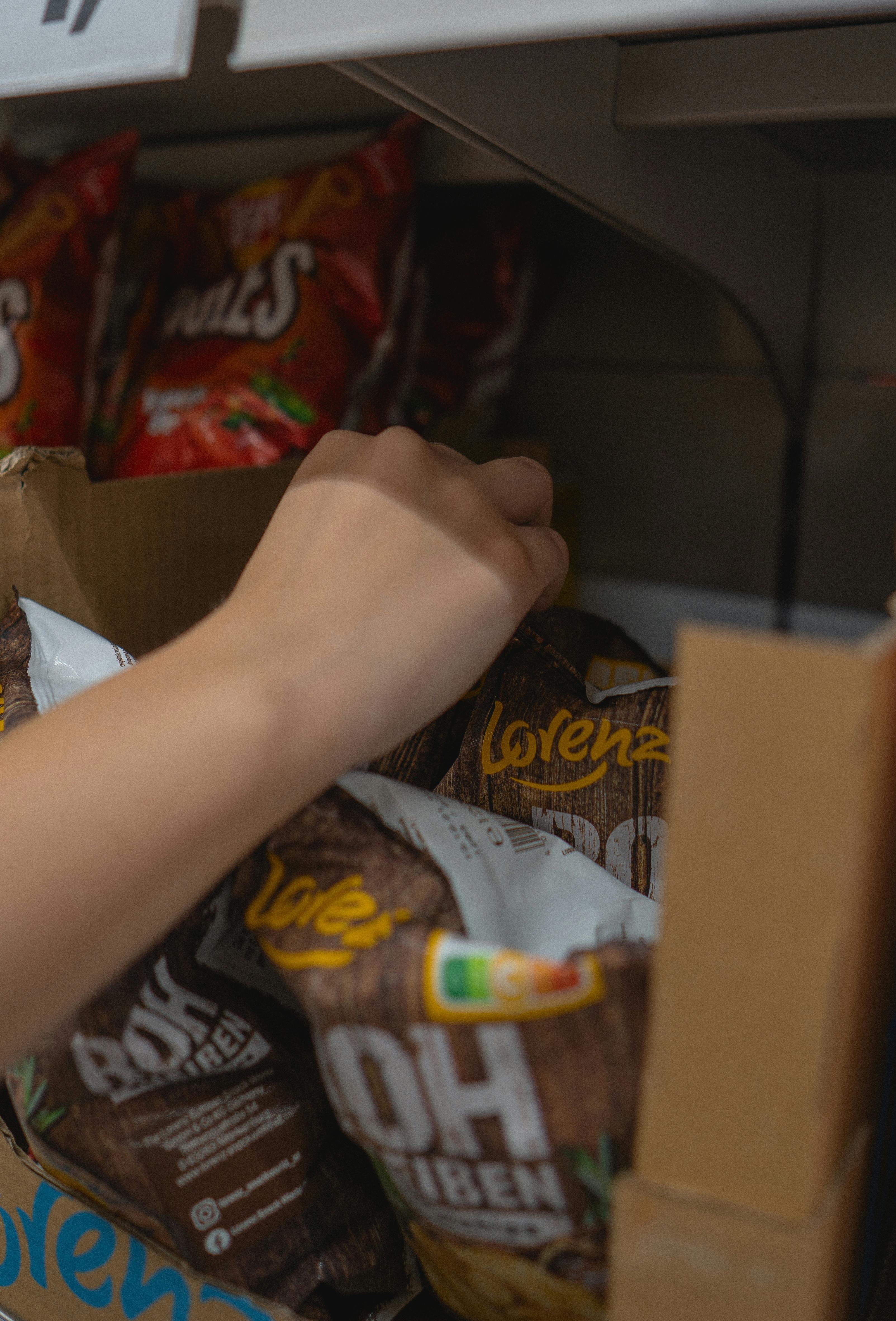
Multi-packs create another easy place to hide a reduction. A box that once held 12 granola bars might now contain 10, or a case of sparkling water may fall from 12 cans to 10 while keeping roughly the same shelf price and near-identical carton dimensions.
Consumer advocates often point out that families are especially vulnerable to count-based downsizing because they buy in bulk for convenience. A parent grabbing lunchbox snacks may not immediately notice that the bars are fewer, only that the box looks familiar and the price feels normal compared with recent inflation.
Stores benefit because the headline price appears stable, which reduces shopper resistance. Yet the cost per item climbs quickly. In categories like coffee pods, frozen treats, and snack foods, count reductions can produce a meaningful hidden price increase without requiring a visible shelf-tag jump.
Package redesigns that distract from size cuts
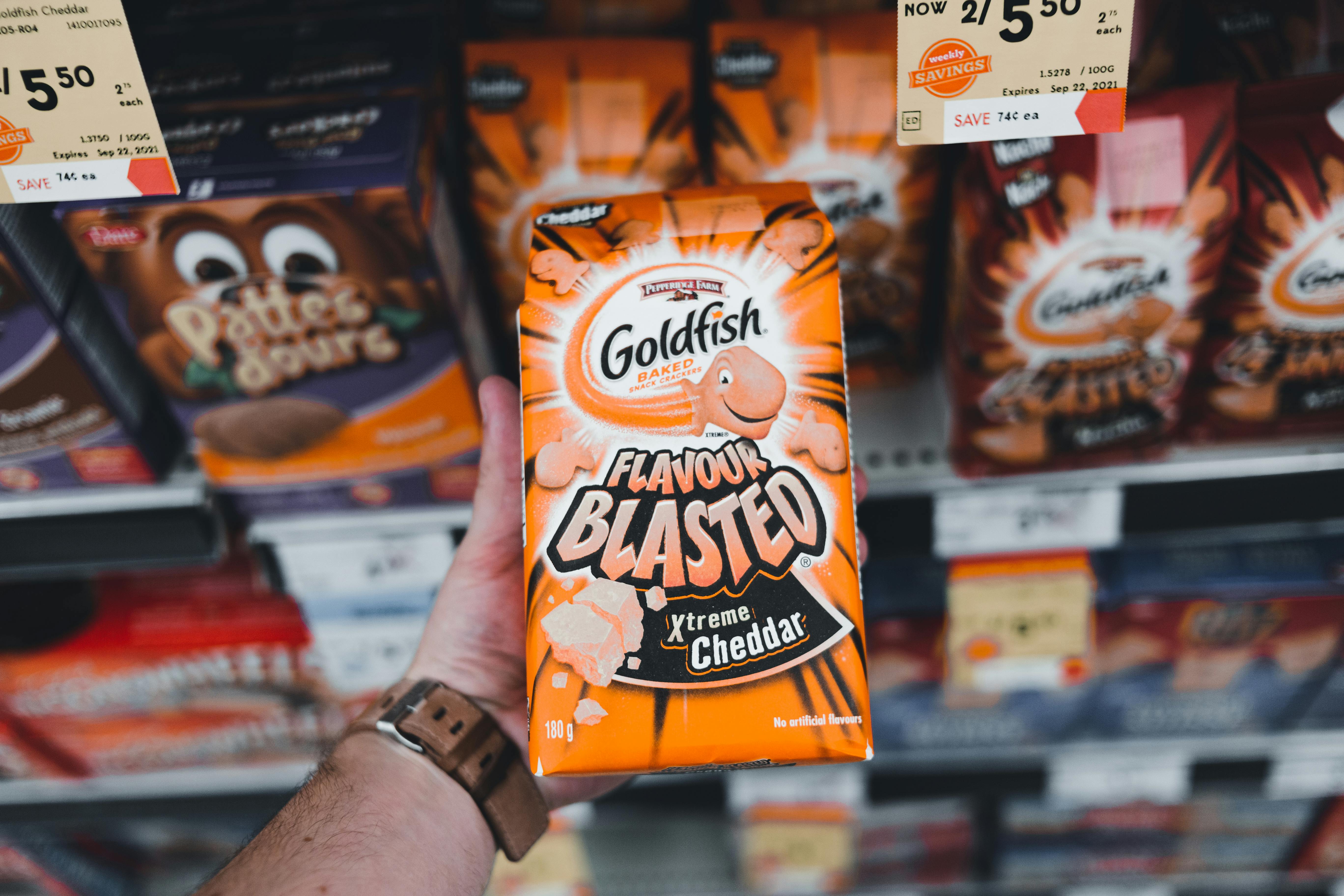
A fresh package design can do more than modernize a brand. It can also redirect attention away from a smaller net weight. New fonts, brighter colors, seasonal labels, and sustainability messaging often arrive at the same moment a product becomes lighter, narrower, or less full than before.
Marketing experts have long observed that redesigns reset consumer perception. When shoppers see a new look, they expect change and focus on what feels improved. That makes it easier for a manufacturer to introduce a reduced size without making the downsizing the main story on shelf.
In Canada, this is especially common in competitive grocery categories where brands want to signal value despite rising costs. A "new look" badge can become the visual headline while the fine-print weight quietly changes. Unless buyers compare old and new packages side by side, the reduction often goes unnoticed.
More air, space, or water in the product
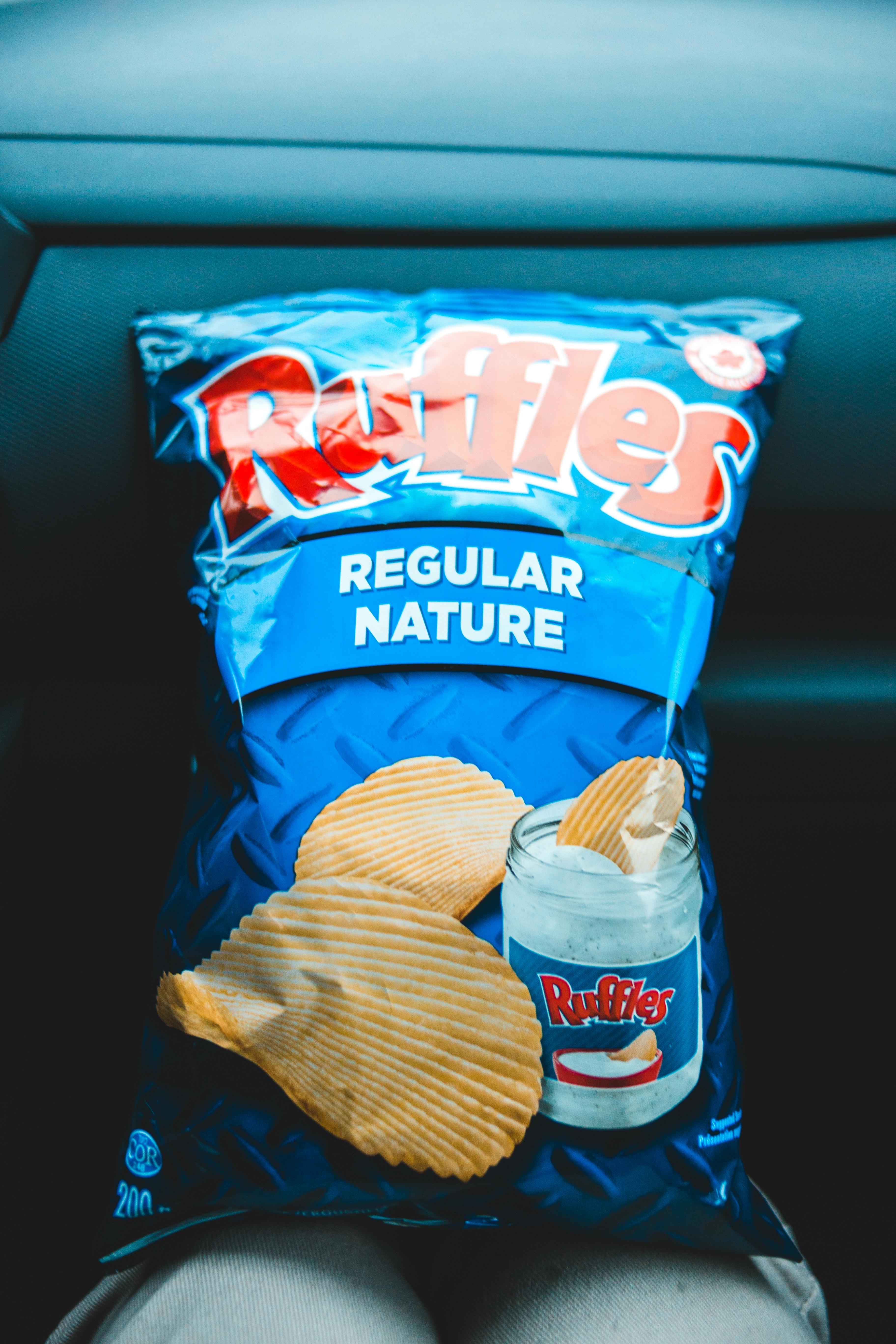
Sometimes the product count does not change much, but what fills the package does. Snack bags can contain more empty space, frozen foods may use glazes or coatings more heavily, and liquid products may be reformulated in ways that make the item feel less substantial to the buyer.
There are legitimate reasons for some empty space, such as protecting chips during shipping. But packaging specialists say those allowances can also blur the line between functional design and perceived value. A large bag suggests abundance even when the actual weight printed on the label tells a different story.
This method is effective because people often judge value by volume and appearance before reading details. In products like cereal, crackers, and frozen seafood, a bigger box or puffier bag can create the impression of generosity. The shopper pays for what looks full, even when the measurable quantity says otherwise.
Formula changes that reduce cost, not sticker shock
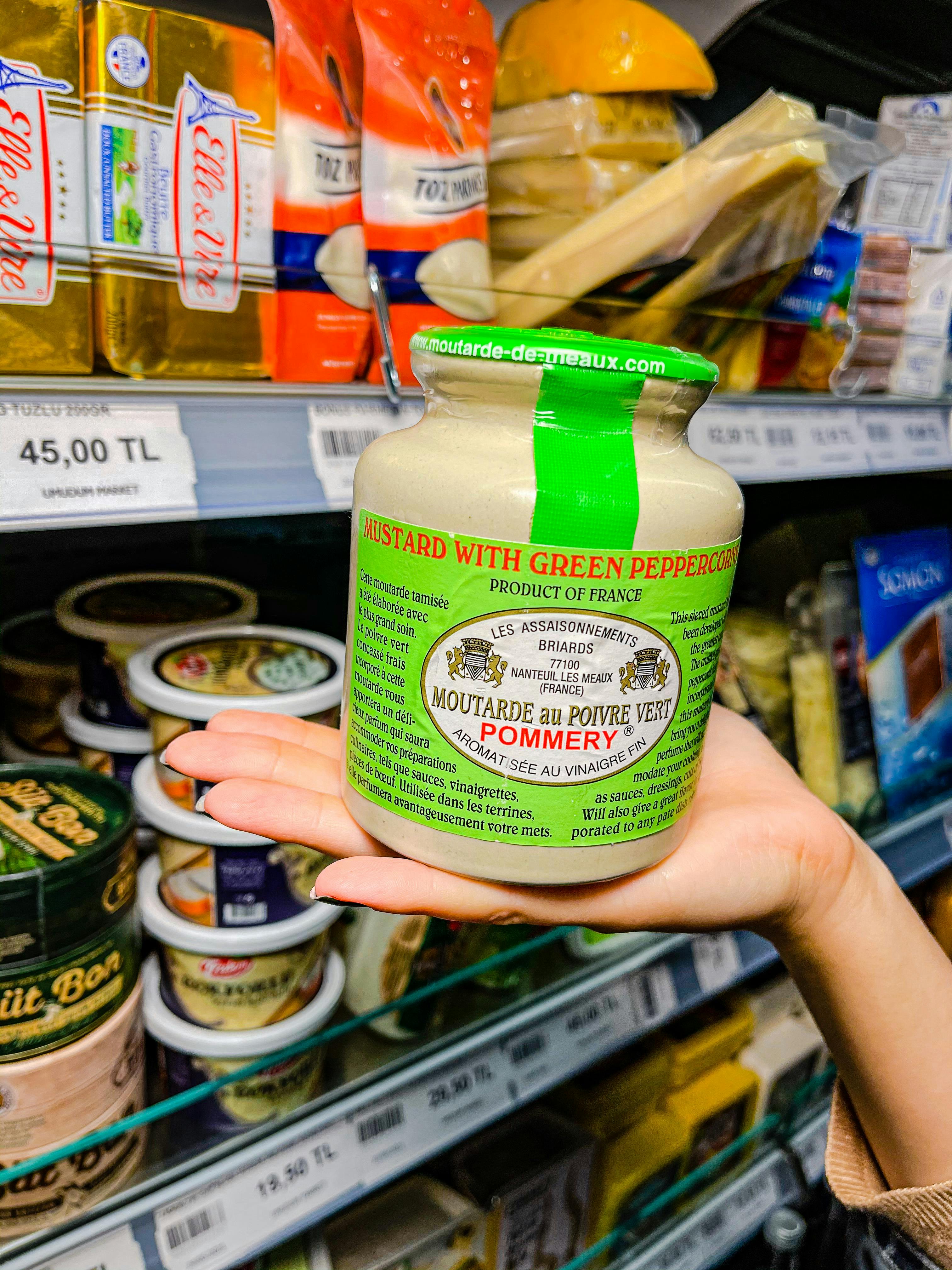
Not all shrinkflation is about size. Sometimes stores and suppliers preserve the package weight while changing what is inside. Cheaper oils may replace pricier fats, more water may be added to sauces, or premium ingredients may be reduced, allowing the product to cost less to make without announcing a lower standard.
Food economists often describe this as a value shift rather than a size shift. The label may still show the same net amount, but the eating experience changes through texture, flavor, or density. Shoppers may sense the difference before they can explain it, especially in staples they buy repeatedly.
For retailers, this is one of the least visible ways to protect margins. For consumers, it is harder to track than a reduced gram count because it requires reading ingredient lists and noticing subtle quality changes over time. In practice, paying the same for less value can feel just as costly as getting less product.



Leave a Reply