
A routine grocery run looks very different in Canada's North. One of the clearest examples is milk, a staple that can cost about twice as much in Nunavut as it does in Ontario.
Milk's price gap is impossible to miss
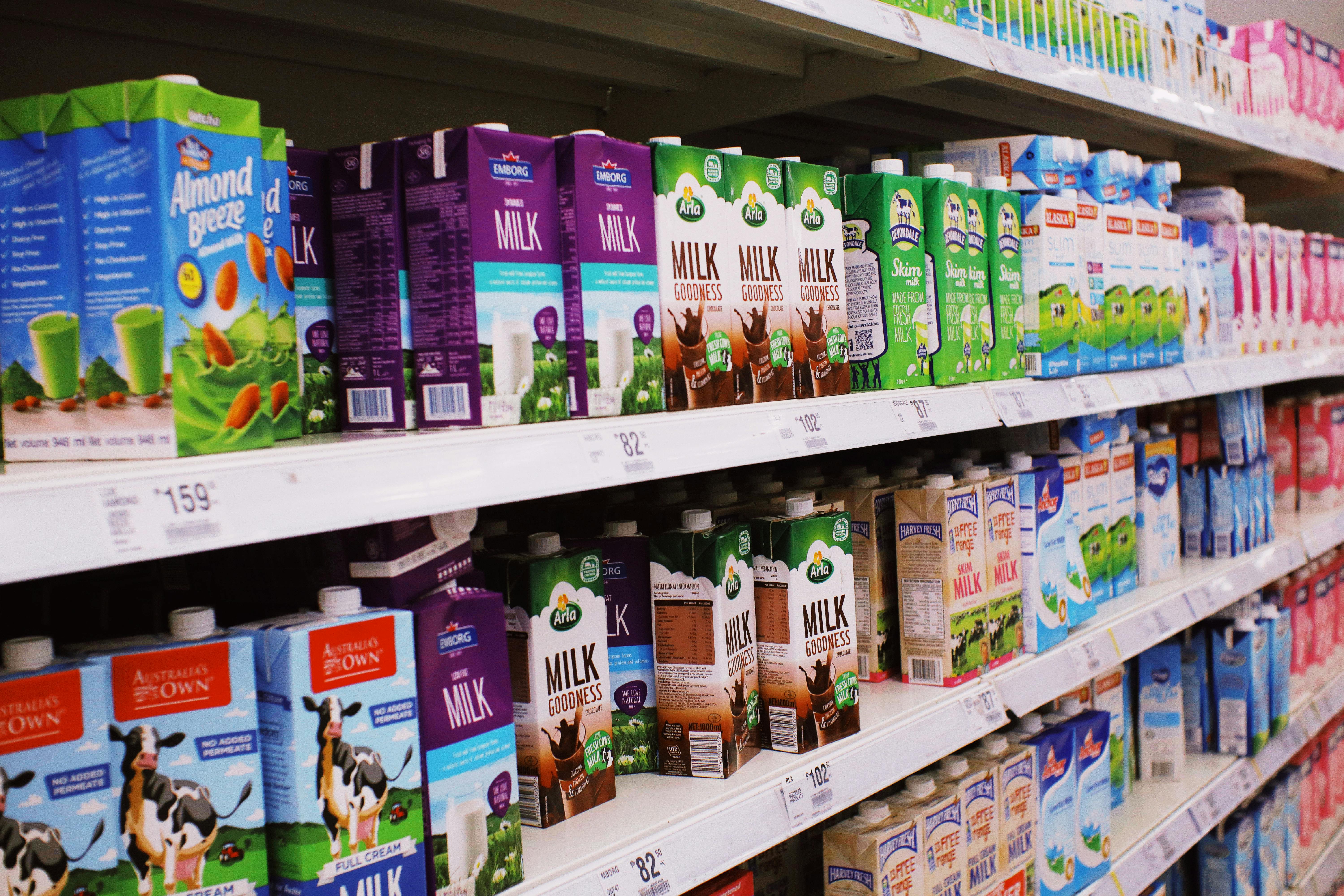
Few grocery items reveal regional inequality as clearly as milk. In southern Ontario, shoppers can often find a 4-liter bag or equivalent carton at a price that feels ordinary within a competitive, densely supplied market. In Nunavut, that same everyday purchase can become a budget decision rather than a reflex buy.
According to public reporting and northern food price tracking, milk in Nunavut regularly lands far above southern prices, with some communities seeing costs that are roughly double Ontario levels. The exact number shifts by store, season, and format, but the pattern is consistent. Households pay more for the same nutrition.
That matters because milk is not a luxury item. It is tied to children's diets, baking, cereal, coffee, and basic meal planning. When a staple becomes noticeably more expensive, the effects ripple through weekly budgets almost immediately.
Distance changes everything before milk reaches the shelf
The biggest reason is geography. Nunavut has no road or rail links connecting most communities to southern distribution networks, so food must arrive by air for much of the year or by annual sealift for less urgent cargo. Fresh milk is highly perishable, which makes air transport especially important and especially expensive.
Ontario benefits from proximity to dairy farms, processors, warehouses, and highways. Products move quickly between producers and stores with lower fuel use per unit and far fewer logistical complications. That efficiency keeps spoilage lower and delivery schedules more predictable.
In Nunavut, every extra handling step adds cost. Refrigeration must be maintained across long distances and in difficult weather conditions. If flights are delayed, inventory becomes harder to manage, and retailers build those risks into shelf prices.
Small markets mean fewer chances to lower costs

A second factor is scale. Ontario's large population supports many stores, frequent shipments, and fierce price competition among major chains and independent retailers. High sales volume helps spread operating costs over more customers and more transactions.
Nunavut's communities are much smaller and far more isolated. A store may serve a limited population with only a narrow delivery window and little room for pricing flexibility. Lower turnover on some products means higher per-unit costs, especially for refrigerated goods.
Competition is also more limited. In many northern communities, shoppers do not have the same range of nearby alternatives that consumers in southern cities take for granted. When the market is thin, retailers face structurally higher costs and fewer ways to trim margins.
Climate and infrastructure make routine retail more expensive
Cold weather alone does not explain the price of milk, but it does shape nearly every cost around it. Stores need dependable heating, backup systems, refrigeration, and storage capacity in places where equipment failure can be far more disruptive than in southern regions. Operating a grocery business in Nunavut is simply more expensive.
Infrastructure constraints compound the problem. Warehouse space, shipping schedules, airport capacity, and local delivery systems are all more limited than in Ontario. When supply chains are fragile, retailers often carry extra buffer stock or absorb losses when items arrive damaged or late.
Energy costs also matter. Powering refrigerated cases and keeping products within safe temperature ranges can cost more in remote northern settings. Those overhead costs do not stay in the background. They appear in the final price tag.
Subsidies help, but they do not erase the gap

Federal programs such as Nutrition North Canada are designed to lower the cost of shipping eligible food to remote communities. Milk is among the items that can benefit, and the subsidy does reduce some of the burden. But it has never fully canceled out the structural cost difference between Nunavut and Ontario.
Critics, including researchers and northern residents, have argued for years that subsidy systems can be uneven in practice. Prices may still remain painfully high, and families do not always feel enough relief at the checkout. The debate is not about whether costs are real, but whether policy support is large and targeted enough.
This is why milk remains such a telling benchmark. If even a subsidized staple stays dramatically more expensive in Nunavut, it signals how hard it is to make remote food systems affordable under current conditions.
The real issue is food affordability, not just one item
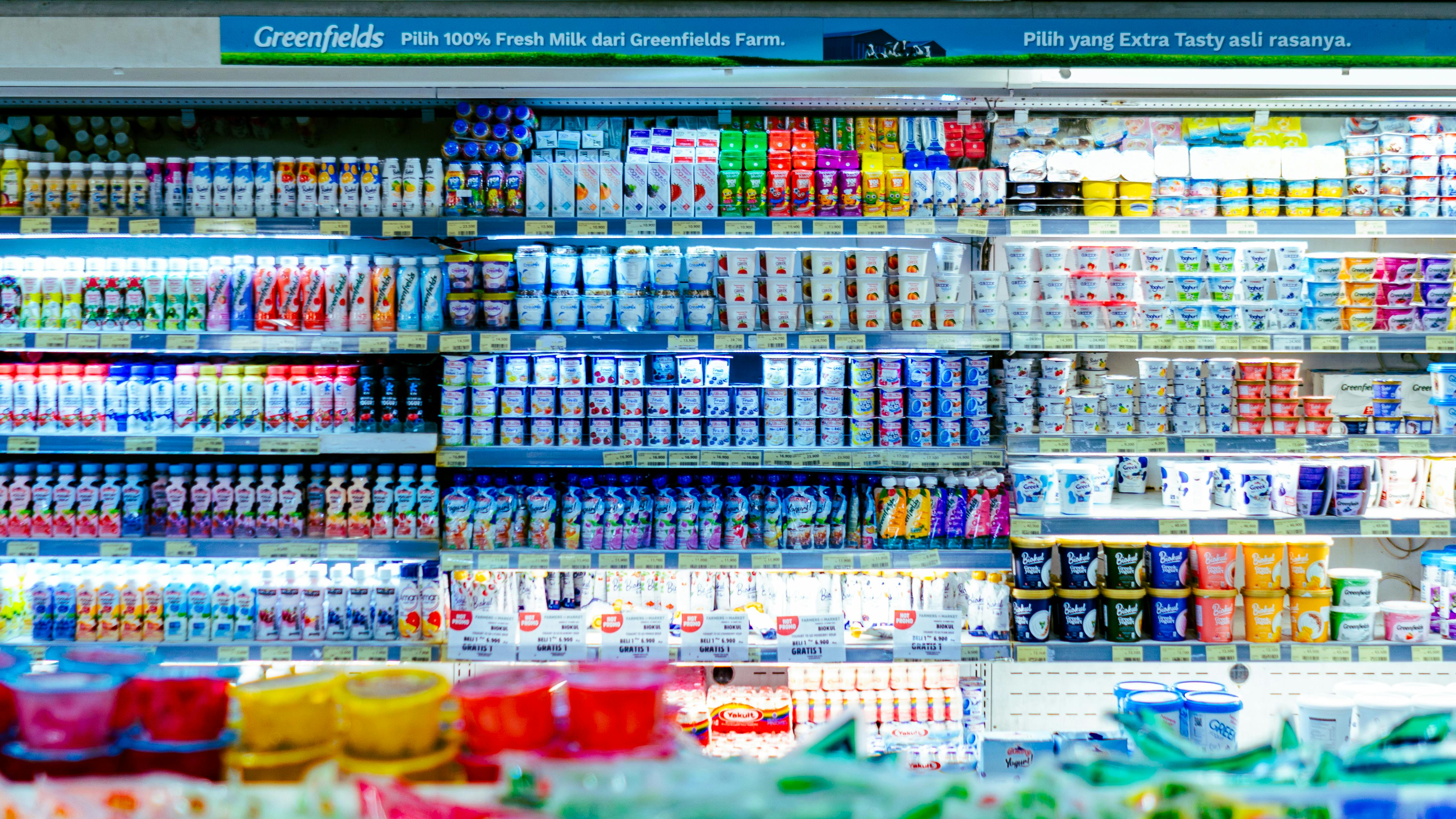
Milk is the headline example, but the deeper story is food insecurity. Nunavut has long recorded some of the highest rates of household food insecurity in Canada, especially among Inuit families. When staples cost far more than elsewhere, nutrition becomes tied less to preference and more to what a household can stretch.
That pressure changes shopping behavior. Families may choose shelf-stable items over fresh ones, reduce purchases of dairy, or rely more heavily on support networks and community programs. Over time, higher prices can affect health, stress, and the dignity that comes with being able to shop normally.
So the grocery item that costs twice as much is not just a curiosity. Milk captures the wider economics of the North, where remoteness, infrastructure, and policy collide in the most personal place possible, the family grocery bill.




Leave a Reply