
The world is producing enough food in theory, yet far too many people cannot afford it or access it. That gap between supply and survival is what has turned today's food emergency into the worst global crisis in more than a decade.
Why the global food crisis has become so severe
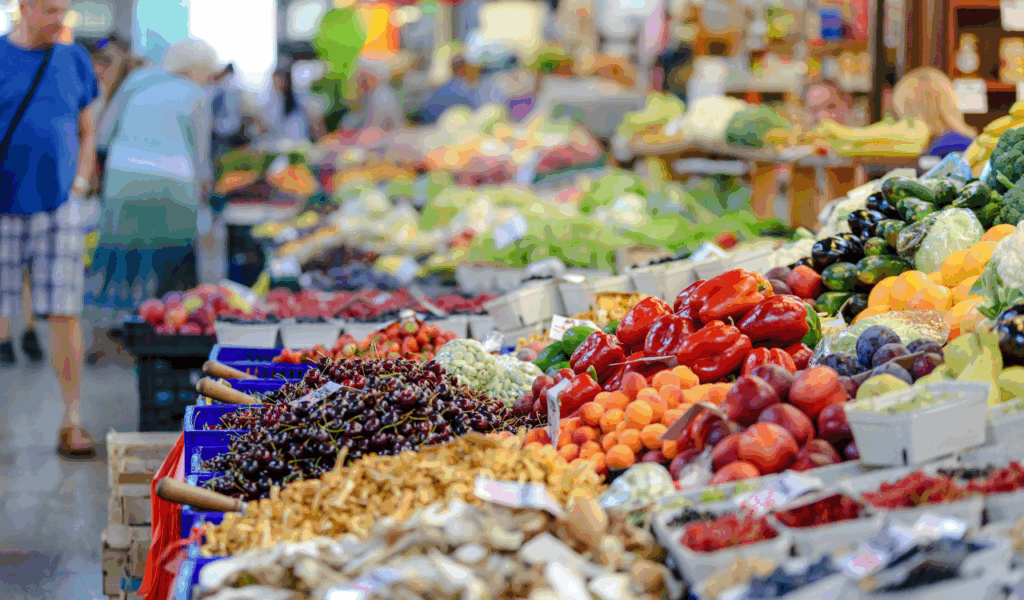
This crisis did not begin with a single failed harvest or one sudden war. It grew out of overlapping shocks that hit the global food system all at once and kept reinforcing each other. According to United Nations agencies, acute food insecurity has climbed sharply in recent years, with hundreds of millions of people needing urgent assistance across Africa, the Middle East, Latin America, and parts of Asia.
Conflict remains the biggest driver. Wars in places such as Sudan, Gaza, Ukraine, and parts of the Sahel have uprooted farmers, blocked transport routes, damaged storage sites, and made normal market activity impossible. When fighting spreads through farming regions, food does not simply become scarce locally. It also becomes more expensive regionally, especially where nearby countries depend on cross-border trade.
Climate extremes are adding another layer of pressure. Prolonged drought in the Horn of Africa, severe flooding in South Asia, and heat-driven crop stress in many producing regions have reduced harvests and weakened livestock herds. Farmers who already operate on thin margins have less seed, less water, and fewer assets to fall back on after repeated weather shocks.
High costs have turned these disruptions into a broad affordability crisis. Fertilizer, fuel, transport, and borrowing costs all surged after the pandemic and Russia's full-scale invasion of Ukraine. Even where food is available on shelves or in local markets, low-income households are being priced out. That is why the current emergency is not only about supply. It is also about access, resilience, and purchasing power.
How high prices and broken supply chains hit the poorest first

The food crisis looks different from country to country, but the pattern is familiar. Poorer households spend a much larger share of their income on food, so even modest price increases can trigger hunger very quickly. In fragile states, where people may already spend over half their earnings on basic staples, the rise in prices for wheat, rice, cooking oil, and beans has been devastating.
Supply chain breakdowns have made that pain harder to absorb. When ports are congested, roads are unsafe, or shipping insurance rises, food takes longer to reach communities and costs more by the time it arrives. Countries that rely heavily on imports are especially exposed. A disruption thousands of kilometres away can quickly become a local emergency at the market stall.
Currency weakness has made matters worse in many developing economies. As local currencies lose value against the U.S. dollar, imported food, fertilizer, and farm equipment become more expensive. Governments facing debt pressure then have less room to subsidize food, support farmers, or expand social protection when citizens need it most.
Children and women often bear the deepest consequences. Families cut meal size, skip protein, or pull children out of school to save money and find work. Health agencies have warned that child wasting and maternal malnutrition are rising in several crisis zones. Hunger at this stage is not just a short-term hardship. It damages health, learning, and future economic stability.
What Canada says its role should be in this emergency
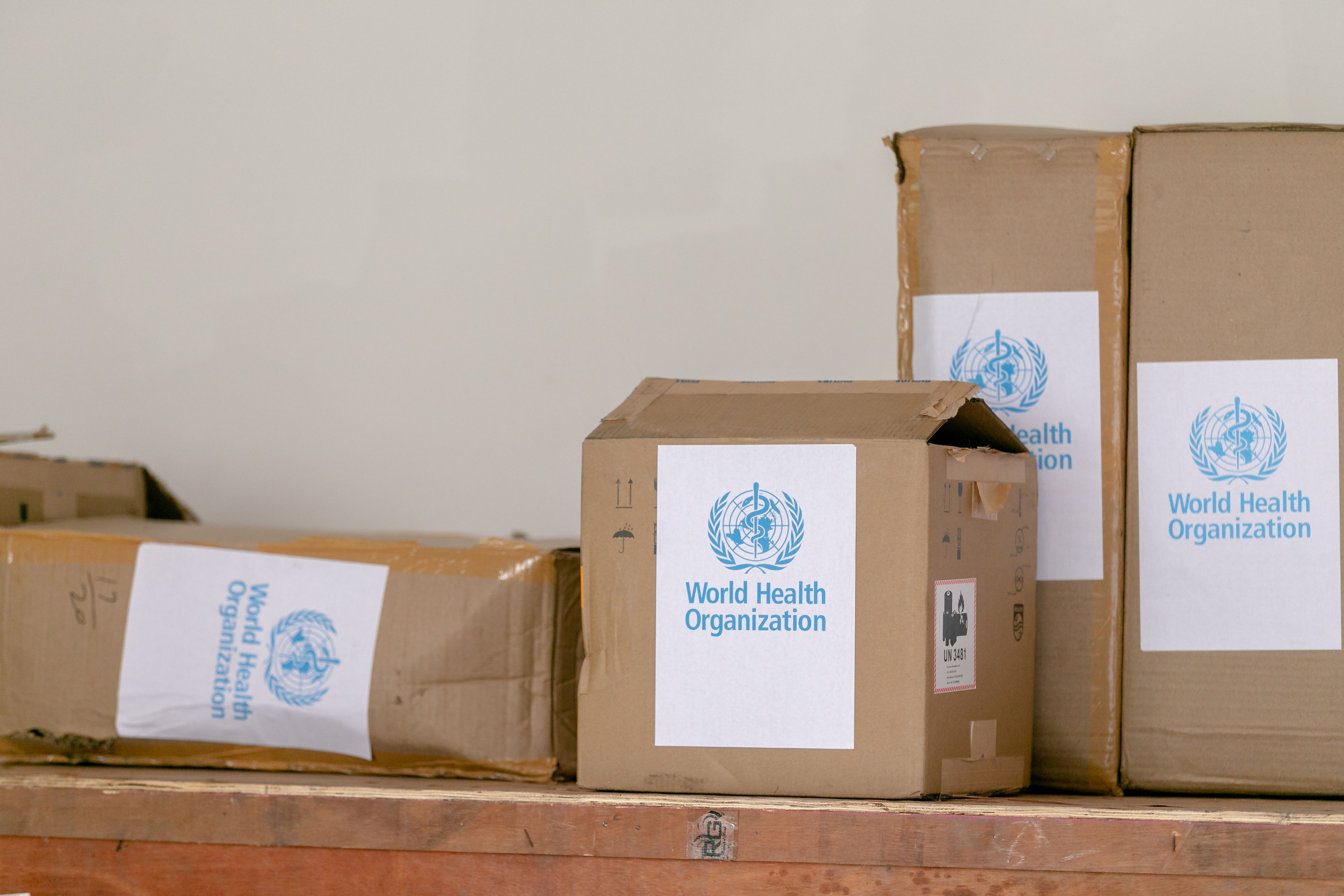
Canada's approach starts from a practical reality: it is both a major agricultural producer and a significant humanitarian donor. That gives it two channels of influence. One is immediate relief for populations facing hunger now. The other is longer-term support for food systems that can withstand future shocks.
Canadian officials have increasingly framed food security as part of foreign policy, development policy, and global stability. That reflects a broad international view that hunger fuels displacement, weakens institutions, and intensifies conflict. In other words, responding to food insecurity is not only charitable. It is also strategic, especially in regions where instability can spread across borders.
In recent years, Canada has directed funding through major multilateral organizations such as the World Food Programme, the Food and Agriculture Organization, the International Fund for Agricultural Development, and UNICEF. These partnerships matter because large agencies already have distribution networks, procurement systems, and field operations in hard-hit countries. They can move food, cash, nutrition support, and farm assistance faster than many bilateral programs working alone.
Canada has also emphasized a feminist international assistance approach, which shapes how aid is targeted. In food crises, women are central to both household nutrition and agricultural production, yet they often have less land rights, financing, and market access. Canadian-backed programs often focus on women farmers, maternal nutrition, school feeding, and climate-resilient local agriculture rather than emergency food delivery alone.
The concrete steps Canada is taking on aid, farming, and nutrition
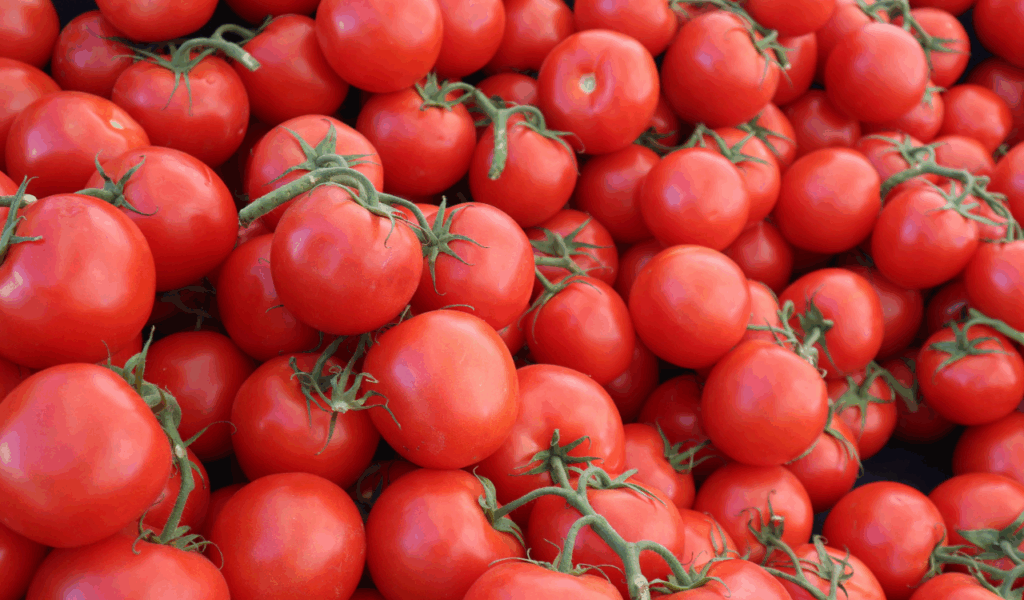
One clear part of Canada's response is emergency humanitarian funding. Ottawa has announced support for acute crises in regions facing famine risk and severe food insecurity, including East Africa, Sudan, Yemen, Afghanistan, and Gaza. Much of that assistance is delivered as cash transfers, food vouchers, therapeutic foods for malnourished children, and support for emergency logistics in areas where normal markets have broken down.
Another pillar is agricultural development. Canada has funded projects that help smallholder farmers improve yields, reduce post-harvest losses, and adapt to harsher weather. This includes support for drought-resistant seeds, better soil management, irrigation planning, and farmer training. These investments may sound less urgent than food drops, but they are often what prevents the next crisis from becoming catastrophic.
Nutrition programs are also a major focus. Canada has supported initiatives that target stunting, wasting, and micronutrient deficiencies among women and children, especially in the first 1,000 days of life. Experts consistently note that calories alone are not enough during a food crisis. People also need access to nutrient-rich foods, healthcare, clean water, and community health services to avoid long-term harm.
Canada's domestic agricultural sector plays an indirect role as well. As a major exporter of wheat, pulses, and canola, Canada contributes to global supply when harvests are strong and trade channels remain open. Stable production in Canada cannot solve worldwide hunger by itself, but reliable exports do help ease pressure in import-dependent regions during tight global markets.
Where Canada's response is helping and where limits remain

Canada's contribution is meaningful, but it operates inside a crisis that is far larger than any single country can solve. Humanitarian agencies continue to report major funding gaps, with appeals regularly underfinanced even as needs rise. That means aid providers are often forced to reduce rations, narrow eligibility, or prioritize only the most severe cases.
There is also a timing problem. Emergency funding usually grows after a crisis has already become visible, often after famine warnings, mass displacement, or media attention. But food insecurity deepens in stages. Earlier investment in local farming systems, rural infrastructure, and social protection can be far cheaper and more effective than waiting until communities are in full emergency mode.
Critics also point to policy contradictions across wealthy countries, including trade barriers, agricultural subsidies, and climate failures that can undermine food security elsewhere. Canada is not exempt from those debates. If the goal is a more stable global food system, donors must align development finance, climate action, trade policy, and conflict prevention more consistently.
Even so, Canada is seen as a credible partner in multilateral food security work. Its funding is often flexible, its diplomacy is generally supportive of international institutions, and its development programs tend to focus on resilience as well as relief. Those strengths matter most when crises are prolonged and politically complex, which is exactly the kind of food emergency the world now faces.
What happens next as hunger remains a defining global challenge
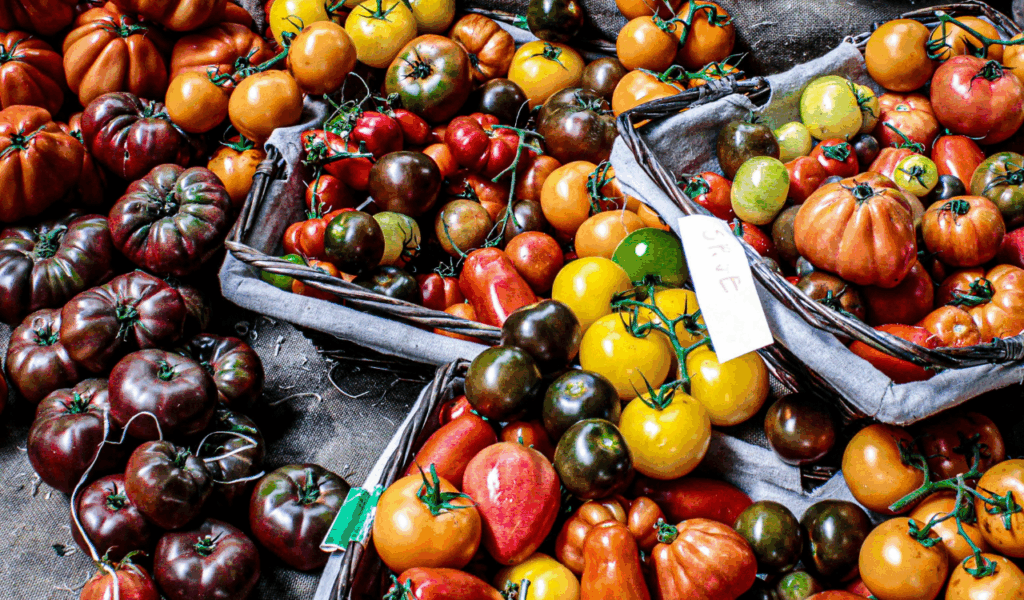
The next phase of the global food crisis will likely be shaped by three forces: war, climate volatility, and the cost of living. None of them is easing fast enough to suggest a quick return to normal. That is why food security experts increasingly speak about chronic instability rather than a temporary shock that will simply pass with better weather or lower fuel prices.
For Canada, the challenge is to maintain attention when competing crises crowd the agenda. Sustained funding for emergency operations is essential, but so is backing the slower work of resilience: local seed systems, irrigation, women-led farming, nutrition clinics, and market access for small producers. These are not side issues. They are the foundations of long-term food security.
Canada will also face pressure to keep its own agricultural exports dependable while supporting international efforts to reduce hunger sustainably. That means balancing trade, climate adaptation, and development goals without treating them as separate files. A food crisis on this scale demands joined-up policy rather than isolated gestures.
The core truth is simple. Global hunger is rising because people are trapped by conflict, climate shocks, and unaffordable food. Canada's response, while not sufficient on its own, shows how a middle power can combine aid, diplomacy, and agricultural capacity to make a real difference when the stakes are measured in lives.




Leave a Reply