
A family meal can begin with hugs and end with a debate over gravy, pie, or whether raisins belong anywhere near a holiday table. Food arguments may seem silly, but they often carry years of memory, pride, and quiet competition.
The Side Dishes That Divide the Table

Nothing starts a gentle feud faster than a side dish everyone thinks they understand. Potato salad, stuffing, macaroni and cheese, and green bean casserole are especially risky because nearly every family has a preferred version and considers it the standard. One person expects mustard in the potato salad, another swears by dill, and a third insists warm potatoes are a crime.
Stuffing may be the most quietly explosive dish in the American family canon. Some households defend bread cubes baked in a dish, while others insist true stuffing must be cooked inside the bird. Add oysters, sausage, apples, chestnuts, or cornbread, and the room can split into camps that sound less like cooks and more like constitutional scholars.
Macaroni and cheese carries a similar emotional charge. Older relatives may want a baked, firm casserole with sharp cheddar, while younger cooks might serve a creamier stovetop style with smoked gouda or breadcrumbs. What sounds like a small difference often feels, to the family, like a challenge to the way holidays are supposed to taste.
Regional Traditions Turn Simple Dishes Into Identity Tests

A dish can become controversial the moment relatives from different places share one table. In some families, chili must never include beans, while in others beans are so ordinary that the no-bean version looks unfinished. Barbecue causes the same kind of conflict, with fierce loyalties around sauces, cuts of meat, smoke levels, and what counts as proper technique.
Cornbread is another surprisingly loaded example. Southern cooks may prefer it savory, crumbly, and baked in cast iron, while others grew up with a sweeter, cake-like version. Neither side sees the difference as minor, because taste is tied to region, class, and the authority of grandparents who cooked the dish that way for decades.
Even pasta sauces can become border disputes. One branch of the family says gravy, another says sauce, and a third argues that meatballs should never be served with spaghetti on holidays. These debates are rarely just about ingredients. They are often about whose hometown, ancestry, or childhood memories get to define the meal.
Generational Tastes Often Collide in the Serving Line

Every generation brings a different idea of what counts as comfort food. Older relatives may treasure molded salads, canned cranberry sauce, ambrosia, or casseroles topped with crushed crackers because those dishes were once practical, celebratory, and affordable. Younger guests, raised on fresher produce and food media, may see the same dishes as outdated or overly processed.
That gap can sound humorous, but it is rooted in real history. Recipes built around canned soup, gelatin, or convenience ingredients reflected wartime rationing, midcentury advertising, and the growing presence of supermarket foods. Dismissing those dishes too quickly can feel, to the person who made them for 40 years, like dismissing a whole era of family care.
At the same time, newer cooks often want to update the menu with roasted vegetables, plant-based mains, or less sugar and salt. Their changes may be practical, especially as tastes and health priorities shift. But when a classic recipe gets "improved," someone usually hears an unspoken message that the old way was not good enough.
Dietary Preferences Add New Pressure to Old Recipes
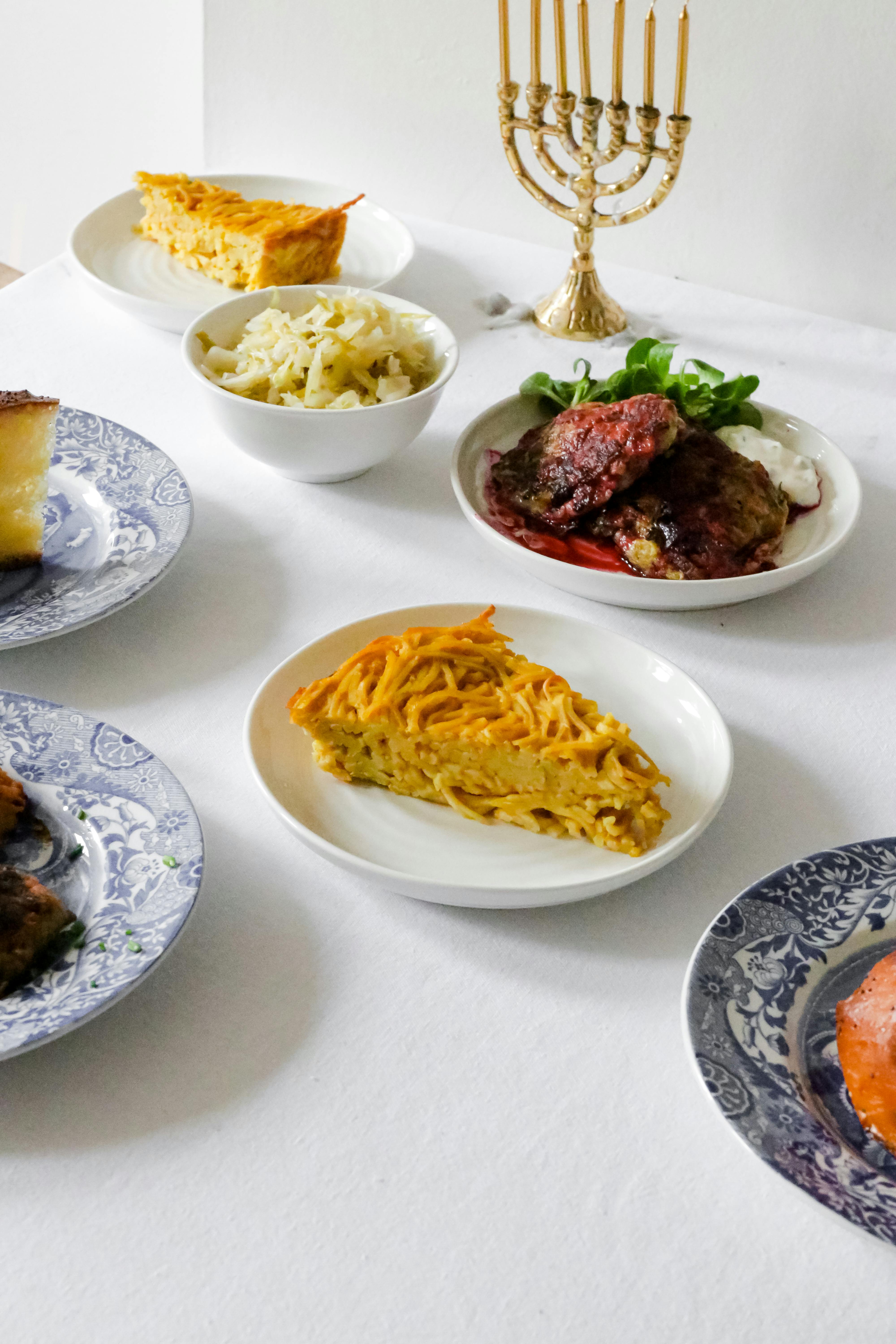
Modern gatherings have more dietary considerations than many families grew up navigating. Vegetarian, vegan, gluten-free, dairy-free, low-sodium, kosher, halal, and allergy-conscious guests often need more than a token side dish. That reality can expose fault lines between relatives who view accommodations as basic hospitality and others who experience them as an inconvenience or critique.
Few foods trigger this tension faster than meat-centered holiday dishes. A roast, ham, or turkey often acts as the symbolic centerpiece, so replacing it or even sharing space with a plant-based alternative can prompt outsized reactions. To some relatives, the main dish represents continuity. To others, insisting on it despite guests' needs feels stubborn rather than sentimental.
Desserts create their own battles. Sugar-free pies, gluten-free cookies, or dairy-free puddings are sometimes judged before anyone tastes them. Yet food researchers have long noted that resistance to unfamiliar versions of familiar dishes often has more to do with expectation than flavor. Families are not only comparing recipes. They are comparing worldviews about change, care, and belonging.
Secret Recipes and Signature Dishes Protect Family Status
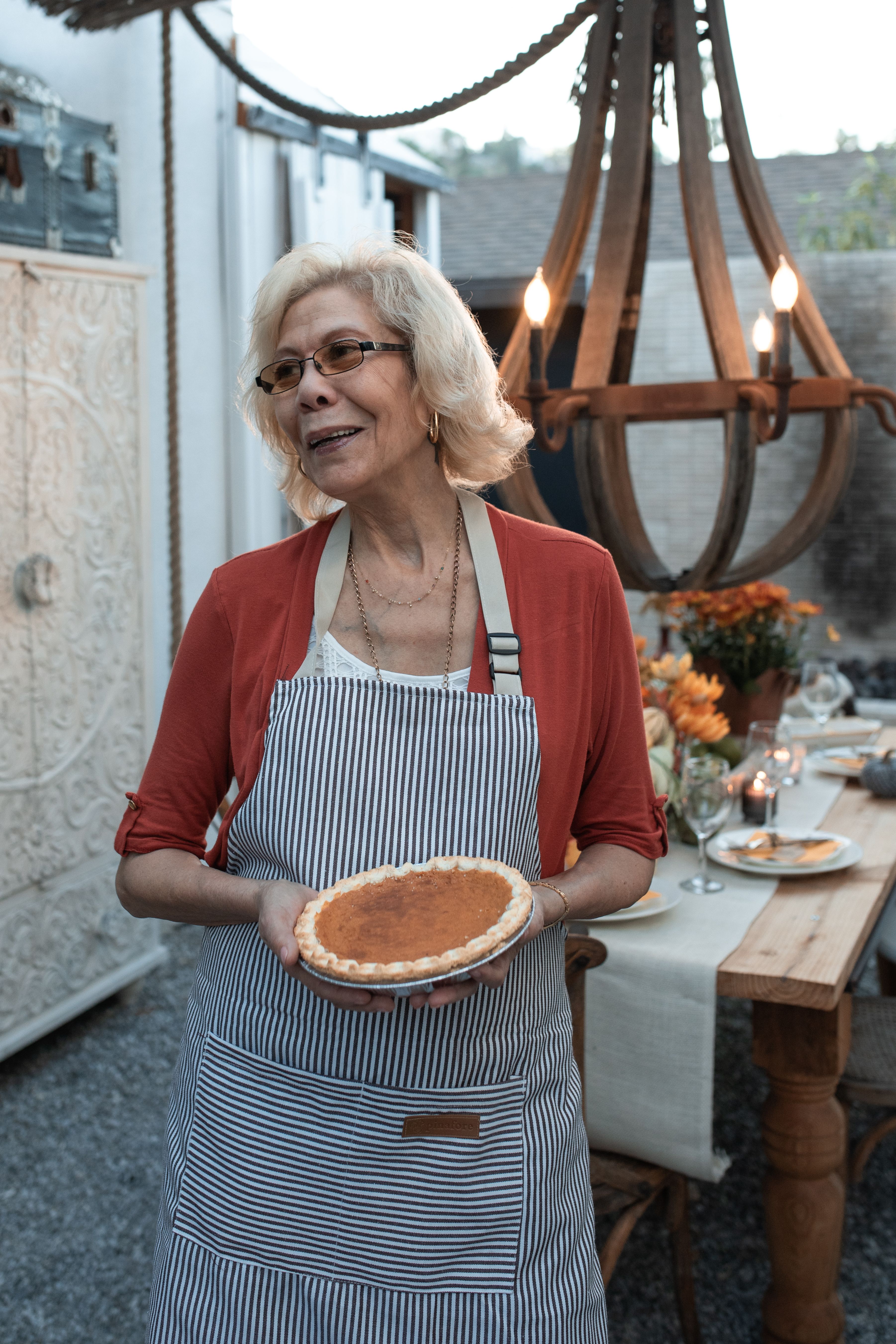
Some family dishes are less about eating and more about authorship. The aunt with the famous cheesecake, the grandfather with the prized chili, or the cousin known for deviled eggs may hold real social status through that recipe. When someone copies it, tweaks it, or brings a competing version, the resulting tension can be surprisingly intense.
Psychologists who study family rituals often note that repeated food traditions create roles people come to depend on. Being "the one who makes the rolls" or "the pie person" offers identity, usefulness, and praise in a setting where roles can otherwise blur. That helps explain why a harmless substitution, such as changing vanilla brands or using a new crust, can land like a personal challenge.
Recipe secrecy adds another layer. Many so-called secret family recipes are adapted from old cookbooks, product labels, or community pamphlets, yet the myth of exclusivity remains powerful. What families protect is not always culinary innovation. More often, they are protecting legacy, recognition, and the feeling that some part of family history still belongs to them.
Why These Food Fights Matter More Than the Menu

The most argument-prone foods are usually the ones carrying the most meaning. A disputed casserole or pie is rarely just a dish. It can represent migration, religion, thrift, celebration, grief, marriage into the family, or the memory of someone no longer at the table.
That is why food debates can escalate so quickly from playful teasing to genuine irritation. The argument over marshmallows on sweet potatoes or pineapple on ham is often a stand-in for bigger questions about who gets heard, whose traditions survive, and whether change is welcome. The food is visible, but the real subject is belonging.
Seen that way, these clashes are almost affectionate. Families return to the same arguments because they return to the same people, memories, and rituals. If the table gets loud over gravy, casserole, or pie, it may simply mean the meal still matters enough for everyone to defend the version that feels like home.

Leave a Reply